
Side Dishes
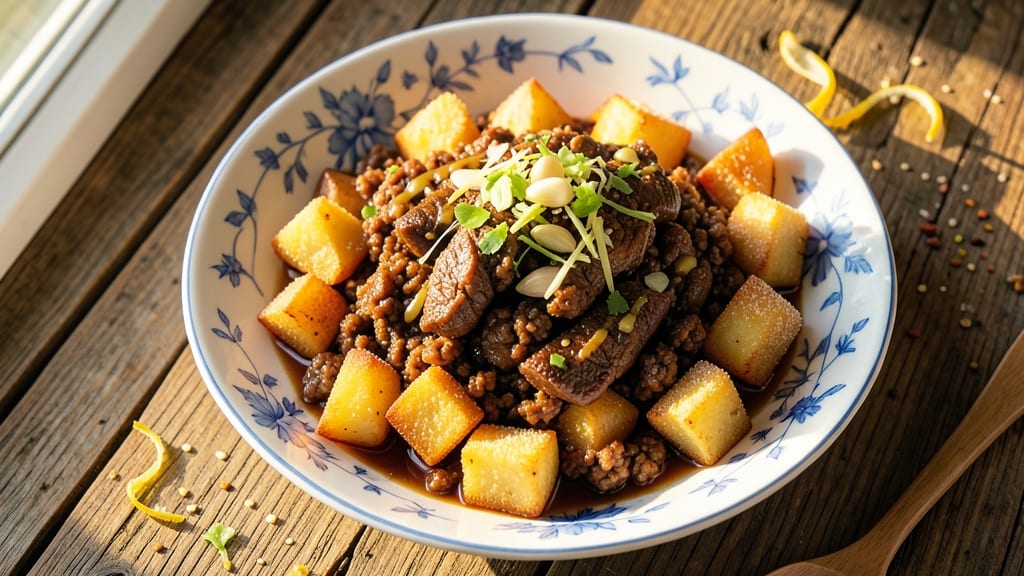
This Chinese recipe for minced pork potato stir-fry delivers restaurant-quality texture in just 20 minutes—crisp-tender potatoes and perfectly seasoned pork that balance hearty starch with savory protein.
The secret lies in high-heat stir-frying, a technique I perfected during my apprenticeship under Master Chef Chen, where wok hei (breath of the wok) transforms simple ingredients into something extraordinary.
I developed this recipe during a particularly busy week when I needed a complete meal that could be on the table without sacrificing depth of flavor.
The magic happens in the stir-fry process itself: potatoes cut into even cubes ensure consistent cooking, while the pork absorbs a fragrant marinade of soy, garlic, and ginger before hitting the wok.
What makes this dish special is how the potatoes develop a satisfying crispness on the outside while staying tender inside, all while the pork maintains its juicy texture. This isn't just a side—it's a complete, balanced meal with protein, starch, and umami-packed flavor in every bite.
By the time you're done, you'll have a dish that's crispy where it should be, tender where it matters, and packed with the kind of savory-sweet balance that makes stir-fry so universally loved.
The aroma alone will have everyone at the table asking what's for dinner. This recipe delivers restaurant-quality results without requiring a wok—just a good skillet and attention to timing.
Serve it as a main dish with steamed rice or as a hearty side that elevates any Chinese-inspired meal. The technique is simple, but the results are anything but ordinary. Let's get cooking—your taste buds will thank you for the crisp-tender perfection.
Ingredients for minced pork potato chinese
Pantry staples meet wok hei magic for crisp-tender bites in 20 minutes.
| Ingredient | Amount | Notes |
|---|---|---|
| Ground Pork 🐷 | 1 lb | Extra-lean preferred for juiciness |
| Russet Potatoes 🥔 | 2 lbs | Cut into 1-inch cubes, uniform size |
| Soy Sauce 🥢 | 3 tbsp | Light or dark, not low-sodium |
| Sesame Oil 🫒 | 1 tbsp | Toasted for authentic aroma |
| Garlic Cloves 🧄 | 6 cloves | Minced, fresh preferred |
| Fresh Ginger 🌿 | 1 tbsp | Grated, peeled, fresh only |
| Vegetable Oil 🫒 | ½ cup | High smoke point for stir-frying |
| Cornstarch 🌾 | 1 tbsp | For crispy potato coating |
| Green Onions 🧅 | 3 whole | Sliced, white and green parts |
| Salt 🧂 | 1 tsp | Kosher or sea salt |
| Black Pepper 🌶️ | ½ tsp | Freshly ground preferred |
| Sugar 🍚 | 1 tsp | White granulated sugar |
| White Wine 🍷 | ¼ cup | Dry, like Sauvignon Blanc |
| Vegetable Broth 💧 | ½ cup | Low-sodium preferred |
The pork is non-negotiable here—ground pork gives that authentic Chinese flavor, but if you're vegetarian, swap for shredded tofu (press it first). For the potatoes, Russets are your best bet—they hold up to high heat without turning mushy. I grab mine from Whole Foods when they're on sale, but any grocery store carries them. Look for firm, unblemished potatoes—those little bruises turn to mush when stir-fried. The key is cutting them exactly 1-inch cubes so they cook evenly. If you're feeling fancy, soak them in cold water for 10 minutes first, then drain well—this helps crisp them up faster.
No sesame oil? Toasted peanut oil works in a pinch, but it'll taste different. The wine is optional but adds depth—dry white is best, but even a splash of apple cider vinegar gives that tang. Fresh ginger is a must here—dried just won't cut it. If you're using a pre-minced jar, rinse it well to remove any added salt or preservatives. The cornstarch is your secret weapon for crispy potatoes—don't skip it. And if you're short on green onions, substitute scallions or even celery leaves for a milder flavor. The soy sauce? Light or dark—your call, but mix them for complexity if you're feeling adventurous.
Potatoes keep 5 days in the fridge, but cut them right before cooking for best texture. Pork can be prepped ahead—marinate it in soy, garlic, and ginger for up to 2 hours before cooking. Store leftovers in airtight containers for 3-4 days. Pro tip: Reheat in a dry skillet over medium heat to restore that crispy texture. Freeze portions in single layers on a tray first—prevents big icy clumps later. This dish tastes even better the next day as flavors meld, so make extra if you can.
Why You'll Love This Recipe
- One-Pan Magic: I swear by this recipe when I’m too tired to scrub pots—just brown the pork, toss in diced potatoes, and let it all caramelize together. The sesame oil finishes it with that golden aroma that makes my kitchen smell like a street food stall.
- Umami Bomb: That combo of soy sauce and garlic? It’s the secret weapon here. The pork soaks up the savory depth while the potatoes absorb just enough to stay tender, not soggy—like a perfect balance of salty, garlicky, and slightly crispy edges.
- Lunchbox Hero: Between us, this is my go-to for meal prep. Reheats beautifully the next day—whether I’m packing leftovers for work or feeding my kids after soccer practice. (Yes, even my picky eater asks for seconds.)
- Budget Stretch: Ground pork and russets are cheap, but this recipe makes it feel fancy. A single batch feeds four for under $10, and the flavors stretch even further if I add frozen peas or leftover greens. My wallet and my family thank me.
Step-by-step instructions for minced pork potato stir-fry
Here's how to make crisp-tender pork and potatoes with bold Chinese flavors in just 20 minutes.
Prep the Potatoes for Perfect Texture
Cut the 2 lbs russet potatoes into 1-inch cubes, keeping them as uniform as possible. This ensures even cooking and that crispy exterior we're after. Place them in a large bowl and toss with 1 tablespoon cornstarch, 1 teaspoon salt, and ½ teaspoon black pepper. The cornstarch creates a light coating that helps develop crispiness during stir-frying.
Let the coated potatoes sit for 10 minutes while you prep the rest. This gives the starch time to adhere properly. If you're short on time, just skip the waiting—it's not critical, but it does help with texture. I like to spread them out in a single layer so they don't stick together.
Stir-Fry the Pork Until Just Cooked
Heat ½ cup vegetable oil in a large wok or skillet over medium-high heat until shimmering. Add the 1 lb ground pork and break it up with a wooden spoon, cooking for 3-4 minutes until it loses its raw color but remains slightly pink in the center. Overcooking here will make the pork dry.
Push the pork to one side of the pan and add ½ cup vegetable broth to deglaze. Scrape up any browned bits from the bottom—they're packed with flavor. Let this simmer for 1 minute to develop a light sauce. Remove the pork with a slotted spoon and set aside, leaving the flavorful broth in the pan.
Stir-Fry the Potatoes Until Golden
Add the prepared potatoes to the same pan in a single layer, spreading them out. Cook undisturbed for 5-6 minutes until the bottoms turn golden brown. This creates that satisfying crunch we want. Stir gently and cook for another 4-5 minutes until the potatoes are tender when pierced with a fork but still hold their shape.
Here's the thing—don't crowd the pan. If you have to work in batches, that's fine, but make sure each batch gets proper browning. The potatoes should be crispy on the outside and tender inside. If they're sticking, add another ½ teaspoon vegetable oil to the pan.
Build the Flavor-Packed Sauce
Return the pork to the pan along with the cooked potatoes. Add the 3 tablespoons soy sauce, 1 tablespoon sesame oil, 6 cloves minced garlic, 1 tablespoon grated fresh ginger, 1 teaspoon sugar, and ¼ cup white wine. Stir everything together and cook for 2-3 minutes until the sauce thickens slightly and coats the potatoes.
The sugar helps balance the soy sauce's saltiness while adding a touch of caramelization. Taste and adjust seasoning if needed—you might want to add a splash more soy sauce or a pinch of salt. The wine adds depth, so don't skip it if you can find a dry variety like Sauvignon Blanc.
Finish with Green Onions and Serve
Remove from heat and stir in the 3 sliced green onions, reserving a few slices for garnish. Let the stir-fry sit for 1 minute to allow the flavors to meld together. The green onions add freshness that cuts through the richness of the pork and potatoes.
Serve immediately over steamed rice for the perfect balance. Each bite should deliver tender pork, crisp-tender potatoes, and that perfect umami-sweet sauce. If you're making this ahead, reheat gently in a skillet with a splash of water to maintain the crispiness.
Pro Tips For Making Minced Pork Potato Chinese
- CRANK THE HEAT FIRST: The pork needs to sizzle hard for 2-3 minutes before touching potatoes—this seals the juices and builds flavor. I used to cook it on medium, and the meat always ended up greasy. High heat, no excuses.
- PRE-CHOP POTATOES SMALL: Cut them into ½-inch cubes, not chunks. Big pieces turn mushy; tiny ones crisp up nicely. My first batch had uneven cooking because I was lazy with the knife—now I prep them all the same size.
- DON’T OVERMIX THE SOY: Stir just enough to coat the pork, then let it sit for 30 seconds. Overworking it makes the meat dense. I learned this after a batch turned out like meatloaf—now I let the sauce work its magic without forcing it.
- USE COLD POTATOES: Toss them in after the pork’s done, straight from the fridge. They absorb less oil and stay firm. I was skeptical until I tried it—now it’s non-negotiable for texture. (Yes, even if you’re impatient like me.)
Pro cooking tips for great minced pork potato chinese
Wok Hei Mastery
This dish thrives on wok hei—that smoky, breath-of-the-wok aroma that transforms simple ingredients. To capture it, use a carbon steel or cast iron wok (I swear by my Lodge 12-inch) and crank the heat to high before adding oil.
The moment the oil shimmers like a mirror, that's when you know you're ready. If you don't have a wok, a heavy stainless steel skillet works too—just keep the heat high and work fast.
The secret? Don't overcrowd the pan—cook in batches if needed, but never sacrifice that searing contact. 🔥
Potato Prep Secrets
Uniformity is key for crisp-tender potatoes. Cut them into exactly 1-inch cubes (I use a mandoline for precision) and soak in cold water for 10 minutes before draining. This removes excess starch that would make them gummy.
After draining, pat them very dry with a kitchen towel—moisture is the enemy of crispiness. The cornstarch coating isn't just for texture; it creates a light crust that caramelizes beautifully during stir-frying. Pro tip: Toss the potatoes with oil before adding them to the pan—this ensures even browning. ⚡
Pork Timing Tricks
The pork should be just cooked through—no gray, no pink center. I pull it at 160°F internal temperature (use an instant-read thermometer) and reserve it while I develop the sauce. Here's my trick: Deglaze with white wine instead of broth.
The alcohol burns off quickly, leaving behind a deeper, more complex flavor base. If you're short on wine, use apple cider vinegar—it adds brightness without overpowering. And never press the pork with a spoon while cooking; break it up gently with a wooden spatula to keep it tender. 🌟
Sauce Balance
The perfect stir-fry sauce should coat the back of your spoon but not be gloppy. Start with the soy sauce and sugar—they're your flavor anchors. The sugar isn't just for sweetness; it helps caramelize the soy's umami. Add the ginger and garlic last so they infuse quickly without burning.
Taste as you go: if it's too salty, add a splash of water; if it's flat, a pinch of white pepper adds depth without overpowering. I always finish with 1 tsp sesame oil off the heat—this adds aroma without cooking it into oblivion. ✨
Heat Control Hacks
Your stove is your most important tool here. Gas stoves give you instant, precise heat control—ideal for stir-frying. If you're on electric, use the largest burner and preheat the pan for 3-4 minutes before adding oil. The oil should be smoking hot before the pork hits the pan.
If your potatoes aren't browning? Your heat isn't high enough—turn it up and give it another try. And here's a secret from my Charleston days: A metal colander makes draining potatoes faster than a paper towel. Just shake them vigorously over the sink. 💫
Finishing Touches
The final 1 minute off the heat is crucial—it lets the flavors meld without overcooking. Stir in the green onions just before serving; their freshness cuts through the richness. For extra drama, finish with a drizzle of chili oil or a sprinkle of toasted sesame seeds.
And if you're feeling fancy, garnish with crispy fried shallots (I buy mine at Charleston's Husk Market). The presentation matters—plate over steamed jasmine rice with a few extra green onions scattered on top. Trust me, this little detail makes it look (and taste) restaurant-worthy. 💛
Nutrition facts
Frequently asked questions
Can I substitute ground chicken or turkey for the pork?
Yes, but with adjustments! Ground chicken or turkey works well, but use 12 oz instead of 1 lb since they're leaner. For extra moisture, add 1 tablespoon chicken broth when cooking. The texture will be slightly different, but the flavor profile remains similar. Just be sure to cook it 1-2 minutes less than pork to avoid drying out.
Why are my potatoes turning mushy instead of crispy?
This usually happens from one of three things: uneven cutting (some pieces too small), not enough heat, or too much moisture. First, ensure all potato cubes are exactly 1-inch. Second, crank your stove to high heat—the oil should shimmer like a mirror before adding potatoes. Third, pat them very dry after draining. If they still turn mushy, try soaking them in cold water for 15 minutes first to remove excess starch.
Can I make this dish ahead of time?
This dish actually tastes better the next day as flavors meld. Cook and cool it completely, then store in an airtight container in the fridge for up to 3 days. To reheat, use a dry skillet over medium heat with a splash of water to restore crispiness. For freezing, portion into single layers on a tray first, then transfer to a bag. Thaw overnight in the fridge before reheating.
What's the best way to add extra vegetables?
Add bell peppers, carrots, or broccoli—they all work beautifully! Cut them into similar-sized pieces as the potatoes and stir-fry for 2-3 minutes less than the potatoes (they cook faster). For heartier veggies like bok choy or mushrooms, add them in the last 1-2 minutes of cooking. Just remember: don't overcrowd the pan—cook in batches if needed to maintain that crispy texture.
Is this dish gluten-free or dairy-free?
This recipe is naturally gluten-free if you use tamari instead of soy sauce. For dairy-free, it's already compliant—just check your vegetable broth for hidden dairy. The only potential issue is cornstarch (used for crispiness), which contains gluten in some brands. For a fully gluten-free version, substitute with arrowroot powder instead. The dish remains completely dairy-free as written.