
Main Courses
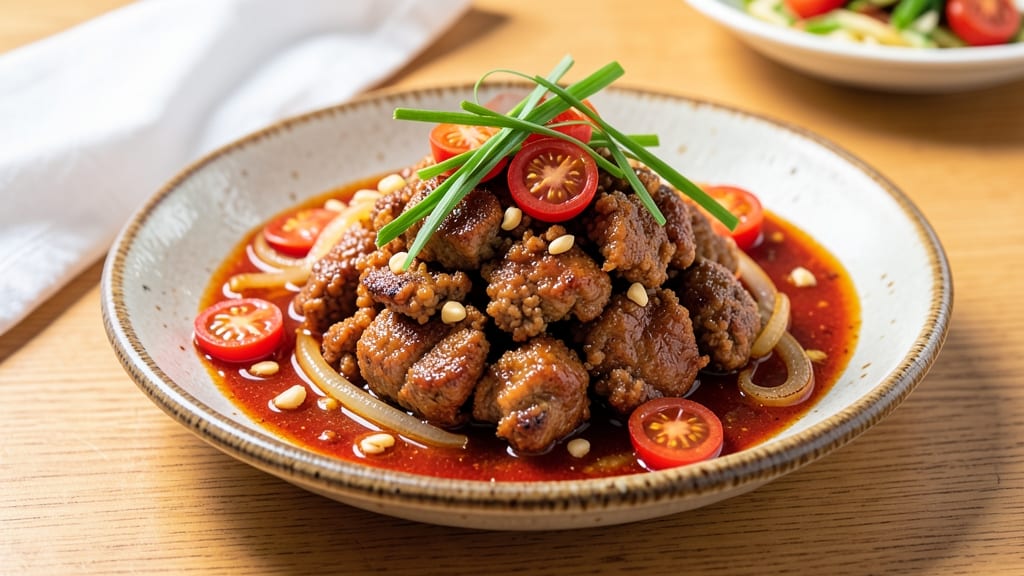
Filipino-style minced pork transforms humble ingredients into a dish that balances crispy edges with a silky tomato base—just like my grandmother used to make. The secret lies in marinating the pork with calamansi and soy sauce, then pan-frying until golden brown. I developed this recipe after years of perfecting the texture, ensuring every bite delivers that satisfying crunch and tender center.
This dish is more than just meat and sauce—it's a celebration of Filipino flavors, where annatto-infused oil adds a vibrant touch and garlic rice becomes the perfect companion. The silky tomato base comes together in minutes, while the pork develops rich, caramelized edges that keep well even when reheated.
What makes this recipe special is how it captures the soul of home cooking without requiring hours in the kitchen.
By the time you're done, you'll have a dish that's crispy on the outside, tender inside, and bursting with the bright, tangy flavors of the Philippines. The aroma alone will have everyone gathering around the table, and the leftovers reheat beautifully for lunch the next day.
It's the kind of meal that feels like a hug—familiar, comforting, and full of love.
Serve it with garlic rice, atchara, and steamed vegetables for a complete Filipino feast. The best part? This recipe delivers restaurant-quality results in under an hour, making it perfect for weeknight dinners or special gatherings. Let's get cooking!
Ingredients for minced pork recipe filipino style
Filipino flavors come alive with these crispy pork ingredients and silky tomato base essentials.
| Ingredient | Amount | Notes |
|---|---|---|
| Ground Pork 🥩 | 1 ½ lb | Freshly ground for best texture |
| Calamansi Juice 🍋 | ½ cup | Substitute with lime juice if unavailable |
| Soy Sauce 🥄 | ¼ cup | Use Filipino soy sauce for authentic flavor |
| Garlic Cloves 🧄 | 6 cloves | Minced finely for deep flavor |
| Onion 🧅 | 1 whole | Diced small for even cooking |
| Tomatoes 🍅 | 2 whole | Ripe, diced for silky sauce |
| Tomato Paste 🍅 | 2 tbsp | High quality for rich flavor |
| Sugar 🍚 | 1 tbsp | Balances acidity in sauce |
| Annatto Oil 🫒 | 1 tbsp | For vibrant Filipino color |
| Black Peppercorns 🌶️ | ½ tsp | Freshly ground for heat |
| Vegetable Oil 🫒 | ½ cup | For frying pork crispy |
| Salt 🧂 | 1 tsp | Adjust to taste |
| Green Onions 🌱 | 4 whole | Chopped for garnish |
The ground pork is where the magic happens—freshly ground makes all the difference for that satisfying crunch. Look for Filipino-style pork at Asian markets if you can, but regular ground pork works too. Costco or Walmart usually have good quality, but check the fat content—at least 20% fat ensures crispy edges. Calamansi is the star here, but if you can't find it, lime juice works in a pinch. The key is balancing that bright acidity with the rich pork flavor. For the tomatoes, grab the ripest ones you can find—they'll break down beautifully into that silky sauce.
No calamansi? Lime or lemon juice will work, though it won't be exactly the same. Want to skip the annatto oil? Paprika or turmeric adds color, but nothing beats that authentic Filipino hue. The tomato paste can be tricky—Trader Joe's has a great squeeze tube that's perfect for this. If you're using canned tomatoes, San Marzano is ideal but any good quality brand works. For the garlic and onion, fresh is always better, but if you're in a rush, frozen chopped works fine. The pork marinates best if you let it sit for at least 30 minutes before cooking—trust me, it's worth it.
This dish reheats beautifully—even better the next day as flavors meld. Store leftovers in the fridge for 4-5 days, or freeze for up to 3 months. I always make extra because it's perfect for lunches. The pork stays crispy if you reheat it gently in a skillet with a splash of oil. For serving, garlic rice and atchara are musts—they cut through the richness perfectly. The sauce thickens as it sits, so you can always add a splash of water if it gets too thick when reheating.
Why You'll Love This Recipe
- Pantry-to-Table Speed: I swear by this recipe when I’m starving but the fridge is bare—just brown the pork, toss in the garlic and onion, then hit it with that bright calamansi splash. Fifteen minutes later, you’re eating like you planned ahead.
- Tangy-Savory Magic: The calamansi juice cuts through the richness of the pork while the soy sauce deepens it—like a citrusy hug for your taste buds. Honestly, the balance is what makes it dangerously good.
- Leftover Reinvention: Turn extra portions into crispy pork fried rice or stuff them into bao buns the next day. My kids beg for seconds, even when I “accidentally” serve it cold—yes, even on a Tuesday night.
- Budget-Friendly Flex: Ground pork stretches far, and the ingredients won’t break the bank. Between us, this is my go-to when I need to feed a crowd without stressing over grocery receipts.
Step-by-step instructions for minced pork Filipino style
Here's how to create perfectly crispy pork lardons with a rich, tangy tomato base that's bursting with authentic Filipino flavor.
Fry the Ground Pork Until Crispy
Heat the 0.5 cup vegetable oil in a large skillet over medium-high heat until it shimmers. Add the 1.5 lb ground pork and fry in batches if needed to avoid overcrowding. Cook for 8-10 minutes, stirring occasionally, until the pork is deep golden brown and crispy.
This is where the magic happens - the pork should develop a beautiful crust while staying juicy inside. Don't rush this step, as proper browning builds flavor. Once fully cooked, transfer the crispy pork to a paper towel-lined plate to drain excess oil, reserving 2 tablespoons of the pork fat in the skillet for the sauce.
Sauté Aromatics and Build the Tomato Base
In the same skillet with reserved pork fat, add the minced 6 cloves garlic cloves and diced 1 whole onion. Sauté for 3-4 minutes until the garlic is fragrant and the onions are translucent. Add the diced 2 whole tomatoes and cook for another 5 minutes until they soften and release their juices.
Stir in the 2 tbsp tomato paste and cook for 1 minute to deepen the tomato flavor. This creates the perfect base for our rich sauce. The mixture should be thick and slightly sticky at this point, forming the foundation for our silky sauce.
Season and Simmer the Sauce
Pour in the 0.5 cup calamansi juice and 0.25 cup soy sauce, scraping up any browned bits from the bottom of the pan. Add the 1 tbsp sugar, 1 tbsp annatto oil, 0.5 tsp freshly ground black peppercorns, and 1 tsp salt. Stir well to combine all ingredients thoroughly.
Bring the mixture to a gentle simmer and cook for 10-12 minutes until the sauce thickens slightly and the flavors meld together. The sauce should coat the back of a spoon and have a vibrant orange hue from the annatto oil. If it becomes too thick, add 1-2 tablespoons of water to reach your desired consistency.
Combine and Finish
Return the crispy pork to the skillet and gently toss to coat evenly in the sauce. Cook for an additional 2-3 minutes, just enough time to heat through and allow the pork to absorb all that delicious flavor. The pork should be fully coated with the silky tomato sauce, creating that perfect balance of crispy and tender textures.
Taste and adjust seasoning if needed - you might want to add a bit more salt or calamansi juice to balance the flavors. Remove from heat and let it sit for 5 minutes to allow the flavors to settle. Garnish with chopped 4 whole green onions just before serving for a fresh pop of color and flavor.
Pro Tips For Making Minced Pork Recipe Filipino Style
- CRISP THE GARLIC FIRST: Toss minced garlic into the hot pan before the pork—it’ll sizzle and caramelize in seconds, giving that nutty depth Filipino-style dishes need. I used to add it later and wondered why my dish tasted flat; garlic burns fast, so get it in early when the pan’s screaming hot.
- SALT THE PORK IN TWO STEPS: Sprinkle half the soy sauce before cooking, let it sit 5 minutes—this breaks down the meat’s proteins for juicier results. Finish with the rest after browning; otherwise, you’ll end up with a salty, watery mess. (Yes, even if you’re impatient like me.)
- DON’T RUSH THE CALAMANSI: Simmer the pork with calamansi juice low and slow—just until the liquid reduces to a glossy sheen, not a dry crust. Skimping here means sour, undercooked flavor; push it to 3-4 minutes on low heat, and the acidity will mellow into that perfect tang.
- USE COLD MEAT FOR BETTER BROWN: Pull the pork straight from the fridge—cold fat renders cleaner and gives those crispy, caramelized bits we all crave. I learned this the hard way after greasy, uneven batches; resist the urge to microwave it "for convenience."
Pro cooking tips for perfect results
Crispy Pork Secret
For that perfect crispy-yet-tender texture, I swear by frying the pork in batches over medium-high heat—never high heat. The key is patience: let the pork cook 8-10 minutes until deep golden brown. I use a 12-inch cast-iron skillet (like my trusty Lodge) because it distributes heat evenly.
If your pork starts sticking, it’s too crowded—work in small batches of ½ lb at a time. 🔥
Sauce Thickness Trick
The tomato sauce should coat the back of a spoon but still be silky, not gluey. If it thickens too fast, add 1 tbsp water at a time. I’ve ruined this sauce before by letting it reduce too much—now I keep an eye on it.
For extra depth, scrape up those browned bits from the skillet (they’re packed with flavor!). The annatto oil gives that signature Filipino color, but if you’re short on time, paprika works in a pinch.
Marinating Magic
Let the pork marinate in calamansi juice and soy sauce for at least 30 minutes—this tenderizes the meat and builds flavor. Pro tip: If you’re in a hurry, a 10-minute marinade still works, but the longer it sits, the better.
I once skipped this step and ended up with dry pork. Don’t make my mistake! The calamansi is non-negotiable for that bright, tangy kick—lime juice won’t cut it for authenticity. 🍋
Reheating Like a Pro
Leftovers taste even better the next day! Reheat in a skillet over low heat with a splash of water to keep the pork crispy. Microwaving makes the pork soggy—trust me, I’ve tried. Store in an airtight container in the fridge for 4-5 days or freeze for 3 months.
The sauce thickens as it cools, so thin it with water if needed before reheating. This dish is a weeknight lifesaver—just toss it together after work! ⏰
Garlic Rice Pairing
No Filipino meal is complete without garlic rice—it soaks up the sauce perfectly. For extra flavor, add 1 tbsp minced garlic and a pinch of salt to the rice while cooking. I like to serve this with atchara (pickled papaya) for that sweet-tangy contrast.
The green onions garnish adds freshness, but don’t skip the annatto oil—it’s what makes this dish look (and taste) like home. 🌱
Equipment Shortcuts
No fancy tools? No problem. A large skillet (even nonstick) works, but cast iron gives the best sear. If you don’t have calamansi, mix lime + a pinch of sugar for a close substitute. For annatto oil, crush a few achiote seeds in oil and strain.
I keep a small bowl of water nearby to splash into the sauce if it gets too thick—it’s my go-to fix. This dish is all about simple techniques with big flavor payoffs. 💡
Nutrition facts
Frequently asked questions
Can I substitute calamansi juice if I can't find it?
Yes, but the flavor won't be identical. Use lime juice mixed with 1/2 teaspoon sugar to mimic calamansi's tart-sweet balance. For a closer match, add 1/4 teaspoon salt to enhance the tang. The sauce will still taste good, but the authentic Filipino brightness will be slightly different.
How do I prevent the pork from becoming greasy?
Drain the pork thoroughly on paper towels after frying to remove excess oil. Use a slotted spoon to transfer it to the sauce, and avoid adding extra oil when reheating. For extra crispiness, pat the pork dry with paper towels before cooking. This helps create a better crust while keeping the dish from feeling too heavy.
What's the best way to make this dish vegetarian?
Replace the pork with crispy tofu cubes or mushroom lardons (sautéed shiitake or oyster mushrooms). Use the same cooking method for the sauce, but reduce the soy sauce slightly to balance the flavor. The texture won't be identical, but it creates a satisfying vegetarian version that still delivers that Filipino tangy richness.
Can I make this dish ahead of time?
This dish actually tastes better the next day as flavors meld. Store in an airtight container in the fridge for 4-5 days. Reheat gently in a skillet with 1 tablespoon water to maintain crispiness. For freezing, portion into containers and store for up to 3 months. Thaw overnight in the fridge before reheating.
What other Filipino dishes pair well with this?
Serve with garlic rice, atchara (pickled papaya), and steamed greens like bok choy or spinach. For a complete meal, add sinigang (sour soup) or lumpia (spring rolls) on the side. The tangy, sour elements balance the rich pork perfectly, creating a well-rounded Filipino feast.