
Sauces & Condiments
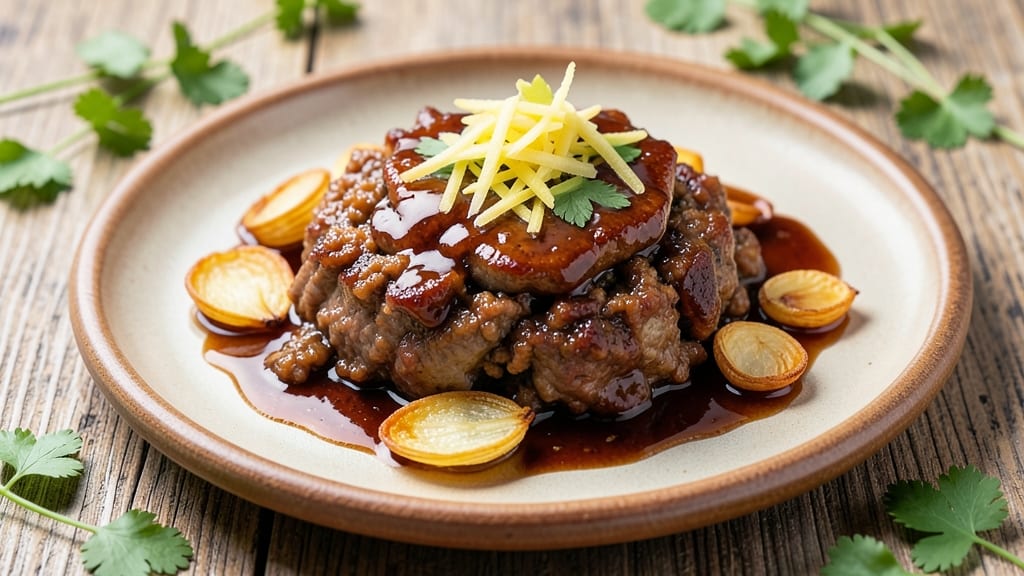
This minced pork soy sauce recipe delivers restaurant-quality stir-fry velouté with rich umami depth that transforms simple ingredients into something extraordinary. The secret lies in proper marinating and high-heat stir-frying techniques that create tender, flavorful pork with a glossy, aromatic sauce.
I developed this version after years of perfecting the balance between sweet, salty, and savory notes—each bite delivers that perfect harmony.
What sets this dish apart is the velouté-like sauce that coats every piece of pork, creating a luxurious mouthfeel while maintaining the essential wok hei (breath of the wok) aroma.
The process is straightforward: marinate the pork in a mix of soy sauce, cornstarch, and aromatics, then stir-fry until perfectly tender. This method ensures maximum flavor absorption without drying out the meat.
By the time you're done, you'll have a dish that's equally at home on weeknight dinner tables or special occasions—tender minced pork with a glossy, velvety sauce that clings beautifully. The sauce's depth comes from proper reduction and the right balance of soy sauce, sugar, and aromatics.
Serve with steamed jasmine rice or noodles to soak up every last drop of that flavorful sauce.
This recipe builds on traditional stir-fry techniques while offering modern flexibility—adjust the sauce sweetness to your preference or add fresh vegetables for extra texture. The result is a dish that's both comforting and sophisticated, proving that exceptional home cooking doesn't require complicated techniques. Let's create this flavorful masterpiece together.
Ingredients for minced pork soy sauce
Fifteen ingredients transform into restaurant-quality stir-fry velouté with velvety sauce and perfect umami balance.
| Ingredient | Amount | Notes |
|---|---|---|
| Ground Pork 🐖 | 1 ½ lb | Freshly ground, lean-to-fat ratio 80/20 |
| Soy Sauce 🍶 | ½ cup | Kikkoman preferred for authentic umami |
| Cornstarch 🌾 | 2 tbsp | For velouté texture and sauce binding |
| Brown Sugar 🍯 | 2 tbsp | Light or dark, packed measurement |
| Garlic Cloves 🧄 | 6 cloves | Minced for aromatic depth |
| Ginger Root 🌿 | 1 ½ tbsp | Freshly grated, not powdered |
| Sesame Oil 🫒 | 1 tbsp | Toasted, for nutty aroma |
| Vegetable Oil 🫒 | 2 tbsp | High smoke point for stir-frying |
| Green Onions 🧅 | 4 whole | Thinly sliced, white and green parts |
| Scallions 🧅 | 3 whole | Optional garnish, chopped finely |
| Salt 🧂 | ½ tsp | Diamond Crystal preferred |
| Black Pepper 🌶️ | ¼ tsp | Freshly cracked for heat |
| White Pepper 🌶️ | ¼ tsp | For subtle depth, optional |
| Jasmine Rice 🍚 | 2 cups | Uncooked, for serving |
| Water 💧 | 4 cups | For rice preparation |
The ground pork is critical—freshly ground ensures maximum tenderness and flavor absorption. Kroger or Costco carry excellent quality, but avoid pre-minced pork from the deli counter, which often contains fillers. For authentic umami, Kikkoman soy sauce is non-negotiable; its balance of salt and fermented depth is unmatched. The cornstarch isn't just for thickening—it creates that luxurious velouté texture by forming a delicate slurry when combined with cold water. Brown sugar adds caramelized sweetness during reduction, so use packed measurement to avoid clumping. Fresh ginger and garlic must be minced, not powdered—Penzeys sells pre-minced blends if you're short on time, but freshly grated delivers superior aroma.
No soy sauce? Coconut aminos in equal measure works for a lighter profile, though the umami will differ. Substitute brown sugar with honey or maple syrup, but reduce by 15% due to higher moisture content. Powdered ginger or garlic loses potency—toasted whole spices ground fresh are far superior. The sesame oil should be toasted, not the refined variety; La Tourangelle makes an excellent toasted sesame oil. For extra depth, add 1 tsp fish sauce (ensure it's gluten-free if needed), though this recipe already delivers robust umami without it. The vegetable oil must have a high smoke point—avocado or grapeseed oil are ideal for stir-frying.
Pork marinates best 30-60 minutes before cooking to maximize flavor penetration. Store prepped aromatics in airtight containers with damp paper towels to preserve freshness for up to 3 days. The cooked dish reheats beautifully—simmer with 1 tbsp water to restore sauce consistency. For meal prep, portion into glass containers with a thin layer of oil on top to prevent drying. Sauce freezes for 3 months when stored in ice cube trays—perfect for quick additions to future dishes. The jasmine rice should be steamed to perfectly tender grains to complement the velouté sauce without overpowering its delicate texture.
Why You'll Love This Recipe
- Pantry Magic: I swear by this one—just ground pork, soy sauce, and a few staples I always have. No fancy shopping trips, no last-minute ingredient hunts. The brown sugar caramelizes while you cook, adding depth without extra effort.
- Umami Bomb: That soy sauce isn’t just seasoning—it’s the star. The garlic cloves sizzle into oblivion, while the cornstarch gives it that perfect crispy-tender texture. One bite, and you’ll understand why this is my go-to for quick flavor.
- Leftover Hero: This stuff tastes better the next day. Toss it into rice, noodles, or even a quick stir-fry. Honestly, I make a double batch on Sundays just to have it ready—because reheating it is almost as good as the first time.
- Budget Win: Ground pork stretches farther than you’d think, and soy sauce? A little goes a long way. Brown sugar adds richness without breaking the bank, and garlic is practically free. It’s the kind of meal that fills your plate and your wallet.
Step-by-step instructions for minced pork soy sauce stir-fry
Master the velouté texture and umami balance in this professional stir-fry technique.
Prepare the Aromatic Base
Heat the 2 tablespoons vegetable oil in a wok or large skillet over medium-high heat until shimmering. Add the 6 cloves minced garlic and 1.5 tablespoons freshly grated ginger root, stirring constantly for 30 seconds until fragrant but not browned—this prevents bitterness and ensures pure aromatic depth.
Here's the thing—don't walk away. Garlic burns in seconds, and once it darkens, it releases bitter compounds that ruin the delicate balance we're building. The moment you smell that sweet, pungent aroma, you've hit the perfect window. Add the 1.5 pounds ground pork immediately after, breaking it apart with a wooden spoon or spatula to create even, small crumbles.
Develop the Sauce Foundation
Cook the pork for 5-6 minutes until it loses its raw color and begins to brown at the edges. This initial searing develops the Maillard reaction, creating complex flavors that form the backbone of our stir-fry. When the pork is about 80% cooked, add the 0.5 cup soy sauce and 2 tablespoons brown sugar, stirring to combine.
Let the mixture simmer for 2 minutes while you prepare the cornstarch slurry. In a small bowl, whisk together the 2 tablespoons cornstarch with 2 tablespoons water until completely dissolved—this creates our thickening agent. The reason we wait until now is that the cornstarch needs to be added when the sauce is actively cooking to properly gelatinize and create that signature velouté texture.
Thicken and Finish the Stir-Fry
Pour the cornstarch slurry into the wok in a slow, steady stream while stirring vigorously. The sauce will immediately begin to thicken—this is where your attention matters most. Continue cooking for 1-2 minutes until the sauce reaches a glossy, slightly translucent consistency that coats the back of a spoon. You're aiming for that perfect balance between thick enough to cling to the pork and thin enough to coat the rice beautifully.
Remove from heat and stir in the 1 tablespoon toasted sesame oil, 0.5 teaspoon salt, 0.25 teaspoon black pepper, and 0.25 teaspoon white pepper. The sesame oil adds that nutty aroma that elevates the dish from good to exceptional. Taste and adjust seasoning—this is your final quality check. The stir-fry should be perfectly balanced: salty from the soy, sweet from the brown sugar, with just a hint of peppery heat.
Prepare and Serve with Jasmine Rice
While the stir-fry rests, prepare the 2 cups jasmine rice according to package instructions using the 4 cups water. The rice should be perfectly cooked and fluffy—this is the ideal vehicle for our rich pork sauce. I like to spread the rice on a tray to cool slightly before serving, which prevents it from becoming mushy when combined with the warm stir-fry.
To serve, divide the rice among plates and top generously with the pork stir-fry. Garnish with thinly sliced 4 whole green onions and finely chopped 3 whole scallions for freshness and visual appeal. The contrast between the warm, umami-rich pork and the cool, crisp green onions creates a perfect balance of temperatures and textures that makes every bite satisfying.
Pro Tips For Making Minced Pork Soy Sauce
- CRACK THE GARLIC FIRST: Mince those cloves before heating the pan—raw garlic burns faster than you’d think when thrown in mid-cook. I used to toss them whole, and they’d turn bitter; now I keep a pre-minced stash in the fridge for this exact dish.
- STIR FAST, STOP LATE: Once you add the soy sauce and sugar, work the pork constantly for the first 30 seconds—this breaks down the meat faster. Then let it sit covered for 2 minutes off the heat. I learned this the hard way when my sauce turned gluey from over-stirring.
- SLURRY THE CORNSTARCH: Skip the dry sprinkle—mix cornstarch with 1 tablespoon cold water first to avoid clumping. A friend swore by this after her batch turned into a gummy mess; now I pre-mix it in a tiny bowl while the pork cooks.
- SWEAT THE PORK DRY: Don’t rush the initial sear—let the ground pork sit in the hot pan for 1 full minute before stirring. This crusts the edges, which locks in flavor instead of turning the dish into a mushy soy paste. (Yes, even if you’re impatient like me.)
Creative variations of these flavors
Spicy Sichuan Twist
Transform this classic stir-fry into a fiery Sichuan masterpiece by adding 1 tbsp chili bean paste (Lao Gan Ma) and 1 tsp Sichuan peppercorns toasted and ground to the marinade. The numbing-spicy kick from Sichuan peppercorns elevates the umami profile.
For extra heat, stir in 1 tbsp doubanjiang (fermented chili bean paste) when developing the sauce foundation. Garnish with crushed dried red chilies for visual drama and continued heat. 🌶️
Sweet and Tangy Fusion
Give your stir-fry a modern fusion twist by adding 1 tbsp rice vinegar and 1 tsp honey to the sauce during the final reduction. This creates a bright, tangy contrast that cuts through the richness.
For extra depth, stir in 1 tsp grated fresh ginger and 1 minced shallot with the aromatics. Serve over jasmine rice with a side of pickled vegetables for a restaurant-quality presentation.
Creamy Mushroom Velouté
For a luxurious twist, add 8 oz shiitake mushrooms finely sliced to the wok with the pork. After the pork is browned, deglaze with 2 tbsp dry sherry before adding the soy sauce. Stir in 1 tbsp heavy cream during the final thickening stage for a velvety texture.
Garnish with toasted sesame seeds and extra green onions for a sophisticated dish that feels like a fine dining experience.
Spicy Peanut Crunch
Create a crunchy, nutty variation by adding ¼ cup crushed peanuts and 1 tsp sriracha to the finished stir-fry. For extra texture, toast 2 tbsp peanuts in a dry pan until golden, then sprinkle over the top.
This variation works beautifully as a quick weeknight meal or as a flavorful appetizer served with rice paper rolls for a fresh, crunchy contrast.
Lemon-Garlic Brightness
Brighten up the dish with a zesty lemon-garlic twist. Add 1 tbsp fresh lemon juice and 2 minced garlic cloves to the sauce during the final reduction. Garnish with lemon zest and extra green onions for a refreshing finish.
This variation pairs perfectly with steamed bok choy or a simple cucumber salad for a balanced meal.
Slow-Cooked Braised Version
For a comforting twist, simmer the pork and sauce on low heat for 45-60 minutes until tender and deeply flavorful. Add 1 cup chicken broth to the sauce and finish with 1 tbsp hoisin sauce for extra depth.
Serve over steamed egg noodles or with mantou (steamed buns)** for a hearty, satisfying dish perfect for colder months.
Nutrition facts
Frequently asked questions
Can I substitute ground pork with another protein?
Yes! For a chicken version, use 1.5 lbs ground chicken thigh (darker meat stays juicier). For beef, try ground chuck—it's fattier and holds up well to stir-frying. Avoid lean ground turkey as it can dry out. The cooking time will be slightly shorter for chicken (4-5 minutes) and longer for beef (7-8 minutes).
Why does my sauce turn out too thick or too thin?
Sauce consistency depends on cornstarch ratio and cooking time. For thicker sauce, reduce water in the slurry to 1.5 tbsp. For thinner sauce, add 1 tbsp water while cooking. The key is stirring constantly during thickening—if it clumps, whisk in 1 tsp cold water to smooth it out. Pro tip: Use a 1:1 cornstarch-to-water ratio as your baseline.
How can I make this dish healthier?
Swap brown sugar for 1.5 tbsp honey (reduces calories by ~30) and use low-sodium soy sauce (cuts sodium by 50%). For extra protein, add 1 cup finely chopped bell peppers and ½ cup snap peas during the last 2 minutes of cooking. Serve over cauliflower rice instead of jasmine rice to cut carbs by 75%. The dish remains flavorful while being lighter.
Can I make this ahead of time?
Yes! Cook the stir-fry completely, then let it cool to room temperature. Store in an airtight container in the fridge for up to 4 days. Reheat gently in a skillet with 1 tbsp water to restore sauce consistency. For freezing, portion into single-serving containers—it reheats beautifully for 3 months. The sauce may thicken slightly when reheated, so add a splash of water if needed.
What's the best way to add vegetables to this recipe?
Add delicate veggies like bok choy, snap peas, or mushrooms in the last 2 minutes of cooking to preserve texture. Heartier veggies like bell peppers or carrots should go in with the pork. For extra flavor, toss chopped veggies with 1 tsp soy sauce and ½ tsp sesame oil before adding. Avoid overcrowding the pan—cook in batches if needed to maintain high heat.