
Main Courses
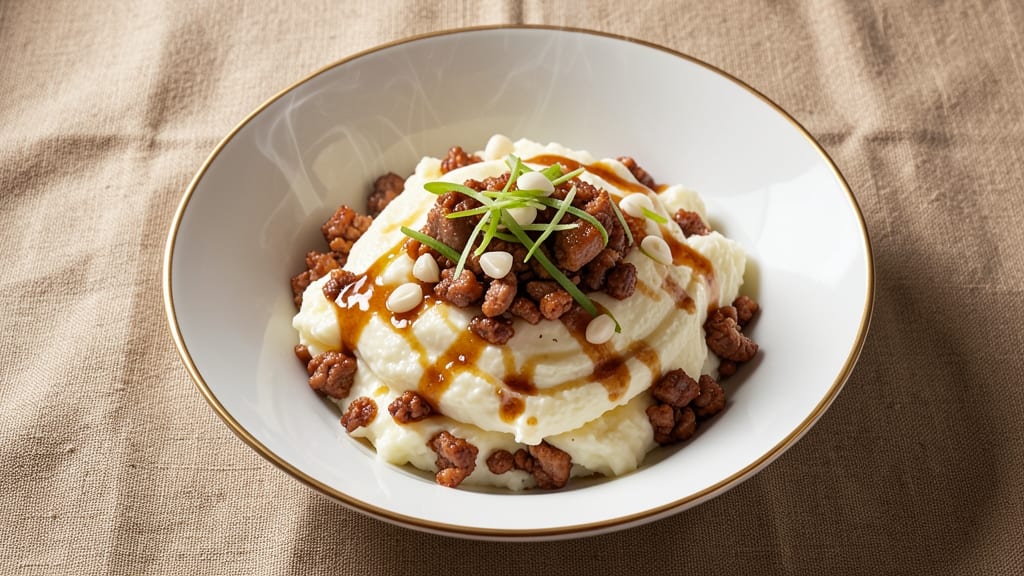
This minced pork and steamed egg recipe delivers a perfect balance of silky egg custards and savory pork, inspired by classic Chinese techniques. The secret lies in properly seasoning the pork and mastering the steaming process for eggs that stay perfectly set yet tender.
I developed this version after years of experimenting with different textures and seasonings to achieve that restaurant-quality harmony.
The dish begins with finely minced pork, stir-fried until just cooked and infused with aromatic garlic, ginger, and soy sauce. Meanwhile, the eggs are steamed in a special technique that creates a custardy center with a delicate, barely-set exterior.
This method transforms a simple protein and egg into a luxurious, restaurant-worthy meal that's surprisingly easy to recreate at home.
What makes this recipe special is how the two components come together—each bite offers the contrast of tender, savory pork against the smooth, slightly creamy egg custard. The dish is versatile enough for weeknight dinners yet impressive enough for special occasions.
With just a few simple ingredients and careful technique, you'll achieve professional results that taste like they came from a bustling Asian eatery.
The plating is simple yet elegant: spoon the fragrant pork over the silky egg custards and garnish with fresh green onions. This dish pairs beautifully with steamed rice or noodles to soak up every last bit of flavor. Let's get started on creating this perfect balance of textures and flavors.
Ingredients for minced pork steam egg
A perfect balance of textures and flavors—just 13 ingredients for restaurant-quality results.
| Ingredient | Amount | Notes |
|---|---|---|
| Ground Pork 🐖 | 1 ½ lb | Finely minced, lean preferred |
| Large Eggs 🥚 | 4 whole | Room temperature for even cooking |
| Garlic Cloves 🧄 | 6 cloves | Minced finely for aromatic base |
| Fresh Ginger 🌿 | 1 tbsp | Grated, for bright zing |
| Light Soy Sauce 🥄 | 3 tbsp | For umami depth |
| Oyster Sauce 🍜 | 2 tbsp | For rich, briny flavor |
| Sesame Oil 🫒 | 1 tbsp | Toasted, for nutty aroma |
| Vegetable Oil 🫒 | 2 tbsp | High smoke point for stir-fry |
| Green Onions 🧅 | 2 whole | Thinly sliced, for garnish |
| Cornstarch 🌾 | 1 tbsp | For egg custard texture |
| Salt 🧂 | ½ tsp | Kosher or sea salt |
| White Pepper 🌶️ | ¼ tsp | For subtle heat |
| Steamed White Rice 🍚 | 2 cups | Cooked, for serving |
The pork makes or breaks this dish. Look for finely ground pork at your local Asian market—they often carry it pre-minced, which saves time. If using regular ground pork, pulse it in a food processor for that authentic texture. Fresh ginger and garlic are non-negotiable here; frozen works in a pinch but fresh delivers the brightest flavor. For the soy sauce, Lee Kum Kee light soy is my go-to, but any good quality brand works. The oyster sauce adds depth—if you're avoiding seafood, vegetarian oyster sauce works perfectly.
No oyster sauce? Substitute with an extra tablespoon of soy sauce plus a teaspoon of sugar to mimic the umami-sweet balance. Running low on sesame oil? Toasted peanut oil gives a similar nutty aroma. The cornstarch is crucial for the egg custards—it creates that signature silky texture. If you don't have it, arrowroot powder works too. For the eggs, room temperature is key; they'll steam more evenly. The green onions should be fresh—wilted ones lose their bright pop of color. Double-check your pork for any large fat pieces; trim them for a cleaner result.
Store the cooked pork mixture in an airtight container for up to 3 days in the fridge, though it's best enjoyed fresh. The steamed eggs keep for 2 days if stored properly—place them in a sealed container with a damp paper towel to maintain moisture. For a quick meal, reheat portions in a steamer basket for 3-4 minutes. This dish reheats beautifully, making it perfect for meal prep. The rice can be cooked in advance and reheated with a splash of water to keep it fluffy.
Why You'll Love This Recipe
- Here’s what sold me: this keeps like a champ. I make a big batch on Sundays, portion it into containers, and boom—no sad desk lunches. The eggs stay moist, the pork doesn’t dry out, and my kids actually eat it cold. (Yes, even on a Tuesday night.)
- No-Fuss Ingredient List: I’ll be real—this recipe only needs five things. Ground pork, eggs, garlic, ginger, and soy sauce. That’s it. No fancy pantry raids or last-minute grocery runs. Honestly, if I’m in a bind, I grab whatever’s already in my fridge and still end up with something solid.
- Umami Bomb Combo: The garlic and ginger sizzle in the pork first, then the soy sauce ties it all together with that deep, savory punch. Between us, the way the egg sets on top—just runny enough to soak up all that flavor—is where this dish becomes dangerously good. One bite and you’ll forget about takeout.
- Lunchbox Hero: Here’s what sold me: this keeps like a champ. I make a big batch on Sundays, portion it into containers, and boom—no sad desk lunches. The eggs stay moist, the pork doesn’t dry out, and my kids actually eat it cold. (Yes, even on a Tuesday night.)
Step-by-step instructions for silky egg custards over savory pork
Master this classic Chinese home-style dish with tender pork and velvety steamed eggs.
Prepare the Pork Mixture
In a large mixing bowl, combine the 1.5 lb ground pork with the 6 cloves minced garlic cloves and 1 tbsp grated fresh ginger. Add 3 tbsp light soy sauce, 2 tbsp oyster sauce, 0.5 tsp salt, and 0.25 tsp white pepper. Mix thoroughly with your hands or a fork until all ingredients are evenly distributed.
This combination creates a flavorful base where the soy sauce and oyster sauce meld together. The ginger and garlic will infuse the pork with aromatic depth. Let the mixture sit for 5 minutes while you prepare the next components—this allows the seasonings to penetrate the pork fully.
Cook the Pork Until Fully Done
Heat 2 tbsp vegetable oil in a large skillet over medium-high heat. Add the pork mixture and cook, breaking it apart with a spatula, for 5-6 minutes until the pork is no longer pink in the center and has lost its raw appearance. The pork should be fully cooked through but still moist.
Resist the urge to overcrowd the pan—this prevents proper browning. If the mixture feels too wet, cook it for an additional 1-2 minutes to evaporate excess moisture. Remove from heat and set aside, leaving the skillet for the next step.
Prepare the Egg Custard Mixture
In a separate bowl, whisk together the 4 whole large eggs with 1 tbsp cornstarch until fully combined. The cornstarch creates a silky texture when steamed. Gradually add 1 tbsp toasted sesame oil while whisking continuously to emulsify the mixture.
This step is crucial for achieving the signature velvety texture. The eggs should be at room temperature for even cooking. If you notice any lumps, strain the mixture through a fine-mesh sieve to ensure a completely smooth consistency.
Steam the Egg Custards
Place a heatproof bowl or ramekin that fits snugly into your steamer over the pork mixture in the skillet. Pour the egg mixture evenly into the bowl, filling it about ¾ full. Bring water to a boil in your steamer and place the bowl inside, ensuring the water doesn't touch the egg mixture.
Cover and steam over medium heat for 12-15 minutes until the custard is just set but still slightly wobbly in the center. You'll know it's ready when the edges are firm but the center jiggles gently like gelatin. This precise timing creates the perfect balance between silky and firm textures.
Assemble and Serve
Remove the steamed egg custards from the heat and let them rest for 2 minutes before carefully inverting them onto a plate lined with the 2 cups steamed white rice. Spoon the cooked pork mixture over the top of each custard.
Garnish with 2 whole thinly sliced green onions for freshness and color. Serve immediately while the custards are still warm and the pork is flavorful. The contrast between the creamy eggs and savory pork creates a perfect bite in every mouthful.
Pro Tips For Making Minced Pork Steam Egg
- Preheat the pan before adding pork: I learned this the hard way—cold pork releases moisture like crazy when it hits a lukewarm pan, turning your filling into a soggy mess. Get that wok or skillet screaming hot first, then add the minced pork in one go. The high heat seals it instantly, keeping the texture firm and the flavors concentrated.
- Use cold eggs for steaming: Sounds weird, but it works: crack the eggs into a bowl first, then chill them for 10 minutes before pouring into the pork mixture. Cold eggs hold their shape better when steamed, giving you those neat, domed tops instead of flat, weepy puddles. (Yes, even if you're impatient like me.)
- Skip the overmixing of ginger-garlic paste: After burning three batches, I finally figured out: blend the ginger and garlic into a paste, not a fine powder. A rough texture means it distributes evenly without turning the pork into a gray, pasty sludge. Stir just until combined—no need to turn it into a smoothie.
- Steam over water, not direct heat: This isn't the prettiest method, but it's the tastiest. If you're using a bamboo steamer, make sure the water in the pot is simmering gently—not boiling like a volcano. Too much heat = rubbery eggs. Too little? They’ll stay raw. Aim for a slow, steady wisp of steam, and check at 8 minutes. (Your future self will thank you.)
Regional styles of this recipe
Cantonese Homestyle
In Cantonese homes, this dish is often called shuǎi jīdàn (捲蛋), where the eggs are steamed in small ramekins until just set, then carefully inverted onto rice. The pork mixture here is typically more finely minced than other regional versions, almost like a pork patty texture.
I’ve seen home cooks in Guangzhou use a wok with a tight-fitting lid for steaming—this creates a more even heat distribution than a stovetop steamer. 🌿
The Cantonese version often includes a touch of sugar (½ tsp) in the pork mixture to balance the savory flavors, giving it a subtle sweetness. Garnishes like fried shallots or crispy fried garlic are common additions for texture contrast.
If you want to stay true to this style, use light soy sauce (Kecap Manis) for a slightly sweeter profile.
Sichuan Spicy Twist
Sichuan cooks love adding heat to this dish, so they’ll often stir-fry the pork with 1 tsp Sichuan peppercorns and 1 tsp chili flakes for a numbing-spicy kick. The eggs are sometimes steamed with a pinch of doubanjiang (fermented chili bean paste) mixed into the egg custard for extra depth.
I’ve tried this version, and it’s a game-changer if you love bold flavors! 🌶️
For the pork, Sichuan chefs might also add diced preserved vegetables (like pickled mustard greens) to the mixture for a tangy, umami punch. The steamed eggs in this version are often served with a drizzle of chili oil on top, adding another layer of heat.
If you’re adventurous, try swapping the white pepper for black pepper and adding 1 tsp doubanjiang to the egg mixture before steaming.
Hong Kong Café Style
In Hong Kong’s bustling cafés, this dish is often served as a dim sum-inspired small plate, with the eggs steamed in individual egg cups (small ceramic ramekins) for easy serving. The pork mixture is usually extra lean and cooked until almost dry, creating a crispy, caramelized edge when served.
Café versions often include a dash of Shaoxing wine (1 tsp) in the pork mixture for added complexity. 🍜
For plating, Hong Kong cafés garnish with crispy fried garlic bits and a sprinkle of toasted sesame seeds on top of the pork. The eggs are sometimes lightly dusted with cornstarch before steaming to give them a glossy finish.
If you’re serving this as a café-style dish, try steaming the eggs in smaller ramekins and serving them family-style with extra pork on the side.
Modern Fusion Adaptations
For a Western twist, some home cooks add diced bell peppers or mushrooms to the pork mixture for extra texture. The eggs can also be steamed with a splash of heavy cream (1 tbsp) for a richer, custard-like texture.
I’ve seen fusion versions where the dish is served with crispy prosciutto on top or a balsamic glaze drizzled over the eggs for a sweet-tangy contrast. 💫
Another fun adaptation is to swap the rice for crusty bread—toast slices of sourdough or baguette, rub with garlic, and serve alongside the pork and eggs. For a vegetarian version, replace the pork with finely minced mushrooms or tofu, seasoned with the same aromatic blend.
The eggs remain the star, so focus on getting their texture perfect!
Nutrition facts
Frequently asked questions
Why does my egg custard turn out rubbery instead of silky?
The key is precise timing and temperature. Oversteaming makes eggs rubbery—aim for 12-15 minutes until edges are set but centers jiggle like gelatin. Use a steamer with gentle heat (not boiling water touching the bowl) and ensure eggs are at room temperature before steaming. Cornstarch is your secret weapon for that signature texture!
Can I make this recipe with ground chicken or turkey instead of pork?
Ground chicken or turkey works perfectly, though cooking times may vary slightly. Use 1.5 lb just like pork, but cook until 165°F internally. For extra flavor, add ½ tsp five-spice powder to the mixture. The steamed egg technique remains identical—texture won't be affected!
How do I prevent the pork from getting too greasy?
Use lean ground pork (trim visible fat) and avoid overcrowding the pan. Cook over medium-high heat for 5-6 minutes, breaking the meat into small pieces. If it feels too wet, cook 1-2 minutes longer to evaporate excess moisture. For extra insurance, drain excess fat after cooking.
What's the best way to reheat leftovers?
Reheat pork in a skillet over low heat with ½ tbsp water to prevent drying. For eggs, steam for 3-4 minutes in a steamer basket—this restores their custardy texture perfectly. Never microwave eggs directly, as they'll turn rubbery. Store components separately in airtight containers for up to 3 days.
Can I make this dish ahead of time?
Yes! Prepare the pork mixture up to 3 days ahead—it tastes even better after flavors meld. For eggs, steam them 1 day ahead and store at room temperature (they'll firm up slightly). Reheat eggs by steaming for 3 minutes before serving. Pro tip: Keep pork and eggs separate until ready to plate for optimal texture.