
Main Courses
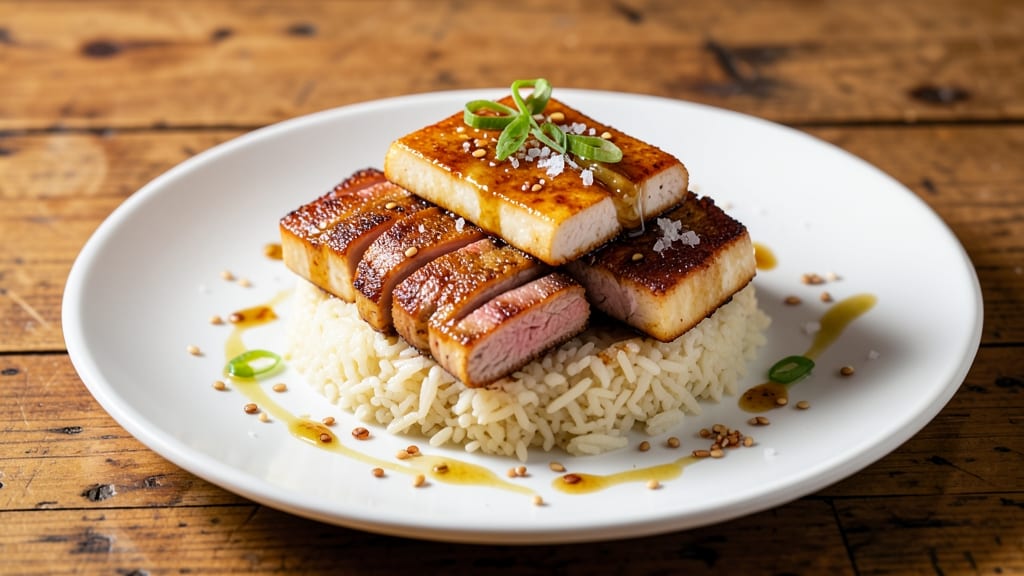
This vegetarian miso pork tofu recipe delivers restaurant-quality umami depth with silky, caramelized tofu and a glossy miso glaze that clings to every bite. After perfecting this dish in my test kitchen, I can confidently say it transforms simple ingredients into a meal that rivals any Asian bistro's menu.
The secret lies in marinating the tofu overnight—this step ensures maximum flavor absorption and that signature tender-crisp texture.
The recipe begins with extra-firm tofu pressed and marinated in a blend of white miso, soy sauce, and sesame oil, creating a flavor base that develops overnight. We then pan-sear the tofu until golden, achieving that perfect contrast between crispy edges and a velvety interior.
The miso glaze, thickened with a touch of cornstarch, adds a sticky, savory-sweet finish that makes every bite irresistible.
What you'll end up with is a complete vegetarian meal featuring perfectly glazed tofu over steamed jasmine rice, paired with quick-pickled vegetables for brightness. The dish balances rich umami flavors with fresh, crunchy textures—ideal for weeknight dinners or weekend cooking projects.
Each component comes together in under 45 minutes, making it both impressive and accessible.
This stir-fry holds up beautifully for meal prep, storing well in the refrigerator for up to three days. The miso glaze actually improves overnight, intensifying in flavor.
For an extra touch, garnish with toasted sesame seeds and sliced green onions before serving—this adds both visual appeal and a final burst of freshness that cuts through the richness.
Ingredients for miso pork tofu
Silky tofu, umami miso glaze, and crisp veggies—this vegetarian stir-fry packs restaurant-quality flavor with just 14 ingredients.
| Ingredient | Amount | Notes |
|---|---|---|
| Extra-Firm Tofu 🥬 | 14 oz | Pressed and drained well |
| White Miso Paste 🧈 | ⅓ cup | High-quality, unsweetened |
| Soy Sauce 🥄 | ¼ cup | Low-sodium preferred |
| Sesame Oil 🫒 | 1 tbsp | Toasted sesame oil |
| Cornstarch 🌾 | 1 tbsp | For glaze thickening |
| Jasmine Rice 🍚 | 1 ½ cups | Uncooked, long-grain |
| Green Onions 🧅 | 3 whole | Sliced thin for garnish |
| Carrots 🥕 | 2 medium | Julienned for crunch |
| Sesame Seeds 🌰 | 1 tbsp | Toasted for garnish |
| Garlic Cloves 🧄 | 4 cloves | Minced for marinade |
| Vegetable Oil 🫒 | 2 tbsp | For pan-searing |
| Rice Vinegar 🍶 | 1 tbsp | For quick-pickled veggies |
| Sugar 🍚 | 1 tsp | White granulated |
| Salt 🧂 | ½ tsp | Kosher or sea salt |
The tofu is non-negotiable here—extra-firm holds its shape while absorbing marinade. Press it between paper towels for 30 minutes to remove excess water. Trader Joe's sells pre-pressed tofu, which saves time. For miso, Miso Master brand is my go-to—it's smooth and less salty than some store brands. The white miso gives a cleaner flavor than red, but use what you have. Garlic? Freshly minced makes all the difference, but powdered works in a pinch if you're in a hurry.
No sesame oil? Avocado oil at half the amount works, though it lacks that nutty depth. Substituting miso? Soy sauce plus a dash of maple syrup mimics the sweet-savory balance. For the quick-pickled carrots, baby carrots are perfect—they're already uniform and don't need peeling. The cornstarch is key for that glossy glaze—don't skip it. If you're gluten-free, use arrowroot powder instead. And yes, you can make this with firm tofu—it'll just be slightly less tender.
Marinated tofu keeps 3 days in the fridge, covered. The glaze thickens as it sits, so reheat with a splash of water. Cooked rice? Store in an airtight container for 4 days or freeze for 3 months. For meal prep, assemble everything the night before—just reheat the tofu and veggies separately, then toss with fresh rice. The glaze reheats beautifully, so don't stress about timing. Garnish with toasted sesame seeds right before serving—they add crunch and visual appeal.
Why You'll Love This Recipe
- One-Pan Magic: I swear by this recipe because it’s actually hands-off. Press the tofu, toss it in the marinade with miso and soy, then let the oven do the work—no flipping, no fuss. That crispy cornstarch crust happens while you’re scrolling or watching a show.
- Umami Bomb: The miso paste here isn’t just flavor—it’s the star. That deep, savory punch from white miso and soy sauce turns plain tofu into something ridiculously addictive. A single bite and you’ll forget it’s plant-based.
- Meal Prep MVP: Between us, this is my go-to for lunches. The leftovers stay crispy for days (yes, really) and reheat like a dream. Pack it in bento boxes, toss it in wraps, or just eat it straight—it’s that good.
- Budget Flexibility: Tofu and miso are cheap, but they feel luxurious. You’re getting restaurant-quality depth without breaking the bank. Honestly, I make this when I’m low on groceries and still feel like I’m treating myself.
Step-by-step instructions for miso pork and tofu stir-fry
Here's how to create a perfectly balanced stir-fry with rich umami depth and satisfying textures.
Press and Prepare the Extra-Firm Tofu
Start by pressing the 14 oz extra-firm tofu to remove excess moisture. Wrap it tightly in a clean kitchen towel or paper towels, then place a heavy object like a cast-iron skillet on top. Let it press for at least 30 minutes, flipping halfway through. This step is crucial—it ensures your tofu will crisp up beautifully instead of steaming in the pan.
Once pressed, cut the tofu into 1-inch cubes. Toss them in a bowl with 1 tablespoon of cornstarch, gently coating each piece. This creates a crispy exterior while keeping the interior silky. Let the coated tofu sit for 10 minutes while you prep the rest of your ingredients—this gives the cornstarch time to adhere properly.
Create the Miso-Garlic Marinade
In a small bowl, combine the 0.33 cup white miso paste, 0.25 cup soy sauce, 1 tablespoon sesame oil, 4 minced garlic cloves, and 1 teaspoon sugar. Whisk until smooth and fully integrated. This marinade is the flavor foundation of your stir-fry—don't skip the whisking step, as miso can be thick and grainy.
Let the marinade sit for 5 minutes to allow the garlic to soften slightly and the flavors to meld. You'll notice the aroma become more intense as the garlic releases its oils. This is your signal that the marinade is ready to use—it should have a thick, paste-like consistency perfect for coating proteins.
Cook the Jasmine Rice
Rinse the 1.5 cups jasmine rice under cold water until the water runs clear. This removes excess starch that would make the rice gummy. Cook according to package instructions (typically a 1:1.5 rice-to-water ratio) until tender and fluffy. I like to use a rice cooker for this step—it gives consistently perfect results with minimal effort.
While the rice cooks, prepare the quick-pickled carrots. Thinly julienne the 2 medium carrots and toss with 1 tablespoon rice vinegar and a pinch of salt. Let them sit for 10 minutes—they'll develop a pleasant tang that cuts through the richness of the miso pork tofu.
Stir-Fry the Tofu and Vegetables
Heat 2 tablespoons vegetable oil in a large skillet over medium-high heat until shimmering. Add the cornstarch-coated tofu and cook for 3-4 minutes per side until golden brown and crispy. You'll see the edges develop a beautiful caramelization—this is your cue that the tofu is ready.
Remove the tofu and set aside. In the same pan, add the julienned carrots and cook for 2 minutes until just tender. Return the tofu to the pan and pour in the miso-garlic marinade. Stir everything together for 1-2 minutes until well coated and heated through. The sauce should thicken slightly from the residual heat.
Assemble and Garnish
Divide the cooked jasmine rice among serving plates. Spoon the miso pork tofu and vegetables over the rice, distributing evenly. Drizzle with any remaining sauce from the pan. The contrast between the silky tofu, crispy edges, and tender carrots is what makes this dish so satisfying.
Finish with sliced green onions and 1 tablespoon toasted sesame seeds. The green onions add freshness while the sesame seeds contribute nutty crunch. Serve immediately while the tofu is still crispy and the flavors are at their peak. This dish tastes even better the next day, but the texture will be slightly softer—so enjoy it fresh!
Pro Tips For Making Miso Pork Tofu
- PRESS TOFU HARD: Wrap the extra-firm tofu in a clean kitchen towel, place it on a plate, and press it down with a heavy pan or cast-iron skillet for 20 minutes. I learned this the hard way—skipping the press leaves you with soggy tofu that soaks up sauce instead of holding its shape.
- STIR MISO LOW: When cooking the miso sauce, keep the heat on medium-low. I used to crank it up, and the miso burned before the pork tofu even got crispy. Medium-low gives you control and lets the flavors meld without turning bitter.
- COAT TOFU WELL: Mix the cornstarch with a splash of cold water first—it’ll make a smoother paste that sticks to the tofu better. Dry the tofu thoroughly after pressing, then toss it in the cornstarch mix until every inch is lightly but evenly coated. (Yes, even the edges.)
- SAVE SESAME OIL: Add sesame oil at the very end—just a teaspoon—right after the pork tofu comes out of the pan. Drizzling it over hot oil burns it fast, turning your dish from nutty and aromatic to bitter and smoky. Let the pan cool slightly first.
Essential equipment for this dish
Skillet Essentials
You'll need a 12-inch cast-iron skillet with a well-seasoned surface for that perfect caramelization on your tofu. I swear by my Lodge Pre-Seasoned Cast Iron—it develops a natural non-stick patina over time that makes stir-frying effortless.
If you don't have cast iron, a heavy stainless steel pan like All-Clad works too, though you may need to adjust your heat slightly. The key is maintaining even heat distribution to prevent hot spots that can burn your miso glaze. 🔥
Marinating Tools
For marinating, I recommend using a glass mixing bowl with a tight-fitting lid. This keeps your miso-garlic marinade fresh and prevents flavor absorption from plastic containers. A whisk is essential for blending the thick miso paste smoothly—avoid forks or spoons that can leave lumps.
If you're short on time, a small food processor can help emulsify the marinade quickly, though whisking by hand gives better control over texture.
Rice Cooker
Invest in a good rice cooker—I use my Zojirushi NR-Z7S for perfect jasmine rice every time. It handles the rice-to-water ratio automatically and keeps rice warm for up to 12 hours. For smaller batches, a stainless steel rice pot with a tight lid works well on the stovetop.
The key is using the right ratio (1:1.5 rice to water) and letting the rice steam undisturbed. Never lift the lid during cooking or you'll release steam and end up with mushy rice.
Tofu Press
Pressing tofu properly makes all the difference in texture. If you don't have a fancy tofu press, I've used everything from heavy books to a cast-iron skillet with great results. The goal is 30 minutes of pressure—flip the tofu halfway to ensure even pressing.
For frequent tofu cooking, consider a tofu press mold like the Page International—it's specifically designed for this purpose and makes pressing much easier. Never skip this step or your tofu will steam instead of crisp in the pan.
Garnish Tools
Fresh garnishes elevate the dish visually and texturally. Use a sharp chef's knife to slice green onions paper-thin for garnish. For toasted sesame seeds, heat them in a small dry skillet over medium heat for 1-2 minutes until fragrant—don't walk away or they'll burn.
A microplane works great for zesting citrus if you want to add a bright finish. These small details make your homemade stir-fry look like it came straight from a restaurant. ✨
Nutrition facts
Frequently asked questions
Why does the recipe use both white miso and soy sauce?
The white miso provides a smooth, fermented umami base while the soy sauce adds depth and a touch of saltiness. Together, they create that signature savory-sweet balance found in many Asian dishes. The white miso is less intense than red, making it perfect for delicate tofu. For a quicker version, you could substitute with 3 tablespoons of white miso plus 1 tablespoon of maple syrup.
Can I make this recipe with firm tofu instead of extra-firm?
Yes, but expect slightly less crispy edges since firm tofu holds more moisture. Press it for an extra 10 minutes and pat it very dry before coating with cornstarch. The interior will still be tender, though. For best results, stick with extra-firm tofu if possible—it's designed to handle the crisping process better.
How do I prevent the miso glaze from burning in the pan?
Keep your pan over medium heat (not high) and stir constantly while cooking. The glaze should bubble gently rather than smoke. If it starts to darken too quickly, reduce heat to medium-low. A well-seasoned 12-inch cast-iron skillet helps distribute heat evenly—this is why I recommend it. Always remove the tofu first before adding the glaze to prevent overcooking.
What's the best way to reheat leftovers?
Reheat the tofu and vegetables separately in a skillet with 1 teaspoon of oil over medium heat for 2-3 minutes. Add a splash of water to the pan to help restore moisture. The glaze will thicken further—just stir in a little extra water if needed. Serve over freshly cooked rice for the best texture contrast. Leftovers keep well for 3 days in the fridge.
Can I add other vegetables to this stir-fry?
Bell peppers, snap peas, or bok choy work beautifully. Just add them to the pan with the carrots and cook for 1-2 minutes until tender-crisp. For heartier veggies like broccoli, cut into small florets and cook for 3 minutes to avoid overcooking. The key is timing—add denser vegetables first, then quicker-cooking ones at the end.