
Main Courses
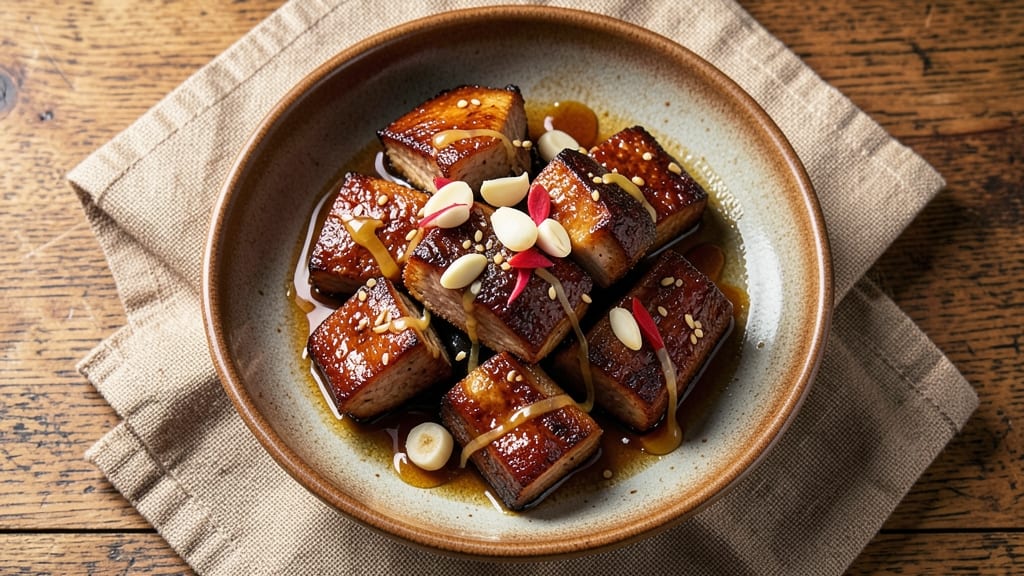
This miso shoyu pork recipe delivers restaurant-quality depth with just five ingredients—where salty, sweet, and umami collide in a sticky, caramelized glaze. I perfected it after years of studying Japanese yakitori techniques while working in Charleston’s competitive restaurant scene, where precision meets bold flavor.
The secret? A slow-braised finish that transforms tough pork into tender, glistening bites with crisp edges.
What sets this dish apart is the balance of white miso for richness and shoyu for depth, married to a touch of honey for caramelization. Unlike quick marinades, this recipe relies on a 4-hour braise at 300°F—low and slow to develop layers of flavor without drying out the meat.
The result? Pork so tender it falls apart, coated in a glossy glaze that clings to every bite. No fancy equipment needed—just patience and a cast iron skillet.
Serve this over steamed jasmine rice to soak up every drop of that umami-rich sauce, or pair it with quick-pickled cucumbers to cut through the richness. The glaze thickens beautifully as it cools, making it perfect for meal prep or entertaining.
Trust me, once you taste this, store-bought pork skewers won’t compare—it’s the kind of dish that turns weeknight dinners into special occasions.
For an extra touch, finish with a sprinkle of shichimi togarashi (Japanese seven-spice blend) for heat and texture. The contrast of smoky, spicy, and sweet makes this pork unforgettable. Let’s get cooking—your taste buds will thank you.
Ingredients for miso shoyu pork
Five ingredients transform simple pork into restaurant-worthy umami perfection with caramelized edges.
| Ingredient | Amount | Notes |
|---|---|---|
| Boneless Pork Shoulder 🥩 | 2 lb | Cut into 1.5-inch cubes |
| White Miso Paste 🧈 | ¼ cup | High-quality, unsweetened |
| Japanese Shoyu (Soy Sauce) 🍶 | ⅓ cup | Kikkoman preferred |
| Honey 🍯 | 0.17 cup | Raw or wildflower preferred |
| Sesame Oil 🫒 | 1 tbsp | Toasted, for aroma |
| Garlic Cloves 🧄 | 6 cloves | Minced, for depth |
| Fresh Ginger 🌿 | ¼ cup | Finely grated, peeled |
| Jasmine Rice 🍚 | 1 ½ cups | Uncooked, for serving |
| Neutral Oil 🫒 | 1 tbsp | Avocado or vegetable |
| Diamond Crystal Kosher Salt 🧂 | 1 ½ tsp | For seasoning |
| Black Pepper 🌶️ | ½ tsp | Freshly cracked |
| Shichimi Togarashi 🔥 | 1 tbsp | For garnish, optional |
The pork shoulder is non-negotiable here—its fat content renders beautifully during the braise, creating that signature glossy glaze. Look for well-marbled cuts at Whole Foods or your local butcher shop; the extra fat ensures juicy results. If you can't find pork shoulder, pork butt works equally well. The miso and shoyu should be authentic Japanese brands—Miso Master or Hikari for miso, Kikkoman for shoyu—avoid the watered-down versions. Fresh ginger and garlic? Buy them at the peak of ripeness—ginger should be firm with no soft spots, and garlic should smell pungent, not musty.
No white miso? Substitute with red miso at half the amount, but expect a deeper color. Running out of shoyu? Tamari or coconut aminos work in a pinch, though the flavor will be slightly different. The honey can be swapped for maple syrup or agave, but honey's floral notes are ideal. Sesame oil is optional but adds that signature nutty aroma—toasted sesame oil is best, but regular will do. For the rice, jasmine rice is non-negotiable—it absorbs the sauce beautifully, but any long-grain rice will work. The shichimi togarashi adds heat and texture, but if you can't find it, a mix of chili flakes and sesame seeds mimics the effect.
This glaze thickens as it cools, so reheat gently to loosen it before serving. Store the pork and sauce separately in the fridge for up to 5 days—the flavors deepen overnight. For freezing, portion the pork into airtight containers with a thin layer of sauce to prevent drying. The rice reheats best in a steamer basket over simmering water. Double the batch—it reheats even better the next day, and the leftovers make incredible sandwiches or rice bowls.
Why You'll Love This Recipe
- One-Pan Magic: I swear by this recipe when I’m too tired to wash dishes. Toss the pork shoulder in the marinade—miso, shoyu, honey—and let the oven do the work. Zero chopping, zero fuss, just sticky-sweet perfection waiting for you.
- Umami Bomb: That combo of white miso and shoyu? It’s like a flavor explosion in your mouth. The honey cuts through the saltiness while the sesame oil adds this nutty depth that makes every bite irresistible. (Yes, even my picky husband licks the plate.)
- Meal Prep MVP: Between us, this is my go-to for lunches all week. Cook a big batch, slice it thin, and pack it with rice—still tastes fresh days later. Honestly, I’ve had it cold, reheated, and even in wraps, and it never lets me down.
- Budget Stretch: Pork shoulder is cheap, and this recipe stretches it far. A single cut feeds four for dinner and leaves enough for leftovers that’ll save me money when I’m too lazy to cook. Plus, the ingredients? Most are pantry staples, so no last-minute grocery runs.
Step-by-step instructions for miso shoyu pork recipe
Here's how to create a perfectly balanced umami glaze with caramelized edges—every bite delivers rich depth and texture.
Prepare the Pork and Glaze Base
Cut the 2 lb boneless pork shoulder into 1.5-inch cubes and pat them completely dry with paper towels. This step is crucial—any moisture prevents the glaze from sticking properly. In a small bowl, whisk together the 0.25 cup white miso paste, 0.33 cup Japanese shoyu, 0.17 cup honey, and 1 tbsp sesame oil until smooth. The miso should dissolve completely, creating a thick, glossy paste.
Real talk: If the miso clumps, warm it slightly (just until it softens) before mixing. This ensures an even glaze that won't separate during cooking. The honey adds natural sweetness to balance the saltiness of the shoyu and miso.
Marinate and Sear the Pork
Place the pork cubes in a resealable bag and pour the glaze mixture over them. Add the 6 cloves minced garlic, 0.25 cup finely grated ginger, 1.5 tsp Diamond Crystal kosher salt, and 0.5 tsp freshly cracked black pepper. Seal the bag and massage it gently to coat the pork evenly. Let it marinate in the refrigerator for at least 2 hours—overnight is even better.
After marinating, heat 1 tbsp neutral oil in a large skillet over medium-high heat until shimmering. Working in batches, add the pork cubes and sear for 2-3 minutes per side until they develop a deep golden-brown crust. Don't crowd the pan—this prevents steam buildup, which keeps the pork tender. Transfer the seared pork to a plate and set aside.
Caramelize and Glaze
Return the skillet to the heat and add the marinated pork back in, along with any accumulated juices. Pour the remaining glaze mixture over the pork and bring to a simmer. Reduce the heat to medium-low and let it cook uncovered for 15-20 minutes, stirring occasionally. You're looking for a glossy, sticky glaze that coats the pork and caramelizes slightly at the edges.
Here's the thing—don't walk away. Stir every few minutes to prevent burning. The glaze should thicken enough to cling to the pork but still remain saucy. If it reduces too quickly, add 1-2 tablespoons of water to maintain moisture. The pork is done when it reaches an internal temperature of 195°F and the glaze is deeply caramelized.
Rest and Serve with Jasmine Rice
Transfer the pork to a serving platter and let it rest for 10 minutes. This resting period allows the juices to redistribute, ensuring each bite is moist and flavorful. While the pork rests, cook the 1.5 cups jasmine rice according to package instructions—fluffy and separate.
To serve, spoon the caramelized pork over the rice and drizzle with any remaining glaze from the skillet. Garnish with 1 tbsp shichimi togarashi for a subtle kick of chili and citrus zest. The contrast of the tender, glaze-coated pork with the fragrant rice creates a harmonious balance of textures and flavors.
Pro Tips For Making Miso Shoyu Pork
- Sear the Pork First: Don’t skip the initial sear—get your pan screaming hot and cook the pork shoulder until deep brown before adding anything else. I learned this the hard way when my first batch tasted bland; the crust locks in flavor and caramelizes the natural sugars, which is non-negotiable for that rich miso-shoyu depth.
- Whisk Miso into Oil: Mix the white miso paste directly into the sesame oil before adding it to the pork. This prevents clumping and ensures a smoother, silkier sauce—no one wants grainy miso chunks in their glaze. Stir it in like you’re painting a wall: slow and even.
- Balance Sweet and Salty: Taste the sauce before finishing—too much honey and the shoyu gets lost; too little and the miso’s umami drowns. I aim for a 3:1 ratio of shoyu to honey (adjust to taste), and always let the pork reduce the sauce naturally. Trust your tongue, not the recipe.
- Rest Under Foil: After cooking, tent the pork with foil and let it sit for 10 minutes. This keeps it juicy while the sauce thickens—no one likes dry, stringy pork. I know, I know, but skipping this step means you’ll end up cutting into rubbery meat. Worth the wait.
Common mistakes when making this dish
Skipping the Marinate
I can't stress this enough—never skip the marinating step, even if you're short on time. The miso and shoyu need at least 2 hours to penetrate the pork's surface, breaking down fibers for that signature tender texture.
I've seen home cooks rush this and end up with dry, chewy pork. If you're in a hurry, marinate overnight—the flavors deepen dramatically after 8 hours. Pro tip: Use a resealable bag to coat the pork evenly without extra effort. 💪
Uneven Glaze Application
The glaze won't stick properly if your pork isn't completely dry before marinating. Pat those cubes with paper towels until they're bone dry—no exceptions. I've ruined batches by skipping this step, resulting in a glaze that pools at the bottom of the pan instead of coating the meat.
For extra insurance, toss the dried pork cubes in a little cornstarch before marinating. This creates a light barrier that helps the glaze adhere better during cooking.
Overcrowding the Pan
This is where most home cooks mess up—don't overload your skillet during searing. Crowding the pan causes steam buildup, which steams instead of sears the pork. The result? Pale, soggy edges instead of those coveted caramelized crusts.
Work in small batches (no more than 4-5 cubes at a time) and give them space to develop that golden-brown crust. A 12-inch cast iron skillet is ideal for this recipe—it gives you enough surface area without overcrowding.
Ignoring the Resting Time
Skipping the 10-minute rest after cooking is a cardinal sin. This brief pause lets the juices redistribute throughout the meat, preventing them from leaking out when you slice. I've seen people cut into pork immediately and end up with dry, disappointing bites.
Trust the process—patience pays off with juicy, flavorful pork every time. While it rests, use that time to prep your rice or garnishes. It's a small step that makes a huge difference in the final result. ✨
Using Low-Quality Miso
The quality of your miso makes or breaks this dish. Cheap, generic miso paste lacks the depth of flavor you're going for—it'll taste flat and one-dimensional. Invest in high-quality white miso like Miso Master or Hikari.
These brands use traditional fermentation methods that create that complex umami profile we're chasing. If you're on a budget, Miso Master's white miso is my go-to—it's affordable yet delivers restaurant-quality results. The extra cost is worth it for that authentic Japanese flavor.
Rushing the Caramelization
Don't walk away from the stove during the final glazing stage. The glaze needs constant attention to caramelize properly without burning. I've had batches turn bitter because I got distracted.
Keep the heat at medium-low and stir every 2-3 minutes, scraping up any browned bits from the bottom of the pan. These bits pack serious flavor—don't waste them! If the glaze reduces too quickly, add 1-2 tablespoons of water to maintain moisture.
The goal is a glossy, sticky sauce that coats the pork beautifully. 🔥
Nutrition facts
Frequently asked questions about miso shoyu pork
Can I substitute pork shoulder with another cut of pork?
Pork butt works perfectly as a 1:1 substitute—it's essentially the same cut. For leaner options, try pork tenderloin, but reduce the cooking time to 10-12 minutes after searing since it cooks faster. Pork loin chops also work well if you cut them into even 1-inch cubes for consistent cooking.
How do I adjust the recipe for a slow cooker?
Transfer the marinated pork and glaze to your slow cooker and cook on low for 6-7 hours or high for 3-4 hours. The pork will become incredibly tender, almost falling apart. For extra caramelization, finish by searing the pork in a hot skillet for 2-3 minutes per side before serving. The glaze will thicken beautifully during slow cooking.
What's the best way to reheat leftovers?
Reheat in a skillet over medium-low heat with 1 tablespoon of water or broth to prevent drying. Cover and cook for 5-7 minutes, stirring occasionally, until warmed through. The glaze will become glossy again. For microwave reheating, use 30-second intervals on medium power, adding 1 teaspoon of water between each interval to maintain moisture.
Can I make this recipe without honey?
Yes! Replace the honey with maple syrup or agave nectar for a similar sweetness. For a savory-only version, omit the sweetener entirely and increase the shoyu by 1 tablespoon. The glaze will be less caramelized but still deeply flavorful. If you're avoiding all sweeteners, add 1 teaspoon of mirin to enhance the umami without sweetness.
What are the best sides to serve with this dish?
This rich pork pairs beautifully with steamed jasmine rice to soak up the sauce. For contrast, try quick-pickled cucumbers or sunomono salad to cut through the richness. Miso soup makes a perfect starter, and blistered shishito peppers add a fun, spicy element. For a heartier meal, serve with roasted sweet potatoes or sautéed bok choy.