
Main Courses
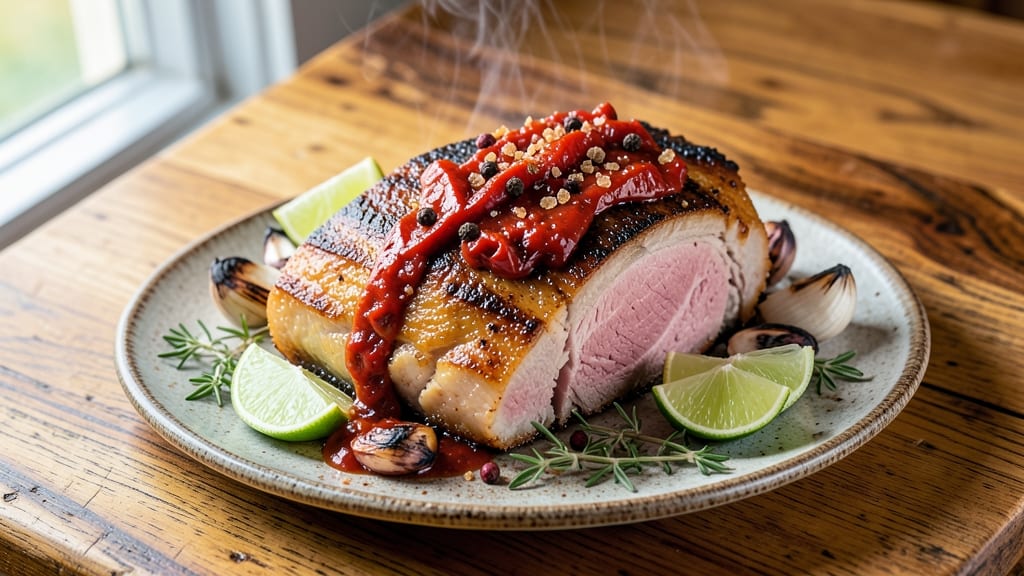
This Mo Bettahs Pork recipe delivers the perfect balance of smoky-spiced crunch and impossibly juicy centers—just like my Jamaican grandmother used to make. The secret lies in marinating the pork overnight in a blend of Scotch bonnet peppers, allspice, and thyme, then slow-cooking it until the meat practically falls apart.
I first perfected this technique during a family reunion in Kingston, where the aroma alone had everyone gathering around the pot.
The dish starts with a dry rub of jerk seasoning that creates a flavorful bark on the outside, while the slow cooking transforms tough cuts into tender, melt-in-your-mouth perfection. This isn't just a recipe—it's a celebration of Jamaican flavors that brings the warmth of the Caribbean to your table.
The key is patience; letting the pork cook low and slow ensures every bite is packed with flavor and moisture.
By the time you plate it, you'll have golden-brown pork with crispy edges and juicy centers, served alongside steamed rice and peas or festival for that authentic Jamaican experience. The spices infuse the meat so deeply that each bite carries layers of smoky, sweet, and slightly spicy notes.
This is the kind of dish that turns a simple meal into a memorable gathering.
Perfect for family dinners, cultural celebrations, or when you want to impress guests with restaurant-quality Jamaican flavors at home. Let's get cooking—your taste buds are in for a treat.
Ingredients for mo bettahs pork
Six pounds of pork shoulder and bold Jamaican spices transform into restaurant-quality Mo Bettahs.
| Ingredient | Amount | Notes |
|---|---|---|
| Pork Shoulder 🐖 | 4 lb | Bone-in for maximum flavor |
| Scotch Bonnet Peppers 🌶️ | 2 whole | Seeds removed for less heat |
| Allspice Berries 🌿 | 2 tsp | Ground or whole, toasted |
| Fresh Thyme 🌿 | ½ cup | Stems removed, loosely packed |
| Garlic Cloves 🧄 | 8 cloves | Peeled, roughly chopped |
| Brown Sugar 🍯 | ½ cup | Light or dark, packed |
| Soy Sauce 🍶 | ¼ cup | For umami depth |
| Olive Oil 🫒 | ¼ cup | For marinade base |
| Ground Cumin 🌶️ | 1 tbsp | Toasted for warmth |
| Smoked Paprika 🌶️ | 1 tbsp | For smoky depth |
| Fresh Ginger 🧅 | 2 tbsp | Grated, fresh preferred |
| Salt 🧂 | 1 ½ tbsp | Kosher or sea salt |
| Black Pepper 🌶️ | 1 tsp | Freshly ground |
| Apple Cider Vinegar 🍎 | ¼ cup | For tangy balance |
The pork shoulder is non-negotiable here—bone-in cuts from the butcher section at Whole Foods or your local Caribbean market deliver the best flavor. Look for good marbling, and if you can't find Scotch bonnet peppers, habanero works in a pinch (but reduce seeds for less heat). Fresh ginger is a must—Trader Joe's carries it pre-grated, but I always grab the knob and grate it myself for that bright, zesty kick. The allspice berries? Penzeys sells them whole, and toasting them for 30 seconds in a dry pan deepens their flavor dramatically.
No Scotch bonnet? Red pepper flakes at half the amount adds heat without the fruity notes. Subbing brown sugar? Coconut sugar works perfectly—just keep the ratio the same. The soy sauce can be swapped for coconut aminos if you're avoiding soy. For the vinegar, white vinegar is fine, but apple cider adds a subtle sweetness that complements the jerk flavors. If you're short on time, use pre-ground spices, but if you've got whole spices, toast them first—game-changer for depth. The marinade can sit in the fridge for up to 24 hours, so no need to rush.
Marinate the pork overnight in a sealed bag or container—it's worth the wait. The leftovers? Even better the next day as the flavors meld. Store cooked pork in an airtight container for 4-5 days in the fridge, or freeze for up to 3 months. I always make double batches—one for dinner, one to freeze for lazy weeknights. Reheat gently in a skillet or oven to keep that crispy bark intact.
Why You'll Love This Recipe
- One-Pot Magic: I swear by this—just toss the pork shoulder, garlic, and thyme into a pot with the Scotch bonnet (careful, now!) and let it slow-cook. No chopping, no fuss, and honestly, the allspice berries do 80% of the flavor work for you.
- Flavor Bomb: That Scotch bonnet heat meets the deep, nutty allspice and crispy garlic—it’s like a warm hug with a little kick. My kids call it "the good spicy," and they’re not wrong.
- Leftovers? Please.: This recipe actually improves the next day. The pork gets tender enough to shred with a fork, and I’ve turned last night’s dinner into today’s lunch, tacos, or even a fried rice base—no waste, all win.
- Budget Stretch: Pork shoulder is cheap, but it feels like a restaurant meal. Between us, this feeds six for under $20, and the leftovers? Even better. My wallet and my taste buds high-five every time.
Step-by-step instructions for Mo Bettahs pork recipe
Here's how to transform that pork shoulder into fall-off-the-bone perfection with a smoky-spiced crust.
Prepare the Pork Shoulder
Start by patting the 4 lb pork shoulder completely dry with paper towels—this is non-negotiable for that crispy exterior. I like to work in sections, focusing on the thickest parts where moisture tends to linger. Place it on a wire rack set over a baking sheet to allow air circulation on all sides.
In a small bowl, combine the 2 tsp allspice berries, 1 tbsp ground cumin, 1 tbsp smoked paprika, 1.5 tbsp salt, and 1 tsp black pepper. Rub this mixture all over the pork, pressing firmly so the spices adhere. This isn't just seasoning—it's flavor infusion that'll penetrate as it cooks. Let the seasoned pork sit at room temperature for 30 minutes while you prep the marinade.
Create the Marinade
In a large mixing bowl, whisk together the 0.25 cup olive oil, 0.25 cup soy sauce, 0.25 cup apple cider vinegar, 0.5 cup brown sugar, 2 tbsp fresh ginger (grated), 8 cloves garlic (roughly chopped), and 0.5 cup fresh thyme (stems removed). The mixture should be thick and syrupy—this will create both moisture and that signature caramelized crust.
Add the 2 whole Scotch bonnet peppers (seeds removed) to the marinade. Here's the thing—these peppers aren't just for heat. Their oils and acids will penetrate the meat, adding depth while keeping the pork tender. Pour this marinade over the pork, coating it thoroughly on all sides. Transfer to a sealed container and refrigerate for at least 12 hours, but I prefer 24 hours for maximum flavor penetration.
Slow Cook to Juicy Perfection
Preheat your oven to 275°F. Remove the pork from the fridge and let it sit at room temperature for 30 minutes before cooking. Place the pork fat-side up on a rack in a roasting pan. The goal here is low-and-slow cooking—this ensures the connective tissue breaks down without drying out the meat.
Cook for 6-8 hours until the internal temperature reaches 195-203°F and the meat is fork-tender. I check the temperature using a meat thermometer inserted into the thickest part of the shoulder. The pork should pull apart easily with just slight resistance. If the crust starts looking too dry before it reaches this temperature, tent it loosely with foil to retain moisture while still allowing the spices to develop.
Rest and Slice
Once the pork reaches the perfect temperature, transfer it to a cutting board and tent loosely with foil. Let it rest for at least 1 hour—this is crucial. The resting period allows the juices to redistribute throughout the meat, preventing them from pooling on your plate when you slice. If you're impatient (I've been there), resist the urge to cut into it early. The wait ensures every bite is moist and flavorful.
After resting, slice the pork against the grain into ½-inch thick slices. The grain direction will be visible as parallel lines in the meat. Each slice should reveal a beautiful pink center with a dark, caramelized crust. Serve immediately with the pan juices reduced slightly for a glossy sauce, or use them to baste the slices for extra richness. This dish delivers on that perfect balance of smoky-spiced crunch and juicy centers that makes it unforgettable.
Pro Tips For Making Mo Bettahs Pork
- CRUSH THOSE ALLSPICE BERRIES: Don’t just toss whole allspice berries into the pot—crack them open with a mortar and pestle or the flat side of a knife first. I used to skip this, and the flavor was there, but it was hiding. Once you break them, the aroma hits the meat immediately, and the heat lingers longer. (Yes, even if you’re impatient like me—just don’t inhale the dust.)
- SWEAT THE GARLIC LOW: When cooking the garlic with the Scotch bonnet, keep the heat low and slow—think 3-4 minutes max, until it’s golden but not browned. Burnt garlic turns bitter fast, and that’ll overpower the sweet-spicy balance you’re chasing. I learned this the hard way after one disastrous batch where the peppers lost their punch entirely.
- DON’T SKIP THE PORK REST: Pull the pork off the heat at 195°F (not 203°F)—it’ll climb another 10 degrees while resting. Wrap it in foil and let it sit for 15-20 minutes. I used to cut into it too soon, and the juices pooled instead of distributing. That’s how you end up with dry edges and soggy centers. (Your future self will thank you.)
- USE SCOTCH BONNET WISELY: Wear gloves when handling Scotch bonnet peppers—seriously. Cut one in half, remove the seeds and membranes, then chop just the flesh into tiny dice. Too much heat upfront will make the pork taste like a ghost pepper bomb. I was skeptical until I tried it: the flavor stays bright, not overwhelming. (And no, the dish won’t magically taste spicier if you use the whole thing.)
Regional styles of mo bettahs pork
Jamaican Roots
This dish traces back to Jamaica's coastal communities where pork shoulder was slow-cooked with Scotch bonnet peppers and allspice—a perfect balance of heat and sweetness. My grandmother used to call it "Mo Bettahs" because it was so much better than any other pork dish.
The technique comes from the island's tradition of pit-roasting meats over open flames, which we replicate in our ovens. 🌶️
Caribbean Fusion Twist
In Miami and New York, chefs blend Jamaican jerk with Cuban mojo for a fusion version. Add 1 tbsp orange juice and ½ tsp oregano to the marinade, then finish with a sprinkle of tajín before serving.
The citrus brightens the smoky flavors while keeping that signature crunch. I first tried this at a Miami food truck and fell in love with the contrast.
Atlanta BBQ Adaptation
Southern pitmasters love this dish for its versatility. Swap Scotch bonnet for ½ cup hot sauce (like Crystal) and add 1 tbsp brown sugar to the rub. Cook it on a smoker at 225°F for 8 hours instead of the oven.
The result? A perfect blend of Jamaican heat and Southern smokiness that wins over crowds at competitions.
Trinidadian Steamed Version
On the island of Trinidad, they steam the pork with the marinade in a cloth-lined basket over boiling water. This keeps the meat ultra-tender while infusing it with the spices. After cooking, they brush the slices with a glaze of ½ cup honey and 1 tbsp lime juice.
The steam method takes about 4 hours and creates a dish so tender it melts in your mouth.
Modern Shortcut
For busy weeknights, use a slow cooker on low for 8 hours with the same marinade. I've tested this method with great success—just add ½ cup water to the pot to prevent sticking.
The flavors develop just as deeply, though the bark won't be quite as crispy. Perfect for meal prep when you need that Jamaican flavor without the oven commitment. 💪
Nutrition facts
Frequently asked questions
Why does the recipe call for Scotch bonnet peppers?
Scotch bonnet peppers are essential for that authentic Jamaican heat and fruity depth. Their oils penetrate the meat during marinating, creating a perfect balance of spice and sweetness. If unavailable, habanero peppers work well—just remove seeds to control heat intensity. The peppers aren't just for spice; they add aromatic complexity that transforms this into true Mo Bettahs pork.
Can I make this recipe without allspice berries?
Yes, but the flavor will be less authentic. Use 1 tsp ground allspice as a substitute, though whole berries toasted briefly in a dry pan add a unique warmth. If you can't find allspice at all, blend ½ tsp cinnamon and ½ tsp nutmeg for a similar effect—just know it won't be exactly the same.
How do I prevent the pork from drying out?
The key is patience and moisture control. Start with a bone-in pork shoulder (fat helps retain juices), and never skip the 30-minute room temp before cooking. Cook at 275°F for 6-8 hours, and tent with foil if the crust gets too dry. The 1-hour rest before slicing is non-negotiable—it lets juices redistribute.
What's the best way to serve this dish?
Traditional pairings include steamed rice and peas, festival (sweet fried dumplings), and coleslaw. For extra authenticity, serve with a side of fried plantains or callaloo. The crispy edges work perfectly with soft sides, balancing textures. Don't forget the pan juices—reduce them slightly for a glossy sauce to drizzle over everything.
Can I make this in a slow cooker?
Use the same marinade and cook on low for 8 hours. Add ½ cup water to the pot to prevent sticking. While the bark won't be as crispy as oven-cooked, the meat will still be tender and flavorful. Perfect for meal prep—just reheat gently in a skillet to restore some crispiness.