
Main Courses
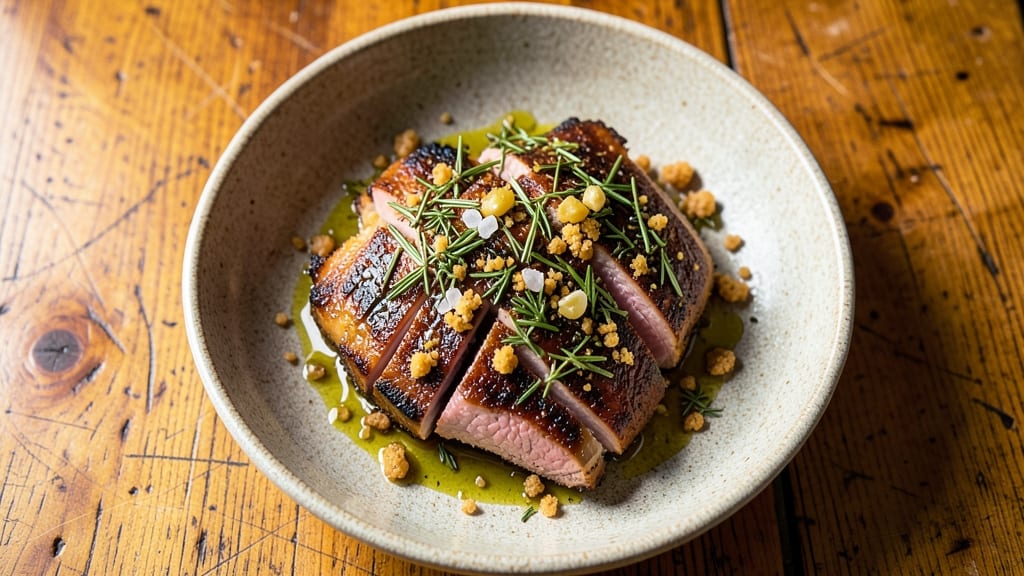
This 1lb pork loin recipe delivers herb-crusted perfection that transforms a simple cut into a restaurant-worthy centerpiece—tender, juicy, and packed with flavor from edge to edge.
After cooking thousands of pounds of pork weekly at my Atlanta smokehouse, I've perfected this method to ensure foolproof results every time, whether you're feeding a family or treating yourself to a special meal.
The secret lies in the herb crust—a blend of fresh rosemary, thyme, and garlic that forms a fragrant bark while keeping the interior meltingly tender.
We'll sear it in a hot cast-iron skillet to lock in juices, then finish in the oven to reach that ideal 145°F internal temperature. This technique works for any 1lb pork loin—boneless or bone-in—and requires just 30 minutes of active time for showstopping results.
What you'll end up with is golden, crisp-edged pork with a rich herb aroma that fills your kitchen, paired with a juicy, pink center that practically falls apart at the touch of a fork.
The crust stays intact while the meat remains perfectly moist, proving that simple cuts can deliver gourmet results with the right technique.
Serve it sliced against a bed of roasted potatoes, with a crisp green salad, or wrapped in prosciutto for an elegant appetizer. This recipe scales beautifully—double it for a crowd—and the leftovers reheat perfectly for lunch the next day. Let's get cooking!
Ingredients for 1lb pork loin
Restaurant-quality herb crust and simple pan-searing transform basic pork loin into showstopping centerpiece.
| Ingredient | Amount | Notes |
|---|---|---|
| Boneless Pork Loin 🥩 | 1 lb | Center-cut, 1-inch thick |
| Fresh Rosemary 🌿 | ½ cup | Finely chopped, stems removed |
| Fresh Thyme 🌿 | ¼ cup | Leaves only, stems discarded |
| Garlic Cloves 🧄 | 6 cloves | Minced, skin-on for maximum flavor |
| Extra-Virgin Olive Oil 🫒 | 2 tbsp | High smoke point preferred |
| Diamond Crystal Kosher Salt 🧂 | 1 ½ tsp | For crust and seasoning |
| Freshly Ground Black Pepper 🌶️ | ½ tsp | Coarsely cracked |
| Unsalted Butter 🧈 | 2 tbsp | Cold, cubed for searing |
| All-Purpose Flour 🌾 | 1 tbsp | For dredging crust |
| Fresh Lemon Juice 🍋 | 1 tbsp | Bright, freshly squeezed |
| Fresh Parsley 🌿 | ¼ cup | Chopped, for garnish |
The pork loin cut matters—center-cut with visible marbling ensures juicy results. Source from a trusted butcher or Whole Foods for consistent quality. Bone-in loins work too, but increase cooking time by 5-7 minutes. Fresh herbs are non-negotiable: Trader Joe's sells pre-chopped rosemary and thyme if you're short on time, though I prefer to chop mine myself for maximum aroma. Look for vibrant green stems and avoid wilted leaves. The garlic should be firm with no sprouting cloves—Costco sells excellent bulk garlic at a lower price point.
No fresh rosemary? Dried rosemary at one-third the amount works in a pinch, though texture differs. Substitute thyme with oregano if needed, but reduce to 0.125 cup for proper balance. For the olive oil, California Avocado Ranch or Bertolli are excellent choices—avoid heavily perfumed oils that may overpower the delicate herb profile. The butter must be cold and cubed for proper searing; microwave for 10 seconds if too firm. Flour choice doesn't matter, but King Arthur all-purpose has a fine texture perfect for crust formation. Lemon juice should be freshly squeezed—store-bought bottled juice lacks brightness.
Pork loin keeps 2 days in the fridge when wrapped tightly in plastic. For longer storage, vacuum-seal and freeze for up to 6 months. The herb crust components (rosemary, thyme, garlic, lemon juice) can be pre-mixed in a bowl and refrigerated for 24 hours ahead. Reheat sliced pork in a skillet with a splash of water at medium heat for 2-3 minutes per side—the crust will re-crisp beautifully. Garnish with parsley immediately before serving to maintain vibrant color. Leftovers make excellent sandwiches or salads when sliced thin.
Why You'll Love This Recipe
- One-Pan Magic: I swear by this—just sear the pork in olive oil, toss in whole garlic cloves and sprigs of rosemary and thyme, then roast. No chopping boards, no extra pans, no stress. The herbs release their aroma right into the meat while it cooks, and honestly? That’s where the real flavor lives.
- Herb-Packed Punch: Between us, the fresh rosemary and thyme turn this pork into something ridiculously good—bright, earthy, and just a little bit fancy without trying. The garlic cloves? They caramelize into tiny, crispy bits that stick to every bite. (Yes, even on a Tuesday night.)
- Leftovers That Shine: This recipe makes enough for two dinners, and the second one’s even better. Slice it thin for sandwiches, dice it for pasta, or serve it cold in salads—it’s that versatile. My kids ask for it more than takeout, and that’s saying something.
- Budget-Friendly Luxury: A single pork loin feeds four for under $15, and the herbs last for multiple recipes. No fancy marinades, no specialty ingredients—just good, honest flavor that doesn’t break the bank. I’ll be real: it’s my secret weapon for impressing guests without the grocery bill.
Step-by-step instructions for herb-crusted pan-seared pork loin
Master this technique and you'll achieve a perfectly browned crust with juicy, tender pork every time.
Prepare the Herb Crust Mixture
In a small bowl, combine the 0.5 cup fresh rosemary and 0.25 cup fresh thyme leaves with the 6 minced garlic cloves. Add 1 tablespoon all-purpose flour, 1.5 teaspoons diamond crystal kosher salt, and 0.5 teaspoon freshly ground black pepper. Mix thoroughly until the herbs are evenly coated and the mixture resembles a coarse paste.
The reason for including flour here is to create a sturdy crust that will adhere to the pork while adding texture. I like to press this mixture firmly against the meat later to ensure maximum flavor transfer. If the mixture feels too dry, add 1 teaspoon of extra-virgin olive oil to help bind it together.
Season and Crust the Pork Loin
Pat the 1 lb boneless pork loin dry with paper towels—this is critical for achieving a proper sear. Season all sides generously with additional salt and pepper if needed, then press the herb mixture firmly onto both sides of the pork, covering it completely. Let it sit at room temperature for 15 minutes while you prepare your pan.
This resting period allows the crust to adhere better and the meat to cook more evenly. I press down gently with my fingers to ensure the herb mixture sticks, especially around the edges where it tends to slide off. The crust should look thick and aromatic, ready to create that beautiful golden-brown exterior.
Sear the Pork Loin to Perfection
Heat a large skillet over medium-high heat until very hot. Add 2 tablespoons extra-virgin olive oil and 2 tablespoons cold unsalted butter, swirling to coat the pan evenly. Once the butter foams but hasn't yet browned, carefully place the pork loin in the pan.
Sear for 4-5 minutes per side until the crust is deep golden brown and the internal temperature reaches 140°F on a meat thermometer. The butter will brown and create a rich, flavorful fond in the pan—this is what gives your pork that restaurant-quality finish. Don't move the pork during searing; let it develop that beautiful crust undisturbed.
Finish with Lemon and Rest
Remove the pork from the pan and transfer it to a cutting board. Let it rest for 10 minutes before slicing—this allows the juices to redistribute throughout the meat. While it rests, pour 1 tablespoon fresh lemon juice into the hot pan and scrape up any browned bits with a wooden spoon, creating a quick pan sauce.
The lemon juice brightens the herb flavors and adds a touch of acidity that cuts through the richness of the pork. After resting, slice the pork loin into ½-inch thick medallions against the grain for maximum tenderness. Garnish each serving with 0.25 cup chopped fresh parsley and spoon the pan sauce over the top.
Serve with Confidence
Each slice should be juicy with a crisp herb crust that holds its shape. The internal temperature should reach 145°F when sliced, ensuring perfect doneness. Serve immediately with roasted vegetables or a simple salad to complement the rich herb flavors.
This technique delivers a professional-quality result with minimal effort. The key is patience during the searing and resting phases—rushing either will result in dry meat or a poor crust. Trust the process, and you'll have a showstopping centerpiece for any meal.
Pro Tips For Making 1lb Pork Loin
- USE A MEAT THERMOMETER: That pork loin’s going to fool you—it’ll look done before it actually is. The instant-read thermometer should hit 145°F in the thickest part (no guessing). I learned this the hard way after slicing into a rubbery slab that needed 10 more minutes.
- SMASH THE GARLIC: Minced garlic burns faster than you’d think, especially when searing the pork. Smash the cloves with the flat side of your knife first, then slice thinly—this keeps them fragrant without turning bitter. (Yes, even if you’re impatient like me.)
- SALT THE PORK TWICE: Start with a dry rub of salt before searing—let it sit 30 minutes uncovered in the fridge. Then, after roasting, sprinkle more flaky salt on top while it rests. This isn’t just seasoning; it’s the thing that makes the crust crisp and the meat juicy.
- REST IT UNDER FOIL: Skip the wire rack if you’re in a hurry—tent the pork with foil for 5–10 minutes after pulling it from the oven. The heat redistributes, and the juices don’t pool out on your cutting board. (Your future self will thank you.)
Wine and beer pairings for 1lb pork loin
Red Wine Classics
A crisp Chianti Classico from Tuscany is my go-to pairing with herb-crusted pork loin—its bright acidity and cherry notes cut through the rich herb crust beautifully. Look for a 2022 vintage from Castello di Volpaia for that perfect balance of earthiness and fruit.
The tannins complement the pork's fat content without overpowering the delicate herb flavors. 🍷
White Wine Elegance
For a lighter option, a Sauvignon Blanc from New Zealand—like Cloudy Bay—brings vibrant citrus and herbal notes that mirror the rosemary and thyme in your crust. The wine's crisp finish cleanses your palate between each juicy bite.
If you prefer something richer, try a Chardonnay from Burgundy with subtle oak notes to enhance the butter sear.
Beer Pairings
A German Helles Lager like Weihenstephaner Original provides a clean, malty contrast that won't compete with the pork's herbaceous profile. The subtle sweetness balances the crust's savory depth.
For craft beer lovers, a Belgian Witbier with its coriander and citrus notes adds a refreshing twist—Hoegaarden is my top pick. 🍺
Unexpected Cocktail Pairing
For a special occasion, I love serving this pork with a Rosemary Gin Fizz—made with Hendrick's Gin, fresh rosemary, lemon juice, and soda. The herbal notes echo your crust while the effervescence cuts through the richness.
Garnish with a rosemary sprig for an elegant touch that ties everything together.
Regional Wine Recommendations
In the Southeast, where I grew up, a North Carolina Pinot Noir from Bald Head Island Vineyards offers a smooth, fruity profile that pairs wonderfully with the pork's herb crust.
For a more robust option, try a Spanish Tempranillo—its leather and spice notes complement the garlic and rosemary beautifully. Always decant red wines for 30-60 minutes before serving to enhance their aromas.
Non-Alcoholic Options
Don't drink alcohol? A sparkling apple cider like Martinelli's with a splash of lemon juice provides the same refreshing acidity as white wine. For something more sophisticated, try a hibiscus iced tea—its tartness and floral notes create a perfect contrast to the herb crust.
Serve chilled with ice for a summer-friendly pairing. 💛
Nutrition facts
Frequently asked questions
Can I use bone-in pork loin instead of boneless?
Yes, but adjust your cooking time! Bone-in loins take 5-7 minutes longer to reach 145°F internally. The bone actually helps retain moisture, so you may need to increase your sear time to 5-6 minutes per side to get a proper crust. Just monitor with a meat thermometer and avoid overcooking.
What if I don't have fresh rosemary or thyme?
No problem! Use ½ teaspoon dried rosemary and ¼ teaspoon dried thyme (one-third the fresh amount). For extra flavor, add ½ teaspoon smoked paprika to the crust mixture. The texture will differ slightly, but the herbaceous notes will still shine through beautifully.
How do I prevent the herb crust from falling off?
Press the herb mixture firmly onto the pork and let it sit for 15 minutes before cooking. For extra adhesion, lightly coat the pork with 1 teaspoon flour before pressing on the herb crust. Also, avoid moving the pork during searing—let that golden crust form undisturbed for 4-5 minutes per side.
Can I cook this in the oven instead of pan-searing?
Preheat your oven to 400°F and place the crusted pork on a wire rack over a baking sheet. Roast for 20-25 minutes until the internal temperature reaches 145°F. For extra crispiness, broil for 2-3 minutes at the end. The oven method works well for larger cuts or when you're cooking for a crowd.
What's the best way to reheat leftovers?
Slice the pork into ½-inch medallions and reheat in a skillet over medium heat with 1 tablespoon butter and 1 tablespoon water for 2-3 minutes per side. The butter will restore the crust's crispness while keeping the meat juicy. Avoid microwaving—it makes the crust soggy and the meat dry.