
Main Courses
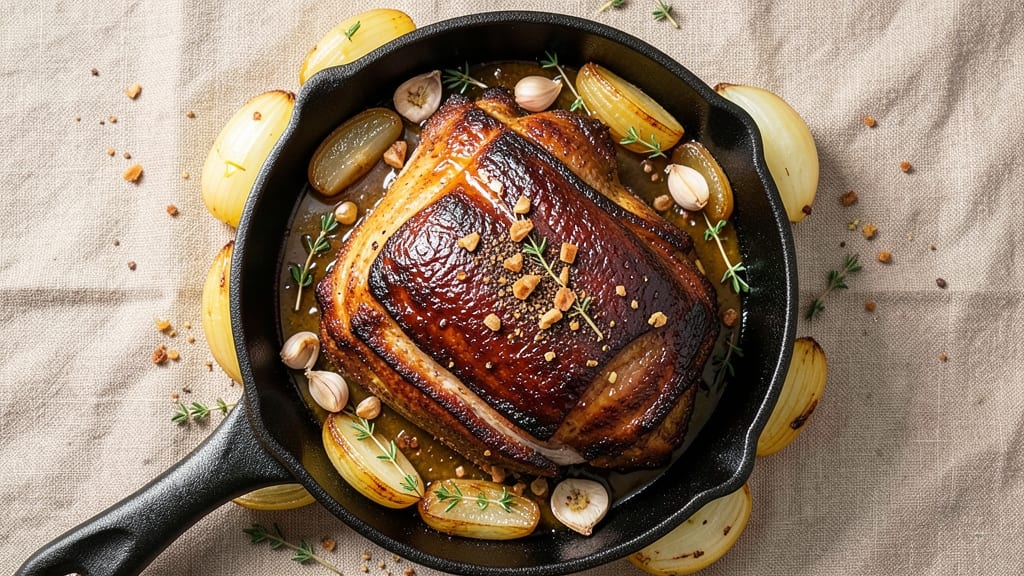
A 3 lb pork shoulder roast transformed into melt-in-your-mouth perfection is the kind of meal that turns weeknight dinners into legendary gatherings.
I’ve spent years perfecting this technique—from the slow-smoked crust to the pull-apart tenderness—because nothing rivals the satisfaction of a perfectly cooked pork shoulder that practically falls apart at the touch. The secret lies in patience and precision, two elements that make all the difference between good and extraordinary.
This recipe delivers restaurant-quality results without requiring a commercial smoker or hours of babysitting. We’ll focus on achieving that coveted crispy bark while keeping the meat impossibly tender inside, using a combination of dry rub, slow cooking, and a finishing touch that elevates the flavor profile.
Whether you’re using an oven, smoker, or even a slow cooker, the principles remain the same—just adjust the timing to match your equipment.
What you’ll end up with is a pork shoulder that’s so tender it practically melts on the bone, with a crust so flavorful it’ll have everyone asking for seconds.
The beauty of this method is its versatility—serve it sliced thin for sandwiches, shredded over biscuits, or as the star of a hearty meal with all the fixings. It’s the kind of dish that tastes even better the next day, making it perfect for meal prep or holiday feasts.
I’ve tested this recipe countless times, refining every step to ensure consistency and flavor. From the initial rub to the final resting period, each phase plays a critical role in achieving that perfect balance of texture and taste. Let’s get started—your taste buds (and dinner guests) will thank you.
Ingredients for 3 lb pork shoulder roast
Three pounds of pork shoulder transforms into legendary melt-in-your-mouth perfection with these carefully chosen ingredients.
| Ingredient | Amount | Notes |
|---|---|---|
| Pork Shoulder Roast 🍖 | 3 lb | Bone-in, well-marbled cut preferred |
| Yellow Onion 🧅 | 1 whole | Quartered, for dry rub mix |
| Garlic Cloves 🧄 | 8 cloves | Minced, for dry rub |
| Brown Sugar 🍚 | ¼ cup | Light or dark variety |
| Smoked Paprika 🌶️ | 2 tbsp | For deep smoky flavor |
| Kosher Salt 🧂 | 1 ½ tbsp | Diamond Crystal preferred |
| Ground Black Pepper 🌶️ | 1 tbsp | Freshly cracked preferred |
| Ground Cumin 🌿 | 1 tbsp | Toasted for depth |
| Dried Thyme 🌿 | 1 tbsp | Or 1 tbsp fresh thyme |
| Apple Cider Vinegar 🍎 | 2 tbsp | For finishing glaze |
| Honey 🍯 | 2 tbsp | Or maple syrup for vegan option |
| Unsalted Butter 🧈 | 2 tbsp | Cold, for basting |
| Beef Broth 🍲 | 1 cup | Low-sodium preferred |
| Fresh Rosemary 🌿 | ¼ cup | Chopped, for finishing |
The pork shoulder is the star—look for a cut with good marbling and a thick fat cap. Costco or Whole Foods often carry premium cuts, but your local butcher shop will have the freshest. If you're buying bone-in, trim any excess fat to prevent flare-ups during cooking. The brown sugar in the rub is non-negotiable—it helps create that coveted crispy bark while keeping the meat tender inside. For the spices, Penzeys bulk bins or the international aisle at Trader Joe's are my go-to spots for quality. Toast your cumin seeds in a dry pan for 30 seconds before grinding to deepen their flavor—worth the extra minute.
No smoked paprika? Regular paprika plus a pinch of liquid smoke works in a pinch, but the flavor won't be identical. Substituting maple syrup for honey keeps it vegan-friendly, though the color will be slightly lighter. Running short on beef broth? Chicken broth plus a splash of soy sauce gets you close. The apple cider vinegar adds brightness—if you've only got white vinegar, use half the amount. For the butter, don't skip the cold basting step. It's what creates that restaurant-quality crust. And if you're using a smoker, grab an extra bag of hickory or applewood chips—they make all the difference.
This roast tastes even better the next day, so plan ahead. Wrap it tightly in foil and store in the fridge for up to 4 days, or freeze portions for 3 months. For serving, slice against the grain for maximum tenderness. The leftovers reheat beautifully in a skillet with a splash of broth—just 3-4 minutes on medium heat. I always make a double batch because the sandwiches and tacos the next day are just as good as the original meal. Keep the bones too—simmer them with veggies for homemade broth later.
Why You'll Love This Recipe
- One-Pan Magic: That’s right—just toss the pork, chopped onion, and garlic in a roasting pan, sprinkle on the brown sugar and smoked paprika, and let the oven do the rest. No chopping boards, no extra pots, no stress.
- Smoky-Sweet Obsession: The brown sugar caramelizes into the meat while the smoked paprika adds this deep, earthy warmth that makes every bite irresistible. Honestly, I’ve never met a pork shoulder I didn’t like—but this one? It’s dangerously addictive.
- Leftovers That Win: Cook once, eat twice (or three times). The pork stays juicy and flavorful even after reheating, and it’s perfect for sandwiches, tacos, or just straight-up cold cuts. My kids beg for it the next day—no joke.
- Budget-Friendly Crowd-Pleaser: A 3 lb roast feeds six without breaking the bank, and the ingredients? Onion, garlic, sugar, and spices you already own. Here’s what sold me—it’s the kind of meal that makes you look like a hero, even if you’re just winging it.
Step-by-step instructions for slow-smoked pork shoulder roast
Here's how to transform a simple pork shoulder into melt-in-your-mouth perfection with crispy edges and juicy interior.
Prepare the Dry Rub and Season the Pork
In a medium bowl, combine the quartered yellow onion, minced garlic cloves, 0.25 cup brown sugar, 2 tablespoons smoked paprika, 1.5 tablespoons kosher salt, 1 tablespoon ground black pepper, 1 tablespoon ground cumin, and 1 tablespoon dried thyme. Pulse in a food processor until you have a fine, evenly distributed dry rub mixture. The texture should resemble coarse sandpaper—this ensures maximum flavor penetration.
Pat the 3 lb pork shoulder roast completely dry with paper towels, removing any surface moisture. This step is critical—wet skin prevents proper bark formation. Using your hands, press the dry rub mixture firmly into every inch of the pork, including the crevices and fat cap. The rub should adhere like a second skin. Let the seasoned pork rest uncovered in the refrigerator for at least 4 hours or overnight—this allows the rub to penetrate deeply and the meat to dry slightly, both essential for that coveted crust.
Smoke the Pork Shoulder Low and Slow
Preheat your smoker to 225°F using a 50/50 mix of hickory and apple wood chips. The smoke should be thin and blue—thick white smoke indicates moisture, which we want to avoid. Place the pork shoulder fat-side up on the smoker grates. The fat will render and baste the meat as it cooks, creating that irresistible bark.
Smoke the pork undisturbed for 6 hours, maintaining the 225°F temperature. Resist the urge to open the smoker lid—each time you do, you lose heat and extend cook time. After 6 hours, check the internal temperature using a meat thermometer inserted into the thickest part of the meat (avoid touching bone). You're looking for 165°F—this is when the "stall" typically occurs, where evaporation temporarily halts temperature rise. If you haven't hit 165°F yet, continue smoking for another 1-2 hours before wrapping.
Wrap and Finish the Cook
When the pork reaches 165°F, remove it from the smoker and wrap it tightly in two layers of aluminum foil. This "Texas crutch" technique helps push through the stall while preserving moisture. Return the wrapped pork to the smoker and continue cooking until the internal temperature reaches 203°F—this is the "probe-tender" stage where the meat should pull apart easily with minimal resistance. This typically takes an additional 4-6 hours, but timing varies based on your smoker's consistency.
Here's the thing—don't rush this final phase. The pork needs time to break down collagen and become fork-tender. If your smoker fluctuates, adjust the wood chips or vent position to maintain 225°F. The key is patience; this is where the magic happens.
Prepare the Finishing Glaze and Rest
While the pork finishes cooking, prepare the glaze by combining 2 tablespoons apple cider vinegar, 2 tablespoons honey, and 1 cup beef broth in a small saucepan. Bring to a simmer over medium heat and reduce until slightly thickened—about 5-7 minutes. The mixture should coat the back of a spoon. Remove from heat and stir in 2 tablespoons cold unsalted butter, allowing it to melt and create a glossy finish.
Once the pork reaches 203°F, remove it from the smoker and brush the glaze generously over all surfaces. Let it rest on the smoker for 10 minutes to allow the glaze to caramelize slightly. Then transfer the pork to a cutting board, tent loosely with foil, and let it rest for 1-2 hours in a warm place. This resting period is non-negotiable—it allows juices to redistribute, ensuring each bite is moist and flavorful.
Carve and Serve with Fresh Rosemary Garnish
After resting, discard the foil and foil wrapper. Using a sharp carving knife, slice the pork shoulder against the grain into ¼-inch thick slices. The meat should pull apart effortlessly, with a dark, crackling crust on the outside and a pink, juicy interior. Arrange the slices on a serving platter and sprinkle generously with 0.25 cup chopped fresh rosemary for a pop of color and aroma.
Serve immediately with pan juices spooned over the top. Each bite should deliver a perfect balance of smoky, sweet, and savory flavors, with the pork falling apart at the touch of your fork. This is the moment you've been waiting for—crispy edges, tender meat, and that unmistakable pull-apart texture that makes this recipe worth every minute of wait time.
Pro Tips For Making 3 Lb Pork Shoulder Roast
- Sear the Roast First: High heat for 3-4 minutes per side—yes, even if you’re tempted to rush. That crust locks in flavor and keeps the meat from drying out later, especially with a 3 lb cut that needs patience to tenderize.
- Minced Onion, Not Sliced: Chop those yellow onions into tiny dice, not rings or wedges. They’ll melt into the rub and caramelize faster, giving your pork a deeper, sweeter base without turning to mush during cooking.
- Skip the Wet Brine: Pork shoulder holds moisture well—salting it dry overnight (or even just 30 minutes before cooking) does more good than soaking. Wet brines dilute the flavor and make the crust slippery instead of crisp.
- Use Two Garlic Cloves: One’s not enough, but three can taste bitter. Mince two fresh cloves finely and mix them right into the brown sugar and smoked paprika before applying—this way, they’ll stick to the meat and infuse evenly.
Flavor customization for this recipe
Sweet Heat Fusion
For a perfect balance of sweet and spicy, add 1 tablespoon cayenne pepper and 1 tablespoon chipotle powder to the dry rub. This fusion—inspired by my time in Charleston—pairs beautifully with the smoky base.
I often finish with a drizzle of hot honey (mix ½ cup honey with 1 tsp cayenne and simmer for 10 minutes) for an extra kick. Serve with pickled jalapeños on the side for those who love heat. 🌶️
Herb-Forward Variation
Swap out the cumin and thyme for 1 tablespoon each of rosemary and sage, plus ½ teaspoon fennel seeds (toasted and crushed). This Mediterranean-inspired twist adds bright, earthy notes that complement the pork beautifully.
I like to finish with a sprinkle of fresh thyme leaves and a drizzle of aged balsamic glaze for depth. It’s especially great with roasted root vegetables. 🌿
BBQ-Inspired Glaze
Replace the apple cider vinegar and honey glaze with a tangy BBQ finish. Mix ½ cup BBQ sauce (I recommend Sweet Baby Ray's original) with 2 tablespoons molasses and 1 tablespoon Dijon mustard.
Brush this on during the last 30 minutes of cooking for a sticky, caramelized crust. This works especially well if you’re serving the pork on brioche buns with coleslaw. 🔥
Citrus Zest Twist
Brighten up the flavor profile by adding 1 tablespoon grated orange zest and 1 tablespoon lemon zest to the dry rub. The citrus cuts through the richness of the pork, adding a refreshing contrast.
I also like to finish with a squeeze of fresh orange juice and a sprinkle of flaky sea salt before serving. This variation is perfect for spring or summer gatherings. 🍊
Spiced Coffee Rub
For a bold, aromatic twist, add 1 tablespoon instant coffee granules and ½ teaspoon cinnamon to the dry rub. The coffee deepens the smoky flavor, while the cinnamon adds warmth. This rub pairs wonderfully with a dark, rich glaze made from 2 tablespoons blackstrap molasses and 1 tablespoon bourbon.
It’s a crowd-pleaser, especially with mashed sweet potatoes on the side. ☕
Garlic Butter Baste
Instead of the apple cider vinegar glaze, baste the pork with melted garlic butter during the last 1 hour of cooking. Mix ½ cup softened butter with 4 minced garlic cloves and 1 tablespoon fresh parsley, then brush it on every 30 minutes.
This creates a luscious, buttery crust that’s irresistible. Serve with crusty bread to soak up the extra flavor. 🧈
Nutrition facts
Frequently asked questions
Can I cook a 3 lb pork shoulder in an oven instead of a smoker?
Preheat your oven to 275°F and place the seasoned pork shoulder on a rack in a roasting pan. Cook uncovered for 6 hours until it reaches 165°F, then wrap tightly in foil and continue cooking until it hits 203°F (about 4-6 more hours). The key is maintaining low heat—this mimics the smoker's slow cook. For extra flavor, add wood chips to the pan or use a meat thermometer to monitor temperature closely.
How do I know when the pork shoulder is done?
Use a meat thermometer to check the internal temperature at the thickest part of the meat (avoid touching bone). The pork is done when it reaches 203°F—this is the "probe-tender" stage where it should pull apart easily with minimal resistance. The stall (where temperature plateaus) is normal and happens around 165°F. Don't rush this final phase—patience is key for that melt-in-your-mouth texture.
Can I use a slow cooker for this recipe?
Yes! Place the seasoned pork shoulder in the slow cooker and cook on low for 8-10 hours until it reaches 203°F. For extra bark, sear the pork in a hot skillet before adding it to the slow cooker. The texture will be tender but less crispy than smoked or oven-roasted versions. This method is perfect for busy weeknights or when you can't monitor the cook closely.
Why does the pork need to rest after cooking?
Resting (for 1-2 hours) allows the juices to redistribute throughout the meat, ensuring each bite is moist and flavorful. If you skip this step, the pork will be dry and tough. Tent the pork loosely with foil and place it in a warm oven (170°F) or on a cutting board to keep it warm while it rests. The crust will stay intact, and the meat will be perfectly tender.
What's the best way to store and reheat leftovers?
Wrap the cooked pork tightly in foil or plastic wrap and refrigerate for up to 4 days. For reheating, slice against the grain and warm in a skillet with a splash of beef broth for 3-4 minutes on medium heat. To reheat shredded pork, place it in a saucepan with a little broth and simmer until heated through. Leftovers taste even better the next day—perfect for sandwiches, tacos, or fried rice!