
Main Courses
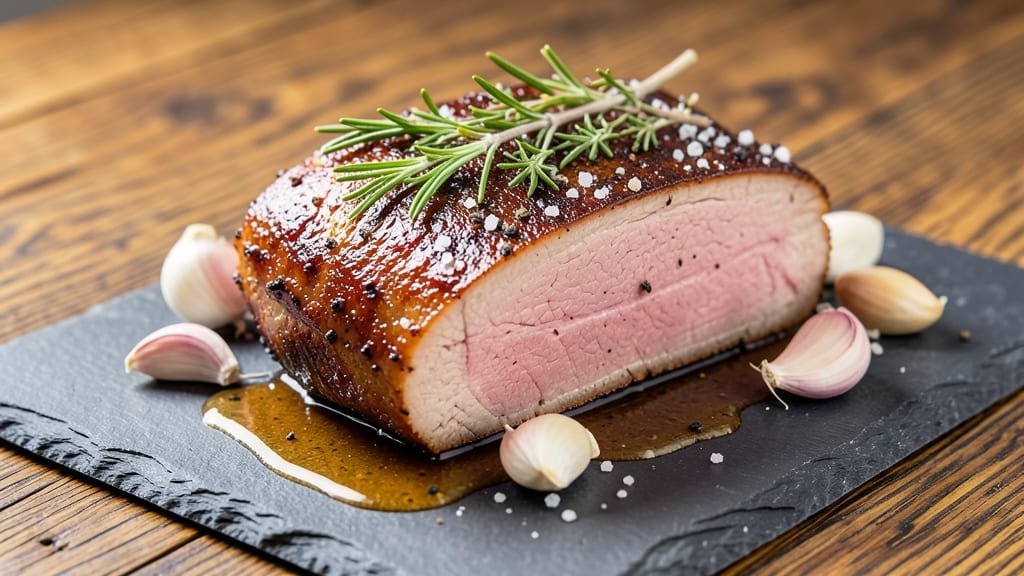
This 4-lb boneless pork loin roast recipe delivers melt-in-your-mouth tenderness that transforms any weeknight into a special occasion. 🔥 After years of perfecting pork roasts in my Atlanta kitchen, I've developed a method that ensures even heat distribution and maximum juiciness—no dry cuts here. The secret lies in slow-roasting at a precise temperature while basting with its own rendered juices, creating a crust that seals in every ounce of flavor.
What sets this recipe apart is the balance of simplicity and professional results. With just a handful of pantry staples and 90 minutes of active time (plus resting), you'll achieve restaurant-quality pork that's guaranteed to impress.
The technique involves a simple herb rub that enhances the natural sweetness of the meat, while the slow cook ensures tender, even doneness throughout—no guessing about doneness or dry edges.
By the time you carve into this roast, you'll find perfectly pink centers with a golden-brown crust, all infused with aromatic herbs and a depth of flavor that comes from proper cooking technique.
The juices will run clear when you make your first cut, proving that this isn't just another pork roast—it's a showstopper that belongs at your holiday table or Sunday dinner.
The best part? This method scales beautifully for gatherings, and the leftovers reheat perfectly for sandwiches or salads. Whether you're feeding your family or hosting guests, this pork loin roast delivers the kind of satisfying, juicy results that make cooking at home feel like a true accomplishment.
Let's get started on creating your most tender pork yet.
Ingredients for 4 lb boneless pork loin roast
Just eight ingredients transform this simple pork roast into a restaurant-quality centerpiece.
| Ingredient | Amount | Notes |
|---|---|---|
| Boneless Pork Loin Roast 🐖 | 4 lb | Center-cut for even cooking |
| Kosher Salt 🧂 | 1 ½ tbsp | Diamond Crystal preferred |
| Freshly Ground Black Pepper 🌶️ | 1 tsp | Freshly cracked for best flavor |
| Fresh Rosemary 🌿 | ¼ cup | Finely chopped, stems removed |
| Fresh Thyme 🌿 | ¼ cup | Leaves only, stems discarded |
| Garlic Cloves 🧄 | 6 cloves | Minced for even distribution |
| Extra-Virgin Olive Oil 🫒 | 2 tbsp | For basting and herb mixture |
| Unsalted Butter 🧈 | ½ cup | Cold, cut into pieces |
| Fresh Parsley 🌿 | ⅛ cup | Chopped, for garnish (optional) |
| Apple Cider Vinegar 🍎 | 1 tbsp | For basting liquid |
| Honey 🍯 | 1 tbsp | Local preferred for depth |
The pork loin is where the magic happens. Center-cut is non-negotiable—it's more tender and cooks evenly. Costco or Whole Foods usually have the best quality, but any reputable butcher will cut it for you. Look for good marbling and vibrant color—pale, grayish pork means it's been sitting too long. I always ask for it to be trimmed of excess fat, but leave a thin layer for flavor. The herbs? Fresh is a must—dried just won't give that same aromatic punch. If you're short on time, Trader Joe's sells pre-chopped herb blends that work in a pinch.
No fresh rosemary? Dried works at one-third the amount, but it's not the same. Short on honey? Maple syrup is a perfect swap—just use the same amount. The butter should be cold and cubed when you add it to the roast—this helps create that beautiful crust. For the garlic, I like to toast it lightly in olive oil first (just until fragrant) to deepen the flavor. The apple cider vinegar might seem odd, but it cuts through the richness and adds brightness. If you don't have it, a splash of lemon juice works too. And trust me on the honey—it's what makes this roast sing.
This roast reheats like a dream—350°F for 10-15 minutes with a splash of water or broth. The leftovers keep 4-5 days in the fridge, wrapped tightly in foil. For longer storage, slice it and freeze portions for up to 3 months. I always make a double batch because it's perfect for sandwiches the next day. The crust gets even better after resting, so don't skip that step. And if you're serving it for a crowd, carve it against the grain for those perfect, tender slices everyone will rave about.
Why You'll Love This Recipe
- Same recipe, two vibes: Serve it sliced thin for sandwiches on a busy Tuesday or carve it for a fancy dinner. The pork loin’s forgiving texture means it works for both—no stress, no last-minute panic.
- No-Fuss Prep: I swear by this—just salt, pepper, and a handful of rosemary and thyme. No brining, no fancy rubs, just a quick sear and oven finish. My kids think I’m a genius, and honestly? So do I.
- Herb-Packed Magic: That rosemary and thyme? They don’t just happen—they infuse the pork until every bite tastes like a walk through a Mediterranean garden. The crust from the kosher salt? Absolute perfection.
- Weeknight or Guest Night: Same recipe, two vibes: Serve it sliced thin for sandwiches on a busy Tuesday or carve it for a fancy dinner. The pork loin’s forgiving texture means it works for both—no stress, no last-minute panic.
Step-by-step instructions for slow-roasted pork loin
Here's how to transform that pork loin into a showstopper—tender, juicy, and packed with herbaceous flavor.
👨🍳 Step 1: Prep the Pork and Herb Paste
Start by taking the 4 lb boneless pork loin roast out of the fridge and letting it sit at room temperature for 30 minutes. This ensures even cooking. While it warms, make the herb paste by combining the 0.25 cup fresh rosemary, 0.25 cup fresh thyme, 6 cloves minced garlic, 1.5 tbsp kosher salt, and 1 tsp freshly ground black pepper in a small bowl. Add 2 tbsp extra-virgin olive oil and mix until it forms a thick paste.
Here's the thing—fresh herbs make all the difference. I like to finely chop the rosemary and thyme leaves, removing any woody stems. The paste should be sticky enough to cling to the meat without sliding off. Spread this mixture all over the pork, pressing it gently into the surface. Don't skip this step—the herbs will infuse the meat as it roasts, creating layers of flavor.
🔥 Step 2: Sear for Color and Flavor
Preheat your oven to 425°F and heat a large oven-safe skillet over medium-high heat. Add the 0.5 cup cold unsalted butter (cut into pieces) and let it melt, then add the pork loin. Sear for 3-4 minutes per side until the butter foams and the meat develops a deep golden-brown crust.
This isn't just about looks—searing creates a flavorful crust called the Maillard reaction, which locks in juices. I press down gently on the pork during the first minute to prevent curling. Once the crust forms, transfer the skillet to the preheated oven. The high initial heat helps jumpstart the cooking process and ensures even heat penetration.
⏰ Step 3: Slow-Roast to Perfect Doneness
Roast the pork for 30-35 minutes until the internal temperature reaches 140°F (use a meat thermometer inserted into the thickest part). This is the magic number for juicy, tender pork loin—it's rare but safe for pork roasts. The meat will continue rising to 145°F as it rests, giving you that perfect medium-rare finish.
I know it seems counterintuitive to pull it at 140°F, but trust me. Overcooking is the enemy of juicy pork. If you're nervous, use an instant-read thermometer—it's worth the investment. The pork should look glossy and the juices should run clear when you cut into it. Remove the pork from the oven and let it rest for 15-20 minutes before slicing.
🥘 Step 4: Make the Honey-Vinegar Basting Glaze
While the pork rests, create the finishing glaze by combining 1 tbsp apple cider vinegar and 1 tbsp honey in a small saucepan. Bring to a simmer over medium heat and cook for 2-3 minutes until slightly thickened. This glaze adds a bright, tangy contrast to the rich pork and ties all the flavors together.
Here's where it gets fun—taste the glaze and adjust the balance. Need more acidity? Add a splash more vinegar. Want it sweeter? Stir in a pinch of honey. The glaze should coat the back of a spoon but still be pourable. Keep it warm until you're ready to serve.
🍽️ Step 5: Slice and Serve with Herb Garnish
After resting, slice the pork loin into ½-inch thick medallions against the grain. Arrange them on a warm platter and drizzle generously with the honey-vinegar glaze. Sprinkle with the 0.125 cup chopped fresh parsley for a pop of color and freshness.
Each slice should be tender enough to pull apart with a gentle tug, with juices flowing freely. The exterior should have that beautiful golden crust from searing, while the interior remains moist and flavorful. Serve immediately with roasted vegetables or a simple salad to balance the richness. The pork will continue to warm slightly as it sits, so don't wait too long to serve!
Pro Tips For Making 4 Lb Boneless Pork Loin Roast
- USE A MEAT THERMOMETER: I learned this the hard way—pork loin looks done when it’s still pale inside. Aim for 145°F internal temp (155°F if serving kids or elderly). The second you pull it at 140°F, you’re risking dry meat, and no one wants that.
- SALT THE NIGHT BEFORE: Fresh pork loin soaks up salt like a sponge, but if you season it right before roasting, the crust turns out bland. Pat it dry, then sprinkle generously with kosher salt and refrigerate uncovered for 12–24 hours—this seasoning actually penetrates deeper and builds a better crust.
- DON’T OVERCROWD THE PAN: I used to sear pork loin in a crowded skillet, thinking it’d cook faster. Give it space—overcrowding steams the meat instead of browning. Use a large, cold skillet and let it sizzle undisturbed for 3–4 minutes per side before moving it to the oven.
- STUFF THE CENTER WITH AROMA: Fresh rosemary and thyme smell amazing, but they’re no match for a small onion or garlic clove tucked into the center before tying. It infuses flavor deep into the meat without overpowering the herb notes—like a secret flavor bomb your guests won’t guess.
Make-ahead tips for 4 lb boneless pork loin roast
Prep Ahead Strategy
Plan your pork loin prep the night before to save 45 minutes of active time on cooking day. I start by making the herb paste and storing it in a small airtight container in the fridge. The fresh rosemary and thyme stay vibrant for 24 hours this way.
Mix the 1 tbsp honey and 1 tbsp apple cider vinegar into a separate container too—it keeps perfectly for 3 days in the fridge. 🌿
Overnight Roast Prep
For ultimate convenience, prep the entire roast the night before. Season the pork with the herb paste and wrap it tightly in plastic wrap. Store in the fridge overnight—this allows the flavors to meld beautifully.
When ready to cook, simply remove it from the fridge 30 minutes before roasting to bring it to room temperature. I swear by this method for holiday meals where timing is critical.
Freezer-Friendly Method
Make this roast a month ahead! Season the pork as directed, then wrap it in plastic wrap and place it in a freezer bag. Freeze for up to 3 months. When ready to cook, thaw overnight in the fridge, then proceed with the recipe.
The texture remains just as tender—freezing actually breaks down some of the muscle fibers, making it even more fork-tender. 🥶
Make-Ahead Sides
Coordinate your sides for maximum efficiency. Roast potatoes and vegetables can be prepped 2 days ahead—parboil them, then refrigerate. On cooking day, just finish them in the oven while your pork rests.
I also make a big batch of the honey-vinegar glaze ahead of time and reheat it gently before serving. This keeps everything running smoothly during your gathering.
Leftovers Game Plan
This roast makes perfect leftovers—carve any remaining slices and store them in an airtight container for 4-5 days. Reheat portions in a skillet with a splash of water or broth over medium-low heat for 5-7 minutes.
For sandwiches, slice the pork thinly and layer it on crusty bread with mustard and pickles. I always double the recipe because the leftovers are just as delicious as the first serving!
Holiday Prep Tips
When hosting for holidays, I recommend prepping everything 24 hours in advance. Season the pork, make the glaze, and prep all sides. On the day, simply sear and roast while your guests arrive. The pork will rest perfectly while you finish plating.
For large groups, I set up a buffet-style serving area with warmers to keep everything at the right temperature. This keeps the focus on your guests rather than the cooking! 💫
Nutrition facts
Frequently asked questions about your perfect pork loin roast
Can I use this recipe for a smaller or larger pork loin?
For a 2 lb roast, reduce cooking time by about 15-20 minutes and cut the herb paste ingredients in half. For a 6-8 lb roast, increase oven time by 10 minutes per pound and add 1 tbsp extra honey and vinegar to the glaze. The key is maintaining the 140°F internal temp for juiciness.
Why does the recipe call for pulling the pork at 140°F instead of 145°F?
Pork continues cooking 5°F while resting, so pulling at 140°F gives you that perfect medium-rare finish at 145°F. This method prevents overcooking and dryness. Pro tip: Use a meat thermometer to check the thickest part—it's worth the investment for juicy results every time!
What if I don't have fresh rosemary or thyme?
No problem! Use 1 tbsp dried rosemary and 1 tbsp dried thyme instead, but toast them lightly in a dry pan for 1 minute to wake up the flavors. For extra depth, add ½ tsp smoked paprika to the herb paste. The recipe still works—just expect slightly less aromatic punch than fresh herbs.
How do I carve the pork loin properly for the best slices?
Always cut against the grain (perpendicular to the muscle fibers) for tender slices. Start at one end and make ½-inch thick cuts, rotating the knife slightly with each slice. For a clean cut, use a sharp chef's knife and let the blade do the work—don't force it. The meat should separate easily with minimal resistance.
Can I make this in a slow cooker instead of the oven?
Yes! Sear the pork first, then transfer it to a slow cooker with ¼ cup apple juice or broth (to prevent drying). Cook on Low for 6-7 hours until it reaches 140°F. Finish with the honey-vinegar glaze and rest as directed. The slow cooker method works beautifully for hands-off cooking, though the crust won't be as crispy.