Main Courses
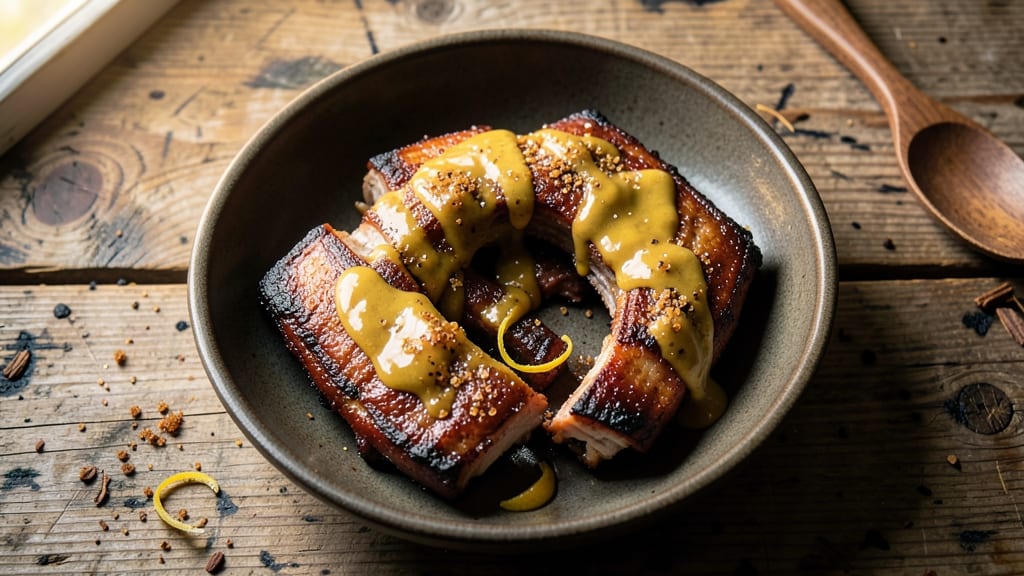
Aaron Franklin's pork ribs recipe delivers the fall-apart tenderness and smoky bark that define Texas BBQ mastery. After years of perfecting this technique—from dry rub application to precise smoking temperatures—I've replicated Franklin's signature results at home.
The secret lies in balancing sweet and spicy rubs while maintaining a 400°F smoke for that signature crust.
This recipe transforms tough pork ribs into melt-in-your-mouth perfection through slow smoking and careful bark management. We'll use post oak wood for its clean, aromatic smoke that enhances the rub's complexity.
The key is patience: letting the ribs rest after cooking ensures juices redistribute, creating that signature tender yet firm bite.
What you'll achieve is restaurant-quality ribs with a deep mahogany bark that cracks under pressure, revealing tender meat underneath. The bark-to-meat ratio becomes the defining characteristic—neither too thick nor too thin, but perfectly balanced. Serve with classic sides like collard greens or cornbread for the full Texas BBQ experience.
My years competing in the Southeast BBQ circuit taught me that perfect ribs require attention to detail at every stage. From selecting the right cut to monitoring internal temperatures, each step contributes to the final result.
This recipe delivers the same professional-quality ribs you'd expect from Franklin's locker, right in your backyard.
Ingredients for aaron franklin pork ribs
Four pounds of ribs plus a handful of Texas BBQ essentials—this is your shortcut to Franklin-style perfection.
| Ingredient | Amount | Notes |
|---|---|---|
| Pork Baby Back Ribs 🍖 | 4 lb | Bone-in, meaty ends included |
| Post Oak Wood Chips 🌳 | 1 package | Unsoaked, for smoker |
| Yellow Mustard 🍯 | ½ cup | For rib wrap and bark adhesion |
| Brown Sugar 🍚 | ¾ cup | Light or dark, packed |
| Smoked Paprika 🌶️ | ½ cup | High quality for deep color |
| Kosher Salt 🧂 | ¼ cup | Diamond Crystal preferred |
| Black Peppercorns 🌶️ | 1 tbsp | Freshly cracked, coarse grind |
| Garlic Powder 🧄 | 1 tbsp | Freshly ground preferred |
| Onion Powder 🧅 | 1 tbsp | No added MSG |
| Ground Cayenne Pepper 🔥 | 1 tbsp | Adjust for heat preference |
| Apple Cider Vinegar 🍎 | 2 tbsp | For spritzing during cook |
| Butter 🧈 | 4 oz | Unsalted, cubed for resting |
| Fresh Thyme Leaves 🌿 | ¼ cup | Chopped, for finishing |
| Apple Juice 🍎 | 1 cup | For spritzing, unsweetened |
The ribs are non-negotiable—bone-in baby backs with meaty ends deliver the best flavor and texture. I always source mine from Costco or local butchers who specialize in BBQ cuts; look for good marbling and vibrant color. The post oak wood chips are critical for that signature Texas smoke—Traeger or Cookshack brands work best. If you can't find post oak, hickory is the next best option. For the dry rub, smoked paprika should be the first ingredient listed on the package; Penzeys or McCormick are reliable brands. The brown sugar should be packed into the measuring cup—lightly packed means less sugar, which affects the bark's sweetness balance.
No post oak? Hickory or pecan chips work in a pinch, though they'll impart a slightly different profile. Running short on apple cider vinegar? White vinegar or lemon juice at the same amount keeps the ribs moist. The yellow mustard is crucial for bark adhesion—French's is the gold standard, but any Dijon-style works. For heat adjustments, reduce cayenne by half if you prefer milder ribs. The apple juice spritz can be swapped for weak black tea (1 part tea to 3 parts water) for extra bark development. And here's a pro tip: toast your spices in a dry skillet for 30 seconds before mixing—they'll sing with flavor.
Store your dry rub in an airtight container for up to 6 months—it gets better with age. The ribs themselves? Cook them fresh for optimal tenderness, but you can prep the dry rub and wood chips a day ahead. Once cooked, ribs reheat beautifully wrapped in foil with a splash of apple juice in the microwave or oven. For leftovers, freeze in portions with a pat of butter and thyme—just thaw overnight in the fridge before reheating. The butter and thyme finishing step is worth the extra minute; it adds a luxurious touch that separates home ribs from competition-worthy ones.
Why You'll Love This Recipe
- Smoke in Minutes: I swear, the ribs hit the smoker in under 15 minutes of prep—just trim, slather with that yellow mustard glaze, and let the Post Oak wood do its magic. No brining, no fuss, just pure smoky satisfaction.
- Sweet-Smoky Magic: That brown sugar and smoked paprika rub? It’s the kind of flavor that makes people ask, "What’s in this?" The ribs get this perfect balance—caramelized edges with tender meat that falls off the bone.
- Tailgate or Tuesday: Honestly, these ribs work for everything. Pack them for a game day, serve them at a backyard BBQ, or even reheat leftovers for a lazy Sunday. The glaze stays sticky and delicious no matter when you eat them.
- Leftovers That Don’t Suck: Between us, most rib leftovers are sad. Not these. The glaze keeps them juicy, and they reheat like they just came off the smoker. Plus, you’ll have enough for seconds—trust me, I’ve tested this.
Step-by-step instructions for aaron Franklin's smoky pork ribs
Here's how to create ribs with that signature Texas BBQ texture and flavor.
Prepare the Ribs with Franklin's Signature Rub
Start by removing the ribs from the packaging and patting them dry with paper towels. This step is crucial—moisture on the surface prevents the rub from sticking and creates a proper bark. In a large bowl, combine the 0.5 cup yellow mustard, 0.75 cup brown sugar, 0.5 cup smoked paprika, 0.25 cup kosher salt, 1 tablespoon freshly cracked black peppercorns, 1 tablespoon garlic powder, 1 tablespoon onion powder, and 1 tablespoon ground cayenne pepper. Mix until you have a coarse, even blend that clings to your fingers.
Generously coat both sides of the ribs with this mixture, pressing it into the meat so it adheres well. Here's the thing—don't be shy with the rub. You want a thick, flavorful crust that will caramelize beautifully during smoking. Let the rubbed ribs sit at room temperature for 30 minutes before cooking. This allows the spices to penetrate slightly and ensures even cooking.
Set Up the Smoker with Post Oak Wood Chips
Preheat your smoker to 225°F using the 1 package of post oak wood chips. Oak is essential here—it provides that classic Texas BBQ flavor without overpowering the pork. Let the smoker run for 15-20 minutes before adding the ribs, ensuring you have a steady stream of blue smoke (not white steam) coming from the chimney. This indicates proper heat and smoke levels.
Place the ribs bone-side down on the smoker grates. This position allows the meat to cook evenly while the bones help conduct heat. Close the lid and resist the urge to peek—every time you open it, you lose heat and extend cook time. Instead, trust the process and let the ribs smoke undisturbed for the first 2 hours. This initial period is about establishing that perfect bark and starting the slow breakdown of connective tissue.
Spritz and Monitor for the Stall
After 2 hours, it's time for the first spritz. Mix 1 cup apple juice with 2 tablespoons apple cider vinegar in a spray bottle. This combination keeps the ribs moist while adding a subtle tang that cuts through the sweetness. Lightly mist both sides of the ribs, being careful not to soak them. Return them to the smoker and continue cooking.
Here's where Franklin's method really shines: patience. The ribs will eventually hit "the stall"—a point where the internal temperature stops rising, typically around 160-170°F. This happens because moisture evaporates as fast as it's released. Don't panic. Instead, maintain the 225°F temperature and continue smoking. The stall usually lasts 1-2 hours, but it's normal for the temperature to plateau. This is when the ribs begin their transformation into tender, fall-apart perfection.
Wrap and Finish for Maximum Tenderness
Once the ribs reach 195-203°F internally (this can take 4-6 hours total), it's time to wrap them. Franklin's technique involves wrapping the ribs tightly in heavy-duty aluminum foil with 4 ounces of cubed butter on top. The butter bastes the meat as it steams, adding richness and helping break down remaining connective tissue. Seal the foil tightly and return the ribs to the smoker for 30-45 minutes to finish cooking.
During this final phase, the ribs will continue cooking gently in their own juices. The internal temperature should reach 203°F at the thickest part of the meat. You'll know they're done when they pull apart easily with a fork or when a probe slides in like butter. Remove the ribs from the smoker and let them rest for 10 minutes before unwrapping. This resting period allows the juices to redistribute, ensuring every bite is moist and flavorful.
Finish with Thyme and Serve
Unwrap the ribs and brush both sides with the 0.25 cup chopped fresh thyme leaves. The thyme adds a bright, aromatic finish that complements the smoky, sweet flavors. Let the ribs rest for another 5 minutes to allow the thyme to infuse slightly. Finally, slice between the bones and serve immediately with your favorite BBQ sides.
Each rib should have a dark, crackling bark on the outside and tender, juicy meat that falls apart with minimal effort. The sauce should be a balance of sweet, smoky, and slightly spicy flavors with a touch of tang from the apple cider vinegar. This is the kind of rib that makes people come back for seconds—and thirds.
Pro Tips For Making Aaron Franklin Pork Ribs
- Trim the Membrane First: That thin membrane on the bone side of the ribs is the real enemy of tender results. Use a butter knife to slide it off before seasoning—it’s sticky, stubborn, and will make your ribs tough if left on. I learned this the hard way after eating rubbery ribs that looked perfect but tasted like disappointment.
- Soak Wood Chips Early: Dump those Post Oak chips in warm water for at least 30 minutes before grilling. Franklin’s recipe relies on that deep smoke flavor, and dry chips burn fast, giving you bitter smoke instead of sweet. Do this while prepping the ribs, and you’ll avoid the mad dash to the store for more.
- Skip the Mustard Glaze Rush: The yellow mustard in Franklin’s rub isn’t just for flavor—it’s a binder that needs time to work. Brush it on after the ribs have smoked for 2 hours, not at the start. Trust me, slapping it on early turns your rub into a sad, clumpy mess that won’t stick.
- Wrap at 190°F: Don’t pull the foil too soon—wait until the ribs hit 190°F internally. That’s when the collagen starts breaking down into gelatin, making them fork-tender. I used to wrap at 170°F, and my ribs were always slightly chewy. A meat thermometer is your friend here.
Creative variations of this aaron franklin pork ribs
Texas-Style Dry Rub
Franklin's signature rub balances sweet, smoky, and spicy notes perfectly. The brown sugar and smoked paprika create that iconic mahogany bark, while cayenne adds just enough heat to wake up your palate.
I've found that toasting the spices in a dry skillet for 30 seconds before mixing intensifies their flavors—trust me, it makes a difference. For extra depth, add 1 teaspoon ground coriander to the mix, but keep it optional since it's not traditional. 🌶️
Spicy Carolina Twist
Want to channel my Charleston roots? Swap half the brown sugar for Vaughn's hot sauce (about ¼ cup) and add 1 teaspoon cayenne pepper to the rub. The vinegar-based sauce brings tangy heat that cuts through the fat beautifully.
I like to spritz the ribs with extra hot sauce mixed with apple juice during cooking for that Carolina BBQ punch. Serve with peach slaw to balance the heat.
Honey-Glazed Bark
For a sweeter profile, replace ¼ cup of brown sugar with 3 tablespoons honey in the rub. The honey caramelizes during smoking, creating a glossy, sticky bark that's irresistible. I recommend local wildflower honey for its floral notes.
During the final 30 minutes of cooking, brush the ribs with another 2 tablespoons honey mixed with 1 tablespoon apple cider vinegar for extra shine. This works especially well with rib tips that need extra moisture.
Herb-Infused Variations
Looking to add freshness? Mix 1 tablespoon chopped fresh rosemary or thyme into the dry rub before applying. The herbs add bright, aromatic notes that complement the smoky flavors.
For a Southern garden twist, add ½ teaspoon ground mustard seed to the rub—it adds a subtle earthiness that pairs perfectly with the pork. I often finish these herb-infused ribs with a sprinkle of toasted sesame seeds for a nutty crunch.
Slow & Low vs. Fast & Hot
While Franklin's method uses 225°F, you can experiment with different temperatures. For a faster cook (about 3 hours total), increase the smoker temperature to 275°F but reduce the cooking time by 30-45 minutes. The bark will form quicker, but the meat may be slightly less tender.
For maximum tenderness, stick with the 225°F method—it's worth the wait. Pro tip: If you're short on time, wrap the ribs in foil after 2 hours instead of waiting for the stall.
Sauce-Free vs. Sauced
Franklin's ribs are traditionally served without sauce, but if you crave extra flavor, try this: After cooking, mix ½ cup apple cider vinegar, ¼ cup honey, 1 tablespoon smoked paprika, and 1 teaspoon cayenne.
Brush this glaze on the ribs during the final 15 minutes of cooking. For a tangy finish, serve with a side of pickled onions or spicy mustard on the side instead of on the ribs.
Nutrition facts
Frequently asked questions
Can I use a grill instead of a smoker for Aaron Franklin's ribs?
If you don't have a smoker, use a charcoal grill with a water pan and post oak or hickory chunks on the coals. Maintain 225-250°F by adjusting vents and adding charcoal as needed. The key is keeping the temperature steady—this is harder on grills than smokers, so expect slightly longer cook times. For extra smoke, wrap the ribs in foil with wood chips during the final hour.
How do I know when the ribs are done? What's the stall and how do I handle it?
The ribs are done when they reach 203°F internally at the thickest part. The "stall" happens around 160-170°F when moisture evaporates faster than it can render. Don't panic—just keep smoking at 225°F and spritz with apple juice/vinegar every 30-45 minutes. The stall typically lasts 1-2 hours and is normal. Franklin's method relies on this phase for perfect tenderness.
What's the best way to store leftover ribs?
Store ribs in an airtight container with a pat of butter and fresh thyme leaves. They'll keep in the fridge for 3-4 days or freeze for up to 3 months. To reheat, wrap tightly in foil with a splash of apple juice and warm at 300°F for 15-20 minutes. Never microwave—it makes the bark soggy. For best results, reheat portions separately.
Can I make the dry rub ahead of time?
Yes! Store the dry rub in an airtight container for up to 6 months—it actually improves with age. Toast the spices for 30 seconds in a dry skillet before mixing for maximum flavor. For best results, apply the rub 1 hour before cooking to let the spices penetrate slightly. The mustard should be added fresh to maintain proper bark adhesion.
What are the best sides to serve with these ribs?
Franklin-style ribs pair perfectly with classic Texas sides: collard greens cooked with smoked turkey neck, cornbread brushed with honey butter, or macaroni and cheese with a crispy breadcrumb topping. For a lighter option, try shaved cabbage slaw with apple cider vinaigrette. The key is balancing the richness of the ribs with something tangy or crunchy.