
Main Courses
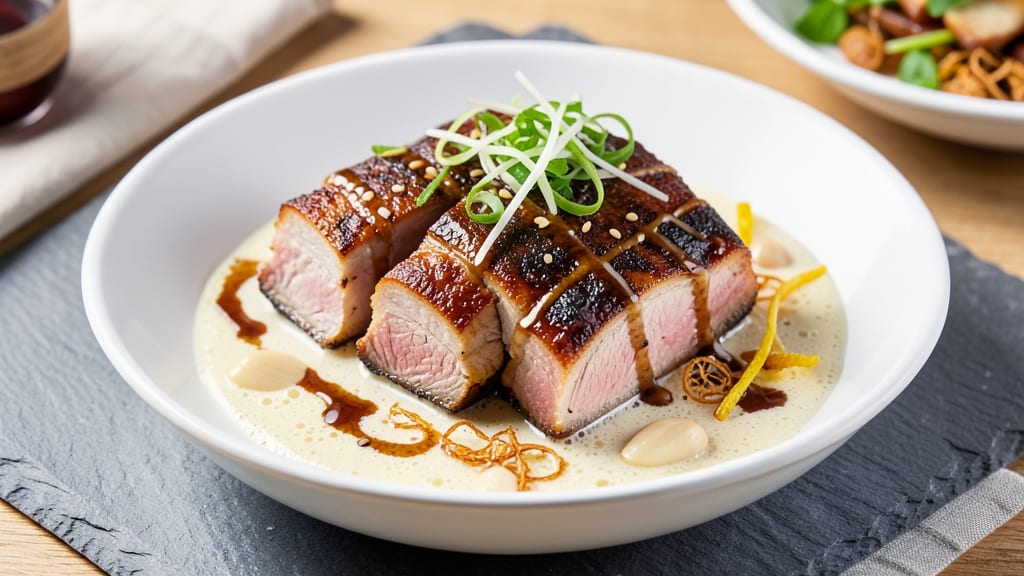
Adobo sa puti pork transforms tender pork shoulder into melt-in-your-mouth shreds bathed in a velvety coconut milk sauce—where Filipino comfort food meets restaurant-quality technique. This dish stands apart from traditional adobo sa kulay by replacing vinegar's sharp tang with coconut milk's creamy richness, creating a sauce that clings to every bite like liquid silk. I perfected this version after years of studying Filipino cooking in Charleston, where the balance of garlic, soy, and coconut became my signature approach.
The magic happens in the slow braising process, where pork shoulder breaks down into tender strands while absorbing the aromatic marinade of garlic, ginger, and soy.
Unlike darker adobo versions, this recipe relies on coconut milk to create a smooth, pale sauce that's equally delicious over rice or as a standalone dish.
The key is patience—allowing the pork to cook low and slow until it practically falls apart at the touch, while the sauce reduces to a luxurious consistency.
What you'll end up with is a dish that's creamy yet balanced, with pork so tender it dissolves on your tongue and a sauce that's rich without being heavy.
The aroma alone will have your kitchen smelling like a Filipino karinderia, while the presentation—piled high over steamed rice with pickled vegetables—makes it perfect for family gatherings or special occasions. This is pork cooking at its most refined, where technique meets tradition.
For best results, use bone-in pork shoulder for maximum flavor, and don't skip the resting time—it's what makes the meat truly fall apart. Pair with atchara (Filipino pickled papaya) for the classic tangy contrast, or serve with garlic fried rice for a heartier meal.
The leftovers reheat beautifully, making this a meal worth doubling.
Ingredients for adobo sa puti pork
Six ingredients transform simple pork into melt-in-your-mouth shreds with velvety coconut sauce magic.
| Ingredient | Amount | Notes |
|---|---|---|
| Bone-In Pork Shoulder 🥩 | 3 lb | Cut into 2-inch chunks |
| Coconut Milk 🥥 | 2 cans | Full-fat, 13.5 oz each |
| Soy Sauce 🍶 | ½ cup | Light or regular, not low-sodium |
| Fresh Ginger 🧄 | ½ cup | Finely grated, peel removed |
| Garlic Cloves 🧄 | 12 cloves | Minced, not pre-minced jar |
| Brown Sugar 🍯 | ¼ cup | Packed, not granulated |
| Black Peppercorns 🌶️ | 1 tbsp | Crushed, not ground |
| Bay Leaves 🌿 | 2 whole | Dried, for depth of flavor |
| Green Onions 🧅 | 4 whole | White and green parts separated |
| White Wine 🍷 | ½ cup | Dry, not sweet |
| Olive Oil 🫒 | 2 tbsp | For searing pork |
| Salt 🧂 | 1 ½ tsp | Kosher or sea salt |
The pork shoulder is non-negotiable here—bone-in gives the best flavor, and 3 lbs is perfect for a crowd. Look for well-marbled cuts at Whole Foods or your local butcher shop; the extra fat renders down into the sauce, creating that luxurious texture. If you can't find bone-in, bone-less pork butt works too, but trim any excess fat first. The coconut milk? Full-fat only—the richness is what makes this sauce sing. I always grab two cans of Thai Kitchen brand from the Asian market; it's consistent and affordable. Fresh ginger and garlic are musts—pre-minced or jarred versions just don't cut it in this dish.
No coconut milk? Heavy cream mixed with a splash of milk gets you close, though it won't be as rich. Running short on soy sauce? Coconut aminos at double the amount works in a pinch, but the umami won't be identical. The brown sugar is key for balance—don't swap for white unless you're willing to add a pinch of molasses. Green onions are optional but add that final pop of color and brightness. For the wine, any dry white will do—Sauvignon Blanc or Pinot Grigio both work perfectly. The black peppercorns should be crushed just before adding to release their oils; grinding them first would make them too fine and bitter.
Pork chunks keep best in the fridge for 3 days before cooking, but you can freeze them for up to 3 months if prepping ahead. The finished dish reheats beautifully—just add a splash of water or coconut milk to prevent drying out. I always make a double batch because the leftovers are even better the next day. Store in an airtight container with the sauce spooned over the top to keep it moist. This dish freezes wonderfully too—portion into single-serving containers for easy lunches later.
Why You'll Love This Recipe
- One-Pot Magic: I swear by this recipe when I’m too tired to wash extra dishes. The pork shoulder braises right in the same pot with coconut milk and soy sauce—no straining, no fuss, just rich, caramelized flavors that taste like they simmered all day.
- Ginger-Garlic Bomb: That first bite? It’s like a flavor explosion. The fresh ginger and garlic cloves mellow into something deep and savory, while the coconut milk keeps it creamy without overpowering. Honestly, my husband always asks for seconds before I even finish serving.
- Leftovers That Don’t Suck: Between us, most braised pork leftovers turn out dry or bland. Not this. The sauce clings to the meat, so reheating is just a matter of warming it through—no soggy bits, just that same rich, satisfying bite. I meal prep this all the time.
- Budget-Friendly Feast: Bone-in pork shoulder stretches across meals, and the ingredients? Basic pantry staples. A can of coconut milk, a few cloves of garlic, some ginger—I’m not kidding, this feeds four for under $15. That’s a win for my wallet and my taste buds.
Step-by-step instructions for adobo sa puti pork
Here's how to create that signature creamy coconut milk sauce over tender pork.
Sear the Pork Shoulder for Deep Flavor
Heat a large Dutch oven over medium-high heat and add the 2 tablespoons olive oil. Once shimmering, add the 3 lb bone-in pork shoulder cut into 2-inch chunks, working in batches if needed. Let the pork sear undisturbed for 3-4 minutes per side until deeply browned and crispy in spots. This step builds the rich foundation for your sauce.
As you sear, you'll notice the pork releases its juices and fat into the pot. Don't rush this process—those browned bits are packed with flavor that will dissolve into your sauce later. Once all pieces are golden, remove them and set aside on a plate. You'll come back to them once your aromatics are ready.
Build the Aromatic Base
In the same Dutch oven, add the 0.5 cup finely grated fresh ginger and 12 cloves minced garlic. Cook over medium heat for 1-2 minutes until the ginger becomes fragrant and the garlic turns golden—don't let it burn. This is where the magic happens as these aromatics infuse the oil with their bright flavors.
Next, stir in the 0.5 cup soy sauce, 0.25 cup packed brown sugar, 1 tablespoon crushed black peppercorns, and 1.5 teaspoons salt. Add the 2 whole bay leaves and pour in the 0.5 cup white wine. Scrape up any browned bits from the bottom of the pot with a wooden spoon—this is called deglazing and captures all that delicious flavor.
Simmer the Pork in the Sauce
Return the seared pork to the Dutch oven, along with any accumulated juices. Pour in the 2 cans coconut milk and stir gently to combine. Bring the mixture to a gentle simmer over medium-low heat. Here's the key: maintain a steady simmer for 1 hour, partially covered, stirring occasionally. You want the pork to cook slowly in its own juices and coconut milk.
After the initial hour, check the sauce consistency. If it's too thin, uncover and simmer for another 15-20 minutes to reduce slightly. The sauce should coat the back of a spoon but still be velvety. The pork is done when it shreds easily with two forks—this usually takes about 2-2.5 hours total cooking time.
Finish and Garnish
Once the pork is tender, remove it from the sauce and shred it directly in the pot using two forks. Return the shredded pork to the sauce and stir gently to combine. Taste and adjust seasoning if needed—you might want to add a bit more soy sauce for saltiness or brown sugar for sweetness.
Remove the 2 bay leaves and stir in the white parts of the 4 whole green onions. For garnish, finely chop the green parts and sprinkle them over the top. Serve the adobo sa puti immediately over steamed white rice, allowing that creamy coconut sauce to coat every bite.
Pro Tips For Making Adobo Sa Puti Pork
- Sear the Pork First: Don’t skip the browning—get that pork shoulder sizzling in a hot pan for 5-6 minutes per side before simmering. The Maillard reaction kicks in here, and that caramelized crust is what makes the dish taste deeper, not just richer from the coconut milk. (Yes, even if you’re impatient like me.)
- Use Thick Coconut Milk: Split the can—save the thick cream from the bottom for the sauce, and use the lighter milk for the initial simmer. The cream adds that velvety texture and prevents the sauce from splitting when you add soy sauce. I learned this the hard way after my sauce curdled like cottage cheese.
- Simmer Low and Slow: Once the pork hits 165°F (74°C), drop the heat to a bare simmer and cover the pot. Too much heat now will turn the coconut milk grainy, and you’ll end up with a thin, watery sauce instead of that luscious white adobo. Trust me, the extra 20 minutes at low heat is worth it.
- Grate the Ginger: Skip the mincing—grate the ginger with a microplane for maximum flavor without bitterness. Fresh ginger loses its punch when chopped, and you’ll need about 2 tablespoons (packed) for the right balance with the garlic. (Your future self will thank you.)
Wine and beer pairings for this adobo sa puti pork
Filipino White Wine Pairings
For this creamy coconut masterpiece, I reach for crisp, aromatic whites with enough acidity to cut through the richness. A dry Pinot Grigio from Italy—like the Santa Margherita—is my go-to, as its citrus notes complement the ginger and garlic beautifully.
The slight mineral finish balances the coconut milk's sweetness without overpowering it. 🍷
If you prefer something with more body, a Sauvignon Blanc from New Zealand shines here. The herbal notes in Oyster Bay or Kim Crawford varieties echo the fresh ginger in the dish, creating a harmonious pairing.
For a local twist, try a Filipino white wine like Petron White, which has a tropical fruit profile that mirrors the coconut milk's richness.
Beer Complements
A light, crisp lager like San Miguel—the classic Filipino beer—is perfect for balancing the dish's creaminess. Its subtle malt sweetness and clean finish let the pork and coconut flavors take center stage.
For craft beer lovers, a Belgian Witbier like Hoegaarden adds a refreshing citrus and coriander note that contrasts nicely with the dish's warmth. 🍺
Avoid heavy stouts or dark ales—they'll clash with the delicate coconut sauce. Instead, opt for something with a wheat beer profile or a dry Riesling if you prefer wine. The key is to let the dish's flavors shine while adding a refreshing contrast.
Non-Alcoholic Options
For a non-alcoholic pairing, I love serving this dish with a sparkling yuzu soda—its citrusy brightness cuts through the richness. Alternatively, a ginger beer like Feather's adds warmth that complements the ginger in the sauce.
For something more traditional, try hibiscus tea (sampalok)—its tartness balances the coconut perfectly. 💛
If you're serving this at a gathering, offer both alcoholic and non-alcoholic options. The contrast of a crisp white wine or light beer against the creamy pork creates a memorable dining experience that highlights all the flavors.
Nutrition facts
Frequently asked questions
What makes this adobo sa puti different from regular adobo?
This version uses coconut milk instead of vinegar, creating a creamy white sauce instead of the traditional dark, tangy adobo. The sauce is velvety and rich, with a subtle sweetness from brown sugar and soy sauce, while still keeping the signature umami depth. It's like a cross between Filipino comfort food and a velouté.
Can I use pork tenderloin instead of pork shoulder?
Pork tenderloin will work, but it's not ideal—it's leaner and cooks much faster, so you'll end up with dry meat. For best results, stick with bone-in pork shoulder (or pork butt) which stays juicy during the long braising time. If you must use tenderloin, cut it into 1-inch pieces and reduce cooking time to 45-60 minutes total.
How do I know when the pork is fully tender?
The pork is done when it shreds easily with two forks—no resistance at all. Test a piece after 2 hours of cooking. If it's still slightly firm, return it to the pot and cook another 15-20 minutes. Overcooking can make it mushy, so aim for that perfect "fall-apart" texture where it practically dissolves on your tongue.
What can I serve with adobo sa puti?
This dish is perfect with steamed jasmine rice to soak up the creamy sauce. For extra Filipino flair, add atchara (pickled papaya) for tangy contrast or garlic fried rice for a heartier meal. A simple side salad with lime dressing also works well to balance the richness. The sauce pairs beautifully with both rice and noodles too!
Can I make this in a slow cooker?
Sear the pork first, then transfer everything (including the sauce ingredients) to your slow cooker. Cook on low for 6-7 hours or high for 4-5 hours, then shred the pork and reduce the sauce on the stovetop for 10-15 minutes to thicken it. The slow cooker method gives you even more tender meat with minimal effort.