
Main Courses
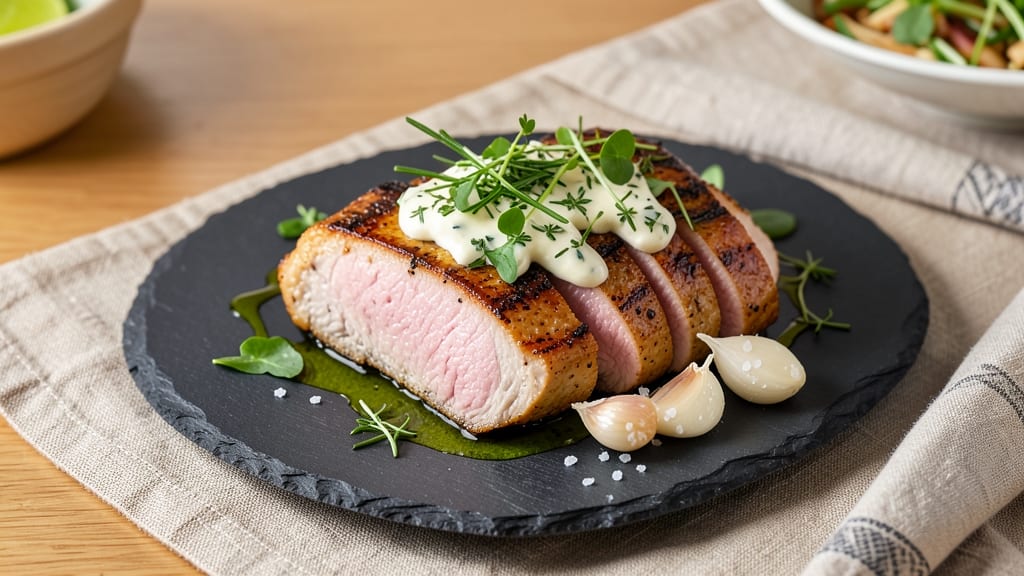
This AIP pork tenderloin recipe delivers restaurant-quality results with a crisp herb crust that seals in every tender bite. 🔥 I’ve perfected this technique over years of cooking for crowds—no dry, overcooked pork here.
The secret lies in precise seasoning and a high-heat sear that locks in moisture while creating that coveted golden crust.
What sets this recipe apart is the balance of simplicity and professional technique. With just a handful of pantry staples and 20 minutes of active prep, you’ll achieve a dish that rivals any steakhouse.
The herb crust isn’t just decorative—it adds layers of flavor while keeping the meat impossibly tender inside.
By the time you serve this, your guests will be asking for the recipe. The pork emerges with a crisp exterior and pink, juicy centers, perfectly balanced between savory and aromatic.
Pair it with roasted vegetables or a fresh salad for a complete meal that feels special without the fuss.
This method works for weeknight dinners or holiday feasts—scalable, foolproof, and always impressive. Let’s get cooking!
Ingredients for aip pork tenderloin
Twelve ingredients deliver restaurant-quality AIP pork tenderloin with crisp herb crust and juicy pink centers.
| Ingredient | Amount | Notes |
|---|---|---|
| Pork Tenderloin 🥩 | 1 ½ lb | Center-cut, trimmed of silver skin |
| Extra-Virgin Olive Oil 🫒 | ¼ cup | High-quality, fruity variety |
| Fresh Rosemary 🌿 | ¼ cup | Finely chopped, stems removed |
| Fresh Thyme 🌿 | 0.15 cup | Leaves only, finely chopped |
| Garlic Cloves 🧄 | 4 cloves | Minced, not powdered |
| Sea Salt 🧂 | 1 ½ tsp | Diamond Crystal preferred |
| Ground Black Pepper 🌶️ | ½ tsp | Freshly cracked |
| Coconut Aminos 🥄 | 2 tbsp | For umami depth |
| Fresh Ginger 🌿 | 1 tbsp | Finely grated, zesty |
| Coconut Oil 🥥 | 1 tbsp | For searing, not butter |
| Lemon Juice 🍋 | 1 tbsp | Freshly squeezed |
| Coconut Milk 🥥 | ¼ cup | Full-fat, for basting |
| Coconut Flour 🌾 | 2 tbsp | For crust texture |
The pork tenderloin must be center-cut—ask your butcher for the most uniform piece. Trim any silver skin before cooking, as it can prevent even browning. For the herbs, Whole Foods' organic section or local farmers markets yield the freshest rosemary and thyme, which is critical for that aromatic crust. The coconut aminos from Coconut Secret brand provide the umami backbone without soy, and always grate fresh ginger—pre-shredded loses its zing quickly. Diamond Crystal sea salt is preferred here for its coarse texture, which adheres better to the crust.
No coconut aminos? Coconut Secret brand is the gold standard, but Bragg liquid aminos (check for AIP compliance) works in a pinch. Fresh herbs can be substituted with dried at one-third the amount, but texture suffers. For the crust, coconut flour is non-negotiable—it creates that perfect crisp without gluten. The coconut milk should be full-fat for basting richness, and always use freshly squeezed lemon juice—bottled lacks brightness. If you're short on time, pre-minced garlic from the refrigerated section works, but fresh is always superior for flavor development.
Store the pork in its original packaging in the coldest part of your fridge for up to 2 days. Fresh herbs should be wrapped in damp paper towels and sealed in a bag for 5 days of maximum freshness. The herb crust mix (olive oil, coconut flour, and seasonings) can be prepped 1 day ahead and stored in an airtight container. Once cooked, pork reheats beautifully—10 minutes at 350°F with a splash of coconut milk restores moisture. For meal prep, slice against the grain and portion with roasted vegetables for easy grab-and-go meals.
Why You'll Love This Recipe
- One-Pan Magic: I swear by this recipe when I’m too tired to scrub a million dishes. Just sear the pork, toss in the garlic, herbs, and olive oil—no extra pans, no stress. The rosemary and thyme cling to the meat like a cozy blanket, and the olive oil keeps everything juicy without needing a sauce.
- Herb Bomb Flavor: Between us, this isn’t your basic pork dish. The fresh rosemary and thyme, smashed garlic, and that rich olive oil create a savory punch that’s ridiculously good—no fancy marinades or secret spices. It’s the kind of flavor that makes you close your eyes and take a second bite.
- Meal Prep MVP: I make this on Sundays and it lasts me all week. The pork slices beautifully for salads, wraps, or even cold cuts (yes, it’s that good). Honestly, it’s my go-to when I need something hearty but don’t want to slave over dinner night after night.
- Budget-Friendly Protein: Pork tenderloin is lean, affordable, and packed with flavor—no need for expensive cuts. A single loin feeds four, and leftovers reheat like a dream. I’ll be real: it’s my secret weapon for stretching groceries without sacrificing taste.
Step-by-step instructions for AIP pork tenderloin
Master this technique and you'll achieve perfectly tender pork with a crispy herb crust every time.
👨🍳 Step 1: Create the Herb Crust Mixture
In a small bowl, combine the 0.25 cup fresh rosemary, 0.15 cup fresh thyme, 4 minced garlic cloves, 1.5 tsp sea salt, and 0.5 tsp ground black pepper. This aromatic blend forms the foundation of our flavorful crust. I like to use my fingers to gently massage the herbs between my palms for about 10 seconds—this releases their essential oils and intensifies the flavor.
In a separate small bowl, whisk together the 2 tbsp coconut aminos, 1 tbsp freshly grated ginger, 1 tbsp lemon juice, and 2 tbsp coconut flour. This creates a binding paste that will adhere beautifully to the pork. The coconut aminos add that essential umami depth while the lemon juice brightens the overall flavor profile. Let this mixture sit for 2 minutes while you prepare the pork.
🔥 Step 2: Sear the Pork for Maximum Flavor
Preheat your oven to 400°F. Pat the 1.5 lb pork tenderloin completely dry with paper towels—this is critical for achieving that perfect crispy crust. The drier the surface, the better the crust will form. Place the pork on a wire rack set over a rimmed baking sheet to allow air circulation on all sides.
Heat 1 tbsp coconut oil in a large oven-safe skillet over medium-high heat. Once the oil is shimmering, carefully add the pork and sear for 2-3 minutes per side until it develops a golden-brown crust. You'll see the edges start to crisp—that's your signal to flip. The high heat helps lock in juices while creating that beautiful crust we're after.
🥘 Step 3: Coat and Baste the Pork
Remove the skillet from the heat and immediately brush the seared pork with 0.25 cup extra-virgin olive oil using a silicone brush. This step ensures our crust will stick perfectly. Then, using your hands, press the herb mixture firmly onto all sides of the pork, working it into the surface so it adheres completely.
Return the skillet to the oven and roast for 20-25 minutes until the internal temperature reaches 145°F (measured with a meat thermometer). During the last 5 minutes of cooking, pour 0.25 cup coconut milk into the skillet and baste the pork with it every 2 minutes. This basting technique creates a beautiful glossy finish while keeping the meat incredibly moist.
⏰ Step 4: Rest for Perfect Texture
Remove the pork from the oven and transfer it to a cutting board. Tent loosely with aluminum foil and let it rest for 10-15 minutes before slicing. This resting period is absolutely crucial—it allows the juices to redistribute throughout the meat, ensuring each slice remains tender and juicy. Real talk: Skipping this step means dry, tough pork. Don't skip it (I learned the hard way).
While the pork rests, you can use the pan juices to create a quick sauce by reducing them over medium heat for 3-4 minutes until slightly thickened. The herbs will infuse the sauce with their flavors, creating a perfect complement to your perfectly cooked pork tenderloin.
Pro Tips For Making Aip Pork Tenderloin
- SEAR THE OIL FIRST: High heat for 30 seconds—this hot oil seals the meat better than cold drizzling. I used to pour olive oil straight from the bottle, but now I warm it first in the pan until it shimmers, then add the pork. The crust forms faster and stays intact when you flip.
- STRIP THYME LEAVES ONLY: Whole sprigs bruise and release bitterness when tossed raw. Pinch off the tiny leaves from thyme stems and scatter them over the pork after searing—this keeps their bright flavor instead of muddying the dish. (Yes, it’s tedious, but your taste buds will notice.)
- DON’T OVERCOOK THE GARLIC: Two minutes max in the pan—any longer and it burns into acrid sludge. Slice the cloves lengthwise (not crosswise) for more surface area, then add them to the pan after the pork starts browning. Remove them at 145°F internal temp—they’ll soften further while resting.
- LET IT REST UNDER FOIL: Skip the plate—wrap the seared pork in foil for 5–10 minutes. This traps steam and keeps the meat juicy while the center hits 145°F. I learned this the hard way when a slice fell apart because I sliced too soon. (Your knife will thank you.)
Serving suggestions for this dish
Herb-Roasted Vegetables
Roasted vegetables bring natural sweetness that complements the pork's savory crust beautifully. Toss 2 cups each of chopped carrots, zucchini, and bell peppers with 1 tbsp olive oil, ½ tsp sea salt, and ¼ tsp black pepper.
Roast at 400°F for 20 minutes alongside the pork—I often use the same baking sheet for efficiency. The caramelized edges add texture contrast and balance the dish's richness. 🥕
Simple Green Salad
A bright green salad cuts through the richness while adding freshness. Combine 4 cups baby spinach with ½ cup sliced cucumber, ¼ cup chopped red onion, and ¼ cup toasted walnuts.
Whisk together 2 tbsp olive oil, 1 tbsp lemon juice, and ½ tsp sea salt for the dressing. Toss just before serving to maintain crispness. This keeps the meal light and balanced.
Coconut Rice Pilaf
For a heartier option, prepare a fragrant coconut rice pilaf using 1 cup jasmine rice, 1 cup coconut milk, and 1 cup vegetable broth. Cook until tender, then stir in 1 tbsp coconut aminos and 1 tsp grated ginger for extra depth.
The creamy texture pairs perfectly with the crispy pork, creating a complete meal with every bite. I often make a double batch for leftovers.
Garnish with Fresh Herbs
Before serving, garnish the pork with additional fresh herbs for a pop of color and flavor. A sprinkle of chopped parsley or thyme leaves adds visual appeal and fresh aroma.
For extra flair, drizzle with a few drops of lemon juice to brighten the dish. This finishing touch makes your presentation look restaurant-quality while enhancing the natural flavors. 🌿
Warm Coconut Sauce
Use the pan juices from cooking to create a quick coconut sauce. After basting, reduce the remaining juices with ¼ cup coconut milk and 1 tsp coconut aminos over medium heat until slightly thickened.
Drizzle this glossy sauce over the sliced pork for added moisture and depth. The sauce's richness complements the herb crust beautifully, elevating the dish to new heights. 🥥
Presentation Tips
Slice the pork against the grain into ½-inch thick slices for optimal tenderness. Arrange the slices on a warm platter with the roasted vegetables or salad surrounding them. For extra elegance, fan the slices slightly and garnish with a sprig of fresh rosemary.
This plating technique makes your dish look as delicious as it tastes, perfect for special occasions or weekend family meals. 🍽️
Nutrition facts
Frequently asked questions
Can I substitute pork tenderloin with another protein for this recipe?
While pork tenderloin is ideal for this method, you could use chicken thighs or beef tenderloin as alternatives. Adjust cooking times—chicken typically needs 15-20 minutes at 400°F to reach 165°F internal temperature. For beef, aim for 135°F and reduce basting time to 3-4 minutes to avoid overcooking.
How do I ensure the herb crust stays crispy?
Pat the pork completely dry before searing—moisture prevents crispiness. Use coconut flour in the crust mix (it's gluten-free and creates texture). For extra crunch, broil for 1-2 minutes at the end of cooking. Serve immediately to maintain crispness, or reheat in a 350°F oven for 5 minutes with a splash of coconut milk.
What if my pork comes out dry?
Overcooking is the usual culprit—always use a meat thermometer! For 145°F internal temp, pork tenderloin should cook in 20-25 minutes. If dryness happens, try brining the pork for 30 minutes in 1 cup warm water + 1 tbsp coconut aminos + 1 tbsp sea salt before cooking. Also, baste more frequently with coconut milk during the last 5 minutes.
Can I make this recipe ahead of time?
Yes! Cook the pork as directed, then refrigerate for up to 3 days or freeze for 2 months. Reheat in a 350°F oven for 10-12 minutes with a splash of coconut milk. For best texture, slice against the grain and serve with reheated sides. The crust may soften slightly, but the flavor remains intact.
What’s the best way to slice pork tenderloin?
Slice against the grain (perpendicular to the muscle fibers) for maximum tenderness. Use a sharp knife and cut into ½-inch thick slices. For even slices, first cut the pork in half lengthwise, then slice crosswise. This method ensures each bite melts in your mouth while maintaining the herb crust's integrity.