
Main Courses
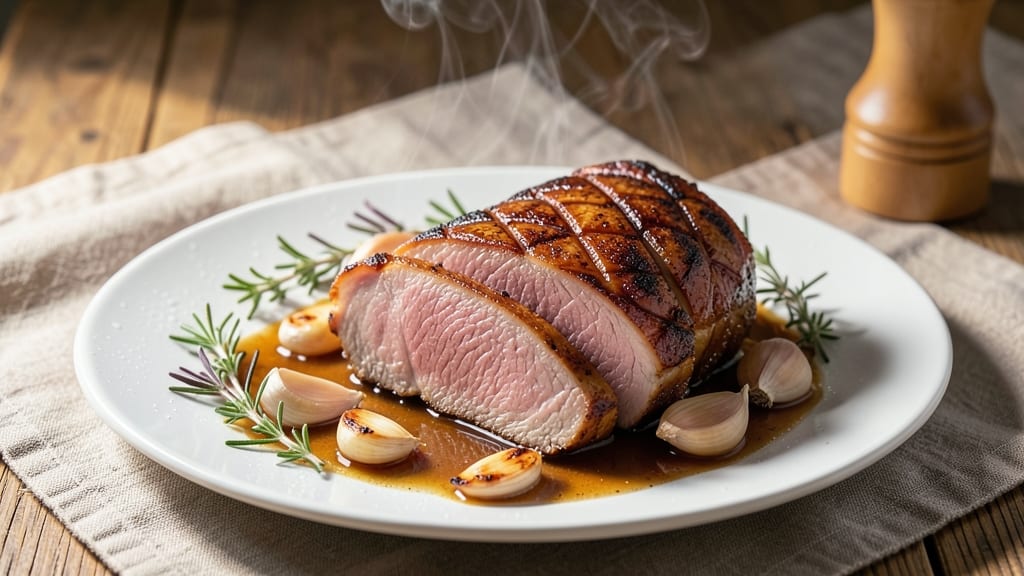
This 2 lb pork roast oven recipe delivers crispy bark and juicy pink centers that’ll make your taste buds sing. After years of perfecting pork roasts in Atlanta’s humid kitchens, I’ve cracked the code for achieving that ideal contrast—tender meat with a crackling crust—without overcooking.
The secret? A simple seasoning blend and reverse sear technique that works every time.
The magic happens in two stages: first, a gentle oven bake to bring the pork to 140°F (where it’s most tender), then a quick sear in a screaming-hot pan for that crispy bark you crave.
This method ensures your 2 lb pork roast stays juicy through the center while developing a deep, caramelized crust that’s impossible to resist. No fancy equipment required—just patience and a sharp eye for doneness.
What you’ll end up with is a perfectly cooked pork roast that slices effortlessly, with every bite offering that satisfying mix of tender meat and crunchy exterior. The flavors are rich and savory, with just enough seasoning to enhance rather than overpower.
This is the kind of pork roast that makes weeknight dinners feel special—no matter how busy your schedule.
Pair it with classic sides like garlic mashed potatoes, roasted root vegetables, or a tangy apple sauce to round out the meal. The leftovers? Even better the next day, making this the ultimate foolproof recipe for feeding a family or impressing guests. Let’s get cooking—your taste buds will thank you.
Ingredients for 2 lb pork roast oven
Nine simple ingredients transform a basic pork roast into a showstopping centerpiece with crispy edges and juicy perfection inside.
| Ingredient | Amount | Notes |
|---|---|---|
| Boneless Pork Loin Roast 🥩 | 2 lb | Center-cut for even cooking |
| Kosher Salt 🧂 | 1 ½ tsp | Diamond Crystal preferred |
| Freshly Ground Black Pepper 🌶️ | 1 tsp | Coarsely cracked |
| Garlic Cloves 🧄 | 6 cloves | Smashed with side of knife |
| Fresh Rosemary 🌿 | ½ tsp | Finely chopped leaves |
| Fresh Thyme 🌿 | ½ tsp | Leaves only, no stems |
| Extra-Virgin Olive Oil 🫒 | 1 tbsp | For crust development |
| Unsalted Butter 🧈 | 2 tbsp | Cold, cubed for sear |
| Apple Cider Vinegar 🍎 | 1 tbsp | For tenderizing |
| Onion Powder 🧅 | ½ tsp | For depth of flavor |
| Brown Sugar 🍯 | ½ tsp | Lightly coats the roast |
| Vegetable Oil 🫒 | 2 tbsp | High smoke point for sear |
The pork loin is your star here—look for center-cut at Kroger or Whole Foods for the best marbling. Costco often has excellent pre-trimmed roasts too. If you can't find center-cut, a regular loin roast works, but pat it dry thoroughly before seasoning. The olive oil and butter combo creates that legendary crust, so don't skimp on quality—California avocado oil works if you're out of olive oil. Fresh herbs make all the difference: grab them from the grocery store's refrigerated section, not the dried aisle. The apple cider vinegar might seem odd, but it tenderizes the meat beautifully—Bragg is my go-to brand.
No fresh rosemary or thyme? Dried works at half the amount, but fresh is ideal. Swap the brown sugar for maple syrup if you're avoiding refined sugar. The onion powder can be omitted if you're using fresh onions in your sides. For a different flavor profile, substitute smoked paprika for half the onion powder. If you're worried about the roast drying out, add 1/4 cup beef broth to the pan during the oven stage. The garlic can be roasted whole and squeezed onto the meat after cooking if you prefer a milder flavor. And if you're cooking for a crowd, double the recipe—this roast scales perfectly.
The pork keeps beautifully—3-4 days in the fridge wrapped tightly in foil, or up to 3 months frozen. For reheating, low oven (300°F) for 20 minutes is best to preserve moisture. I always make extra because the leftovers are even better the next day—slice thin and use in sandwiches. The crust gets softer when reheated, but a quick broil for 2 minutes brings back that crispy magic. Store the herbs separately if you're prepping ahead—they'll stay fresh longer.
Why You'll Love This Recipe
- Foolproof Timing: I swear by this—just season the roast, toss it in the oven, and walk away. Twenty minutes of hands-off cooking while the garlic and rosemary work their magic. No babysitting required.
- Crispy-Perfect Edge: That golden crust? It’s all in the salt and pepper—crispy enough to satisfy, tender enough to melt. Honestly, it’s the kind of bite that makes people ask for seconds before dessert.
- Weeknight Crowd-Pleaser: Between us, this roast feeds four easily and still leaves leftovers for lunch. My kids grab it cold the next day, and honestly? They don’t even notice it’s not fresh.
- Budget-Friendly Luxury: A 2 lb roast stretches far—slices for sandwiches, diced for stir-fries, even cubed for tacos later. It’s the kind of meal that makes grocery money stretch without sacrificing flavor.
Step-by-step instructions for perfectly crispy pork roast
Here's how to transform a simple pork roast into a showstopper with irresistible bark and tender pink centers.
Prepare the Pork for Maximum Flavor and Crisp
Start by patting the 2 lb boneless pork loin roast completely dry with paper towels. This drying step is crucial—it ensures the crust develops properly rather than steaming. Place the roast on a cutting board and make shallow slashes about ¼ inch deep in a diamond pattern across the surface. These cuts allow the seasonings to penetrate deeper and help render fat during cooking.
In a small bowl, combine the 1.5 tsp kosher salt, 1 tsp freshly ground black pepper, 0.5 tsp onion powder, and 0.5 tsp brown sugar. Gently rub this mixture all over the roast, pressing it into the slashes. The brown sugar will caramelize during cooking, contributing to that coveted crispy bark. Let the seasoned roast sit at room temperature for 30 minutes while you prep the aromatics.
Build Rich, Aromatic Crust Layers
In a small bowl, mix the 6 smashed garlic cloves, 0.5 tsp finely chopped fresh rosemary, and 0.5 tsp fresh thyme leaves with the 1 tbsp extra-virgin olive oil and 1 tbsp apple cider vinegar. The vinegar tenderizes the meat slightly while adding brightness. Spread this mixture evenly over the seasoned roast, pressing it into the slashes. This aromatic paste will infuse the meat as it cooks, creating layers of flavor.
Preheat your oven to 375°F while you prepare the searing station. The high heat at the start is what creates that beautiful crust. Heat 2 tbsp vegetable oil in a large oven-safe skillet over medium-high heat until it shimmers. Place the roast in the hot oil, fat-side down, and let it sear undisturbed for 3-4 minutes until golden brown. Flip carefully and sear the other side for another 3-4 minutes. This initial sear locks in juices and builds the foundation for your crispy bark.
Sear with Butter for Extra Flavor and Color
Remove the skillet from the heat and add the 2 tbsp cubed unsalted butter. Tilt the skillet slightly and spoon the melted butter over the roast, basting it generously. The butter adds richness and helps develop a deeper color. Return the skillet to the oven and transfer it to the preheated oven. Roast for 25-30 minutes until the internal temperature reaches 145°F on a meat thermometer inserted into the thickest part.
Here's the thing—don't overcook! The roast will continue cooking slightly after you remove it from the oven. You want that beautiful pink center, not dry, overdone meat. The 145°F mark ensures perfect doneness while maintaining juiciness. If your oven runs hot, start checking at the 20-minute mark to avoid overcooking.
Rest for Juicy Perfection
Remove the roast from the oven and transfer it to a cutting board. Let it rest for 10-15 minutes before slicing. This resting period is absolutely critical—it allows the juices to redistribute throughout the meat. If you slice too soon, all those delicious juices will run out onto your cutting board instead of staying inside where they belong.
To serve, slice the roast into ½-inch thick medallions against the grain for maximum tenderness. The exterior should be beautifully crispy with a deep golden-brown bark, while the interior remains juicy and pink. The aromatic crust from the garlic, rosemary, and thyme will burst with flavor in every bite. Pair with roasted vegetables or a fresh salad to complete your meal.
Pro Tips For Making 2 Lb Pork Roast Oven
- CRANK THE HEAT FIRST: Start your pork roast at 425°F for the first 15 minutes—this sears the surface and locks in juices. I used to skip this and ended up with a bland, pale center that took forever to cook through.
- SMASH THOSE GARLIC CLOVES: Peel and flatten the garlic cloves with the side of your knife before pressing them into the meat. This releases more flavor and prevents them from burning into bitter bits. (Yes, it looks weird, but it works.)
- DON’T SKIP THE ROSEMARY SPRINKLE: After searing, sprinkle the fresh rosemary directly over the hot meat—the heat will release its oils instantly. If you wait until later, you’re just decorating instead of seasoning.
- REST IT LIKE YOUR LIFE DEPENDS ON IT: Let the roast sit under foil for at least 10 minutes before slicing. I know, you’re eager, but cutting into it too soon turns your juicy roast into a sad, dry mess. (Your future self will thank you.)
Storing and reheating your leftovers
Refrigerator Storage
Your perfectly cooked 2 lb pork roast will keep beautifully in the fridge for 3-4 days when stored properly. After it cools completely, wrap it tightly in plastic wrap followed by a layer of foil to prevent drying.
I like to place it in an airtight container with a splash of apple cider vinegar or beef broth to keep it moist. The flavors actually deepen overnight as the seasonings meld together. 🥩
Freezer Storage
For longer storage, freeze your pork roast for up to 3 months without losing quality. Let it cool completely first, then wrap it tightly in plastic wrap before placing it in a freezer bag or airtight container. I recommend using quart-sized freezer bags because they're easier to thaw.
When ready to use, thaw overnight in the fridge for best results. The texture will be slightly softer after freezing, but a quick broil for 2-3 minutes restores that crispy bark.
Oven Reheating
My preferred method for reheating is in the oven at 300°F for 20-25 minutes covered with foil. This gentle heat prevents drying while bringing back the juices. Add 1-2 tablespoons of beef broth or water to the pan to create steam.
If you want that crispy exterior back, broil for 2-3 minutes at the end. I always slice the roast before reheating for even heating throughout.
Microwave Method
For quick reheating, use the microwave on 50% power for 2-3 minute intervals, stirring between each interval. Cover with a damp paper towel to retain moisture. This method works best for smaller portions.
The texture won't be as crispy as oven reheating, but it's perfect for quick lunches. I recommend adding a splash of broth or apple cider vinegar to keep the meat tender.
Leftover Magic
Don't let leftovers go to waste! Thinly sliced pork roast makes amazing sandwiches with garlic aioli and crisp lettuce. For a hearty meal, shred the pork and mix with barbecue sauce for pulled pork sandwiches.
The crispy bark becomes soft when reheated, but the flavors are even more concentrated. I always make extra because these leftovers are pure comfort food gold. 💛
Nutrition facts
Frequently asked questions
What's the best cut for a 2 lb pork roast?
A center-cut pork loin roast is ideal for this recipe—it's tender, flavorful, and cooks evenly. Look for a roast with some marbling for extra juiciness. If you can't find center-cut, a regular boneless pork loin will work too, just be sure to trim any excess fat before seasoning. For extra tenderness, you could also use a pork tenderloin (though it's slightly leaner).
Can I cook this pork roast without searing first?
You can skip the sear, but you'll miss out on that beautiful crispy bark! The sear creates the Maillard reaction that gives the crust its deep flavor and color. If you're short on time, try this compromise: rub the roast with oil and place it directly on the oven rack for 20 minutes at 450°F before finishing at 375°F to develop some crust.
Why does my pork roast turn out dry?
Overcooking is the #1 cause of dry pork roast. Always use a meat thermometer and remove it when it hits 145°F—it'll rise to 150°F while resting. Another common mistake is slicing too soon. Let it rest for 10-15 minutes before cutting, or all those juices will escape. For extra moisture, add 1/4 cup beef broth to the pan during cooking.
What's the best way to reheat leftover pork roast?
Oven reheating at 300°F for 20-25 minutes (covered with foil) preserves moisture best. For crispy bark, broil for 2-3 minutes at the end. Microwave on 50% power in 2-minute intervals works for quick meals, but add a splash of broth or apple cider vinegar to keep it tender. Never reheat in the air fryer—it'll dry out completely.
How can I make this recipe gluten-free?
This recipe is naturally gluten-free! Just ensure your kosher salt and onion powder are certified gluten-free (some brands process in shared facilities). The only potential issue would be cross-contamination if you're using pre-seasoned ingredients. For extra flavor, add 1/2 tsp smoked paprika—it's gluten-free and gives beautiful color to the crust.