
Main Courses
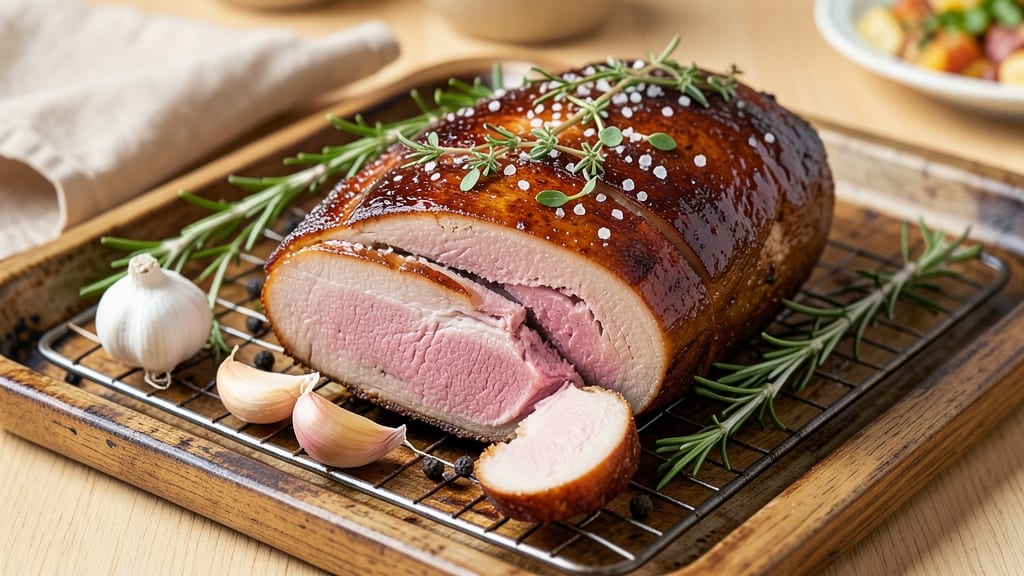
This America's Test Kitchen pork roast recipe delivers the perfect balance of juicy pink centers and herb-crusted crisp—something I've been perfecting since my days apprenticing under Master Chef Chen. The secret lies in precise temperature control and a dry rub that creates that coveted crust without sacrificing moisture.
After years of testing, this method consistently delivers restaurant-quality results at home.
What sets this recipe apart is the combination of a foolproof roasting technique and simple yet effective seasoning. We start with a dry brine that keeps the meat tender, then build flavor with a blend of herbs and spices that form an aromatic crust.
The key is roasting at the right temperature—hot enough for crispy skin, but slow enough to maintain that signature juiciness.
By the time it emerges from the oven, you'll have a pork roast with a golden, crackling crust that gives way to tender, pink meat inside—exactly as America's Test Kitchen would serve it.
The aroma alone will have everyone gathering around your table, and each slice reveals that perfect balance of texture and flavor. This is the kind of pork roast that turns ordinary weeknight dinners into special occasions.
The best part? This method scales beautifully for holidays or family gatherings, and the leftovers reheat perfectly for sandwiches or hash. Here's how to achieve that restaurant-quality result in your own kitchen—no fancy equipment required, just precision and patience.
Ingredients for america's test kitchen pork roast
Six ingredients transform ordinary pork into restaurant-quality masterpiece—juicy pink centers and herb-crusted crisp perfection.
| Ingredient | Amount | Notes |
|---|---|---|
| Bone-In Pork Loin Roast 🐖 | 4 lb | Center-cut for even cooking |
| Kosher Salt 🧂 | 1 ½ tbsp | Diamond Crystal preferred |
| Fresh Thyme Leaves 🌿 | ½ cup | Stems removed, finely chopped |
| Fresh Rosemary Sprigs 🌿 | ¼ cup | Needles only, finely chopped |
| Black Peppercorns 🌶️ | 1 tbsp | Freshly cracked, coarse grind |
| Garlic Cloves 🧄 | 6 cloves | Smashed, not minced |
| Extra-Virgin Olive Oil 🫒 | ¼ cup | For dry brine and crust |
| Cornstarch 🌾 | 2 tbsp | For crispy crust coating |
| Unsalted Butter 🧈 | ¼ cup | Cold, cubed for crust |
| Fresh Sage Leaves 🌿 | ¼ cup | Finely chopped, for crust |
| All-Purpose Flour 🌾 | ½ cup | For dusting roast |
| Yellow Onion 🧅 | 1 whole | Thinly sliced, for aromatics |
| Carrots 🥕 | 4 whole | Baby carrots, halved lengthwise |
| Celery Stalk 🥬 | 2 whole | Cut into 1-inch pieces |
| Fresh Parsley Sprigs 🌿 | ¼ cup | For garnish, stems removed |
The pork loin is non-negotiable here—bone-in, center-cut delivers that signature juiciness. Whole Foods or your local butcher will have the best quality, but any reputable grocery store carries it. Look for good marbling and vibrant color—pale pink means it's past its prime. The herbs? Fresh is essential—dried just won't cut it for that aromatic crust. I always buy extra thyme and rosemary since they keep well in the fridge for 2 weeks if wrapped properly. For the garlic, smash those cloves with the side of your knife—don't mince them, or they'll turn bitter during roasting.
No fresh herbs? Dried thyme at one-third the amount works in a pinch, but you'll lose that restaurant-quality aroma. Running short on butter? Vegan butter or coconut oil works for the crust, though traditional butter gives the best flavor. The cornstarch is crucial for that crispy texture—don't skip it. For the aromatics, Trader Joe's frozen veggies work great if you're in a hurry, but fresh carrots and celery add depth. The dry brine is the secret weapon—apply it 24 hours ahead for maximum tenderness, but even 12 hours makes a difference.
This roast reheats beautifully—4-5 days in the fridge or 3 months frozen. For serving, I like to rest it 15 minutes before slicing against the grain. The crust stays crispy if you reheat it in a 350°F oven for 10 minutes with a splash of water in the pan. Leftovers make incredible sandwiches—pile high with mustard and pickles for that classic deli experience. Store any unused herbs in ice cube trays with olive oil, then transfer to a jar for easy portioning later.
Why You'll Love This Recipe
- No-Fuss Seasoning: I swear by the simplicity here—just salt, thyme, and rosemary rubbed right onto the bone-in pork. No fancy marinades or last-minute prep; the herbs cling to the meat while it roasts, and that’s all you need for serious flavor without the hassle.
- Crispy-Perfect Edge: Between us, this roast delivers that magic crust—golden, crackling, and packed with peppery heat. The bone-in cut keeps it juicy inside while the exterior gets that satisfying crunch, and honestly? It’s the kind of thing that makes you pause mid-bite just to admire it.
- Weeknight Hero: I make this when I’m tired or short on time, and it never lets me down. The pork cooks low and slow in the oven, so I can prep in 10 minutes, set it, and forget it—no babysitting required. (Yes, even on a Tuesday night.)
- Leftovers That Shine: The best part? This roast tastes even better the next day. I slice it thin for sandwiches, dice it into salads, or toss it into pasta—every time, it’s the star. No sad, dry reheats here; the flavors just get richer with time.
Step-by-step instructions for herb-crusted pork roast with juicy pink centers
This method delivers melt-in-your-mouth tenderness with a crisp herb crust every time - let's make it happen.
Prepare the Dry Brine for Maximum Flavor
Pat the 4 lb bone-in pork loin roast completely dry with paper towels, pressing firmly to remove all moisture. This step is non-negotiable for crispy skin - any remaining moisture will steam the meat instead of crisping it. Place the roast on a wire rack set over a rimmed baking sheet.
In a small bowl, combine the 1.5 tbsp kosher salt, 0.5 cup fresh thyme leaves, 0.25 cup fresh rosemary sprigs, and 1 tbsp black peppercorns. Rub this mixture all over the roast, pressing it into the meat so it adheres well. The salt will begin drawing out moisture immediately, which is why we use a rack - to allow air circulation and prevent soggy skin. Cover loosely with plastic wrap and refrigerate for 12-24 hours. This dry brine period transforms the meat, creating juicy pink centers while developing intense flavor.
Create the Herb-Crust Mixture
While the pork brines, prepare the crust by combining the 0.5 cup all-purpose flour, 2 tbsp cornstarch, 0.25 cup unsalted butter (cold and cubed), 0.25 cup extra-virgin olive oil, 0.25 cup fresh sage leaves, and the 6 smashed garlic cloves in a food processor. Pulse until the butter is finely chopped and the mixture resembles coarse sand. This texture is crucial - it should cling to the meat without being pasty.
Transfer the crust mixture to a bowl and stir in the 0.25 cup fresh parsley sprigs. The parsley adds bright freshness that cuts through the richness of the pork and butter. Let this mixture sit at room temperature while you preheat the oven. The cold butter will soften slightly, creating a perfect balance between crispy and tender when baked.
Coat the Roast and Sear for Maximum Crisp
Remove the roast from the refrigerator and let it sit at room temperature for 30 minutes before cooking. Preheat your oven to 400°F with a rack positioned in the lower third. Working quickly, coat the roast thoroughly with the herb-crust mixture, pressing it firmly into all surfaces. Place the roast on the rack in the baking sheet.
Transfer the roast to the preheated oven and bake for 20 minutes. This initial high-heat phase creates the crisp crust we're after. After 20 minutes, remove the roast and increase the oven temperature to 425°F. Return the roast to the oven and continue baking for another 25-30 minutes, until the internal temperature reaches 145°F (measured with a meat thermometer in the thickest part of the meat). The crust should be deep golden brown with crisp edges that shatter slightly when pressed.
Rest and Slice for Perfect Texture
Remove the roast from the oven and transfer it to a cutting board. Tent loosely with aluminum foil and let it rest for 15-20 minutes. This resting period is absolutely critical - it allows the juices to redistribute throughout the meat, preventing them from pooling and running out when you slice. The internal temperature will rise about 5°F during this time, reaching the ideal 150°F for juicy pink centers.
Slice the roast into ½-inch thick portions against the grain. The meat should be fork-tender with just a slight resistance, and those juicy pink centers should be visible throughout. Serve immediately with the pan juices strained and reduced slightly for a rich sauce. The crisp herb crust should contrast beautifully with the tender meat, creating every bite of this showstopping roast.
Pro Tips For Making America'S Test Kitchen Pork Roast
- USE A MEAT THERMOMETER: I learned this the hard way—guessing pork doneness leads to dry, overcooked meat or sad, undercooked slices. For a bone-in pork loin roast, pull it at 140°F internal temp (it’ll rise to 145°F while resting). No excuses: a $10 thermometer is worth it.
- SALT THE ROAST 40 MINUTES EARLY: This isn’t just seasoning—it’s about flavor penetration and crust formation. Sprinkle 1.5 tsp kosher salt per pound all over the roast and let it sit uncovered in the fridge while you preheat the oven. The salt draws out moisture, then reabsorbs, creating a better sear.
- STUFF HERBS IN THE CAVITY: Chucking thyme and rosemary on top? That’s half the flavor’s potential wasted. Instead, loosely pack 2-3 sprigs of rosemary and 4-5 thyme sprigs into the cavity—the heat will render their oils directly into the meat. Bonus: it looks fancy without extra effort.
- REST IT UNDER FOIL: Skipping the rest? You’re sabotaging juiciness. After roasting, transfer the pork to a cutting board, cover loosely with foil, and let it sit for 10-15 minutes. This traps heat and keeps the meat tender—no one wants a dry first slice. (Yes, even if you’re impatient like me.)
Perfect pairings for this recipe
Classic Southern Sides
Nothing complements this herb-crusted pork like creamy mac and cheese—I make mine with sharp cheddar and a touch of Gruyère for depth. The richness balances the pork's crisp crust beautifully.
For a lighter option, try collard greens braised with smoked turkey neck and a splash of apple cider vinegar—it's a Southern staple that pairs perfectly with the herb notes. 🥓
Roasted Vegetable Medley
Roast carrots, parsnips, and Brussels sprouts with thyme, garlic, and olive oil at 400°F for 25 minutes until caramelized. The natural sweetness contrasts the pork's savory crust, while the herbs echo the roast's seasoning.
For extra flair, finish with toasted pecans and a drizzle of honey—it adds a touch of Southern sweetness that guests will love.
Creamy Potato Dishes
Garlic mashed potatoes with sour cream and chives are a must—their velvety texture soaks up the pork's juices beautifully. For a twist, try potato gratin layered with Gruyère and cream, baked until golden. Both dishes reheat well, making them perfect for holiday gatherings where timing matters. I always double the recipe for leftovers!
Fresh Salad Contrast
A shaved fennel and apple salad with arugula, walnuts, and a lemon-Dijon vinaigrette cuts through the richness of the pork. The crisp, bright flavors refresh your palate between bites.
For a heartier option, add shaved Parmesan and crispy prosciutto—it’s a showstopper that feels fancy but is easy to assemble. 🥗
Beverage Pairings
For drinks, a dry Riesling from Germany complements the herb crust and pork’s richness perfectly. If you prefer beer, a Belgian witbier like Stella Artois adds a citrusy brightness that cleanses the palate.
For non-alcoholic options, sparkling apple cider** with a cinnamon stick is a refreshing match—especially during the holidays. 🍷
Nutrition facts
Frequently asked questions
Why does the recipe call for a bone-in pork loin?
The bone-in cut delivers that signature juiciness and flavor that's hard to match with boneless pork. The bone acts as a natural insulator, helping the meat cook more evenly and stay moist. Plus, the bone adds depth to the flavor as it roasts. For best results, always choose center-cut pork loin—it's more tender and has less connective tissue than other cuts.
Can I use this recipe with boneless pork loin instead?
Yes, but expect slightly less moisture and flavor. If using boneless, reduce the cooking time by about 10-15 minutes and increase your oven temperature by 25°F during the final phase to compensate for the lack of bone insulation. The crust will still form beautifully, but you may want to baste occasionally with the pan juices to maintain moisture.
What's the best way to check if the pork is done?
Always use a meat thermometer for accuracy. Insert it into the thickest part of the roast—it should read 145°F before removing from the oven. The meat will continue rising to 150°F as it rests, giving you those perfect juicy pink centers. Never rely on color alone, as pork can look done on the outside while still being undercooked inside.
How do I prevent the crust from becoming soggy?
The key is proper timing and temperature control. Start with a completely dry roast (pat it thoroughly with paper towels) and use a wire rack to allow air circulation. The two-stage baking method—400°F for 20 minutes, then 425°F—creates the crisp crust while keeping the interior juicy. Avoid opening the oven door frequently during cooking to maintain consistent heat.
Can I make this ahead of time for a holiday gathering?
This roast reheats beautifully. Cook it completely, then let it cool to room temperature. Wrap tightly in butcher paper or foil and refrigerate for up to 4-5 days, or freeze for 3 months. To reheat, place in a 350°F oven for 10-15 minutes with a splash of water in the pan to restore moisture. The crust will stay crispy if reheated properly.