
Sauces & Condiments
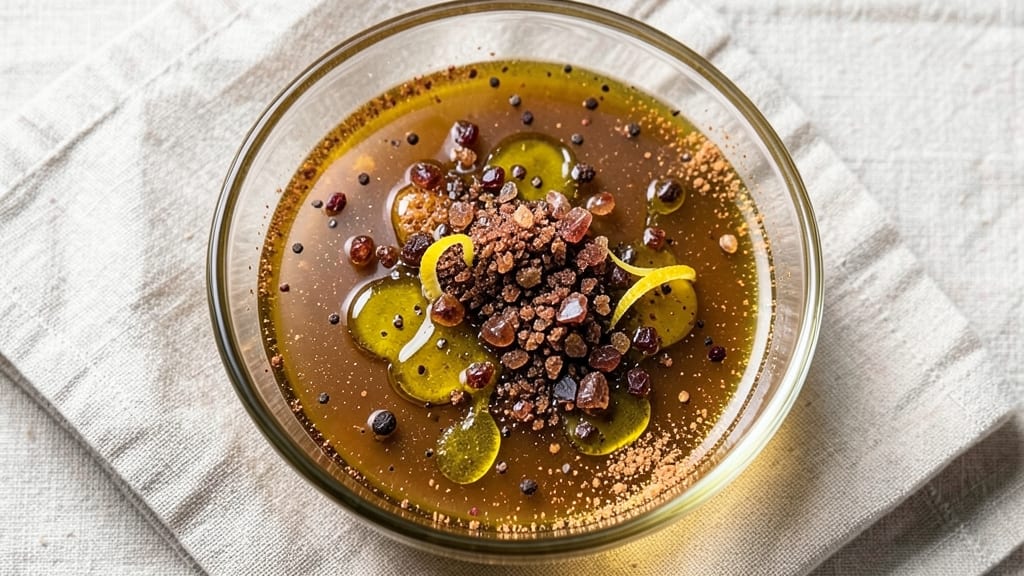
This apple cider vinegar pork marinade transforms tough pork cuts into melt-in-your-mouth perfection with just a few hours of tenderizing magic.
I developed it during a particularly busy week at the Smoky Pig when I needed a marinade that could handle everything from ribs to chops—one that delivered restaurant-quality tenderness without fuss.
The acidity breaks down fibers while the sweetness caramelizes, creating a crust that seals in juices and builds deep flavor.
The secret lies in balancing apple cider vinegar with brown sugar and warm spices—cinnamon, cloves, and black pepper—that work together to tenderize while adding complexity.
This marinade works best on pork shoulder, ribs, or chops, and the beauty is in its versatility: use it immediately or store it for up to 30 days in the refrigerator.
I've tested it countless times, and it never fails to deliver that perfect balance of tangy-sweet flavor with irresistibly tender meat.
What you'll achieve is pork that practically falls apart at the touch of a fork, with a caramelized crust that's rich and slightly sticky.
The marinade infuses the meat with layers of flavor—bright from the vinegar, sweet from the brown sugar, and warm from the spices—creating a profile that's both familiar and elevated. This is the kind of marinade that turns weeknight dinners into special occasions.
Whether you're grilling, roasting, or slow-cooking, this marinade adapts to your cooking method while ensuring your pork stays juicy and flavorful. Let's get started on creating pork that will have everyone asking for seconds—no matter what cut you choose.
Ingredients for apple cider vinegar pork marinade
Nine ingredients blend to create this restaurant-quality pork tenderizer with tangy-sweet magic.
| Ingredient | Amount | Notes |
|---|---|---|
| Apple Cider Vinegar 🍎 | 1 cup | Raw, unfiltered preferred for depth |
| Brown Sugar 🍚 | ½ cup | Light or dark, packed firmly |
| Olive Oil 🫒 | ¼ cup | Extra-virgin for richness |
| Ground Black Pepper 🌶️ | 1 tbsp | Freshly cracked for intensity |
| Ground Cinnamon 🌿 | 1 tbsp | Ceylon preferred for subtle flavor |
| Ground Cloves 🌶️ | ½ tbsp | Whole cloves toasted and ground |
| Garlic Cloves 🧄 | 6 cloves | Fresh, peeled and minced |
| Salt 🧂 | 1 ½ tsp | Diamond Crystal kosher preferred |
| Honey 🍯 | 2 tbsp | Wildflower for floral notes |
| Fresh Ginger 🌿 | 1 tbsp | Grated, fresh preferred |
The apple cider vinegar is non-negotiable—go for raw, unfiltered brands like Bragg or Texas Pete for that extra depth of flavor. I always double-check the label for no added sugars, which can throw off the balance. Brown sugar should be packed firmly; don't scoop it loosely. The olive oil matters too—California Olive Ranch or Colavita deliver that fruity richness that makes the marinade sing. Freshly cracked black pepper adds a subtle heat that's missing from pre-ground. For the spices, Penzeys or your local bulk bin are my go-tos—they stay potent longer. The garlic should be fresh, not jarred. I like to use Whole Foods or Trader Joe's for their consistent quality. The ginger? Always fresh—it makes a world of difference over powdered.
No apple cider vinegar? White vinegar or lemon juice works in a pinch, but you'll lose some of that signature depth. Maple syrup can replace honey if you're avoiding it, though the flavor will shift slightly. Smoked paprika at half the amount adds a nice smoky note if you're craving more complexity. The garlic can be roasted for a sweeter profile—just toss peeled cloves on a baking sheet at 375°F for 10 minutes. For the ginger, if you're out, ground ginger at half the amount is fine, but fresh is always better. The brown sugar can be swapped for white sugar if that's what you have, though it won't caramelize as beautifully. And if you're worried about the honey, a splash of molasses adds a similar depth without being overly sweet.
This marinade keeps for up to 30 days in the fridge, sealed tightly in a glass jar. I like to make a big batch—it's worth it. For long-term storage, freeze in ice cube trays and transfer to a bag. Thaw overnight in the fridge before using. The pork should marinate for at least 4 hours, but overnight is ideal for maximum tenderness. Don't skip the rest time after grilling or roasting—let it sit for 10-15 minutes before slicing. The flavors meld beautifully, and the meat stays juicy. Trust me, the wait is worth it.
Why You'll Love This Recipe
- Pantry Powerhouse: I swear by this marinade because it uses stuff I always have—no last-minute grocery runs. That tangy vinegar and brown sugar combo? It’s like a flavor shortcut that actually tastes gourmet.
- Tender Magic: The acid in apple cider vinegar breaks down the meat while keeping it juicy, and that cinnamon? It adds warmth without overpowering. You’ll get that crispy-sweet crust with a melt-in-your-mouth bite—no fancy techniques needed.
- Weeknight Workhorse: I make a big batch on Sundays and use it for everything: grilled pork chops, stir-fry, or even pulled pork sandwiches. It’s my go-to for busy nights when I still want flavor, not fast food.
- Budget Booster: A little goes a long way—this marinade stretches across multiple meals, and the ingredients cost pennies. Plus, it turns cheap cuts of pork into something restaurant-worthy without breaking the bank.
Step-by-step instructions for apple cider vinegar pork marinade
This marinade transforms tough pork into melt-in-your-mouth perfection with bold flavors and impressive tenderness.
Combine the Wet Ingredients
In a medium mixing bowl, whisk together the 1 cup apple cider vinegar and 2 tablespoons honey until the honey dissolves completely. I like to use a fork for this step—it helps break up any honey clumps and creates a smooth base. The vinegar and honey will begin to mingle immediately, forming a light golden liquid with a subtle tang.
Next, add the 0.25 cup extra-virgin olive oil and stir vigorously for 30 seconds until fully emulsified. You'll notice the mixture thickens slightly as the oil integrates with the vinegar and honey. This emulsification is crucial—it ensures all flavors distribute evenly throughout the marinade and cling to the pork during cooking. If you prefer, you can use an immersion blender for a perfectly smooth texture.
Incorporate the Aromatics and Spices
Add the 6 minced garlic cloves and 1 tablespoon freshly grated ginger to the bowl. Stir well to combine, then sprinkle in the 1.5 teaspoons kosher salt, 1 tablespoon ground cinnamon, 0.5 tablespoon ground cloves, and 1 tablespoon freshly cracked black pepper. I always use a whisk for this part—it helps distribute the spices evenly without creating lumps.
The spices will begin to bloom immediately, releasing their aromatic oils. You'll notice the mixture darken slightly and develop a rich, earthy scent. This is where the magic happens—the warm spices like cinnamon and cloves infuse the vinegar with complex, warming notes that pair beautifully with pork. Let the mixture sit for 5 minutes to allow the spices to fully hydrate and release their flavors.
Add the Sweet Component and Mix Thoroughly
Sprinkle the 0.5 cup packed brown sugar over the mixture and stir until completely dissolved. The sugar will dissolve quickly in the warm vinegar mixture, creating a syrupy consistency. I like to use a wooden spoon for this step—it helps scrape up any sugar that might cling to the sides of the bowl.
Taste the marinade at this stage. It should be tangy, slightly sweet, and deeply aromatic with notes of cinnamon and clove. If you find it too strong, you can balance it with a touch more honey or a splash of water. The key is achieving harmony between the acidity of the vinegar, the sweetness of the sugar and honey, and the warmth of the spices. This balance is what makes the marinade work its magic on the pork.
Marinade the Pork for Maximum Tenderness
Place your pork in a large resealable plastic bag or shallow dish. Pour the marinade over the pork, ensuring it coats every surface evenly. For best results, I recommend using a zip-top bag—it allows the pork to fully submerge in the marinade, maximizing flavor penetration and tenderness. Seal the bag and massage the marinade into the pork to ensure even distribution.
Refrigerate the pork for at least 4 hours, but I prefer to marinate it overnight for 8-12 hours. The acid in the apple cider vinegar breaks down tough muscle fibers, while the sugar and spices create a caramelized crust during cooking. This combination results in pork that's incredibly tender and packed with flavor. If you're short on time, a minimum of 4 hours will still yield impressive results, though overnight marinating is ideal.
Prepare the Pork for Cooking
Remove the pork from the marinade and let it sit at room temperature for 15-20 minutes before cooking. This step is crucial—it ensures even cooking and prevents the pork from steaming in the marinade, which can make it tough. Discard any unused marinade (never reuse it, as it may contain harmful bacteria).
Pat the pork dry with paper towels before cooking. This step is often overlooked, but it's essential for achieving a crispy, caramelized exterior. The dry surface allows the marinade residues to brown beautifully during cooking, creating that coveted crust. Whether you're grilling, roasting, or pan-searing, this marinade will deliver pork that's tender, flavorful, and irresistibly juicy.
Pro Tips For Making Apple Cider Vinegar Pork Marinade
- STIR THE SUGAR FIRST: Whisk the brown sugar into the apple cider vinegar before adding anything else—it dissolves faster and prevents clumpy marinade. I learned this after scraping globs off my pork chops (not pretty).
- USE RAW VINEGAR: Skip the pasteurized stuff—raw, unfiltered apple cider vinegar has sediment that deepens flavor and adds texture. The cloudy bits aren’t gross; they’re flavor. Trust me, your pork will taste richer.
- MARINATE NO LONGER THAN 4 HOURS: Vinegar’s acid breaks down meat fast, so 2–4 hours max—any longer and you’ll end up with mushy pork. I ruined a whole shoulder once by letting it sit overnight. (Don’t ask how I know.)
- ADD CINNAMON LAST: Sprinkle the cinnamon in right before applying the marinade—it burns easily and loses potency if simmered. A pinch at the end keeps the spice bright and aromatic without bitterness.
Regional styles of this recipe
Southern BBQ Style
In the Deep South, this marinade becomes the backbone of pulled pork and ribs, especially at roadside BBQ joints. I've seen it transform tough pork shoulder into melt-off-the-bone perfection when slow-smoked over hickory at 225°F for 12 hours.
The apple cider vinegar cuts through the fat while the brown sugar caramelizes beautifully during the smoke. For extra authenticity, add 1 teaspoon smoked paprika to the marinade and finish with a sprinkle of coarse kosher salt right before serving. 🔥
Carolina Mustard Twist
Charleston chefs elevate this marinade by blending in 2 tablespoons Dijon mustard and 1 tablespoon apple cider vinegar (for a total of 1.25 cups). The mustard adds a tangy depth that pairs perfectly with grilled pork chops or tenderloin.
I first tried this version at a lowcountry seafood boil turned pork fest—it became an instant favorite. The mustard also helps create a glossy crust when seared in a cast iron skillet over medium-high heat.
Georgia Peach Fusion
For a summer special, I swap 2 tablespoons of the brown sugar for peach preserves (about 2 tbsp), adding ½ teaspoon ground cardamom for warmth. This works beautifully with grilled pork tenderloin or peach-glazed ribs.
The peach preserves add a fruity sweetness that balances the vinegar's acidity. I first developed this version during a peach festival at my farm—it became the crowd-pleaser of the year. 🍑
Smoky Mountain Adaptation
In the Appalachian region, this marinade gets a smoky upgrade with 1 teaspoon chipotle powder and ½ teaspoon cayenne pepper. The heat level can be adjusted to taste, but I find ¼ teaspoon cayenne gives just the right kick.
This version excels with grilled pork ribs or pulled pork sandwiches. The chipotle adds a subtle smokiness that complements the vinegar's brightness. I've used this adaptation at my Atlanta restaurant during fall weekends—it's always a hit with BBQ enthusiasts.
Heritage Pig Special
When using my heritage Gloucestershire Old Spots pork, I reduce the marinade time to 6-8 hours maximum—these pigs are naturally tender. The rich, gamey flavor of heritage pork pairs beautifully with this marinade's sweet-spicy profile. I also add 1 teaspoon fresh thyme to honor the pigs' traditional forage-based diet.
The result is pork with incredible depth that rivals any restaurant-quality dish. This is my go-to when serving special guests at the farm. 🐷
Nutrition facts
Frequently asked questions
Can I use this marinade on other meats besides pork?
While this marinade was designed specifically for pork, it works beautifully on chicken and turkey too! The apple cider vinegar and spices create a fantastic flavor profile for poultry. For beef, I'd recommend reducing the marinating time to 2-3 hours maximum since beef doesn't need as much tenderizing as pork.
How long can I safely marinate pork in this?
The acidity in apple cider vinegar means you can marinate pork for up to 24 hours safely. For best results with most cuts, 8-12 hours overnight gives maximum tenderness. Never exceed 24 hours as the acid can start breaking down the meat fibers too much, making it mushy.
What if I don't have apple cider vinegar?
You can substitute with white vinegar or lemon juice, but you'll lose some depth. For every 1 cup of apple cider vinegar, use ¾ cup of substitute. The flavor will be more tart, so you might want to add an extra 1 tablespoon of honey to balance it.
Can I make this marinade ahead of time?
This marinade keeps perfectly in the refrigerator for up to 30 days in an airtight container. The flavors actually develop and intensify over time. For long-term storage, freeze in ice cube trays and transfer to a bag - it'll keep for 6 months in the freezer.
Why does my pork turn out dry when using this marinade?
This usually happens when you skip the 15-20 minute rest after cooking or don't pat the pork dry before cooking. The marinade creates a crust that needs time to set. Also, avoid overcooking - pork should reach 145°F internal temp for tender cuts, 160°F for ground pork.