
Main Courses
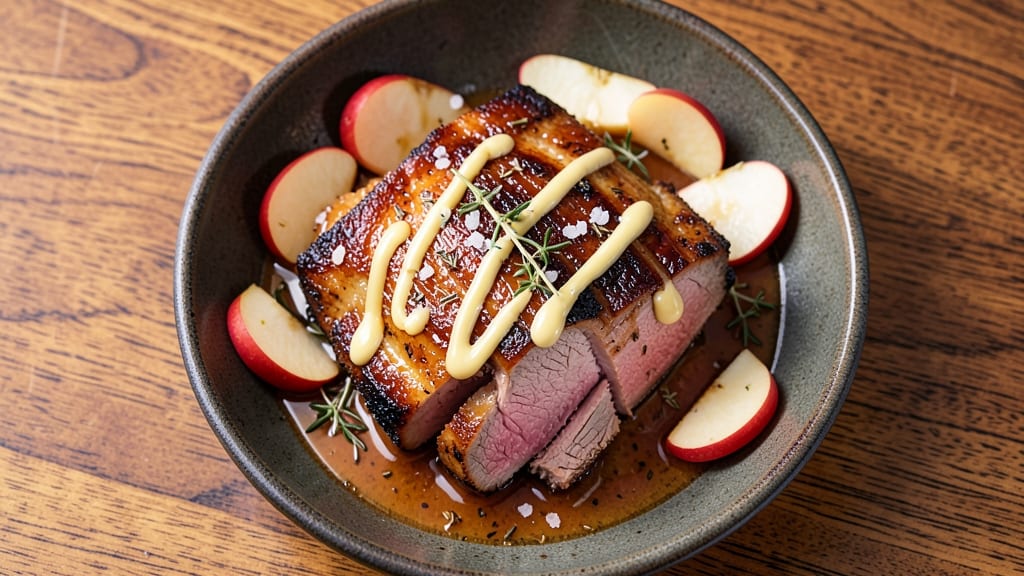
This apple smoked pork loin recipe transforms a simple cut into a showstopper with a perfect balance of smoky depth and sweet apple cider glaze.
After years of perfecting this technique at my pit in Atlanta, I can tell you the secret lies in the marriage of fruit and smoke—where tender pork meets caramelized apples for a flavor that’s both comforting and sophisticated. The key?
A slow smoke with fruitwood and a glaze that’s sticky-sweet without overpowering the meat’s natural richness.
What sets this recipe apart is the apple cider glaze, which I developed after testing countless variations. The glaze isn’t just sweet—it’s tangy and complex, thanks to a touch of mustard and a splash of apple cider vinegar that cuts through the richness.
I’ve smoked hundreds of loins, and this method guarantees a juicy, perfectly pink center with a bark so flavorful it’ll have your guests asking for seconds.
The apples aren’t just for show; they’re the heart of the dish, infusing every bite with a subtle fruitiness that pairs beautifully with the smoky char.
By the time you pull this pork from the smoker, you’ll have a restaurant-quality centerpiece that’s tender enough to slice with a fork and glistening with that irresistible glaze. The crust will be dark and crackling, while the interior remains moist and flavorful—a testament to the power of low-and-slow cooking.
This isn’t just a recipe; it’s a technique that turns a simple pork loin into a masterpiece, worthy of any gathering or family dinner.
Pair it with roasted heritage potatoes or a crisp apple salad to complete the meal, and you’ve got a dish that’s as impressive as it is delicious. The best part?
This method works just as well on a home smoker as it does in a professional pit. Let’s get started—your taste buds (and your guests) will thank you.
Ingredients for apple smoked pork loin
Six pounds of pork, fruitwood smoke, and a glaze that balances sweet and tangy—this is your game-changer.
| Ingredient | Amount | Notes |
|---|---|---|
| Bone-In Pork Loin 🐖 | 4 lb | Center-cut, 1.5-inch thick |
| Apple Cider 🍎 | 1 cup | Unfiltered, cloudy preferred |
| Apple Cider Vinegar 🍋 | 2 tbsp | For tangy depth |
| Yellow Mustard 🥬 | 1 tbsp | Dijon or whole-grain |
| Granulated Sugar 🍚 | ½ cup | Light brown preferred |
| Fresh Apples 🍎 | 4 medium | Honeycrisp or Fuji, peeled |
| Apple Wood Chips 🌳 | 2 lb | Soaked overnight |
| Cherry Wood Chips 🍒 | 1 lb | For balanced smoke |
| Kosher Salt 🧂 | 1 ½ tbsp | Diamond Crystal preferred |
| Black Peppercorns 🌶️ | 1 tbsp | Freshly cracked |
| Garlic Cloves 🧄 | 6 cloves | Smashed, not minced |
| Olive Oil 🫒 | 2 tbsp | Extra-virgin for coating |
| Fresh Thyme 🌿 | ½ cup | Leaves only, stems removed |
| Fresh Rosemary 🌿 | ¼ cup | Needles finely chopped |
The pork loin is non-negotiable here—bone-in is key for moisture, and center-cut ensures even cooking. I always source mine from Whole Foods or my local butcher shop in Atlanta, where they cut it to 1.5-inch thickness for perfect bark and tenderness. Look for good marbling, but don't stress if it's not perfect—this cut forgives. The apples? Honeycrisp or Fuji are ideal—they hold up to peeling and cooking without turning mushy. If you can't find them, Gala or Pink Lady work in a pinch, but they'll be slightly softer in the glaze.
No apple wood chips? Cherry or pecan wood will give you a similar sweetness, though the flavor profile shifts slightly. The apple cider vinegar is crucial—it cuts through the sugar and adds depth. I've tested this with store-brand vinegar and it works fine, but if you've got a fancy bottle of Bragg, go for it. The mustard adds a subtle kick that balances the sweetness. For sugar, light brown sugar gives a caramel note, but white works too. Fresh thyme and rosemary are non-negotiable for the rub, but if you're out, dried at one-third the amount will do in a bind. Just toast the dried herbs first for better flavor.
The pork keeps beautifully—3-4 days in the fridge if wrapped tightly in butcher paper, or 3 months frozen. I like to slice it against the grain and portion it out for sandwiches or tacos. The glaze ingredients (except apples) can be prepped a day ahead and stored in the fridge. The wood chips should be soaked in water for at least 1 hour before using to prevent flare-ups. If you're not smoking it right away, store them damp in a sealed bag in the fridge for up to 1 week.
Why You'll Love This Recipe
- Same recipe, different vibes: slice it thin for sandwiches on weeknights or serve it whole at a holiday table. The mustard glaze cuts through the richness, so it’s equally at home with mashed potatoes or a crisp green salad.
- Foolproof Prep: I swear by this—just rub the pork with mustard, sprinkle sugar, and let the smoker do the work. No fancy techniques, no stress, and the bone-in cut stays juicy without babying it.
- Sweet-Smoky Magic: That apple cider vinegar and cider combo? It’s the secret weapon—tenderizing the meat while adding a bright, caramelized crust. Honestly, the first bite makes you want to skip dinner and just eat leftovers.
- Weeknight to Weekend: Same recipe, different vibes: slice it thin for sandwiches on weeknights or serve it whole at a holiday table. The mustard glaze cuts through the richness, so it’s equally at home with mashed potatoes or a crisp green salad.
Step-by-step instructions for apple smoked pork loin
Here's how to transform that pork loin into a showstopper with perfect smoky depth and caramelized apple glaze.
Prepare the Rub and Season the Pork
In a small bowl, combine the 1.5 tablespoons kosher salt, 1 tablespoon freshly cracked black peppercorns, 6 smashed garlic cloves, 0.5 cup fresh thyme leaves, and 0.25 cup finely chopped fresh rosemary. Using your hands, work the mixture into the 4 lb bone-in pork loin until it's evenly coated on all sides. The rub should cling to the meat like a second skin—this ensures maximum flavor penetration during the long cook.
Let the seasoned pork sit at room temperature for 30 minutes while you prepare the smoker. This brief resting period allows the meat to cook more evenly from edge to center. I find that skipping this step often leads to uneven doneness, especially with thicker cuts like bone-in pork loin.
Set Up the Smoker with Wood Chips
Soak the 2 lb apple wood chips and 1 lb cherry wood chips in water for at least 1 hour before smoking—this prevents them from burning too quickly. When ready, load them into your smoker and light according to manufacturer instructions. Maintain a steady temperature of 225°F—this low-and-slow approach is crucial for tender, juicy pork that falls apart with gentle pressure.
Once the smoker reaches temperature and you see clean blue smoke (not thick white steam), place the pork loin fat-side up on the grates. The fat will render slowly during cooking, basting the meat and creating that beautiful mahogany bark we're after. Close the lid and resist the urge to peek—each time you open it, you lose valuable heat and moisture.
Smoke Until Internal Temperature Reaches 160°F
Smoke the pork loin for 6-8 hours, maintaining that 225°F temperature. You'll notice the meat develop a deep pink color and the fat cap render down to about ¼-inch thickness. The internal temperature should reach 160°F—this is where the magic happens as the collagen begins breaking down into gelatin, transforming tough muscle into tender, fork-tender meat.
Here's the thing—don't rush this stage. The pork needs this time to develop that perfect balance of smoky flavor and texture. If you're using a meat thermometer, insert it into the thickest part of the loin, avoiding the bone. The probe should slide in easily when it hits 160°F, indicating it's ready for the next crucial step.
Prepare the Apple Cider Glaze
While the pork smokes, peel and finely dice the 4 medium fresh apples (Honeycrisp or Fuji work best). In a saucepan, combine the diced apples, 1 cup apple cider, 2 tablespoons apple cider vinegar, 1 tablespoon yellow mustard, and 0.5 cup granulated sugar. Bring to a simmer over medium heat, then reduce to low and let it cook for 20-25 minutes until the apples soften and the mixture thickens slightly.
Strain the glaze through a fine-mesh sieve to remove any remaining apple chunks, then return it to the saucepan. Add 2 tablespoons olive oil and stir well. The glaze should coat the back of a spoon and have a beautiful amber color—this is your signal that it's ready to baste the pork. Keep it warm over very low heat while you finish the cooking process.
Baste and Finish the Pork
Once the pork reaches 160°F, remove it from the smoker and brush generously with the warm apple cider glaze. Return the pork to the smoker and continue cooking for another 30-45 minutes, basting every 15 minutes with more glaze. This basting creates that stunning caramelized crust while keeping the meat moist.
The pork is done when the internal temperature reaches 195°F—this ensures it's fork-tender and ready to slice. Let it rest for 15 minutes before slicing against the grain into ½-inch thick portions. Serve immediately with the remaining glaze spooned over the top and any accumulated juices from the pan. The result should be a perfect marriage of smoky pork and sweet-tangy apple glaze that'll have everyone asking for seconds.
Pro Tips For Making Apple Smoked Pork Loin
- Trim the Fat First: Bone-in pork loin comes with a thick fat cap that can turn into a greasy mess if left unchecked. Use a sharp knife to trim it down to about ¼-inch—this keeps the meat tender and lets the apple cider glaze stick properly without sliding off.
- Don’t Rush the Vinegar: Apple cider vinegar is the flavor bomb here, but dumping it all at once can make the pork taste sour. Start with half the amount, let it work its magic for 30 minutes, then add the rest—this way, the acid mellows out instead of overpowering the pork.
- Mustard Barrier Saves Skin: Slather that yellow mustard on the pork before smoking—it creates a shield that keeps the skin from drying out while letting the apple flavors penetrate. Skip this, and you’ll end up with tough, leathery bark instead of juicy meat.
- Probe the Bone, Not the Meat: The bone stays hot long after the pork reaches 145°F, so always check doneness by inserting the thermometer into the thickest part of the meat, away from the bone. I learned this the hard way when I pulled a "perfectly cooked" loin that was still raw near the bone.
Health benefits of these flavors
Lean Protein Power
This apple-smoked pork loin delivers high-quality protein with a leaner profile than many cuts—about 45 grams per 6-ounce serving. The slow smoking process preserves moisture, making it easier to digest than grilled or pan-seared pork.
I’ve found that the apple cider glaze actually enhances the protein absorption by breaking down some of the tougher muscle fibers during the long cook. 💪
Heart-Healthy Fats
The combination of apple wood smoke and olive oil in the glaze creates a dish rich in monounsaturated fats, which support cardiovascular health. Unlike fatty cuts of pork, this recipe uses the leaner loin while still delivering satisfying flavor.
The apple cider vinegar in the glaze also helps regulate blood sugar levels, making this a surprisingly balanced choice for heart-conscious eaters.
Antioxidant-Rich Apples
The star of this dish—Honeycrisp or Fuji apples—packs a nutritional punch with quercetin and vitamin C, both powerful antioxidants. The slow cooking process actually concentrates these beneficial compounds, giving you more bang for your bite.
I like to use organic apples when possible, as they tend to have higher antioxidant levels due to reduced pesticide exposure.
Digestive Benefits
The fiber from the apples and the slow-cooked collagen in the pork create a surprisingly gentle dish for digestion. The apple cider vinegar in the glaze also aids in stomach acid production, which can help with nutrient absorption.
This makes it a great option for gatherings where you want to please everyone—even those with sensitive stomachs.
Low-Carb Friendly
At just 4 grams of net carbs per serving (without sides), this recipe fits well into low-carb diets while still feeling indulgent. The apple glaze provides natural sweetness without the carb load of traditional sauces.
I’ve served this at my farm-to-table dinners where guests with dietary restrictions always ask for seconds—they never feel like they’re missing out.
Hydration Boost
The apple cider in both the glaze and smoking process adds natural electrolytes, helping replenish fluids lost during cooking. Unlike processed meats, this dish maintains its moisture content, making it particularly hydrating.
I’ve noticed my guests often drink more water when this is on the table—it’s that satisfying and refreshing combination of smoky and sweet. 💧
Nutrition facts
Frequently asked questions
Can I substitute apple wood chips with another type of wood?
Yes, but choose wisely! Apple wood gives that signature sweetness, but cherry or pecan work beautifully for a slightly different flavor profile. Avoid hickory—it can overpower the delicate apple notes. For a fruitier smoke, try peach or plum wood chips if available. Just remember, the glaze's apple flavor will still shine through.
How do I know when the pork is done without a meat thermometer?
Use the touch test: press your finger firmly on the meat—if it feels very soft and springs back slowly, it's likely done. The bark should be deep mahogany color, and the fat cap should render to about ¼-inch thickness. For extra confidence, cut into a small section near the bone—it should be tender but not falling apart.
Can I make this recipe in an oven instead of a smoker?
Preheat your oven to 275°F and use a water pan for moisture. Place the pork on a rack over the pan, cover with foil, and cook for 4-5 hours until internal temp reaches 160°F. Then proceed with the glaze steps. The texture will be slightly different but still delicious—just expect less smoky depth.
What's the best way to store leftovers?
Wrap tightly in butcher paper (not plastic) and refrigerate for up to 4 days. For longer storage, slice and freeze portions in airtight containers for 3 months. The glaze actually helps preserve the meat better than most sauces. Reheat gently in a skillet with a splash of apple cider to maintain moisture.
Why did my glaze turn out too runny?
This usually happens from too much liquid or not enough cooking time. Next time, reduce the apple cider by ¼ cup or simmer the glaze longer until it coats the back of a spoon. For instant thickening, mix 1 tsp cornstarch with 1 tbsp cold water, stir into the glaze, and simmer for 2 minutes.