
Main Courses
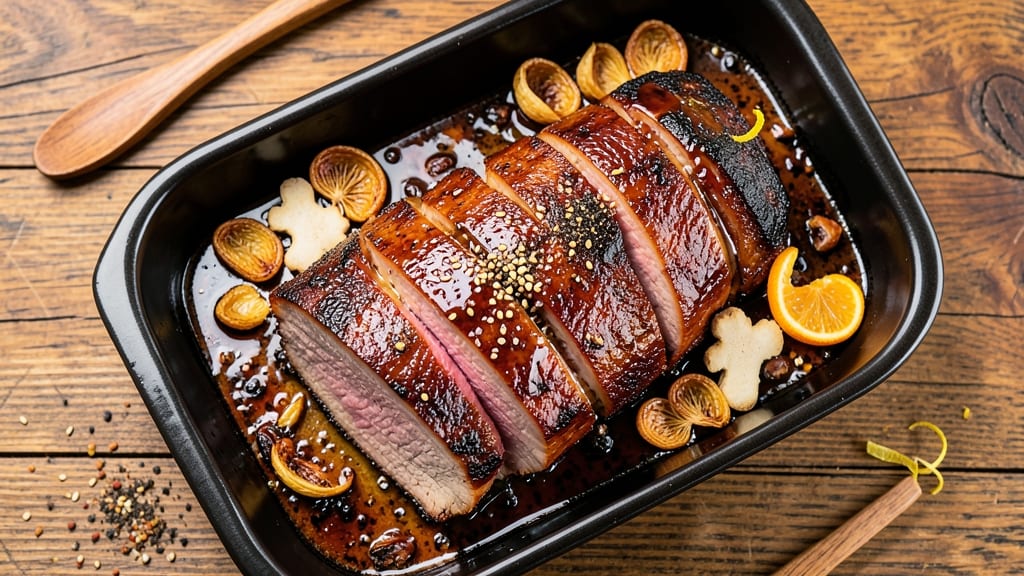
This Asian pork loin roast recipe transforms simple ingredients into a restaurant-worthy centerpiece with just five-spice powder, honey, and soy sauce. After years of perfecting pork roasts for my restaurant, I've simplified the technique while keeping the bold flavors that make it unforgettable.
The secret lies in balancing sweet, spicy, and umami notes through a simple glaze that caramelizes beautifully in the oven.
The process is straightforward but yields profound results: tender, juicy pork with a glistening glaze that's both sweet and aromatic. We'll focus on achieving the perfect internal temperature of 145°F, ensuring the meat stays moist while developing a crisp exterior.
The five-spice powder adds depth that elevates this beyond basic roasted pork, creating layers of flavor that linger with every bite.
What makes this recipe truly special is its versatility—serve it as a main course with steamed jasmine rice and stir-fried vegetables, or transform leftovers into sandwiches the next day.
The glaze isn't just for show; it penetrates the meat during roasting, creating a dish that's equally impressive for weeknight dinners or holiday gatherings.
With just 30 minutes of prep and 1 hour of roasting, you'll have a showstopping centerpiece that requires minimal effort. Trust me—this is the kind of recipe that makes you look like a culinary expert, even on busy nights.
Let's get started with the ingredients that will change how you think about pork roasts forever.
Ingredients for asian pork loin roast
Six bold flavors and a center-cut roast—this is restaurant-quality pork without the fuss.
| Ingredient | Amount | Notes |
|---|---|---|
| Pork Loin Roast 🥩 | 3 lb | Bone-in, center-cut preferred |
| Five-Spice Powder 🌶️ | 1 ½ tbsp | Authentic Chinese blend |
| Honey 🍯 | ½ cup | Light amber preferred |
| Soy Sauce 🍶 | ¼ cup | Kosher-style, low-sodium |
| Garlic Cloves 🧄 | 6 cloves | Minced for marinade |
| Fresh Ginger 🌿 | 1 tbsp | Finely grated, peeled |
| Sesame Oil 🫒 | 1 tbsp | Toasted, for aroma |
| Olive Oil 🫒 | 2 tbsp | Extra-virgin for richness |
| Brown Sugar 🍚 | ¼ cup | Packed, light brown |
| Rice Vinegar 🍶 | 1 tbsp | Seasoned preferred |
| Diamond Crystal Kosher Salt 🧂 | 1 tsp | For seasoning |
| Freshly Ground Black Pepper 🌶️ | ½ tsp | Coarsely cracked |
| Jasmine Rice 🍚 | 2 cups | Uncooked, for serving |
| Green Onions 🧅 | 4 whole | Sliced, for garnish |
The pork loin makes all the difference here. Bone-in, center-cut stays juicier than boneless—look for good marbling at the butcher counter. Costco or Whole Foods typically carry premium cuts, but any well-stocked grocery store should have a good option. If your roast is uneven, trim the fat cap to 1/4-inch thickness for even browning. Five-spice powder? Penzeys or Trader Joe's carry authentic blends—avoid the pre-mixed 'Asian seasoning' packets at the store, they're often diluted. Toast your spices lightly in a dry pan before using to wake up their flavors.
No five-spice powder? Mix 1 tsp cinnamon, 1/2 tsp cloves, 1/2 tsp fennel, 1/4 tsp star anise, and 1/4 tsp black pepper for a close substitute. Subbing honey? Maple syrup works 1:1, but the flavor profile shifts slightly. The soy sauce can be reduced if you prefer less salt—just add a splash of water to compensate. Fresh ginger loses potency fast, so buy small amounts and grate it fresh. If you're short on time, powdered ginger at half the amount works in a pinch, though it's less vibrant. The sesame oil adds depth but can overpower if used generously—start with 1 tbsp and adjust to taste.
This roast reheats beautifully—3 minutes at 300°F in the oven with a splash of water in the pan keeps it moist. Store leftovers wrapped tightly for 4 days in the fridge or 3 months frozen. For make-ahead convenience, prep the glaze and marinate the pork up to 24 hours ahead. The rice? Cook it in advance and reheat with a splash of water—steam jasmine rice in a covered pot for 10 minutes after the pork comes out of the oven to keep everything warm simultaneously. Garnish with green onions just before serving—they add freshness that cuts through the richness.
Why You'll Love This Recipe
- One-Pan Magic: I swear by this—just toss the pork loin in a roasting pan with garlic, five-spice, and a splash of soy, then let the oven do the work. No chopping, no fussing, and honestly? The mess is minimal.
- Sweet-Savory Crunch: That honey-soy glaze caramelizes into a sticky, slightly crispy crust while keeping the inside tender. Between us, the first bite makes me want to skip dessert.
- Weeknight to Dinner Party: Same recipe, different vibes—serve it sliced thin for quick lunch wraps or whole for a showstopper main. (Yes, even on a Tuesday night.) My in-laws think it’s restaurant-quality, and they’re not wrong.
- Leftovers That Don’t Suck: This roast actually tastes better the next day—shred it for fried rice, toss it in noodles, or eat it cold. I’ve got a freezer stash because it’s that good, and it stretches my grocery budget like a champ.
Step-by-step instructions for glazed Asian pork loin roast
Here's how to transform a simple pork loin into a fragrant, sticky-sweet masterpiece.
Marinate the Pork for Maximum Flavor
In a large bowl, combine the 3 lb pork loin roast, 1.5 tbsp five-spice powder, 0.5 cup honey, 0.25 cup soy sauce, 6 minced garlic cloves, 1 tbsp finely grated ginger, 1 tbsp sesame oil, 2 tbsp olive oil, 0.25 cup packed brown sugar, and 1 tbsp rice vinegar. The five-spice powder is the secret here—it adds warm, aromatic depth that pairs perfectly with the sweet glaze.
Massage the marinade into the pork using your hands, making sure it coats every inch. Place the pork in a resealable plastic bag and refrigerate for at least 4 hours, or preferably overnight. This long marinating time ensures the pork absorbs all the flavors and becomes incredibly tender. I like to turn the bag occasionally to ensure even coating.
Prepare the Glaze and Preheat the Oven
Preheat your oven to 375°F. While the oven heats, remove the pork from the refrigerator and let it sit at room temperature for 30 minutes. This helps it cook more evenly. In a small bowl, whisk together 1 tbsp rice vinegar, 1 tsp Diamond Crystal kosher salt, and 0.5 tsp freshly ground black pepper to create a simple finishing glaze.
Line a roasting pan with aluminum foil for easy cleanup. Place a wire rack inside the pan to elevate the pork and allow heat to circulate evenly. The rack prevents the pork from sitting in its juices, which can make the skin soggy. I always use a rack for roasted meats—it makes all the difference in texture.
Roast Until Internal Temperature Reaches 145°F
Place the marinated pork loin roast on the wire rack in the prepared pan. Roast for 45-50 minutes, or until the internal temperature reaches 145°F when measured with a meat thermometer. The pork should be golden brown on the outside and juicy inside. Don't skip the thermometer—this is the only reliable way to ensure perfect doneness.
About 15 minutes before the pork is done, brush it with the finishing glaze you prepared earlier. This step adds a beautiful sheen and intensifies the flavors. If the glaze seems too thick, thin it slightly with a few drops of water. The pork is ready when it reaches 145°F and the juices run clear when you pierce the thickest part.
Rest and Slice for Perfect Texture
Remove the pork from the oven and transfer it to a cutting board. Let it rest for 10-15 minutes before slicing. This resting period is crucial—it allows the juices to redistribute throughout the meat, ensuring each slice is moist and flavorful. If you skip this step, you'll end up with dry, tough pork.
Slice the pork against the grain into ½-inch thick slices. The grain runs lengthwise along the roast, so cutting against it shortens the muscle fibers and makes each bite more tender. Arrange the slices on a serving platter and drizzle any accumulated pan juices over the top. Garnish with 4 sliced green onions for a pop of color and freshness.
Cook the Jasmine Rice to Perfection
While the pork rests, rinse the 2 cups jasmine rice under cold water until the water runs clear. This removes excess starch and prevents the rice from becoming gummy. Combine the rice with 3 cups water in a pot and bring to a boil over high heat. Once boiling, reduce the heat to low, cover the pot with a tight-fitting lid, and simmer for 15 minutes. Turn off the heat and let the rice steam, undisturbed, for another 10 minutes. Fluff with a fork before serving.
The rice should be light and fluffy, with each grain distinct and separate. Serve the sliced pork alongside the jasmine rice and enjoy the perfect balance of sweet, savory, and aromatic flavors. This dish pairs beautifully with steamed vegetables or a simple cucumber salad to round out the meal.
Pro Tips For Making Asian Pork Loin Roast
- SEAR FIRST, REST LATER: High heat for 3-4 minutes per side until deep golden—don’t skimp. After roasting, tent with foil and let it sit for 10 minutes. I learned this the hard way: cutting into it too soon turns that perfect crust into sad, dry crumbles.
- MINCE THAT GARLIC: Smash those cloves flat with the side of your knife before mincing. Or, if you’re impatient, pulse them in the food processor—just don’t overdo it. Finer garlic means more flavor, not just flecks of "what was that?"
- DON’T DROWN THE FIVE-SPICE: Mix the five-spice powder with a splash of honey or a little oil first. This keeps it from clumping into flavorless dust when it hits the meat. Trust me, your roast will taste like a proper Asian market, not a sad grocery store shortcut.
- USE A THERMOMETER: Pull the pork at 145°F (63°C) internal temp—no guessing. The carryover cooking will push it to 150°F (65°C), where it’s juicy but not rubbery. I used to eyeball it and ended up with either gray, overcooked pork or rare, sad pork. Neither is ideal.
Essential equipment for this dish
Must-Have Oven Tools
First, you'll need a high-quality meat thermometer—I swear by the ThermoWorks Smoke for its accuracy and durability. It's the only way to ensure your pork reaches the perfect 145°F internal temperature without overcooking.
A wire rack for your roasting pan is also essential; it elevates the pork for even browning and prevents soggy skin. I use a stainless steel rack from Lodge—it's sturdy and easy to clean. 🌡️
For marinating, grab a large resealable plastic bag (like Glad brand) and a sharp chef's knife for mincing garlic and ginger. A wooden spoon helps massage the marinade into the pork without tearing the meat.
I keep a set of Oxo Good Grips knives in my kitchen—they're reliable and stay sharp longer than most.
Glazing Essentials
Your glaze needs a small bowl for mixing and a pastry brush (I prefer Silpat brushes) to apply it evenly. A liquid measuring cup ensures you get the right amount of honey and soy sauce.
For finishing touches, keep green onions and a sharp knife on hand to slice them thinly. The freshness they add is worth the extra step!
If you're making this ahead, a large airtight container (like Rubbermaid) keeps the marinated pork fresh in the fridge for up to 24 hours.
For reheating leftovers, a heavy-bottomed skillet or oven-safe dish works best—just warm at 300°F for 3 minutes with a splash of water to retain moisture. ⏰
Pro Upgrades
For serious cooks, an instant-read thermometer (like Thermoworks Thermapen) lets you check doneness without opening the oven door. A digital kitchen scale (I use OXO Good Grips) ensures precision when measuring ingredients like honey and brown sugar.
For presentation, a large serving platter and tongs make slicing and serving effortless.
My vintage cast iron roasting pan (from my collection) adds a rustic touch, but any oven-safe pan works. Just avoid nonstick—it can't handle the high heat needed for proper browning.
If you're short on time, a slow cooker on high for 2-3 hours with the same marinade works, though oven-roasting gives the best texture. 💡
Nutrition facts
Frequently asked questions
Can I substitute bone-in pork loin for boneless?
Bone-in pork loin is ideal because the bone helps retain moisture during roasting, but you can use boneless if needed. Just reduce the oven temperature by 25°F and add 10-15 minutes to the cooking time. The meat will be slightly less tender, but still delicious. For best results, ask your butcher to trim excess fat to 1/4-inch thickness before cooking.
How do I adjust the recipe for a smaller or larger roast?
For every 1 lb below 3 lbs, reduce all marinade ingredients by 25% (except salt and pepper). For larger roasts, increase marinade by 20% per pound. The key is maintaining the same ratio of marinade to meat—too much can make the pork soggy. Cooking time varies by 15 minutes per pound (e.g., a 4 lb roast needs 60-65 minutes).
What's the best way to reheat leftovers?
Slice the roast first, then reheat in a 300°F oven for 3-5 minutes with a splash of water in the pan. For microwave reheating, cover with a damp paper towel and heat in 20-second bursts until warm. Never reheat above 300°F—higher temps dry out the meat. Leftovers keep for 4 days in the fridge or 3 months frozen.
Can I make this in a slow cooker instead of the oven?
Yes! Place the marinated pork in a slow cooker on low for 4-5 hours or high for 2-3 hours. The texture will be slightly more tender than oven-roasted but still flavorful. For extra caramelization, broil for 3-5 minutes at the end. The glaze may be thinner, so brush it on before serving. A meat thermometer still works best to check doneness.
Why does my pork turn out dry?
Most likely, you skipped the resting time or overcooked it. Always let the pork rest 10-15 minutes before slicing—this redistributes juices. Use a meat thermometer to avoid guessing; 145°F is perfect. Another common mistake is using boneless pork without adjusting the temperature/time. If the meat feels dry, try slicing thinner (1/4-inch) and serving with extra pan juices.