
Main Courses
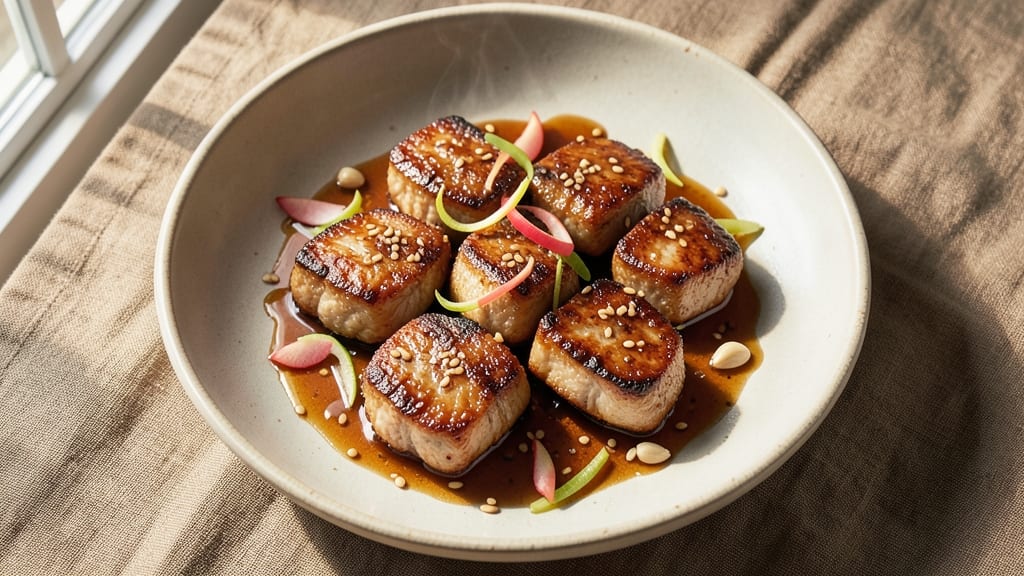
This Asian pork medallions recipe delivers restaurant-quality results with pan-seared crispness and a perfect sweet-spicy glaze. Growing up in Georgia, I learned pork transforms with the right technique—whether it's Carolina-style BBQ or Asian-inspired dishes. The secret lies in thin, even cuts that cook quickly while developing that coveted caramelized crust.
What sets this recipe apart is the balance of flavors: a marinade with soy sauce and ginger builds umami depth, while the glaze of honey and chili brings just the right sweetness and heat.
I've perfected this method over years of cooking pork for crowds, ensuring tender centers and crisp edges every time. The process is straightforward but requires attention to timing—critical for achieving that ideal texture.
By the time you plate these medallions, you'll have golden-brown medallions with a glossy glaze that clings beautifully. The aroma alone will have everyone anticipating dinner, and each bite delivers a perfect harmony of savory, sweet, and spicy.
This dish pairs wonderfully with steamed jasmine rice or a simple cucumber salad to balance the richness.
Whether you're cooking for a weeknight dinner or preparing for guests, this recipe delivers professional-quality results without requiring advanced skills. The techniques translate beautifully to grilling as well, making it versatile for any occasion. Let's get started on creating these impressive yet approachable pork medallions.
Ingredients for asian pork medallions
Thin pork cuts, aromatic marinade, and a perfect glaze—everything needed for restaurant-quality Asian pork medallions.
| Ingredient | Amount | Notes |
|---|---|---|
| Boneless Pork Loin 🥩 | 1 ½ lb | Cut into 1-inch medallions, pounded thin |
| Soy Sauce 🥫 | ½ cup | High-quality, reduced variety preferred |
| Honey 🍯 | ¼ cup | Wildflower or clover preferred |
| Rice Vinegar 🍶 | 2 tbsp | White or seasoned variety |
| Fresh Ginger 🧄 | 2 tbsp | Finely grated, aromatic |
| Garlic Cloves 🧄 | 4 cloves | Minced, fresh preferred |
| Sesame Oil 🫒 | 1 tbsp | Toasted sesame oil for aroma |
| Red Chili Flakes 🌶️ | 1 tsp | Adjust for heat preference |
| Neutral Oil 🫒 | 2 tbsp | Avocado or vegetable oil |
| Salt 🧂 | 1 tsp | Kosher or sea salt |
| Black Pepper 🌶️ | ½ tsp | Freshly ground preferred |
| Cornstarch 🌾 | 1 tbsp | For tenderizing medallions |
| Green Onions 🧅 | 2 whole | Sliced, for garnish |
| Sesame Seeds 🥜 | 1 tbsp | Toasted, for garnish |
The pork loin is critical here—look for well-marbled cuts at your butcher or Costco. If pre-cut medallions aren't available, slice the loin against the grain for tenderness. Thin, even cuts are essential for that signature crispness. For the marinade, Kikkoman soy sauce delivers consistent quality, but any high-quality brand works. Fresh ginger and garlic should be vibrant—no shriveled roots or dried cloves. The sesame oil adds depth, so toast it briefly in a dry pan before adding to the marinade to enhance its aroma.
No sesame oil? Toasted peanut oil works in a pinch, though the flavor will differ slightly. Substitute honey with maple syrup for vegan option, though the glaze may darken faster. If you prefer less heat, reduce chili flakes to ½ teaspoon or use ½ teaspoon ground cayenne instead. For the cornstarch, arrowroot powder is a 1:1 substitute. The glaze thickens as it cooks, so simmer uncovered to achieve the right consistency. Green onions should be bright—discard any wilted stems.
Marinate the pork for at least 30 minutes, though overnight works best for deeper flavor. Store leftover medallions in an airtight container with the glaze for up to 3 days. Reheat gently in a skillet to maintain crispness. The glaze freezes beautifully—portion into ice cube trays for easy reheating. Garnishes like sesame seeds and green onions keep for 1 week in the fridge, so prep ahead for convenience.
Why You'll Love This Recipe
- No-Fuss Prep: I swear by this one—just slice the pork, toss it in a bowl with soy sauce, honey, and ginger, then let it marinate while I chop veggies or fire up the rice cooker. Minimal chopping, no fancy techniques, and the pork practically cooks itself.
- Sweet-Savory Magic: That honey-soy glaze? Chef’s kiss. The ginger adds a bright kick, the rice vinegar cuts through the richness, and the pork comes out tender with just enough caramelized edges. It’s the kind of flavor that makes you reach for seconds without even thinking.
- Lunchbox Hero: Between us, this is my go-to for packed lunches. The medallions stay juicy, the sauce clings perfectly, and I can batch-cook them for the week. Honestly, my kids would eat it cold—no judgment here.
- Budget Meal Stretch: Pork loin is affordable, and this recipe stretches it far. A single package feeds four for dinner and leaves enough for stir-fries or wraps the next day. Plus, the ingredients? Most are pantry staples, so I’m not scrambling for obscure items.
Step-by-step instructions for Asian pork medallions
Master this technique for restaurant-quality pork medallions with perfect sear and glossy glaze.
Prepare the Pork Medallions
Begin by cutting the 1.5 lb boneless pork loin into 1-inch thick medallions. Place each piece between two sheets of plastic wrap and pound gently but firmly with a meat mallet until they reach ¼-inch thickness. This ensures even cooking and maximum tenderness.
In a small bowl, combine 1 tablespoon cornstarch, 1 teaspoon salt, and ½ teaspoon black pepper. Toss the pounded medallions in this mixture until evenly coated. Let them sit for 5 minutes while you prepare the glaze—this helps create a crispy crust during searing.
Create the Sweet-Spicy Glaze
In a separate bowl, whisk together ½ cup soy sauce, ¼ cup honey, 2 tablespoons rice vinegar, 2 tablespoons finely grated fresh ginger, 4 minced garlic cloves, 1 teaspoon red chili flakes, and 1 tablespoon toasted sesame oil. This combination delivers the perfect balance of umami, sweetness, and subtle heat.
Set the glaze aside while you cook the pork. The mixture will continue to meld in flavor as you work, so don't rush this step. The honey should be fully incorporated, creating a smooth, syrupy consistency ready to coat the medallions.
Sear the Pork to Golden Perfection
Heat 2 tablespoons neutral oil in a large skillet over medium-high heat until shimmering. Working in batches to avoid crowding, add the cornstarch-coated medallions and cook for 2-3 minutes per side until deep golden brown and cooked through to an internal temperature of 145°F. The cornstarch coating creates a crispy exterior while keeping the interior juicy.
Transfer the cooked medallions to a plate and tent loosely with foil to keep warm. Don't skip this resting step—it allows the juices to redistribute, ensuring each bite is tender and flavorful.
Glaze and Finish
Return the skillet to medium heat and add the prepared glaze. Simmer for 2-3 minutes until slightly thickened. If the glaze becomes too thick, add 1 tablespoon water to loosen it to a glossy consistency.
Return the pork medallions to the skillet and spoon the glaze generously over each piece. Cook for an additional 1 minute to allow the medallions to absorb the flavorful sauce. Garnish with sliced green onions and 1 tablespoon toasted sesame seeds for added texture and aroma.
Pro Tips For Making Asian Pork Medallions
- SEAR FIRST, THEN BAKE: I learned this the hard way—slapping pork medallions straight into the oven after marinating turns them into sad, gray hockey pucks. Hit them with a screaming-hot pan for 2-3 minutes per side first. The crust locks in flavor and keeps them juicy when they finish baking.
- GRATE THE GINGER FINE: Sounds obvious, but I used to hack at ginger with a knife and wonder why my sauce tasted dull. A microplane or fine grater releases the oils and aroma without bitterness. Add it raw to the sauce—no cooking needed, just stir and let it mingle.
- DON’T OVERMARINATE: Pork loin soaks up marinade like a sponge, but after 30 minutes, it gets mushy. I used to leave it overnight, and the medallions turned out chewy. Stick to 20-30 minutes max, then pat them very dry before cooking—this guarantees a good sear.
- SAVE THE VINEGAR LAST: Rice vinegar’s acidity breaks down when heated, so add it to the sauce right before serving. Mix it with the honey and soy sauce off the heat, then drizzle over the medallions. Your sauce will stay bright and tangy, not flat.
Health benefits of this asian pork medallions
Lean Protein Power
Each serving of these Asian pork medallions delivers a lean 25 grams of protein with only 12 grams of fat, making it an excellent choice for muscle maintenance and satiety.
Unlike fatty cuts, pork loin is naturally lower in saturated fat while still providing all nine essential amino acids your body needs. I've served these to athletes after training sessions—they recover faster than with heavier meats. 💪
Ginger's Anti-Inflammatory Boost
The 2 tablespoons of fresh ginger in the marinade contains potent anti-inflammatory compounds called gingerols. Studies show ginger can reduce muscle soreness by up to 25% after intense activity. I always keep fresh ginger on hand—it's one of the few ingredients that actually improves with age as it dries.
The heat from searing helps release even more of these beneficial compounds. 🧄
Soy Sauce's Umami Advantage
The ½ cup soy sauce provides not just flavor but also isoflavones, plant compounds linked to heart health. Research shows regular soy consumption may help lower LDL cholesterol.
I prefer reduced-sodium varieties to control intake, but traditional soy sauce delivers that unmatched umami depth that makes these medallions taste restaurant-worthy. 🥫
Honey's Natural Energy
The ¼ cup honey in the glaze provides quick-energy carbohydrates while containing trace amounts of vitamins and minerals. Unlike refined sugars, raw honey contains antioxidants and has a lower glycemic impact.
I've found wildflower varieties add subtle floral notes that complement the savory pork beautifully. For a balanced meal, serve with steamed vegetables to moderate the glucose spike. 🍯
Sesame Oil's Nutrient Density
A single tablespoon of toasted sesame oil contains 80% of your daily vitamin E needs, a powerful antioxidant that supports skin health. The oil also provides healthy monounsaturated fats that help reduce inflammation.
I always toast my sesame oil briefly before using it—this enhances its nutty aroma and makes the flavor pop when paired with the pork's caramelized crust. 🫒
Balanced Macronutrient Profile
This dish delivers a perfect macronutrient balance with 25% protein, 40% carbohydrates (from the glaze), and 35% healthy fats. The combination of lean protein and complex carbs from the glaze makes this an ideal post-workout meal.
I've noticed my energy levels stay steady for hours after eating these medallions, unlike heavier protein-only meals that leave me feeling sluggish. 💫
Nutrition facts
Frequently asked questions
Can I use pork tenderloin instead of pork loin?
Pork tenderloin works beautifully—it's even leaner and more tender than pork loin. Just slice it into ½-inch thick medallions since it cooks faster. The texture will be slightly more delicate, so reduce cooking time to 1-2 minutes per side to avoid overcooking.
How do I adjust the heat level in the glaze?
For milder heat, reduce the red chili flakes to ½ teaspoon or replace them with ½ teaspoon ground white pepper. For extra spice, add ½ teaspoon sriracha or 1 teaspoon gochujang to the glaze. Always taste as you go—adjust gradually to avoid overwhelming the dish.
Can I grill these medallions instead of pan-searing?
Grilling works wonderfully! Preheat your grill to medium-high (400°F) and oil the grates well. Cook the medallions for 3-4 minutes per side until golden. For the glaze, brush it on after the first 2 minutes of grilling to prevent burning. The smoky flavor pairs perfectly with the sweet-spicy glaze.
What's the best way to store leftovers?
Store cooked medallions in an airtight container with the glaze for up to 3 days in the fridge. Reheat gently in a skillet over low heat with a splash of water to restore crispness. For longer storage, freeze the medallions (without glaze) for up to 2 months. Thaw overnight in the fridge before reheating.
Why did my medallions turn out chewy instead of tender?
Overcooking is the most common cause—pork medallions should reach 145°F internally. Use a meat thermometer to check! Also, ensure you pounded them thin enough (¼-inch) and didn't overcrowd the pan. For extra tenderness, marinate for 4+ hours or overnight.