
Main Courses
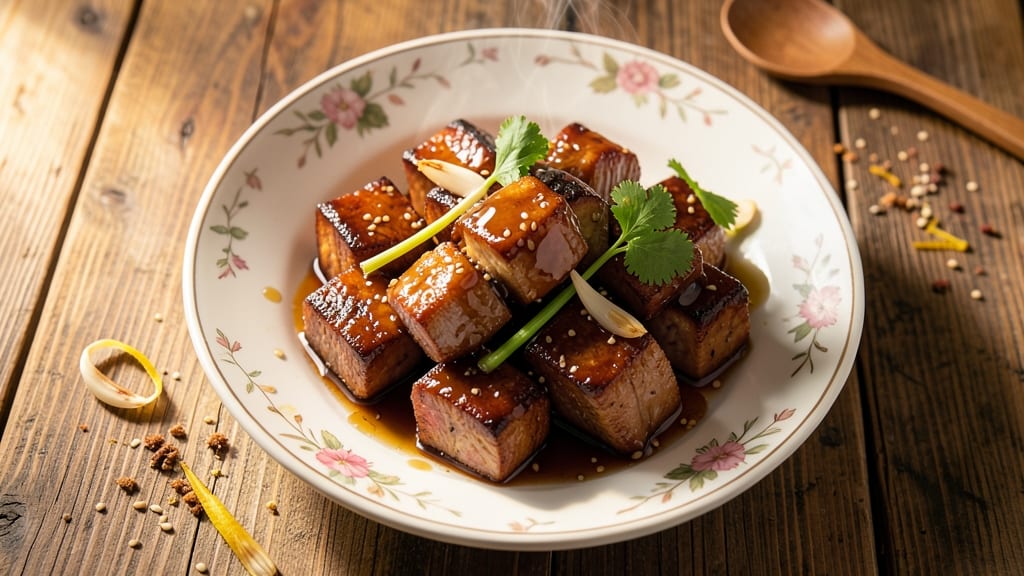
An Asian pork recipe ideas transforms simple ingredients into bold, flavorful meals that balance sweet, spicy, tangy, and umami—this five-flavor stir-fry delivers all of that in one pan. After years of testing different marinades and wok techniques, I've perfected a method that creates tender pork with a crispy crust while keeping the sauce glossy and full of depth. The secret lies in layering flavors through a dry rub and a quick stir-fry, ensuring every bite packs a punch without overwhelming the palate.
What makes this recipe stand out is its versatility—it works as a weeknight dinner or an impressive dish for guests, and the technique scales easily for different portion sizes.
The pork gets marinated in a blend of soy sauce, rice vinegar, and a touch of honey, creating a caramelized glaze during cooking that adds both sweetness and stickiness.
Meanwhile, the stir-fry sauce combines five distinct flavors: salty (soy), sweet (honey), sour (vinegar), spicy (chili), and umami (fish sauce), all balanced to perfection.
By the time you're done, you'll have perfectly tender pork with a glossy, caramelized crust, served over steamed jasmine rice and topped with quick-pickled vegetables for brightness. The dish is restaurant-quality but achievable in under 30 minutes, making it ideal for busy weeknights.
The crispy edges contrast beautifully with the tender meat, while the sauce clings to every bite, delivering that signature Asian restaurant experience at home.
This recipe also adapts well to dietary needs—use tamari instead of soy sauce for gluten-free, or swap rice for cauliflower rice for a lower-carb option. The marinade and sauce can be prepped ahead, so you can focus on cooking when the time comes.
Serve with steamed greens or a simple cucumber salad to round out the meal. Let's get cooking!
Ingredients for asian pork recipe ideas
These carefully balanced ingredients create a restaurant-quality five-flavor stir-fry with umami depth and crispy texture.
| Ingredient | Amount | Notes |
|---|---|---|
| Boneless Pork Shoulder 🥩 | 1 ½ lb | Cut into 1-inch cubes |
| Kosher Soy Sauce 🍶 | ½ cup | High-quality, reduced |
| Rice Vinegar 🍶 | ¼ cup | Seasoned variety preferred |
| Honey 🍯 | ¼ cup | Wildflower preferred |
| Sesame Oil 🫒 | 1 tbsp | Toasted sesame oil |
| Garlic Cloves 🧄 | 6 cloves | Minced finely |
| Fresh Ginger 🌿 | ¼ cup | Grated finely |
| Chili Garlic Sauce 🌶️ | 1 tbsp | Adjust for heat preference |
| Fish Sauce 🍶 | 1 tbsp | Reduced fish sauce |
| Neutral Oil 🫒 | 2 tbsp | High smoke point |
| Jasmine Rice 🍚 | 1 ½ cups | Uncooked, long-grain |
| Red Bell Pepper 🧅 | 1 whole | Thinly sliced |
| Green Onions 🧅 | ¼ cup | Sliced thinly |
| Toasted Sesame Seeds 🌾 | 1 tbsp | For garnish |
| Diamond Crystal Kosher Salt 🧂 | 1 tsp | For seasoning |
The pork shoulder is key—its fat content renders beautifully during cooking, creating that signature caramelized crust. Look for well-marbled cuts at Whole Foods or your local Asian market, where they often carry premium pork. If using pre-cut pork, ensure it's uniformly sized for even cooking. The soy sauce should be high-quality, like Kikkoman or Lee Kum Kee, as it forms the flavor base. For the rice vinegar, seasoned varieties add subtle sweetness without extra sugar. Honey should be wildflower for depth, and sesame oil must be toasted—La Choy is a reliable brand. Fresh ginger and garlic are non-negotiable; frozen won't cut it here.
No fish sauce? Soy sauce plus a splash of Worcestershire mimics umami, though it won't be identical. Short on honey? Maple syrup at a 1:1 ratio works, but expect a slightly different caramelization. The chili garlic sauce can be swapped for sriracha plus minced garlic, though texture will differ. For gluten-free, tamari replaces soy sauce perfectly. The bell pepper can be subbed with snap peas or broccoli florets for a different texture contrast. If you're avoiding sesame oil, avocado oil at half the amount works in a pinch, though it lacks the nutty aroma.
Marinate the pork for at least 30 minutes (overnight for deeper flavor), then refrigerate the sauce separately. The rice should be cooked separately—jasmine rice absorbs flavors beautifully. Store leftover pork in an airtight container for 3 days; the sauce keeps 5 days refrigerated. For freezer storage, portion the pork into single servings with sauce—3 months max. Reheat gently to preserve texture. The quick-pickled vegetables (if using) should be made the day of serving for optimal crunch.
Why You'll Love This Recipe
- One-Pan Magic: I swear by this recipe when I’m too tired to scrub a million dishes. Toss the pork shoulder in a sheet pan with soy sauce, honey, and sesame oil, then let the oven do the work—no flipping, no fuss. Honestly, the only cleanup is wiping my fingers.
- Sweet-Savory Balance: That honey and rice vinegar combo? It’s the kind of flavor that makes you pause mid-bite. The pork stays juicy while the edges caramelize just enough to give you that crispy-tender contrast—like a hug for your taste buds.
- Leftovers That Don’t Suck: Between us, most pork recipes turn into sad, dry leftovers. Not this one. The glaze keeps it moist, and I’ve reheated these slices in a pan with a splash of water for days. My lunchbox thanks me.
- Budget Meal for Crowds: A whole pork shoulder costs less than takeout for two, and this recipe feeds four easily. Plus, the soy sauce and honey stretch thin—meaning you’re not breaking the bank for fancy ingredients. My wallet and my family win.
Step-by-step instructions for five-flavor stir-fry with umami crunch
This method delivers perfectly tender pork with a glossy, balanced sauce and crisp-tender vegetables.
Prepare the Pork and Marinate for Maximum Flavor
Cut the 1.5 lb boneless pork shoulder into 1-inch cubes and place them in a medium bowl. In a small measuring cup, combine the 0.5 cup kosher soy sauce, 0.25 cup rice vinegar, 0.25 cup honey, 1 tbsp fish sauce, and 1 tbsp chili garlic sauce. Pour this marinade over the pork and toss gently to coat evenly.
Cover the bowl and refrigerate for at least 30 minutes (up to 4 hours for deeper flavor). The pork should absorb the marinade completely, leaving you with glossy cubes ready for cooking. This step ensures the meat stays juicy while developing complex sweet, tangy, and umami notes throughout.
Cook the Jasmine Rice to Perfect Texture
Rinse the 1.5 cups jasmine rice under cold water until the water runs clear, then drain well. In a medium saucepan, combine the rice with 3 cups water (or follow package instructions) and bring to a boil over high heat. Once boiling, reduce heat to low, cover tightly, and simmer for 15 minutes without lifting the lid.
After 15 minutes, remove from heat and let the rice steam 10 minutes undisturbed. This resting period allows the rice to absorb all the moisture and develop its signature floral aroma. Fluff with a fork before serving—each grain should be separate and tender with a slight bite.
Stir-Fry the Pork Until Tender and Caramelized
Heat 2 tbsp neutral oil in a large skillet or wok over medium-high heat until shimmering. Add the marinated pork in a single layer and cook undisturbed for 3-4 minutes until the edges begin to brown. Stir occasionally to prevent sticking, then reduce heat to medium and continue cooking for 8-10 minutes until the pork is tender but not falling apart.
Remove the pork from the skillet and set aside, leaving the rendered juices in the pan. Here's the thing—don't drain those juices. They're packed with flavor that will form the base of your sauce. The pork should be fully cooked with a caramelized exterior and moist interior, ready to absorb the remaining sauce components.
Build the Five-Flavor Sauce and Combine
In the same skillet, add 1 tbsp sesame oil and increase heat to medium-high. Add the 6 cloves minced garlic and 0.25 cup grated fresh ginger, cooking for 30 seconds until fragrant. Immediately add the 1 whole thinly sliced red bell pepper and 0.25 cup sliced green onions, stirring for 2 minutes until the vegetables soften slightly but retain their color.
Return the pork to the skillet and pour in any accumulated juices from the bowl. Add the cooked rice and toss everything together, coating the pork and rice with the sauce. The mixture should look vibrant with glossy pork, bright vegetables, and a sticky sauce. Cook for an additional 2 minutes to meld all the flavors.
Finish with Garnish and Serve Immediately
Remove from heat and transfer the stir-fry to a serving platter. Drizzle with any remaining sauce from the skillet, then sprinkle generously with 1 tbsp toasted sesame seeds. The seeds add a nutty crunch that contrasts beautifully with the tender pork and sticky sauce.
Serve immediately while hot, garnished with extra green onions if desired. Each bite should deliver a perfect balance of sweet, tangy, umami, and spicy notes with a satisfying texture contrast. The rice should be separate and fluffy, soaking up the rich sauce without becoming mushy.
Pro Tips For Making Asian Pork Recipe Ideas
- Cut Pork in Half: The pork shoulder’s fat cap can make it unevenly cook—slice it into two equal pieces before searing. This guarantees both sides hit the pan at the same time, so you don’t end up with a dry outer edge and a raw center.
- Salt the Pork First: Toss the pork shoulder in 1 tablespoon kosher salt and let it sit for 10 minutes before cooking. This seasoning step isn’t just for flavor—it helps the meat retain moisture when it hits high heat, especially if you’re using a leaner cut.
- Don’t Rush the Honey: If your sauce is too thick after simmering, add a splash of rice vinegar—not water. The vinegar cuts through the sweetness and thins the sauce naturally, balancing the flavors without diluting them into oblivion.
- Finish with Cold Sesame Oil: Pour the sesame oil in at the very end, off the heat, and toss it quickly. Adding it earlier burns the delicate flavor, and doing it while the pork’s still hot just makes it smoke. A few drops here add aroma without overpowering.
Essential equipment for this dish
Wok Essentials
For authentic stir-fry results, a carbon steel wok is my go-to—it heats up fast and retains heat beautifully. I swear by the Made In wok from Amazon (around $30), which is lightweight yet durable. If you're new to woks, start with a 14-inch size for this recipe.
For a budget-friendly alternative, a heavy-bottomed stainless steel skillet (like All-Clad) works in a pinch. Just be prepared to preheat it longer. 🔥
Heat Control Tools
You'll need a cast iron lid to trap steam and cook the pork evenly—Lodge makes excellent ones. A long-handled spatula (I use a 12-inch bamboo one) helps toss ingredients without overcrowding the pan.
For precise temperature control, a thermometer (like the ThermoWorks Smoke) ensures your oil stays at 375°F during stir-frying. I also keep a small bowl of water nearby to cool burns instantly.
Knife and Cutting
A sharp chef's knife (I love the Wüsthof Ikon) is non-negotiable for this recipe. The pork needs to be cut into uniform 1-inch cubes for even cooking, and the bell pepper should be sliced into matchstick strips for quick cooking.
A cutting board with a non-slip mat prevents slides—my Teakha bamboo board is a game-changer. For extra safety, wear cut-resistant gloves if you're new to knife work. 💪
Sauce Prep Tools
Measure sauces precisely with a small liquid measuring cup (I use a 2-cup Pyrex one). A fine-mesh strainer helps remove any impurities from fish sauce or chili garlic sauce. For grating ginger, a microplane gives you the finest texture—OXO Good Grips is my favorite.
Keep a small whisk handy to emulsify the sauce if needed. I also recommend a small saucepan for reheating sauces if they thicken too much.
Garnish and Serve
Toasted sesame seeds need a dry skillet over low heat for 1-2 minutes—don't walk away! A fine-mesh sieve helps sift seeds evenly over the dish. For plating, I use a large serving spoon (like Ozeri Touchstone) to portion the stir-fry neatly.
A small bowl for extra sauce on the side keeps things tidy. If you're serving family-style, a wooden serving board** adds a rustic touch. ✨
Nutrition facts
Frequently asked questions about Asian pork recipes
What's the best cut of pork for Asian stir-fries?
For this recipe, boneless pork shoulder is ideal because it stays tender while developing a caramelized crust. Look for well-marbled cuts at Asian markets—they render fat beautifully during cooking. If you prefer leaner meat, pork tenderloin works too, but cook it 10% faster since it's less fatty.
Can I make this recipe gluten-free?
Swap regular soy sauce for tamari (a gluten-free alternative) and use coconut aminos if needed. For extra umami, add 1 tbsp mushroom powder to the marinade. The rest of the recipe remains unchanged—just ensure all sauces are certified gluten-free.
How do I prevent the pork from drying out?
Marinate the pork for at least 30 minutes (overnight is even better) to keep it juicy. Cook it in small batches if your pan is crowded, and avoid overcrowding the wok. The key is high heat and quick cooking—pork should reach 145°F internally before it loses moisture.
What are good side dishes to serve with this?
Pair it with steamed bok choy, quick-pickled cucumbers, or a simple miso soup. For extra crunch, serve with rice crackers or a cucumber salad. The bright acidity of pickled veggies cuts through the richness of the pork beautifully.
Can I use frozen pork for this recipe?
Frozen pork works, but thaw it completely first in the fridge (overnight is best). If short on time, use the cold-water method (sealed in a bag, submerged in cold water for 1 hour). Never microwave—it creates uneven cooking. Pat the pork dry before marinating to help the seasonings stick.