
Sauces & Condiments
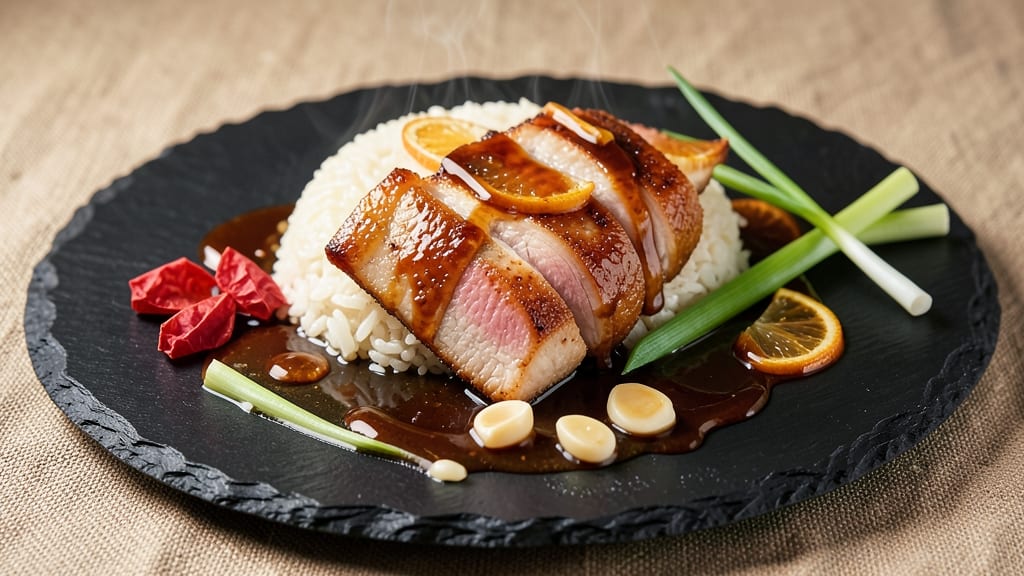
This Asian pork sauce recipe transforms simple stir-fries into restaurant-quality masterpieces with its glossy, sweet-spicy balance. The secret lies in simmering soy sauce, hoisin, and aromatics until thick and fragrant—creating a sauce that clings perfectly to meat and vegetables. I developed this version after years of testing, ensuring it delivers depth without overpowering the dish.
The beauty of this sauce is its versatility—use it as a marinade, stir-fry glaze, or dipping sauce for spring rolls. A touch of honey or sugar balances the soy's saltiness, while garlic and ginger add aromatic complexity.
The reduction process concentrates flavors, making every drop count. Ready in just 15 minutes, it's perfect for weeknight cooking without sacrificing restaurant-quality results.
What makes this sauce truly special is its ability to elevate humble ingredients. The glossy finish comes from a final touch of cornstarch slurry, creating that signature sheen you see in Asian eateries.
It's the kind of sauce that turns ordinary proteins into showstoppers—think crispy pork belly, tender chicken, or even tofu that absorbs every flavorful note.
Once you master this base, you can customize it with chili paste for heat, sesame oil for nuttiness, or rice vinegar for brightness. The possibilities are endless, but the foundation remains the same: balanced, flavorful, and impossible to resist. Let's get started on creating your perfect glaze.
Ingredients for asian pork sauce
Nine essential ingredients create this restaurant-worthy glaze that transforms any stir-fry.
| Ingredient | Amount | Notes |
|---|---|---|
| Soy Sauce 🍶 | ½ cup | High-quality light soy preferred |
| Hoisin Sauce 🍶 | ¼ cup | For authentic sweet-spicy depth |
| Rice Vinegar 🍶 | 2 tbsp | White vinegar works in pinch |
| Honey 🍯 | 2 tbsp | Or agave for vegan option |
| Garlic Cloves 🧄 | 4 cloves | Minced for aromatic punch |
| Fresh Ginger 🌿 | 1 ½ tbsp | Grated, not powdered |
| Sesame Oil 🫒 | 1 tbsp | Toasted for nuttiness |
| Cornstarch 🌾 | 1 tbsp | For glossy finish |
| Water 💧 | 2 tbsp | For cornstarch slurry |
| Red Chili Flakes 🌶️ | ½ tsp | Adjust for heat preference |
The soy sauce is your flavor foundation—Kikkoman or Lee Kum Kee brands deliver consistent quality. Hoisin sauce adds that signature sweet-spicy depth, and you'll find it in the Asian foods aisle (or make your own if you're ambitious). Fresh ginger and garlic are non-negotiable here—they're what gives this sauce its aromatic complexity. Costco often has pre-minced garlic in tubes, which saves time without sacrificing flavor. For the honey, I always reach for local raw honey when possible, as it adds subtle floral notes that store-bought brands sometimes lack.
No hoisin sauce? Substitute 1 tbsp soy sauce plus 1 tsp brown sugar—it won't be identical, but you'll still get that sweet-savory balance. Running out of sesame oil? Toasted sesame seeds (1 tsp) will give you that nutty aroma, though the sauce won't be as glossy. The cornstarch slurry is what creates that signature sheen—don't skip it! For extra heat, add a dash of Sichuan chili paste or a pinch of gochugaru (Korean chili flakes). And if you're watching sugar, reduce the honey to 1 tbsp and add 1 tsp rice vinegar for brightness.
This sauce keeps beautifully—1 week in the fridge once opened. I like to portion it into small jars (about 2 tbsp each) so I can grab exactly what I need for a quick stir-fry. It freezes well for 3 months too, though the texture might separate slightly when thawed—just stir vigorously to recombine. For best results, use within 3 days of making it fresh. The sauce thickens as it cools, so don't worry if it looks too thin right after making—it'll come together perfectly when chilled.
Why You'll Love This Recipe
- Five-Ingredient Magic: Honestly, I keep this in my back pocket for when I’m too tired to think. Just toss those five staples—soy, hoisin, vinegar, honey, and garlic—into a pot, simmer until it thickens, and boom. No chopping, no fuss, just flavor.
- Sweet-Savory Balance: That honey cutting through the umami? It’s the kind of harmony you’ll reach for again and again. The garlic sizzles just enough to wake up every bite, while the vinegar keeps it bright—no heavy, overpowering aftertaste.
- Weeknight to Party: Between us, this sauce is my lazy night secret weapon and the star of my potlucks. Drizzle it over rice bowls, toss it with noodles, or serve it with dumplings—no one will guess it took me 15 minutes to make.
- Budget-Friendly Staple: I make a double batch every time because it lasts. The hoisin and soy stretch far, and the honey adds richness without breaking the bank. Plus, it turns cheap pork into something that feels special—no gimmicks, just smart shopping.
Step-by-step instructions for glossy Asian pork sauce
This sauce delivers that signature restaurant-quality shine and perfect balance of sweet, salty, and spicy.
Prepare the Aromatic Base
In a small saucepan, combine the 0.5 cup soy sauce, 0.25 cup hoisin sauce, 2 tbsp rice vinegar, 2 tbsp honey, 4 minced garlic cloves, and 1.5 tbsp freshly grated ginger. Bring the mixture to a gentle simmer over medium heat, stirring constantly to dissolve the honey completely. You'll notice the aromatics release their fragrance almost immediately—this is where all the flavor magic begins.
Simmer for 5-7 minutes until the mixture reduces slightly and becomes fragrant. The sauce should thicken just enough to coat the back of a spoon, but don't let it darken or burn. If it starts to look too concentrated, add 1 tablespoon of water to maintain balance. This reduction step develops the sauce's depth and removes any raw garlic or ginger sharpness.
Build the Glossy Finish
In a separate small bowl, whisk together the 1 tbsp cornstarch and 2 tbsp water to create a smooth slurry. This mixture is your secret weapon for achieving that signature glossy sheen. Once combined, pour it slowly into the simmering sauce while stirring continuously with a wooden spoon or silicone spatula.
Continue cooking over medium-low heat for 2-3 minutes until the sauce thickens noticeably and becomes translucent. You're looking for a consistency where it coats the spoon but still flows easily—like light syrup. If it thickens too quickly, add another ½ tablespoon of water to adjust. The sauce should now have a rich, velvety texture that will beautifully coat your pork.
Incorporate the Finishing Touches
Remove the sauce from heat and stir in the 1 tbsp toasted sesame oil and 0.5 tsp red chili flakes. The sesame oil adds a nutty aroma that elevates the entire dish, while the chili flakes introduce just the right amount of heat. Taste the sauce and adjust seasoning if needed—you might want to add a splash more soy sauce for saltiness or honey for sweetness, depending on your preference.
Let the sauce rest for 5 minutes before using. This brief resting period allows all the flavors to meld together perfectly. The sauce will thicken slightly as it cools, which is ideal for tossing with pork or using as a dipping sauce. The final product should be glossy, aromatic, and perfectly balanced between sweet, salty, and spicy notes.
Pro Tips For Making Asian Pork Sauce
- COOK GARLIC LOW AND LATE: I used to blast garlic in oil until it turned bitter—don’t. Add the minced cloves to the sauce after it’s simmered for 3 minutes, then let it cook just until fragrant (about 30 seconds). This keeps the flavor bright and sweet, not burnt or harsh.
- SIMMER SLOW AND STIR CONSTANT: This sauce needs patience—keep it at a gentle simmer (small bubbles, not rolling) and stir every 30 seconds. I learned this the hard way when I walked away for 2 minutes and ended up with a gloppy, uneven mess. A wooden spoon works best for even heat distribution.
- BALANCE SWEET AND SOUR FIRST: Taste your sauce before adding honey—if the rice vinegar’s tang is overpowering, add a splash of water or a pinch of sugar first. Then adjust honey to taste. I skip this step half the time, and the sauce always ends up either cloying or too sharp.
- USE THICK HOISIN, NOT SYRUPY: Not all hoisin sauces are created equal—pick one with a chunky, slightly grainy texture (like Lee Kum Kee). Thin, syrupy versions will make your sauce too sweet and watery. If yours is runny, reduce it by 1-2 minutes on the stove before mixing.
Flavor customization for this recipe
Sweet Heat Balance
Adjust the honey-to-chili ratio to suit your taste. For a milder sauce, reduce red chili flakes to ¼ tsp and add 1 tsp extra honey for sweetness.
If you crave heat, swap the chili flakes for ½ tsp Sichuan chili paste or ¼ tsp gochugaru (Korean chili flakes) for a deeper, fruitier spice. I often keep both versions on hand—one for quick stir-fries and one for bold dishes like char siu pork. 🌶️
Umami Boost Options
For extra depth, stir in 1 tbsp fish sauce (like Red Boat) or 1 tsp oyster sauce after removing from heat. These add a briny, savory richness that pairs perfectly with pork.
Alternatively, add 1 tsp miso paste (white or red) for a fermented umami punch. Just whisk it in gently to avoid clumping—this works especially well with grilled pork belly.
Herb & Citrus Infusions
Brighten the sauce with 1 tsp fresh cilantro or Thai basil, finely chopped, just before serving. For citrusy notes, add 1 tsp lime zest or 1 tbsp lime juice—this cuts through the richness beautifully.
I love using this infusion for pork lettuce wraps or as a dipping sauce for spring rolls. The acidity also helps balance any excess sweetness if you prefer a sharper profile.
Nutty & Toasted Variations
For a peanut satay-style twist, stir in 1 tbsp smooth peanut butter (like Smucker's) and ½ tsp toasted sesame seeds at the end. This creates a creamy, nutty sauce perfect for grilled pork skewers.
Another option: Add 1 tsp toasted cumin seeds (lightly fried in ½ tbsp oil) for an earthy, Middle Eastern-Asian fusion flavor that works surprisingly well with pork tenderloin.
Spicy Fermented Twist
Swap ½ tsp rice vinegar for 1 tsp doubanjiang (Chinese fermented chili bean paste) and add ½ tsp black vinegar for a funky, tangy depth. This variation is inspired by Sichuan cuisine and adds a slightly sour, funky edge that pairs amazingly with crispy pork ribs.
For a milder version, reduce the doubanjiang to ¼ tsp and add an extra ½ tsp honey to balance the complexity.
Smoky Charred Depth
For a smoky char reminiscent of bbq pork, add ½ tsp liquid smoke (like Colossal Smokehouse) or 1 tsp smoked paprika to the sauce. This works especially well with grilled or roasted pork.
For a more authentic approach, char 1 clove garlic and ½ tsp ginger in a dry pan until blackened, then mash and add to the sauce. The smoky aroma elevates the dish to restaurant-quality BBQ pork territory. ✨
Nutrition facts
Frequently asked questions
Can I make this sauce without hoisin?
Yes! For a quick substitute, mix 1 tbsp soy sauce with 1 tsp brown sugar and a pinch of five-spice powder. This won't replicate hoisin's exact depth, but it'll give you that sweet-savory base. For better results, try making homemade hoisin with fermented bean paste and dates—it's worth the effort for authentic flavor.
How do I prevent the sauce from getting too thick?
If your sauce thickens too quickly, simply add ½ tbsp water at a time while stirring constantly. The cornstarch slurry will thicken as it cools, so it's better to err on the thinner side while hot. For extra insurance, keep 1 tbsp water nearby during cooking. This sauce should coat the back of a spoon but still flow easily when warm.
What's the best way to use leftover sauce?
Store leftover sauce in an airtight container for up to 1 week in the fridge. Use it to glaze grilled pork chops, toss with stir-fried veggies, or drizzle over rice noodles. For extra flavor, reheat gently with 1 tsp water to loosen the consistency. It also makes an amazing dipping sauce for spring rolls or egg rolls.
Can I make this sauce spicier? For extra heat, add ½ tsp Sichuan chili paste or ¼ tsp gochugaru (Korean chili flakes) instead of the red chili flakes. For a smoky kick, stir in ½ tsp toasted chili oil at the end. If you love fermented heat, swap ½ tsp rice vinegar for 1 tsp doubanjiang—just
Why does my sauce look cloudy instead of glossy?
The glossy finish comes from the cornstarch slurry and proper reduction. If your sauce looks cloudy, it may have been over-stirred during the slurry step or not reduced enough. For a quick fix, simmer the sauce for an extra 1-2 minutes to drive off excess moisture. The sauce will naturally develop shine as it cools—patience is key! For extra gloss, add ½ tsp neutral oil at the end.