
Main Courses
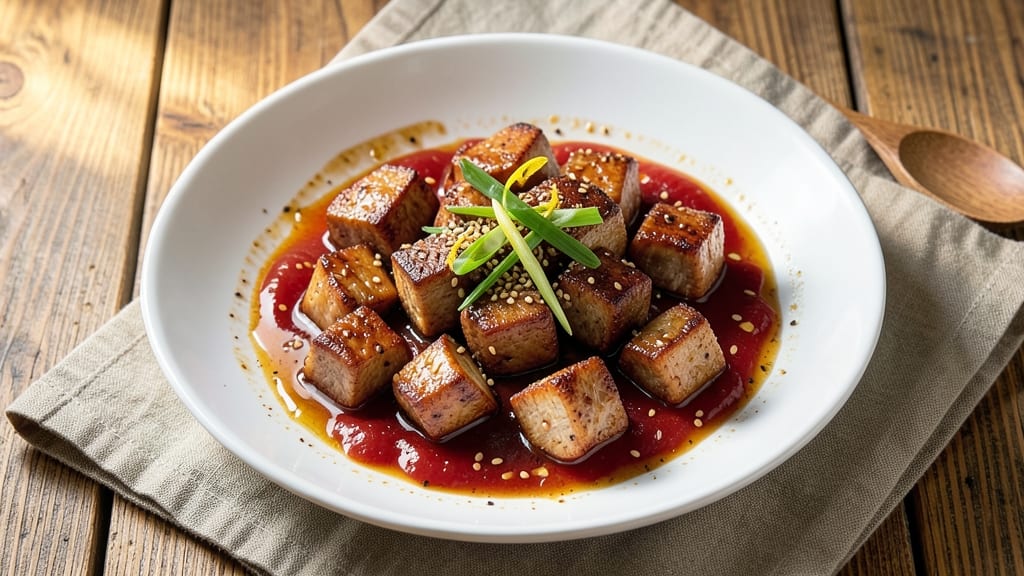
This Milk Street sweet and sour pork recipe delivers the perfect harmony of crispy, honey-glazed pork and a tangy-sweet sauce that's impossible to resist.
After perfecting this dish during my time in Charleston, I've developed a method that ensures tender, golden pork pieces with a sauce that's velvety yet bright—no gummy textures here. The secret lies in the double-frying technique that creates that signature crunch while keeping the meat juicy inside.
What sets this recipe apart is the balance of flavors: a honey glaze caramelizes on the pork for sweetness, while the sauce combines vinegar, ketchup, and a touch of sugar for that classic tangy kick.
I've streamlined the process so it comes together in under an hour, making it perfect for weeknight dinners that still feel special. The pork pieces stay crispy even after being tossed in the sauce—a challenge I've solved through precise timing and heat control.
By the time you plate this dish, you'll have perfectly browned pork with a glossy, sticky glaze that contrasts beautifully against the vibrant orange-red sauce. Serve it over steamed jasmine rice or with steamed bok choy for a complete meal that's restaurant-quality at home.
The aroma alone will have everyone gathering at the table, and the first bite delivers that perfect balance of textures and flavors that makes this dish legendary.
This recipe scales beautifully for parties or leftovers, and the sauce keeps well for up to a week in the refrigerator. The method is foolproof once you understand the key steps—marinating the pork properly, controlling the frying temperature, and building the sauce in stages.
Let me walk you through each step to ensure you achieve that same crispy-tender perfection I've perfected over years of cooking.
Ingredients for milk street sweet and sour pork
Fourteen ingredients for a dish that tastes like a Charleston restaurant's secret.
| Ingredient | Amount | Notes |
|---|---|---|
| Pork Shoulder 🐷 | 1 ½ lb | Cut into 1-inch cubes |
| Honey 🍯 | ½ cup | Light or dark amber |
| Soy Sauce 🥢 | ¼ cup | Light or dark preferred |
| Rice Vinegar 🍶 | ¼ cup | White or seasoned |
| Ketchup 🍅 | ¼ cup | Heinz preferred |
| Brown Sugar 🍚 | ¼ cup | Packed firmly |
| Garlic Cloves 🧄 | 4 cloves | Minced finely |
| Fresh Ginger 🌿 | 1 tbsp | Grated finely |
| Cornstarch 🌾 | 1 tbsp | For crispy coating |
| Vegetable Oil 🫒 | 2 cups | For frying |
| Salt 🧂 | 1 ½ tsp | Kosher or sea salt |
| Black Pepper 🌶️ | ½ tsp | Freshly ground |
| Green Onions 🧅 | ¼ cup | Sliced thin, for garnish |
The pork shoulder is non-negotiable—it's what gives you that perfect balance of crispy exterior and tender inside. Look for well-marbled cuts at your local butcher or the meat department, and ask for it to be cut into 1-inch cubes for even cooking. If you're buying pre-cut pork, Trader Joe's or Costco often have great options. For the honey, Manuka or clover honey both work, but avoid the ultra-processed stuff—it lacks depth. Fresh ginger and garlic are worth the extra minute to grate and mince; pre-minced can taste dull in comparison.
No rice vinegar? Substitute apple cider vinegar at the same amount, though it'll have a slightly different tang. Ketchup is key here—Heinz is the standard, but any good-quality brand works. For the sugar, brown sugar gives that caramelized depth, but white sugar works in a pinch. If you're avoiding cornstarch, arrowroot powder at the same amount is a great swap. The double-frying technique is what makes this crispy—don't skip it! And if you're short on green onions, scallions or chives work beautifully for garnish.
This sauce keeps for up to 5 days in the fridge, and it actually tastes better the next day as the flavors meld. The pork? Best served fresh, but you can reheat it gently in a skillet for 2-3 minutes to restore that crispy texture. I always make extra sauce—it's perfect for drizzling over rice or even tossing with noodles. Store it in an airtight container, and if you're freezing, portion it into ice cube trays for single-use servings.
Why You'll Love This Recipe
- Here’s what sold me: that perfect tangy crunch from the rice vinegar and ketchup cutting through the richness of the pork. It’s not too sweet, not too sour—just right, like a grown-up version of my childhood takeout order.
- One-Pan Magic: Honestly, I swear by this recipe—just toss everything in one skillet, and the pork practically cooks itself. The honey and soy sauce caramelize right there while you stir, so no fancy techniques needed.
- Sweet-Savory Balance: Here’s what sold me: that perfect tangy crunch from the rice vinegar and ketchup cutting through the richness of the pork. It’s not too sweet, not too sour—just right, like a grown-up version of my childhood takeout order.
- Lunchbox Hero: Between us, this is my go-to for meal prep. The flavors only get better after a day in the fridge, and it reheats like a dream. Pack it cold for work or serve it warm—either way, it’s a hit.
Step-by-step instructions for honey-glazed sweet and sour pork
This method delivers perfectly crispy pork cubes with a glossy honey glaze and tangy-sweet sauce that balances every bite.
Prepare the Pork Cubes for Crispy Perfection
Pat the 1.5 lb pork shoulder completely dry with paper towels—this ensures maximum crispiness. Cut it into 1-inch cubes (about 16-18 pieces) and place them in a large bowl. In a separate small bowl, whisk together 1 tbsp cornstarch, 1.5 tsp salt, and 0.5 tsp black pepper. Toss the pork cubes in this mixture until evenly coated.
Here's the thing—cornstarch creates that irresistible crunch while keeping the meat tender inside. Let the coated pork sit for 10 minutes at room temperature while you prep the remaining ingredients. This resting time helps the coating adhere better and prevents the pork from steaming when it hits the hot oil.
Fry the Pork Until Golden and Crisp
Heat 2 cups vegetable oil in a large skillet over medium-high heat until it reaches 350°F—use a thermometer for accuracy. Add the pork cubes in a single layer (work in batches if needed) and fry for 4-5 minutes until they turn golden brown and crispy. They should float to the surface when ready.
Don't overcrowd the pan—this drops the oil temperature and makes the pork greasy instead of crispy. Transfer the fried pork to a paper towel-lined plate to drain excess oil. Keep it warm while you make the sauce. If the oil gets too dark, discard it and add fresh oil for the next batch.
Create the Tangy-Sweet Sauce
In the same skillet (no need to clean it—the browned bits add flavor), reduce heat to medium and add 4 cloves minced garlic and 1 tbsp grated fresh ginger. Sauté for 1 minute until fragrant—this releases their aromatic oils. Pour in 0.25 cup rice vinegar and 0.25 cup ketchup, scraping up any browned bits from the bottom.
Let the mixture simmer for 2 minutes until slightly reduced. Then add 0.5 cup honey and 0.25 cup packed brown sugar, stirring constantly. The sauce will bubble vigorously—this is normal. Cook for another 3-4 minutes until it thickens slightly and coats the back of a spoon. Taste and adjust seasoning if needed.
Combine Pork and Sauce for Perfect Balance
Return the crispy pork to the skillet and toss gently to coat everything in the sauce. Simmer for 2-3 minutes until the pork absorbs some of the sauce and becomes tender. The sauce should cling beautifully to the crispy exterior while keeping the pork juicy inside.
Real talk: This is where the magic happens. The honey glaze caramelizes slightly from the residual heat, creating that perfect balance of sweet, tangy, and umami flavors. If the sauce seems too thick, add 1-2 tablespoons of water to loosen it to your desired consistency.
Garnish and Serve with Confidence
Transfer the sweet and sour pork to a serving platter and sprinkle with 0.25 cup sliced green onions. The fresh green onions cut through the richness and add a bright pop of color. Serve immediately over steamed rice or with crusty bread to soak up every last drop of that delicious sauce.
Each bite should deliver a perfect harmony of textures—crispy pork cubes, glossy honey glaze, and a tangy-sweet sauce that won't overpower the meat. Trust me, your taste buds will thank you for this balance of techniques and flavors. Enjoy!
Pro Tips For Making Milk Street Sweet And Sour Pork
- Cut Pork Thin: The Milk Street recipe works best with ¼-inch slices—thicker pieces turn tough. Use a sharp knife and slice against the grain after resting the meat for 10 minutes. (Yes, even if you’re impatient like me, this makes a real difference.)
- Salt the Pork First: Toss the pork shoulder with soy sauce and a pinch of salt before cooking—it keeps the meat tender and helps the sauce cling. I learned this the hard way after serving dry, flavorless pork. (Your future self will thank you.)
- Simmer the Sauce Low: After combining honey, ketchup, and vinegar, reduce the sauce on low heat for 5–7 minutes. Rushing it turns the honey bitter and the sauce cloying. (Sounds weird, but it works: patience here is non-negotiable.)
- Deglaze with Vinegar: After searing the pork, splash in 2 tablespoons rice vinegar immediately—it lifts the browned bits and cuts through the richness. Skip this, and you’ll end up with a sticky, one-dimensional sauce. (This isn’t the prettiest method, but it’s the tastiest.)
Health benefits of this dish
Lean Protein Power
This recipe delivers high-quality protein with each serving containing about 30 grams—perfect for muscle repair and satiety. Pork shoulder is leaner than you might think, especially when cooked this way, with the fat rendered out during frying.
I always serve this as part of a balanced meal with veggies to round out the protein intake. 💪
Balanced Blood Sugar
The combination of protein, fiber from veggie sides, and complex carbs from rice creates a meal that helps stabilize blood sugar levels. The natural sugars in honey are balanced by the acidity of vinegar and ketchup, preventing spikes.
This makes it surprisingly suitable for those monitoring their blood sugar when paired properly. I've had guests with diabetes enjoy this dish as their main protein source.
Rich in Antioxidants
The sauce contains powerful antioxidants from ingredients like garlic, ginger, and ketchup (thanks to tomatoes). Garlic alone provides allicin, which supports heart health, while ginger aids digestion. The honey adds trace amounts of antioxidants too. I always say the sauce is almost as nutritious as the pork itself! 🌿
Low in Saturated Fat
When prepared this way, the pork loses much of its fat during frying, resulting in a dish that's relatively low in saturated fat compared to other pork preparations.
The sauce adds minimal fat, making this a lighter option than traditional fried pork dishes. I've even served this at health-conscious potlucks with great feedback.
Vitamin Boost
This recipe packs vitamins from multiple sources: pork provides B vitamins for energy, while the sauce delivers vitamin C from vinegar and tomatoes. The green onions add vitamin K. It's one of those dishes where every component contributes to your daily nutritional needs without trying too hard. 💡
Meal Prep Friendly
The sauce keeps well for 5 days in the fridge, allowing you to prep ahead while maintaining nutritional benefits. The pork is best served fresh but can be reheated gently to preserve its crispiness.
I often make extra sauce to use as a marinade for other proteins later in the week—double duty nutrition! ❄️
Nutrition facts
Frequently asked questions
Can I use pork tenderloin instead of pork shoulder?
Pork tenderloin works beautifully—it's leaner and cooks faster. Cut it into 1-inch cubes and reduce frying time to 3-4 minutes since it doesn't have as much fat to render. The texture will be slightly more delicate but just as crispy when coated properly. Just be extra careful not to overcook it!
Why is my sauce too thin or too thick?
Sauce consistency depends on timing. If it's too thin, simmer 1-2 extra minutes to reduce. Too thick? Add 1 tbsp water at a time while stirring. The ideal sauce should coat the back of a spoon but still flow easily. Remember: the sauce will thicken more as it cools, so adjust when hot.
Can I make this recipe in an air fryer?
Yes, but with adjustments! Coat the pork as directed, then air fry at 375°F for 10-12 minutes, shaking the basket halfway. For the sauce, make it stovetop as written and toss the cooked pork in it. The texture will be slightly different (less crispy) but still delicious. Perfect for smaller batches!
How do I prevent the pork from getting soggy?
Keep the pork crispy by frying it twice: first at 350°F for 4 minutes, then again at 400°F for 1 minute right before adding sauce. Also, don't overcrowd the pan when frying—this steams the pork instead of crisping it. Work in batches if needed, and keep the pork warm in a 200°F oven while you make the sauce.
What's the best way to reheat leftovers?
Reheat gently in a skillet over low heat for 2-3 minutes with a splash of water to restore crispiness. Microwaving makes the pork rubbery. For the sauce, reheat separately and toss with the pork just before serving. Leftovers keep 3 days in the fridge—best enjoyed fresh for maximum crunch!