
Sauces & Condiments
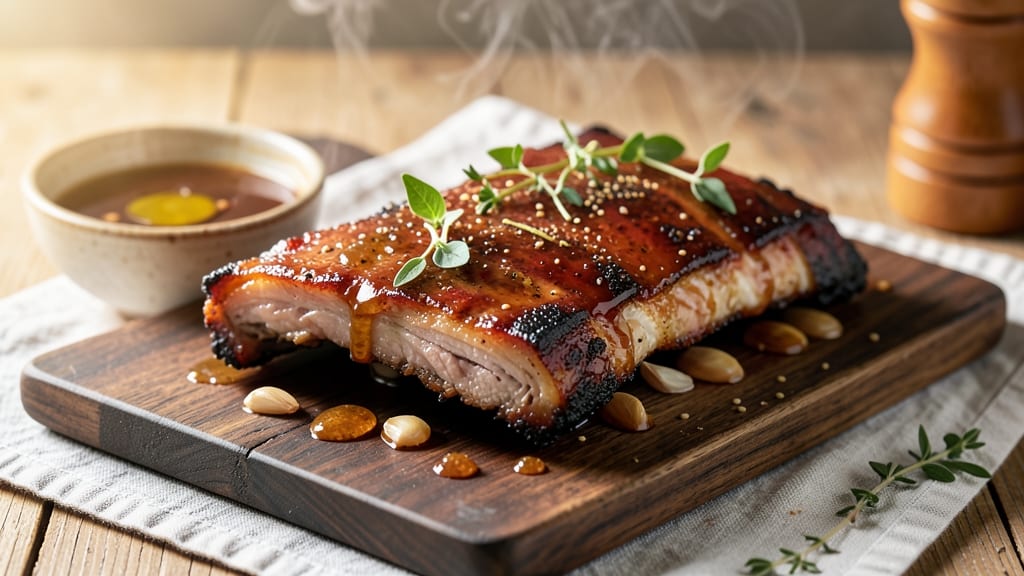
This barbecue pork ribs marinade transforms tough cuts into tender, aromatic masterpieces with just a few hours of patience. 🔥 Born from my years perfecting slow-cooked ribs, this five-spice and tamarind blend cuts through fat while building layers of complexity—sweet, tangy, and just spicy enough to make your mouth water. The secret? A balance of acids, oils, and aromatics that work together to break down collagen while creating that signature bark we all crave.
What sets this marinade apart is the tamarind, which adds a fruity depth that pairs perfectly with the warm spices. I developed this recipe during a particularly windy coastal ride when I needed something bold enough to stand up to the salty air.
The marinade doesn't just flavor—it tenderizes, ensuring your ribs fall apart at the slightest touch. Ready in just 15 minutes to mix, with 4-12 hours of resting time for maximum impact, this is the kind of marinade that turns weeknight cooking into a restaurant-worthy experience.
Once you taste the results—ribs that are sticky with caramelized bark yet tender inside—you'll understand why this became my signature marinade. The five-spice blend adds warmth, while the tamarind keeps things bright and complex.
It's the perfect foundation for any smoking or grilling method, and the flavors only deepen as they sit. Trust me, your ribs will never taste the same again.
The best part? This marinade keeps in the refrigerator for up to 2 weeks, making it ideal for meal prep. Whether you're cooking for a crowd or treating yourself to a solo feast, this flavor bomb delivers every time.
Let's get started on creating that perfect balance of sweet, tangy, and spicy that makes ribs unforgettable.
Ingredients for barbecue pork ribs marinade
This five-spice and tamarind marinade transforms tough ribs into sticky, tender perfection—just 15 minutes to mix, hours to melt in.
| Ingredient | Amount | Notes |
|---|---|---|
| Tamarind Paste 🍈 | ½ cup | Unrefined for authentic tang |
| Five-Spice Powder 🌶️ | 2 tbsp | Homemade or store-bought blend |
| Soy Sauce 🍶 | ⅓ cup | Low-sodium preferred |
| Honey 🍯 | ¼ cup | Wildflower for floral notes |
| Sesame Oil 🫒 | 1 tbsp | Toasted for nutty aroma |
| Garlic Cloves 🧄 | 6 cloves | Peeled and minced fine |
| Ginger Root 🌿 | 1 tbsp | Freshly grated preferred |
| Rice Vinegar 🍶 | ¼ cup | White vinegar substitute |
| Brown Sugar 🍚 | ¼ cup | Packed for moisture |
| Red Chili Flakes 🌶️ | 1 tbsp | Adjust for heat preference |
The tamarind is non-negotiable here—look for blocks at Asian markets or paste in tubes at Trader Joe's. Unrefined paste has that perfect balance of sweet and sour. For five-spice powder, Penzeys or Spicewalla make the best blends, but a homemade mix of cinnamon, star anise, fennel, clove, and Sichuan peppercorns works too. The honey? Wildflower or orange blossom adds floral depth that pairs beautifully with the smoky ribs. If you can't find tamarind, lime juice plus a pinch of sugar gets you close, though it won't have that same fruity complexity.
No sesame oil? Toasted peanut oil works in a pinch, though it'll have a different nutty profile. The ginger and garlic can be swapped for 1 tbsp each of ginger paste and garlic powder if fresh isn't available. For a sweeter marinade, double the honey and reduce the brown sugar to 2 tbsp. The red chili flakes are optional—leave them out for a milder marinade or add 1/2 tsp cayenne for extra heat. Pro tip: Toast the five-spice powder in a dry pan for 30 seconds before mixing to deepen its aroma. That's the secret to restaurant-quality flavor right there.
This marinade keeps for 2 weeks in the fridge, sealed tightly in a jar. The flavors actually improve as they sit, so make extra—it's perfect for brining ribs or even glazing grilled chicken. For best results, marinate ribs for at least 4 hours, but overnight is ideal. If you're short on time, paint the marinade on ribs just before cooking—the bark will still form beautifully. Store any leftover marinade in the freezer for up to 3 months in ice cube trays for easy portioning later.
Why You'll Love This Recipe
- Five Spices in Minutes: Honestly, I’m not one for complicated prep—just mix tamarind paste, five-spice powder, and soy sauce in a bowl, then let the honey and sesame oil do their magic. No peeling, no dicing, no fuss. The ribs get all that sticky, aromatic goodness in 10 minutes while you’re still deciding what to watch on TV.
- Tangy-Sweet Magic: Between us, tamarind and honey create this perfect balance—sour enough to cut through the richness, sweet enough to make you lick the bowl. That five-spice powder? It’s like a little flavor bomb—warm, earthy, and just a hint of spice that lingers in the best way. These ribs aren’t just tasty; they’re ridiculously good.
- Leftovers? No Problem: I swear by this marinade because it travels so well. Slather it on ribs, grill them, and the leftovers? Still fall-off-the-bone tender the next day. Toss them in a wrap for lunch, chop them into a noodle stir-fry, or just reheat them straight up—no one will complain. (Yes, even on a Tuesday night.)
- Budget Meets Bold: Five-spice powder and tamarind paste might sound fancy, but they’re way cheaper than store-bought rubs—and they make this marinade taste like it cost a fortune. A little sesame oil goes a long way, and soy sauce? Always in my pantry. This is my go-to when I want restaurant-quality ribs without the grocery haul.
Step-by-step instructions for five-spice tamarind rib marinade
This marinade transforms tough ribs into melt-in-your-mouth perfection with bold, balanced flavors.
👨🍳 Step 1: Whisk the Wet Ingredients Together
In a medium bowl, combine the 0.5 cup tamarind paste with the 0.33 cup soy sauce and 0.25 cup rice vinegar. Stir until the tamarind dissolves completely—it should look smooth and glossy, not stringy. The tamarind gives that signature tangy depth that cuts through the richness of pork.
Next, add the 0.25 cup honey and 0.25 cup packed brown sugar. Whisk vigorously until fully incorporated. You'll notice the mixture thicken slightly as the sugars dissolve. This sweet component balances the acidity while caramelizing beautifully during cooking.
🍳 Step 2: Add Aromatics and Spices
In a small bowl, finely mince the 6 cloves garlic and grate the 1 tbsp ginger root. I like to use a microplane for the ginger—it creates a fine texture that distributes evenly. Add these to your marinade along with the 1 tbsp sesame oil and 1 tbsp red chili flakes.
Now for the star: sprinkle in the 2 tbsp five-spice powder. Give everything one final whisk until the spices are completely dispersed. You'll smell that incredible combination of cinnamon, clove, and star anise—it's what makes this marinade truly special. Let it sit for 5 minutes to allow the spices to bloom and infuse.
⏰ Step 3: Test and Adjust the Balance
Taste your marinade before using it—this is where you can make magic happen. The flavors should be complex: sweet from the honey and sugar, tangy from the tamarind and vinegar, umami from the soy sauce, and a subtle heat from the chili flakes. If it needs more depth, add another ½ tablespoon soy sauce. Too sweet? Stir in 1 teaspoon rice vinegar.
I know it might seem weird to taste raw ingredients, but this marinade is designed to work its magic immediately. The balance is everything—you want it to be bold but not overpowering. Once you're happy with the flavor, give it one final stir to re-emphasize the spices.
🥘 Step 4: Apply to Ribs and Marinate
Pat your pork ribs completely dry with paper towels—this helps the marinade adhere better and promotes better browning later. Place them in a large resealable plastic bag or shallow dish and pour the marinade over them. Use your hands to massage the marinade into every nook and cranny, especially the meaty parts between the bones.
Seal the bag or cover the dish and refrigerate for at least 4 hours, but overnight is even better if you can plan ahead. The acid in the tamarind and vinegar will begin tenderizing the meat, while the spices penetrate deeply. When you're ready to cook, the ribs should smell absolutely incredible—like a sweet, spicy, aromatic dream coming to life.
Pro Tips For Making Barbecue Pork Ribs Marinade
- Dissolve Tamarind First: I learned this the hard way—dumping tamarind paste straight into the marinade leaves clumps that won’t break down, no matter how much you stir. Mix it with ¼ cup warm water first, whisk until smooth, then add to the soy and honey. The acidity will blend evenly, giving you that silky, balanced tang instead of grainy surprises.
- Toast the Five-Spice: Skipping this step means your ribs get a flat, dusty flavor instead of deep, aromatic layers. Dry-toast the five-spice powder in a small pan over medium heat for 30 seconds—just until it smells like a spice market. Let it cool before adding; the warmth activates the spices so they cling better to the meat.
- Marinate Overnight (Or Don’t): I know, you’re eager to grill. But if you can spare 12 hours, the tamarind’s acidity and soy sauce will tenderize the ribs way more than a quick rub. No time? At least let it sit for 4 hours—it’ll still be better than nothing, and the sesame oil will penetrate faster into slightly softened meat.
- Balance the Sweet-Savory Ratio: Too much honey and your ribs taste like dessert; too little soy and they’re bland. Start with a 1:1 ratio of honey to soy (e.g., 2 tbsp each), then taste-test after mixing. Adjust by adding a splash more soy for depth or a drizzle of honey for gloss—this is where the magic happens, not the spices.
Essential equipment for this recipe
Smoker Essentials
First things first—you need a reliable smoker. I swear by my Traeger Pro 570 for its consistent temperature control, but a Weber Smokey Mountain or even a trusty charcoal offset smoker will do the trick.
The key is maintaining that 225-250°F range for ribs—anything hotter and you risk drying them out. I always keep a digital thermometer (like the Meater) handy to monitor both the smoker and internal rib temperature. 🌡️
Marinade Application Tools
For applying this marinade, grab a large resealable plastic bag or a shallow glass dish—both work great. I prefer the bag because it lets me massage the marinade directly into the ribs without making a mess.
If you're using a dish, cover it with plastic wrap and poke holes for airflow. A pastry brush comes in handy for touching up marinade before cooking or adding extra glaze during smoking. Trust me, that extra effort makes all the difference.
Spice and Ingredient Prep
Don't skip the microplane for ginger—it's a game-changer for even distribution. For the five-spice blend, I toast it in a dry skillet for 30 seconds to deepen its aroma. A mortar and pestle works too if you're grinding whole spices.
Store-bought tamarind paste is fine, but if you can find blocks at an Asian market, you'll get that authentic, unrefined tang. And always keep low-sodium soy sauce on hand—it adds umami without overpowering the marinade.
Heat Control Gear
Your smoker's temperature probe is non-negotiable, but I also recommend heat-resistant gloves (like KitchenCraft) for handling hot ribs or adjusting vents. A spray bottle with apple juice or water helps maintain moisture during smoking—just mist the ribs every hour to keep them from drying out.
For finishing, a tongs set (I love Ozeri TouchGrip) makes flipping and basting ribs effortless. These tools turn a good cookout into a pro-level experience.
Storage and Prep Containers
Marinade leftovers deserve a glass jar with an airtight lid—I use Le Parfait jars for their durability. For prepping ribs, a large rimmed baking sheet or cast-iron skillet works great if you're not using a smoker.
And if you're meal prepping, vacuum-sealed bags extend the marinade's shelf life to 3 months in the freezer. Label everything clearly—trust me, you'll thank yourself later when you're pulling this marinade out for a spontaneous cookout. 💪
Nutrition facts
Frequently asked questions
Can I use this marinade on other meats besides pork ribs?
This five-spice tamarind marinade works beautifully on chicken thighs, duck breasts, and even beef short ribs. The tamarind's tang pairs especially well with duck, while the five-spice blend adds warmth to beef. For poultry, reduce marinating time to 2-4 hours to prevent over-tenderizing.
What's the best way to store leftover marinade?
Transfer any unused marinade to an airtight glass jar and refrigerate for up to 2 weeks. For longer storage, freeze in ice cube trays for 3 months. The flavors actually deepen when stored properly—perfect for last-minute glaze applications! Just thaw overnight in the fridge before using.
Can I make this marinade without tamarind?
Yes! Mix ¼ cup lime juice with 1 tbsp sugar as a substitute—it won't be identical but will still add tangy brightness. For deeper flavor, try ½ cup pineapple juice (reduced by half) which adds natural sweetness. The five-spice blend remains the marinade's signature element regardless of acid source.
How do I adjust the heat level?
For milder ribs, reduce the red chili flakes to ½ tbsp or omit completely. Need more heat? Add ½ tsp cayenne pepper or 1 tsp gochujang. Always taste before applying—this marinade's balance is key! The five-spice provides warmth without overwhelming heat, making it versatile for all spice preferences.
Why does my marinade look separated?
This happens when oils and acids separate naturally. Simply whisk vigorously before using—it should emulsify completely. For extra insurance, blend all ingredients briefly with an immersion blender. The tamarind paste is particularly prone to this, so give it a good stir whenever you open the jar.