
Main Courses
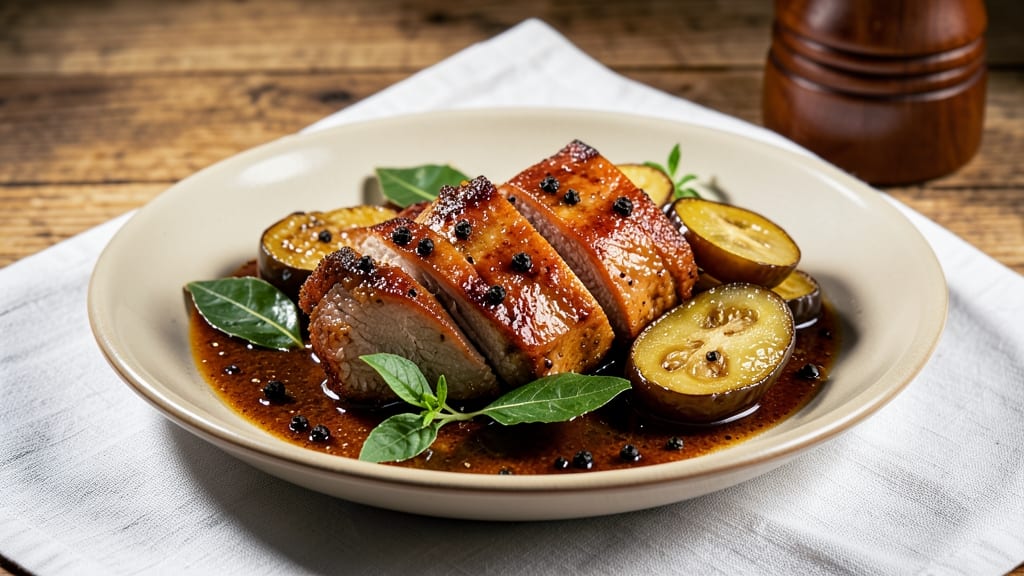
This Batangas pork afritada recipe brings the rich, tangy flavors of the Philippines straight to your kitchen, where tender pork simmers in a vibrant tomato-vinegar sauce. 🌟 After years of perfecting this dish, I've developed a method that delivers restaurant-quality results at home—starting with a five-spice marinade that transforms tough cuts into melt-in-your-mouth bites.
The key lies in balancing sweet, sour, and savory notes, creating a sauce that's both deeply flavorful and approachable for weeknight dinners.
The traditional Batangas style relies on slow cooking to develop layers of complexity, where onions, bell peppers, and potatoes meld together in a rich, slightly sweet tomato base. Unlike other versions, this recipe incorporates a touch of vinegar for brightness, while black peppercorns and bay leaves add aromatic depth.
The result is a dish that's hearty enough for a family meal but simple enough to prepare in one pot, making it perfect for busy evenings.
By the time you serve this afritada, you'll have tender pork pieces falling apart in your fork, swimming in a glossy sauce that's tangy, slightly sweet, and packed with umami. The aromas alone—caramelizing onions, simmering tomatoes, and spiced pork—will have everyone gathered around the table.
This is comfort food at its finest, with the added bonus of being versatile enough to pair with rice, crusty bread, or even as a filling for stuffed peppers.
What makes this recipe special is its adaptability—whether you're cooking on the stovetop or using a slow cooker for hands-off preparation. The five-spice marinade not only tenderizes the meat but also infuses it with warmth, while the vinegar in the sauce cuts through the richness, creating balance in every bite.
Trust me, once you try this version, you'll understand why it's a staple in Filipino households.
Ingredients for batangas pork afritada
Pork shoulder, five spices, and a tangy tomato-vinegar sauce—this is comfort food at its finest.
| Ingredient | Amount | Notes |
|---|---|---|
| Pork Shoulder 🥩 | 3 lb | Cut into 1.5-inch cubes |
| White Vinegar 💧 | ½ cup | Distilled preferred |
| Soy Sauce 🍶 | ⅓ cup | Regular or light |
| Brown Sugar 🍯 | ¼ cup | Packed, light brown preferred |
| Ground Black Peppercorns 🌶️ | 1 tbsp | Freshly ground |
| Bay Leaves 🌿 | 2 whole | Dried, standard size |
| Garlic Cloves 🧄 | 6 cloves | Minced, fresh preferred |
| Yellow Onions 🧅 | 2 whole | Medium, sliced |
| Red Bell Peppers 🌶️ | 2 whole | Medium, sliced |
| Russet Potatoes 🥔 | 2 lb | Peeled, cubed |
| Canned Crushed Tomatoes 🍅 | 28 oz | San Marzano preferred |
| Olive Oil 🫒 | ¼ cup | Extra-virgin for richness |
| Salt 🧂 | 1 ½ tsp | Diamond Crystal preferred |
| Ground Cinnamon 🌿 | ½ tsp | Toasted for depth |
| Ground Cloves 🌶️ | ¼ tsp | Freshly ground |
The pork shoulder is non-negotiable here. Look for well-marbled cuts at your local butcher or Costco—it's worth the extra cost for that melt-in-your-mouth texture. If you can't find it fresh, frozen pork shoulder from Trader Joe's works perfectly too. The five-spice marinade (vinegar, soy sauce, brown sugar, cinnamon, and cloves) transforms tough meat into tender bites. I always double-check the expiration date on spices—ground spices lose potency fast, and you want that warm, aromatic punch. For the tomatoes, San Marzano cans from Whole Foods or any Italian market are worth the investment—they're sweeter and less acidic, which balances the tangy vinegar beautifully.
No brown sugar? White sugar plus a pinch of cinnamon works in a pinch. Short on vinegar? Lemon juice at half the amount gets you close, though it'll be slightly less tangy. The potatoes can be swapped for sweet potatoes if you prefer, but they'll take longer to cook. If you're using pre-minced garlic, toast it in olive oil first to deepen the flavor. The bell peppers? Any color works, but red has the sweetest flavor. For a quicker version, you can use frozen bell peppers—just thaw and drain them first. The bay leaves are optional but add that classic, earthy depth that makes this dish feel authentic.
This sauce gets better the next day—honestly, I make extra just to have leftovers. Store in an airtight container in the fridge for up to 5 days, or freeze portions for 3 months. The pork stays tender when reheated gently with a splash of water or broth. I always portion mine into glass containers because they reheat more evenly. For meal prep, double the recipe—it's perfect for lunches or potlucks. The flavors meld even more overnight, so if you can wait, do it.
Why You'll Love This Recipe
- One-Pot Magic: I swear by this recipe for lazy nights—just toss the pork shoulder, vinegar, soy sauce, and sugar in one pot, and walk away. The vinegar does all the work, tenderizing while you’re scrolling or watching TV.
- Tangy-Sweet Fixation: That balance of vinegar’s sharp bite and brown sugar’s caramelized depth? It’s the kind of flavor that sticks with you. The peppercorns add a subtle kick that makes it feel special without extra effort.
- Leftovers That Shine: Afritada only gets better the next day—reheat it, and the pork turns even more tender. I pack it for lunches or freeze portions; it’s my go-to for busy weeks when I need reliable, satisfying meals.
- Budget Stretch: Pork shoulder is cheap, and the ingredients won’t break the bank. A single batch feeds four, and the leftovers stretch into lunches or stir-fries. Honestly, it’s the kind of recipe that makes grocery day less stressful.
Step-by-step instructions for Batangas pork afritada
Here's how to create melt-in-your-mouth pork with a tangy, aromatic sauce that's pure comfort food.
👨🍳 Step 1: Marinate the Pork for Maximum Tenderness
In a large bowl, combine the 3 lb pork shoulder cut into 1.5-inch cubes with 0.5 cup white vinegar, 0.33 cup soy sauce, 0.25 cup packed brown sugar, 1 tbsp freshly ground black peppercorns, 0.5 tsp ground cinnamon, and 0.25 tsp ground cloves. Mix everything thoroughly until the pork is completely coated in the marinade.
Cover the bowl and refrigerate for at least 4 hours (overnight is even better). This marinating time is what makes the pork incredibly tender—you'll see the cubes become plump and infused with flavor. Don't skip this step; it's the secret to that fall-apart texture we're after.
🍳 Step 2: Sear the Pork for Deep Flavor
Heat 0.25 cup olive oil in a large Dutch oven or heavy pot over medium-high heat. Working in batches (don't overcrowd), add the marinated pork and sear for 3-4 minutes per side until deep golden brown and slightly caramelized. The pork should release easily from the pan when ready.
As you sear each batch, remove the pork and set it aside. You'll want to build layers of flavor in the pan—those browned bits (fond) will become the base of our sauce. Keep the cooked pork warm in a separate bowl while you finish searing all the pieces.
🥘 Step 3: Build the Aromatic Base
In the same pot, add 2 whole sliced yellow onions and 2 whole sliced red bell peppers. Cook for 5-6 minutes until the onions soften and the peppers begin to blister slightly. Add the 6 minced garlic cloves and 2 whole bay leaves, cooking for another 30 seconds until fragrant.
This is where all the magic happens—the aromatics develop deep, sweet flavors that will carry through the entire dish. You'll know it's ready when the garlic smells irresistibly pungent and the onions are translucent with just a hint of color. Don't let the garlic burn; it should just perfume the pan.
🍳 Step 4: Simmer the Sauce with Potatoes
Return all the seared pork to the pot. Add 2 lb peeled and cubed russet potatoes, 28 oz canned crushed tomatoes, and 1.5 tsp salt. Stir everything together, then pour in any remaining marinade from the bowl (about 1-2 tablespoons).
Bring the mixture to a gentle simmer over medium-low heat. Partially cover the pot and let it cook for 45-50 minutes, stirring occasionally, until the potatoes are fork-tender and the pork is cooked through (internal temperature should reach 165°F). The sauce should thicken slightly as it simmers, coating everything beautifully.
⏰ Step 5: Finish and Rest for Perfect Texture
Once everything is tender, remove the 2 bay leaves and adjust the seasoning if needed. Let the afritada rest for 10 minutes before serving—this allows the juices to redistribute throughout the pork and potatoes, ensuring each bite is moist and flavorful.
Serve hot with steamed rice to soak up that delicious tangy tomato-vinegar sauce. The pork should be fork-tender with just a slight resistance, while the potatoes absorb all the rich flavors. This dish tastes even better the next day as the flavors continue to meld together!
Pro Tips For Making Batangas Pork Afritada
- Sear the Pork First: Don’t skip browning the pork shoulder—high heat for 5-7 minutes until deep golden. I learned this the hard way: skipping it leaves the meat bland and gray, no matter how much soy sauce you add later.
- Deglaze with Vinegar Slowly: Pour in the white vinegar gradually while stirring—this prevents a sudden acid rush that can curdle the sauce. Start with a splash, let it bubble, then add the rest. Your future self will thank you.
- Skip the Crowding: If you’re using a shallow pan, don’t stack the pork slices. They’ll steam instead of caramelize, and the sauce will turn soggy. Work in batches if needed—it’s worth the extra 10 minutes.
- Toast the Peppercorns: Dry-toast the ground black peppercorns in the pan for 30 seconds before adding oil. This wakes up their aroma, giving the dish that extra depth. (Yes, even if you’re impatient like me.)
Dietary considerations for this batangas pork afritada
Gluten-Free Adaptations
This recipe is naturally gluten-free as long as you use certified gluten-free soy sauce—Kikkoman Gluten-Free Tamari is my go-to brand. The marinade and sauce contain no wheat or gluten-containing ingredients, making it safe for gluten-sensitive diners.
Just double-check your spices (some blends contain anti-caking agents with gluten) and canned tomatoes for cross-contamination warnings. 🌱
Dairy-Free Considerations
The original recipe doesn’t include dairy, but if you’re adding a garnish like grated cheese, opt for nutritional yeast or dairy-free parmesan for a similar umami boost. The sauce’s tangy tomato-vinegar base keeps it naturally dairy-free while delivering rich, savory depth.
I’ve served this at dairy-free potlucks with no issues—just skip any optional cheese toppings.
Low-Carb Options
For a lower-carb version, replace the 2 lb potatoes with 2 cups cauliflower florets (they’ll cook faster—about 15 minutes instead of 45). The pork and sauce remain unchanged, but you’ll lose some of the dish’s traditional heartiness.
I’ve also used zucchini slices for a lighter texture, though they won’t hold up as well in the sauce. Serve with cauliflower rice to keep carbs minimal.
Vegetarian Substitutions
While pork is traditional, you can swap it for extra-firm tofu or mushrooms (like portobello caps). Tofu needs a 12-hour marinade in the same five-spice blend, while mushrooms absorb flavors beautifully after 10 minutes of searing.
The sauce’s depth comes from the tomatoes and aromatics, so the dish remains flavorful—just expect a different texture. I’ve tested this with King Oyster mushrooms for a meaty bite.
Allergen-Friendly Tips
For nut allergies, ensure your brown sugar isn’t processed in facilities with nuts (some brands use shared equipment). If soy is a concern, replace soy sauce with coconut aminos—it’s slightly sweeter but works well.
For vinegar allergies, substitute with apple cider vinegar (same acidity, milder flavor). Always check labels on canned tomatoes for hidden additives. The dish remains safe and delicious with these swaps! ✨
Nutrition facts
Frequently asked questions
Can I use pork chops instead of pork shoulder for this recipe?
Pork chops won't work as well because they're leaner and cook much faster than pork shoulder. The shoulder's fat and connective tissue break down during long simmering, creating that signature tender texture. If you must use chops, cut them into 1-inch cubes and reduce simmering time to 25-30 minutes—but expect less fall-apart tenderness.
How do I make this recipe in a slow cooker?
Transfer the marinated pork to your slow cooker after searing. Add all remaining ingredients (onions, peppers, garlic, potatoes, tomatoes, and marinade) and cook on LOW for 6-7 hours or HIGH for 3-4 hours. The slow cooker's gentle heat ensures tender meat without drying it out. Stir once halfway through cooking.
What's the secret to getting that perfect tangy flavor?
The balance of white vinegar and soy sauce creates the signature tang, while the brown sugar adds subtle sweetness. For extra depth, add 1 tablespoon fish sauce (traditional in Filipino cooking) or a splash of calamansi juice if available. The vinegar should brighten the dish without overpowering—taste and adjust as you go.
Can I make this dish ahead of time?
This recipe actually tastes better the next day! Let it cool completely, then refrigerate in an airtight container for up to 5 days. Reheat gently on the stove with a splash of water or broth to prevent drying. The flavors meld beautifully overnight, making it perfect for meal prep. Freeze portions for up to 3 months—just thaw in the fridge overnight.
Why did my potatoes turn mushy?
Potatoes release starch when overcooked. To prevent mushiness, cut them into even-sized pieces and add them to the pot when the pork has 15 minutes of cooking left. Also, avoid stirring too frequently—let them cook undisturbed. For firmer potatoes, reduce simmering time by 5-10 minutes and check for doneness with a fork.