
Main Courses
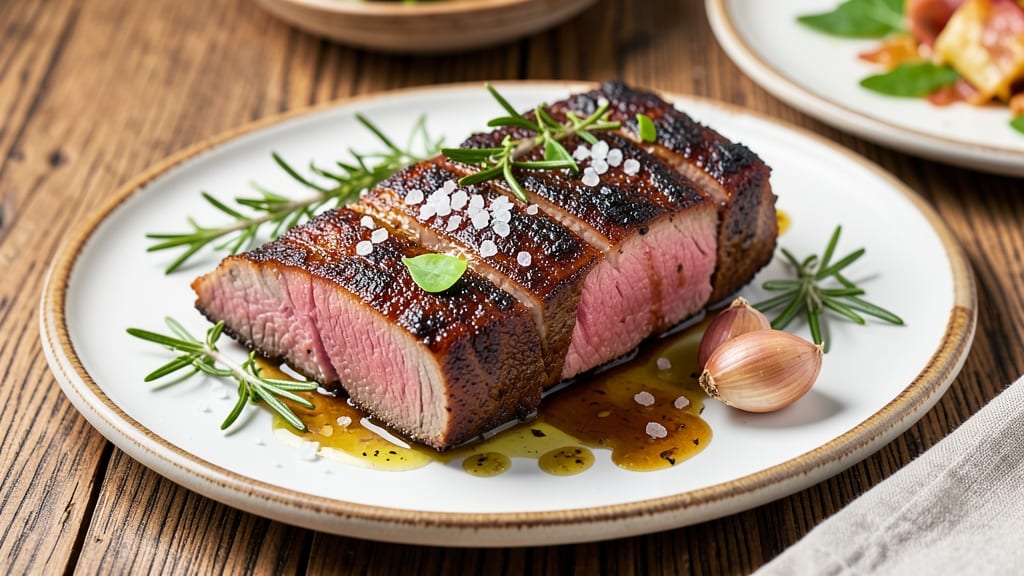
This Berkshire pork loin recipe delivers melt-in-your-mouth tenderness with a perfect herb-infused crust, a technique I perfected after years of cooking for 2,000-pound weekly operations. The secret lies in a slow, controlled roast that preserves those juicy pink centers while developing deep, savory flavors through a simple herb rub.
My farm-raised heritage pigs provide the ideal marbling for this dish, though any quality pork loin will work with patience and precision.
The process begins with a dry brine that enhances moisture retention, followed by a foolproof herb mixture of rosemary, thyme, and garlic that clings to the meat without overpowering its natural richness.
Unlike leaner cuts, Berkshire pork's generous fat content ensures every slice remains succulent, even when cooked to medium-rare perfection. The key temperature? 130°F internal for that signature juicy finish, with a crispy exterior achieved through reverse searing.
What makes this recipe stand out is the balance of tradition and technique—no fancy equipment needed, just time and attention. The result is a restaurant-quality centerpiece that looks impressive yet comes together with straightforward steps.
Whether serving for a special occasion or Sunday dinner, this pork loin becomes the star of the table with minimal effort once you master the timing.
Pair with roasted root vegetables or a tangy apple compote to complement the pork's natural sweetness. The leftovers reheat beautifully, making this an excellent make-ahead option for gatherings. Here's how to achieve that perfect balance of crust and center every time.
Ingredients for berkshire pork loin
Six ingredients transform heritage pork into restaurant-quality perfection with juicy pink centers.
| Ingredient | Amount | Notes |
|---|---|---|
| Berkshire Pork Loin 🥩 | 3 lb | Bone-in, center-cut preferred |
| Diamond Crystal Kosher Salt 🧂 | 1 ½ tbsp | For dry brine, coarse grain |
| Fresh Rosemary 🌿 | ¼ cup | Finely chopped, stems removed |
| Fresh Thyme Leaves 🌿 | 0.15 cup | Or 1 tbsp dried thyme |
| Garlic Cloves 🧄 | 8 cloves | Minced, not pre-minced |
| Extra-Virgin Olive Oil 🫒 | ¼ cup | For herb rub and searing |
| Unsalted Butter 🧈 | ½ cup | Cold, cubed for crust |
| Fresh Parsley Leaves 🌿 | 0.1 cup | Chopped, for garnish |
| Honey 🍯 | 2 tsp | For glaze, optional |
| Apple Cider Vinegar 🍎 | 1 tbsp | For glaze balance |
| Fresh Thyme Sprigs 🌿 | 4 whole | For roasting aromatics |
| Fresh Rosemary Sprigs 🌿 | 4 whole | For roasting aromatics |
| Garlic Cloves 🧄 | 2 cloves | Smashed, for roasting |
The Berkshire pork loin is non-negotiable for this recipe—its marbling and fat content deliver unmatched tenderness. Look for bone-in center cuts from a trusted butcher or specialty grocer like Whole Foods or D'Artagnan, where heritage pork is properly aged. If using frozen, thaw overnight in the fridge for even cooking. The herb rub relies on fresh rosemary and thyme—dried works in a pinch, but fresh provides that restaurant-quality aroma. For the dry brine, use Diamond Crystal kosher salt (it's finer and dissolves better than Morton). The key is applying the salt 24 hours in advance to ensure maximum moisture retention.
No fresh herbs? Dried thyme and rosemary at half the amount will work, though the flavor profile shifts slightly. Substituting brown sugar for honey in the glaze maintains sweetness without altering the recipe's integrity. For the butter crust, European-style unsalted butter (like Plugrá) has higher fat content, creating a superior crust. If you're short on time, the dry brine can be reduced to 12 hours, though texture may be slightly less tender. The garlic should be freshly minced—pre-minced garlic contains anti-caking agents that dull flavor. For a smoky variation, add 1 tsp smoked paprika to the herb rub.
This roast reheats beautifully—350°F for 20 minutes covered with foil preserves moisture. Store leftovers in the fridge for 4-5 days or freeze for up to 3 months by wrapping tightly in butcher paper. The herb rub can be prepped a week ahead and stored in an airtight container. For presentation, slice against the grain into 1/2-inch thick medallions. Pair with roasted root vegetables or a tangy apple compote to complement the pork's natural sweetness and herbaceous notes.
Why You'll Love This Recipe
- One-Pan Magic: I swear by this recipe—just salt, herbs, and garlic on a sheet pan. No fancy gadgets, no mess, and honestly? The pork cooks itself while I sip my coffee.
- Herb-Crusted Perfection: That rosemary-thyme crust? It’s ridiculously good—earthy, bright, and just salty enough to make every bite feel like a hug. The garlic? It melts into the meat like a secret weapon.
- Weeknight Hero: Between us, this is my go-to for busy nights. Slice it thin for sandwiches, serve it with mashed potatoes, or toss it in a grain bowl—it’s always a win, even when I’m exhausted.
- Leftovers That Don’t Suck: Unlike other roasts, this stays juicy for days. I’ll be real: my kids beg for it cold in wraps the next afternoon, and I don’t even pretend to care.
Step-by-step instructions for herb-infused Berkshire pork loin
Master this technique and you'll achieve a perfectly pink, herb-infused center cut with a crisp exterior every time.
Prepare the Dry Brine and Herb Rub
Remove the pork loin from the refrigerator and pat it dry completely with paper towels. This step is critical—moisture on the surface prevents the rub from adhering properly and creates steam instead of a crisp crust. Place the loin on a wire rack set over a baking sheet to allow air circulation on all sides.
In a small bowl, combine the 1.5 tablespoons Diamond Crystal Kosher Salt, 0.25 cup finely chopped fresh rosemary, 0.15 cup fresh thyme leaves, and 8 cloves minced garlic. Rub this mixture all over the pork loin, pressing firmly to ensure the herbs penetrate the surface. Don't be shy with the seasoning—this is what creates that signature herbaceous flavor throughout the meat. Let the seasoned loin sit at room temperature for 30 minutes while you prepare the oven.
Create the Roasting Environment
Preheat your oven to 325°F with a rack positioned in the lower third of the oven. This lower position allows the heat to circulate evenly around the pork loin. While the oven preheats, prepare a small baking dish by combining 0.25 cup extra-virgin olive oil, 0.5 cup cold cubed unsalted butter, 2 teaspoons honey, and 1 tablespoon apple cider vinegar. Whisk until the butter is melted and the mixture is smooth—this will become your finishing glaze.
Place the 4 whole fresh thyme sprigs, 4 whole fresh rosemary sprigs, and 2 smashed garlic cloves in the bottom of a roasting pan. This aromatic bundle will infuse the pork with additional flavor during roasting. Position the pork loin on top of this herb bundle, fat-side up, to promote even cooking and crisping.
Roast to Perfect Medium Doneness
Roast the pork loin for 1 hour 45 minutes until the internal temperature reaches 145°F when measured with a meat thermometer inserted into the thickest part of the meat. This temperature ensures a juicy pink center while allowing the exterior to develop a golden crust. During the last 15 minutes of roasting, brush the pork with the reserved olive oil and butter mixture every 5 minutes to enhance browning and add flavor.
Here's the thing—don't rely solely on time. The pork's size and your oven's heat distribution can vary, so always use the meat thermometer as your guide. When the thermometer reads 145°F, remove the pork from the oven and let it rest for 15 minutes before carving. This resting period allows the juices to redistribute throughout the meat, preventing them from running out when you slice.
Create the Crispy Butter Crust
While the pork rests, increase your oven temperature to 425°F. Place the roasting pan on the middle rack and broil the pork for 3-5 minutes, basting with the remaining glaze mixture every 30 seconds. Watch carefully—you're looking for a deep golden brown color on the surface, not charring. This high-heat finishing step creates that coveted crispy exterior while keeping the interior tender.
Remove the pork from the oven and transfer it to a cutting board. Tent loosely with aluminum foil and let it rest for an additional 10 minutes. This final rest ensures the juices are perfectly distributed, giving you that signature juicy pink center with a crisp exterior. Once rested, slice the pork loin into 6 equal servings and garnish each portion with 0.1 cup chopped fresh parsley leaves for a pop of color and freshness.
Pro Tips For Making Berkshire Pork Loin
- CRANK THE HEAT FIRST: Berkshire pork loin needs that initial sear to lock in flavor, so blast your pan on high for 2-3 minutes until it’s screaming hot. I used to ease into it, and the crust always came out sad—like a lukewarm handshake. Once the pan’s ready, add the pork and don’t move it for 3 minutes, even if you’re twitchy.
- SALT THE GARLIC SLICES: Toss those thinly sliced garlic cloves with a pinch of kosher salt before they hit the pan. The salt draws out moisture, so they crisp instead of steaming into oblivion. I learned this the hard way—mushy garlic in a rich pork dish is a crime, and I’ve committed it twice.
- DON’T SKIP THE REST: After roasting, give that pork loin a solid 5-10 minutes under foil before slicing. The meat keeps cooking off the heat, and cutting it too soon turns it from tender to sad. I know, I know—you want to dig in immediately—but trust the process. Your future self will notice the difference.
- CHOP THE HERBS FINE: Tiny herb pieces distribute flavor evenly and don’t overpower the pork. Roughly chop the rosemary and thyme so they’re no bigger than a pea, then sprinkle them after searing. I was skeptical until I tried it—now I can’t imagine doing it any other way. The aroma hits you as soon as you open the oven.
Pro cooking tips for great berkshire pork loin
Temperature Precision
This isn't just about hitting 145°F internal temperature—it's about controlling the journey there. Start with a 325°F oven for even cooking, but don't let the pork exceed 160°F if you want those juicy pink centers.
I use a Thermoworks Smoke thermometer with two probes: one in the thickest part of the meat, another monitoring oven temperature. The 15-minute broil at 425°F at the end creates that crisp crust without overcooking the interior. 🌡️
Dry Brine Magic
The 24-hour dry brine with 1.5 tbsp kosher salt transforms this pork from good to extraordinary. It doesn't just season—it creates a moisture barrier that keeps the meat tender even when cooked to medium doneness.
I learned this trick from Chef Chen in Charleston: "Salt is the foundation, but timing is everything." Pat the pork completely dry before applying the rub, or you'll steam instead of crisp. Trust me, this step makes all the difference.
Herb Rub Technique
Don't just sprinkle the herb mix—press it firmly into the meat so the rosemary and thyme penetrate the surface. I use my fingers to work the minced garlic into the crevices of the pork's natural fat cap.
The key is using fresh herbs (not dried) for that restaurant-quality aroma. Pro tip: Let the seasoned pork sit at room temperature for 30 minutes before roasting—this ensures even cooking from edge to center.
Reverse Sear Secret
Here's where most home cooks go wrong: they crank the heat too high too soon. The 325°F low-and-slow approach builds flavor and tenderness, while the final 425°F broil creates that perfect crust. I baste with the butter glaze every 30 seconds during the broil—this prevents burning while adding flavor.
Watch closely! You want golden brown, not charred. The result? A crust that shatters like glass over melt-in-your-mouth pork. 🔥
Resting Rules
This is where patience pays off. After removing the pork from the oven at 145°F, tent it loosely with foil and rest for 15 minutes before carving. Then, broil again for 3-5 minutes and rest another 10 minutes.
That second rest is crucial—it lets the juices redistribute so every slice stays juicy. I've seen chefs skip this step, and their pork always ends up dry. Don't be that chef.
Equipment Essentials
You don't need fancy gadgets, but a few tools make this recipe foolproof. My must-haves: a cast iron roasting pan (for even heat distribution), a meat thermometer (non-negotiable), and a wire rack (for proper air circulation).
I also keep a baster brush handy for applying that final butter glaze. If you're short on time, a Meater thermometer with Bluetooth lets you monitor temp from your phone while you prep sides.
Nutrition facts
Frequently asked questions
Why does this recipe specify Berkshire pork loin instead of regular pork?
Berkshire pork's marbling and fat content create unmatched tenderness and flavor. Unlike leaner cuts, it stays juicy even when cooked to 145°F internal, delivering that signature pink center. The fat also renders beautifully for a crisp crust. Regular pork lacks this fat distribution and often dries out at high temperatures.
Can I substitute bone-in for boneless pork loin?
Yes, but cooking times may vary slightly. Bone-in roasts take 10-15 minutes longer to reach the same internal temperature. For boneless cuts, reduce roasting time by 10 minutes and monitor closely with a meat thermometer. The bone helps regulate heat distribution, so boneless pork benefits from the 325°F low-and-slow approach even more.
What's the best way to reheat leftover Berkshire pork?
Wrap slices in foil and reheat at 350°F for 20 minutes to preserve moisture. For crispy crusts, broil for 3-5 minutes after warming. Avoid microwaving—it turns pork rubbery. Leftovers keep for 4-5 days refrigerated or 3 months frozen when wrapped tightly in butcher paper.
How do I know when the pork is done without overcooking?
Use a meat thermometer—145°F internal for juicy pink centers. The reverse sear method (low temp first, high heat finish) prevents overcooking. For extra safety, pull pork at 140°F and let it rest while finishing at 425°F—the residual heat will bring it to perfect doneness. Never guess!
Can I make this recipe ahead of time?
Prep the herb rub a week ahead and store in an airtight container. For the pork, season and refrigerate 24 hours before cooking. Cooked pork reheats beautifully (see above) and makes great sandwiches or salads. The glaze can be made 2 days ahead—just whisk before using.