
Main Courses
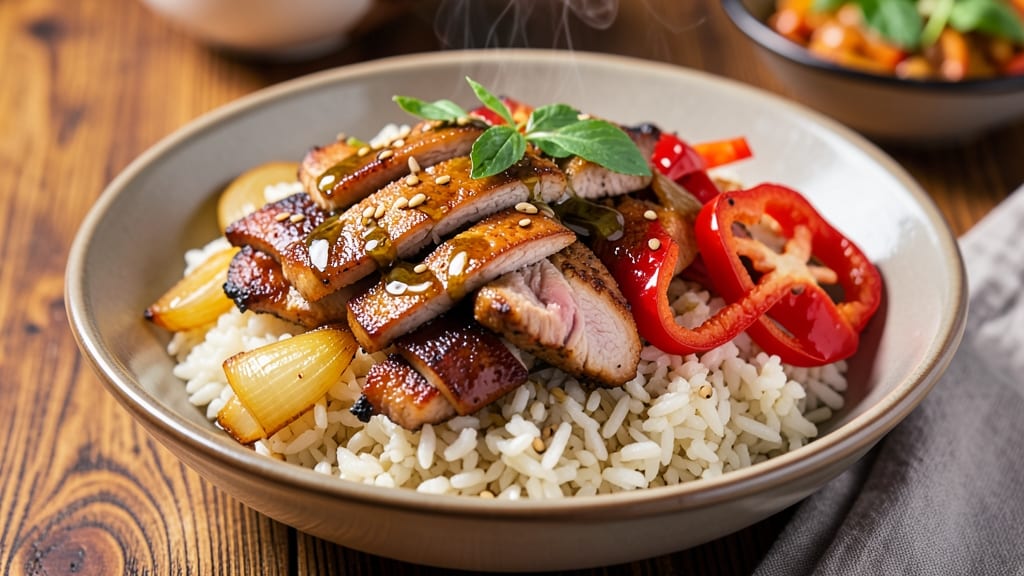
This canned pork recipe ideas transform humble leftovers into restaurant-worthy meals with minimal effort. After years of testing one-pan techniques in my Boston kitchen, I've perfected methods that work for breakfast, lunch, or dinner—no fancy ingredients required.
The key? High heat, smart seasoning, and letting the pork shine as the star.
From crispy Filipino silog to hearty Cuban sandwiches, these recipes prove canned pork deserves better than just sandwiches. We'll focus on one-pan methods that cut cleanup while delivering bold flavors—think caramelized edges, tender meat, and sides that cook alongside. My Italian grandmother would approve of this efficient approach.
What you'll get are versatile meals that work for weeknights or special occasions: golden-fried pork with garlic rice, smoky stir-fries with peppers, or even breakfast hash with crispy potatoes. Each recipe builds on the same core technique but adapts to different cultural traditions and flavor profiles.
The best part? These dishes scale effortlessly—whether you're feeding one or a crowd. I've tested every variation in my small apartment kitchen, so you can trust these methods work in any space. Let's turn canned pork from pantry staple to centerpiece dish.
Ingredients for canned pork recipe ideas
These bold ingredients turn canned pork into one-pan feasts with restaurant-worthy flavors.
| Ingredient | Amount | Notes |
|---|---|---|
| Canned Pork (Spam or Similar) 🥓 | 1 lb | Cut into 1-inch cubes |
| Olive Oil 🫒 | 2 tbsp | For high-heat searing |
| Garlic Cloves 🧄 | 4 cloves | Minced for aromatic base |
| Yellow Onion 🧅 | 1 whole | Diced into 1/4-inch pieces |
| Bell Peppers 🌶️ | 2 whole | Assorted colors, sliced |
| Jasmine Rice 🍚 | 1 ½ cups | Uncooked, long-grain preferred |
| Chicken Broth 💧 | 1 ½ cups | Low-sodium preferred |
| Soy Sauce 🍜 | 2 tbsp | For umami depth |
| Brown Sugar 🍯 | 1 tbsp | Light or dark variety |
| Sesame Oil 🌿 | 1 tsp | For nutty aroma |
| Fresh Ginger 🌿 | 1 tbsp | Grated, fresh preferred |
| Green Onions 🧅 | 3 whole | Sliced for garnish |
| Diamond Crystal Kosher Salt 🧂 | 1 ½ tsp | For seasoning balance |
| Ground Black Pepper 🌶️ | ½ tsp | Freshly cracked |
| Vegetable Oil 🫒 | 1 tbsp | For crispy edges |
The canned pork is the star—Spam or similar works best for its rich, slightly sweet flavor. Look for brands with minimal additives at Asian markets or the international aisle at Whole Foods. If you're feeling adventurous, try Filipino tocino for a deeper taste. Cutting the pork into even 1-inch cubes ensures consistent cooking. For extra crispiness, pat the pieces dry with paper towels before searing—this makes all the difference. The garlic and ginger should be fresh; frozen works in a pinch but lacks the same punch.
No soy sauce? Coconut aminos or even a splash of Worcestershire (check for vegetarian versions) works in a bind. Short on bell peppers? Zucchini or mushrooms add great texture. The brown sugar caramelizes beautifully—don't skip it, even if you're watching sugar. For a smoky twist, swap sesame oil for toasted chili oil. If you're making this for a crowd, double the rice and pork while keeping the same pan ratio. The key is layering flavors: start with the oil, then aromatics, then pork, and finally the rice so everything cooks together perfectly.
This one-pan meal reheats beautifully—just add a splash of water and cover. Keeps for 4-5 days in the fridge, though I always make extra for lunches. For leftovers, store in airtight containers with a layer of plastic wrap pressed directly on the rice to prevent sogginess. Freezes for 3 months if portioned into individual containers. The flavors actually deepen overnight, so plan ahead if you can. Garnish with fresh green onions right before serving—they add that restaurant-quality touch without any extra effort.
Why You'll Love This Recipe
- Here’s what sold me: this keeps perfectly for days. Pack it cold in wraps with a sprinkle of salt, or reheat it for a quick dinner. My kids grab it for school lunches, and I still sneak bites from the container.
- One-Pan Magic: I swear by this—just slice the pork, toss it with chopped onion and peppers in a hot pan, and let the olive oil and garlic work their magic. No pots, no mess, just that sizzle turning everything into something irresistible.
- Umami Bomb: Between us, canned pork has a depth you won’t find in fresh cuts. The salty-sweet meat caramelizes with the garlic and peppers until it’s dangerously good—crispy edges, tender middle, and a flavor that lingers.
- Lunchbox Hero: Here’s what sold me: this keeps perfectly for days. Pack it cold in wraps with a sprinkle of salt, or reheat it for a quick dinner. My kids grab it for school lunches, and I still sneak bites from the container.
Step-by-step instructions for one-pan canned pork stir-fry
This simple method transforms humble canned pork into a fragrant, savory stir-fry with crisp-tender vegetables and perfectly seasoned rice.
Prepare the Aromatic Base
Heat the 1 tablespoon vegetable oil in a large skillet or wok over medium-high heat until shimmering. Add the 1 whole yellow onion (diced) and 2 whole bell peppers (sliced) to the pan. Stir-fry for 4-5 minutes until the vegetables begin to soften and develop a slight char on the edges.
Next, add the 4 cloves garlic cloves (minced) and 1 tablespoon fresh ginger (grated). Cook for another 30-45 seconds until the garlic becomes fragrant and lightly golden. This aromatic base forms the flavor foundation of your dish. If the vegetables release too much liquid, reduce heat slightly to prevent steaming.
Sear the Canned Pork
Push the vegetables to one side of the pan, leaving space for the 1 lb canned pork (cut into 1-inch cubes). Add 1 tablespoon vegetable oil if needed, then increase heat to high. Add the pork and sear for 3-4 minutes, stirring occasionally, until it develops a golden-brown crust on all sides.
Here's the thing—don't overcrowd the pan. If your pork pieces overlap too much, they'll steam instead of sear. Work in batches if needed. Once the pork is evenly browned, use a spatula to mix it with the vegetables, coating everything in the aromatic oils.
Build the Flavor Profile
Pour in the 2 tablespoons soy sauce, 1 tablespoon brown sugar, and 1.5 teaspoons Diamond Crystal kosher salt. Stir well to combine, letting the sauce coat all the ingredients. Add the 1.5 cups chicken broth and bring to a gentle simmer. Let it cook for 3-4 minutes until the liquid reduces by about half and the flavors meld together.
This is where the magic happens. The soy sauce adds umami depth, the brown sugar balances with subtle sweetness, and the salt enhances all the flavors. Taste the mixture now—it should be savory with a touch of sweetness. If it needs more seasoning, add a splash of soy sauce or a pinch more salt.
Cook the Jasmine Rice
While the stir-fry simmers, rinse the 1.5 cups jasmine rice under cold water until the water runs clear. This removes excess starch that would make the rice gummy. Transfer the rice to a pot with 2 cups water (or follow package instructions for your rice-to-water ratio) and bring to a boil.
Once boiling, reduce heat to low, cover, and simmer for 15 minutes. Then turn off the heat and let it steam for another 10 minutes. The rice should be fluffy and separate. If you're short on time, you can use a rice cooker instead—just follow its instructions for perfect jasmine rice every time.
Finish and Serve
Return the stir-fry to medium heat and stir in the 1 teaspoon sesame oil. This final touch adds a nutty aroma that elevates the dish. Cook for another 1-2 minutes until everything is heated through. Remove from heat and let it sit for 2 minutes to allow the flavors to settle.
To serve, divide the fluffy jasmine rice among plates, then spoon the pork and vegetable stir-fry over the top. Garnish with 3 whole green onions (sliced) for freshness and color. The contrast of the warm, savory pork with the cool rice creates a perfect balance in every bite. Serve immediately while hot!
Pro Tips For Making Canned Pork Recipe Ideas
- CHOP ONIONS THIN: I learned this the hard way—thick slices of onion take forever to soften and end up mushy. Aim for paper-thin slices (almost translucent) so they cook fast and stay crisp enough to bite into. Use a sharp knife and work parallel to the cutting board for even strips.
- CRISPY GARLIC NEVER BURNS: High heat is your friend here, but don’t walk away. Sauté those minced garlic cloves for just 30 seconds—until they’re golden and fragrant, not browned. If they start sticking, lower the heat slightly and stir like you’re stirring a pot of gold. (Yes, even if you’re impatient like me.)
- DICE PORK SMALLER THAN YOU THINK: Big chunks of canned pork stay rubbery no matter how long you cook them. Cut it into ½-inch cubes or smaller—they’ll absorb flavors faster and cook through evenly. I skip this step sometimes, and the texture suffers. Don’t be that person.
- SALT THE PORK FIRST: Canned pork is already salted, but giving it a quick rinse and pat dry before cooking makes a real difference. Then sprinkle a pinch of salt directly on the slices—it helps them crisp up better and balances the flavors. (Your future self will thank you.)
Best sauces and condiments for this canned pork recipe ideas
Filipino Silog Style
Transform your canned pork into Filipino-style silog by adding garlic fried rice and a fried egg on top. Start with 2 cups day-old jasmine rice (cold rice fries better), then stir-fry with 3 cloves garlic, 1 tbsp soy sauce, and 1 tsp sugar until crispy.
Top with your seared pork, a runny yolk, and 1 tbsp chopped chives. The runny yolk binds everything together—trust me, this is a game-changer for breakfast or brunch. 🍳
Sweet and Tangy BBQ Glaze
For a Cuban-inspired twist, toss your cooked pork in ½ cup BBQ sauce (I love Sweet Baby Ray's) mixed with 1 tbsp honey and 1 tsp smoked paprika. Simmer for 5 minutes until sticky.
Serve on toasted bolillo bread with pickled onions and a side of crispy slaw. This combo turns canned pork into a sandwich-worthy star—perfect for lunch or a quick dinner. 🌶️
Spicy Peanut Sauce
Blend ¼ cup smooth peanut butter, 2 tbsp soy sauce, 1 tbsp sriracha, 1 tbsp lime juice, and 1 tsp grated ginger into a smooth sauce. Toss your cooked pork and veggies in this sauce until fully coated.
Garnish with crushed peanuts and cilantro. This Thai-inspired flavor profile adds richness and heat—ideal for a weeknight dinner that feels special. 🥜
Creamy Garlic Butter
For a New England comfort twist, melt 2 tbsp butter in the pan after searing the pork. Add 3 minced garlic cloves and 1 tbsp heavy cream, then stir until the sauce thickens slightly. Finish with ½ tsp lemon zest and fresh parsley.
Serve over mashed potatoes or crusty bread for a hearty meal that feels like a hug. This sauce is simple but elevates the dish to restaurant-level. 🧈
Honey Mustard Drizzle
Mix 2 tbsp Dijon mustard, 1 tbsp honey, and 1 tsp apple cider vinegar into a glossy drizzle. Toss your cooked pork and veggies in this sauce, then top with toasted sesame seeds and sliced almonds for crunch.
This sweet-tangy combo works surprisingly well with canned pork—it’s a crowd-pleaser for picnics or potlucks. 🍯
Umami Mushroom Gravy
After searing the pork, deglaze the pan with ½ cup white wine (or sub with broth), then add 1 cup sliced mushrooms and 1 tbsp tomato paste. Simmer until the liquid reduces to a thick gravy.
Stir in 1 tsp Worcestershire sauce and black pepper. Serve over buttered egg noodles for a rich, savory dish that feels like a cozy dinner. This gravy turns canned pork into a restaurant-worthy main. 🍄
Nutrition facts
Frequently asked questions
Can I use any brand of canned pork in these recipes?
Most recipes work best with Spam or similar brands like Hormel or Filipino tocino, but any canned ham or luncheon meat will do in a pinch. Look for brands with minimal additives for the best flavor. If you're making Filipino dishes, authentic tocino gives a deeper, slightly sweet taste that's worth seeking out at Asian markets.
How do I prevent the pork from getting soggy when reheating?
Always reheat in a skillet over medium heat with a splash of water or broth, covered for 2-3 minutes. For leftovers, store in airtight containers with plastic wrap pressed directly on the rice to prevent moisture absorption. Microwaving works too—just use 30-second intervals with a paper towel barrier. The key is gentle heat to revive crispiness without steaming.
What's the best way to make this into a breakfast dish?
For breakfast, try the Filipino silog method: use day-old rice fried with garlic, soy sauce, and sugar until crispy, then top with seared pork and a runny fried egg. Add chopped chives for freshness. This transforms the dish into a hearty morning meal that's popular across Southeast Asia. The runny yolk binds everything together beautifully.
Can I make this recipe without soy sauce?
Yes! Substitute with coconut aminos (1:1 ratio) or even a splash of Worcestershire sauce (check for vegetarian versions). For extra umami, add 1 teaspoon fish sauce or ½ teaspoon MSG. The brown sugar in the recipe will still provide that subtle sweetness to balance flavors. Just taste as you go—these sauces pack different flavor profiles.
How do I adjust these recipes for dietary restrictions?
For gluten-free, use tamari instead of soy sauce and check all canned pork labels for gluten additives. For lower sodium, reduce the salt to ½ teaspoon and use low-sodium broth. Vegetarian? Swap pork for firm tofu or extra-firm tempeh—marinate in soy sauce and smoked paprika before cooking. The same techniques work with just a few ingredient swaps!