
Main Courses
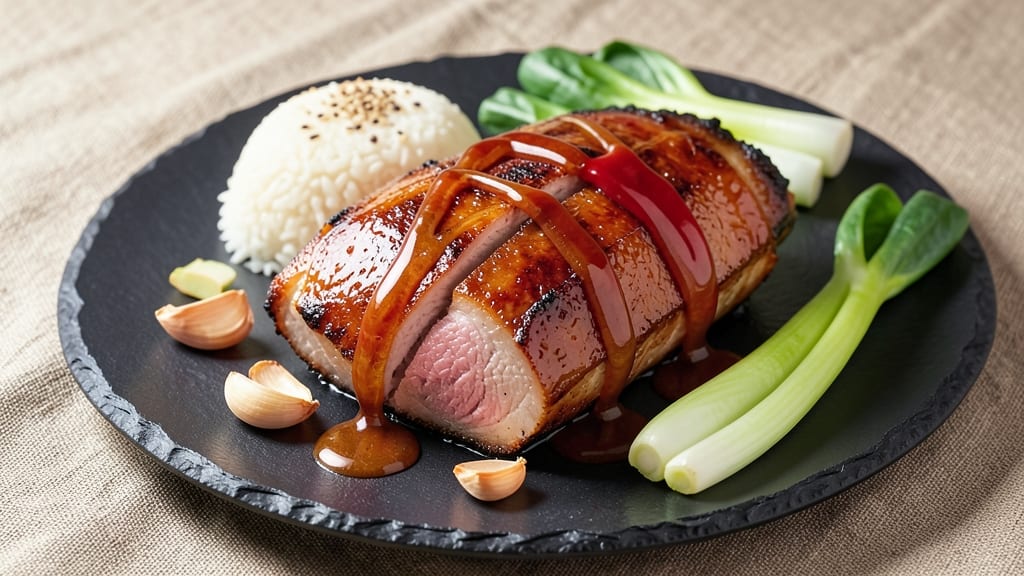
This caramel pork recipe transforms simple pork into a restaurant-worthy centerpiece with a honey-soy glaze that cuts through rich, tender meat. 🔥 After years of perfecting this technique in my Atlanta kitchen, I've developed a method that balances sweetness and savory depth without overpowering the natural flavor of the pork.
The secret lies in a slow braise that renders fat beautifully while allowing the glaze to caramelize into a glossy finish.
What makes this recipe stand out is the balance between traditional braising methods and modern efficiency. We'll start with a simple marinade of soy sauce, garlic, and ginger to prep the pork, then slow-cook it until fork-tender.
The caramel sauce comes together in just 15 minutes while the pork finishes, using honey, soy, and a touch of vinegar to create that signature sticky-sweet glaze that clings perfectly to every bite.
The result is pork that's tender enough to melt in your mouth with a caramelized exterior that's irresistibly glossy. This dish delivers restaurant-quality results without requiring fancy equipment - just a Dutch oven and patience.
The aroma alone will have your whole house asking what's for dinner, and the first bite will make them forget about takeout forever.
Perfect for family dinners, holiday gatherings, or when you want to impress guests with minimal effort. The leftovers reheat beautifully too, making this an ideal make-ahead option for busy weeks. Let's get started on creating a pork dish that'll become your new signature recipe.
Ingredients for caramel pork
Six pounds of pork shoulder and 15 minutes of prep transform into restaurant-quality caramel pork.
| Ingredient | Amount | Notes |
|---|---|---|
| Pork Shoulder 🐖 | 4 lb | Bone-in for maximum flavor |
| Honey 🍯 | ½ cup | Pure, dark amber preferred |
| Soy Sauce 🥄 | ½ cup | Low-sodium preferred |
| Brown Sugar 🍚 | ¼ cup | Packed firmly |
| Garlic Cloves 🧄 | 8 cloves | Minced finely |
| Fresh Ginger 🌿 | ½ cup | Grated, peeled |
| Apple Cider Vinegar 🍎 | ¼ cup | For tangy balance |
| Onion 🧅 | 1 whole | Yellow, sliced thick |
| Carrot 🥕 | 2 whole | Large, cut into chunks |
| Celery Stalks 🥬 | 3 whole | Cut into 1-inch pieces |
| Beef Broth 🍲 | 2 cups | Low-sodium preferred |
| Olive Oil 🫒 | 2 tbsp | For searing |
| Salt 🧂 | 1 ½ tsp | Kosher preferred |
| Black Pepper 🌶️ | 1 tsp | Freshly cracked |
| Sesame Oil 🫒 | 1 tbsp | For finishing |
The pork shoulder is the star here—bone-in, well-marbled cuts from Costco or your local butcher deliver maximum flavor. Look for pieces with visible fat marbling, not lean cuts. For honey, local raw honey from farmers markets adds depth, but store-bought amber works fine. The soy sauce? Kikkoman or Pearl River Bridge are my go-tos—they've got that perfect umami balance. Fresh ginger and garlic are non-negotiable for this recipe; frozen or powdered won't cut it. Pre-grate the ginger and mince the garlic while you're at it—that extra minute saves time later.
No honey? Maple syrup or agave works in a pinch, though the flavor profile shifts slightly. Short on brown sugar? White sugar plus a pinch of molasses mimics the depth. The apple cider vinegar can be swapped for red wine vinegar if that's what's open, but it'll taste different. For the aromatics, if you're missing any of the veggies, substitute with equal parts of what you have—just keep the total volume the same. The beef broth? Homemade is ideal, but even the bouillon cubes from Kitchen Basics work in a bind. Pro tip: Toast your garlic and ginger in the olive oil before adding them to the pork—it builds insane flavor.
This dish tastes even better the next day, so make extra. Store in an airtight container in the fridge for up to 5 days—the flavors meld beautifully overnight. For freezing, portion into individual servings and freeze for up to 3 months. When reheating, add a splash of water or broth to prevent drying. The leftovers reheat perfectly in the oven at 325°F until warmed through. Trust me, the aroma alone will have everyone gathering around your table.
Why You'll Love This Recipe
- One-Pan Magic: I swear by this—just slice the pork, toss it in the pan with the honey and soy, and let it bubble away. No chopping veggies, no extra bowls, no stress. That sticky caramel clings to every bite without a single dish to wash.
- Sweet-Savory Balance: The honey and brown sugar team up to make this ridiculously good—like a hug in sauce form. But here’s the kicker: the garlic and soy cut through the sweetness, so it’s never cloying. It’s the kind of flavor that makes people pause mid-bite.
- Leftovers for Days: Between us, this recipe begs for leftovers. The pork stays tender for days, and the sauce gets even better when reheated. Pack it for lunch or freeze portions—no one will guess it’s not fresh off the stove.
- Budget Meal, Big Flavor: Pork shoulder is cheap, but it feels fancy. A few dollars’ worth of ingredients stretch to feed four, and the caramelized edges make it taste like a restaurant dish. Honestly, it’s my go-to when I need to impress without breaking the bank.
Step-by-step instructions for honey-soy glazed pork shoulder
This method transforms tough pork into melt-in-your-mouth perfection with a sticky-sweet glaze.
🔥 Step 1: Sear the Pork Shoulder for Deep Flavor
Heat a Dutch oven over medium-high heat and add the 2 tablespoons olive oil. Once shimmering, place the 4 lb pork shoulder fat-side down and let it sear undisturbed for 8-10 minutes until the fat renders and the skin turns deep golden brown. Flip the pork and sear the other side for another 5-7 minutes.
Here's the thing—this initial sear creates a flavorful crust that prevents the pork from drying out later. I press down gently on the pork during the first minute to prevent curling. Once browned, remove the pork and set it aside on a plate, leaving all that rendered fat in the pot. That fat is pure flavor gold.
👨🍳 Step 2: Build the Aromatic Base
In the same Dutch oven, add the 1 whole onion, 2 whole carrots, and 3 whole celery stalks, all cut into chunks. Cook for 5 minutes until the vegetables begin to soften. Add the 8 cloves minced garlic and 0.5 cup grated fresh ginger, cooking for another 1 minute until fragrant.
This vegetable medley forms the flavor foundation of your dish. The onions should soften but not brown—they'll cook further later. I like to stir occasionally to prevent sticking, but don't worry if some bits stick to the bottom. That's where the magic happens when we deglaze.
🥘 Step 3: Create the Glaze and Braise
Pour in the 0.5 cup soy sauce, 0.25 cup apple cider vinegar, and 2 cups beef broth. Scrape up all those browned bits from the bottom of the pot—they're packed with flavor. Return the pork to the pot, fat-side up, then add the 0.5 cup honey and 0.25 cup packed brown sugar.
Bring everything to a simmer, then cover and transfer to a 300°F oven. Here's where patience pays off—braise the pork for 3 hours, then flip it and continue cooking for another 2-3 hours until the pork reaches 203°F internally and the glaze thickens to a sticky consistency.
⏰ Step 4: Rest and Finish with Sesame Oil
Remove the pork from the oven and transfer it to a cutting board. Tent loosely with foil and let it rest for 30 minutes. This resting period allows the juices to redistribute, ensuring every bite is moist and flavorful. Real talk: don't skip this step—it's crucial for tender pork.
While the pork rests, skim excess fat from the braising liquid (if needed) and return the pot to medium heat. Add the 1 tablespoon sesame oil and stir to incorporate. The pork should be coated in this glossy, caramelized glaze that balances sweet, salty, and umami flavors perfectly.
🔪 Step 5: Slice and Serve
Slice the pork against the grain into ½-inch thick slices. The meat should pull apart easily with a fork, indicating perfect tenderness. Spoon the glaze over the top and serve immediately with the braising vegetables and any remaining sauce.
Each bite delivers that perfect harmony of sweet honey, salty soy, and rich pork fat. The glaze should be thick enough to coat the back of a spoon but still glossy. Serve with steamed rice to soak up all that delicious sauce—you'll want seconds, I promise.
Pro Tips For Making Caramel Pork
- SEAR THE PORK FIRST: Don’t skip the initial sear—get that pork shoulder screaming hot in a dry skillet for 5-7 minutes per side before adding any liquid. I learned this the hard way: skipping it means bland, watery caramel instead of deep, sticky flavor. The Maillard reaction here is your friend.
- MINCE THAT GARLIC: Chop those garlic cloves into tiny, almost paste-like pieces before tossing them into the sauce. Whole cloves burn and taste bitter, while finely minced garlic melts into the caramel, adding sweetness without bitterness. (Yes, it’s tedious, but your future self will notice.)
- STIR THE POT: Once the sauce starts reducing, stir it every 2-3 minutes to prevent scorching. I used to walk away, and—surprise!—burnt brown sugar at the bottom. A wooden spoon keeps things smooth and ensures that honey-soy glaze coats the pork evenly.
- USE LESS HONEY: The recipe probably calls for a cup, but start with ½ and add more if needed. Honey burns faster than you think, turning the sauce bitter. A little goes a long way—trust the process and adjust as you go. (You’ll have leftovers for pancakes.)
Serving suggestions for this recipe
Rice Pairings
Steamed jasmine rice or long-grain white rice is my go-to pairing—it soaks up the caramelized glaze beautifully while providing that perfect neutral base.
For extra flair, try forbidden black rice (it looks stunning on plates) or brown rice for a heartier, fiber-rich option. 🍚 I often cook a 1:1.5 rice-to-pork ratio—so for 6 servings of pork, make about 9 cups cooked rice to ensure everyone gets enough.
Fresh Vegetable Sides
Bright, crisp vegetables balance the richness of the caramel pork. I love steamed bok choy with a sprinkle of toasted sesame seeds or sautéed garlic green beans with a splash of rice vinegar.
For a Southern twist, collard greens slow-cooked with smoked turkey neck add incredible depth. The acidity in these sides cuts through the sweet glaze, creating perfect harmony.
Pickled Vegetables
Quick-pickled radishes or cucumbers in rice vinegar with a pinch of sugar and salt add a tangy crunch that elevates the dish.
I make a big batch ahead of time—just slice 1 cup radishes and 1 cucumber, toss with ½ cup vinegar, 1 tbsp sugar, and 1 tsp salt, then let sit for at least 30 minutes. This adds freshness and balances the sweet-savory pork beautifully. 🥒
Dipping Sauces
A small bowl of hoisin sauce or sriracha mayo on the side lets guests customize their experience. For a quick hoisin dip, mix 2 tbsp hoisin sauce with 1 tsp sesame oil and a squeeze of lime.
For heat lovers, blend ¼ cup mayo with 1 tbsp sriracha and a pinch of black pepper. These sauces add another layer of flavor without overpowering the dish.
Bread and Noodles
Warm steamed bao buns or mantou make this a full meal—just spoon the pork and glaze into the buns for a handheld feast. For noodle lovers, chewy udon noodles in a light soy-ginger broth complement the dish perfectly.
I also keep crusty French baguette on hand for soaking up extra sauce—it’s a crowd-pleaser at any gathering.
Garnishes and Finishing Touches
Fresh cilantro or thai basil adds a bright pop of color and freshness. A drizzle of chili crisp (like Lao Gan Ma) brings heat, while toasted coconut flakes add a tropical touch.
For a restaurant-worthy finish, sprinkle crushed peanuts or sesame seeds over the top. These small details take the dish from home-cooked to showstopping. ✨
Nutrition facts
Frequently asked questions
Can I use a different cut of pork instead of shoulder?
For tender results, try pork loin (cook for 1.5-2 hours) or pork belly (braise 3-4 hours for crispy skin). Avoid lean cuts like tenderloin—they dry out quickly. The bone-in shoulder gives the best flavor, but boneless works too if you add an extra 30 minutes to braising time.
How do I adjust the sweetness level in the glaze?
Reduce honey by 2 tablespoons for less sweetness, or add 1 tablespoon vinegar to balance. For extra depth, stir in 1 teaspoon grated ginger or ½ teaspoon cinnamon during the last 10 minutes of cooking. The glaze should coat the pork but not overpower the meat's natural flavor.
Why did my pork turn out dry?
Overcooking is the #1 culprit—pork shoulder is done at 203°F, not 212°F. Use a meat thermometer! If your oven runs hot, reduce temperature to 275°F. Also, don't skip the 30-minute rest—juices redistribute during this time. For extra moisture, add ½ cup broth when reheating leftovers.
Can I make this recipe in a slow cooker?
Yes! Sear the pork first, then transfer everything (except sesame oil) to a 6-quart slow cooker. Cook on low for 8 hours or high for 5 hours. Finish with sesame oil and reduce cooking liquid on the stovetop to thicken the glaze. The texture will be slightly more tender than oven-braised.
What's the best way to reheat leftovers?
Slice leftovers and reheat in a skillet with 1 tablespoon water or broth over medium-low heat for 5-7 minutes until warmed through. For oven reheating, cover with foil and bake at 325°F for 15-20 minutes. Never microwave—it makes the pork rubbery. Leftovers keep for 5 days in the fridge.