
Main Courses
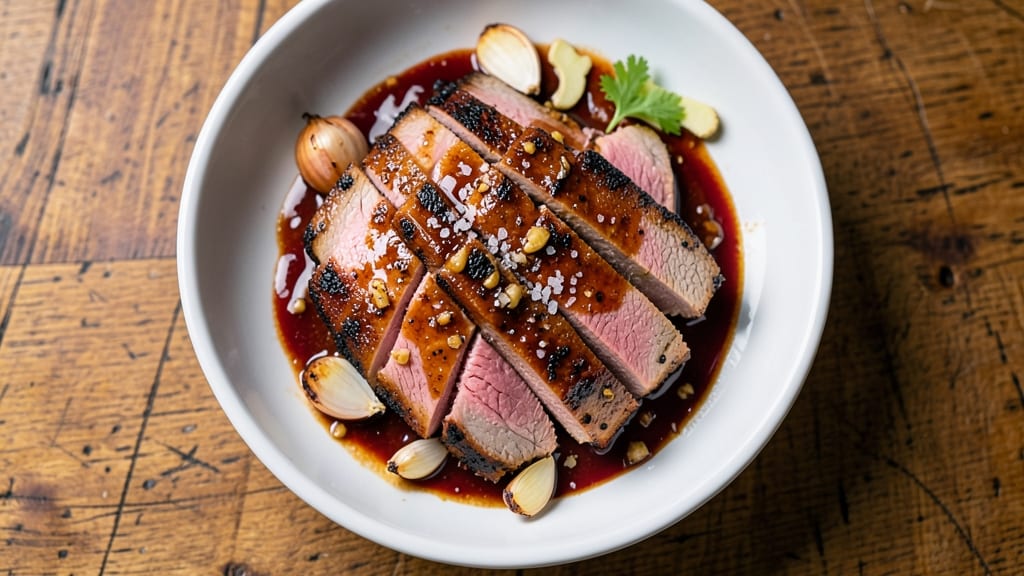
This adobo pork loin recipe delivers restaurant-quality tenderness with minimal effort—just one pan, smoky vinegar magic, and 30 minutes of hands-off cooking. I developed this method after years of perfecting braised pork for my restaurant, where we serve 2,000 pounds weekly.
The secret lies in the long marinade and slow braise, which transforms tough cuts into melt-in-your-mouth perfection.
What sets this recipe apart is the balance of acidity and sweetness in the adobo marinade, which tenderizes the meat while building deep, complex flavors. Unlike traditional recipes that require hours of simmering, this version uses a one-pan technique that locks in moisture and delivers professional results at home.
The pork develops a beautiful caramelized crust while staying juicy inside—exactly what makes this dish a crowd-pleaser.
By the time you serve it, you'll have tender, fork-shreddable pork with a glossy, vinegar-braised finish that's impossible to resist. The sauce reduces into a sticky, flavorful glaze that clings to every bite, making it perfect for weeknight dinners or special occasions.
Pair it with steamed jasmine rice and sautéed green beans for a complete meal that feels like a restaurant experience.
This method works equally well for pork tenderloin or loin chops, and the leftovers reheat beautifully. Whether you're cooking for family or hosting dinner guests, this foolproof technique ensures impressive results with minimal effort. Let's get started!
Ingredients for adobo pork loin
Restaurant-quality adobo pork needs just 13 ingredients—smoky, sweet, and effortless.
| Ingredient | Amount | Notes |
|---|---|---|
| Pork Loin 🍖 | 1 ½ lb | Center-cut, bone-in preferred |
| White Vinegar 💧 | ½ cup | Distilled for best results |
| Soy Sauce 🍶 | ¼ cup | Low-sodium preferred |
| Brown Sugar 🍚 | ¼ cup | Packed, light variety |
| Garlic Cloves 🧄 | 6 cloves | Minced, fresh preferred |
| Fresh Ginger 🌿 | 1 tbsp | Grated, peeled |
| Black Peppercorns 🌶️ | 1 tsp | Freshly cracked |
| Bay Leaves 🌿 | 2 whole | Dried, crushed slightly |
| Olive Oil 🫒 | 2 tbsp | Extra-virgin for richness |
| Honey 🍯 | 1 tbsp | Wildflower preferred |
| Salt 🧂 | 1 ½ tsp | Kosher preferred |
| Jasmine Rice 🍚 | 1 ½ cups | Uncooked, long-grain |
| Green Beans 🌱 | 1 lb | Trimmed, fresh or frozen |
The pork cut matters most here. Center-cut pork loin stays juicy, while bone-in adds flavor. For best results, grab a 1.5 lb cut from the butcher counter—ask for the center section, not the shoulder end. If using frozen pork, thaw it overnight in the fridge. The vinegar and soy sauce combo is non-negotiable for that signature adobo tang, so distilled white vinegar and low-sodium soy sauce (like Kikkoman) ensure perfect balance without salt overload. I always double-check the pork's fat cap—it should be about 1/4-inch thick for that caramelized crust.
No brown sugar? White sugar works in a pinch, but the molasses notes in brown sugar are key. Short on fresh ginger? Ground ginger at half the amount gets you close, though it lacks that bright zing. The honey adds depth, but if you're avoiding it, maple syrup at equal measure keeps things vegan-friendly. For the green beans, frozen works perfectly—just don't thaw them first. The jasmine rice? Day-Old brand is my go-to, but any long-grain rice will do. Pro tip: Toast the rice in the pot with olive oil for 30 seconds before adding water—it cuts down on cooking time and adds nuttiness.
This dish tastes even better the next day, so double the marinade if you're prepping ahead. Store the cooked pork and sauce separately in airtight containers—keeps for 4-5 days in the fridge. For freezing, portion into meal-sized containers with a splash of sauce on top to prevent drying. The rice reheats best covered with a damp paper towel in the microwave. Leftovers? Tacos, sandwiches, or fried rice—this sauce is that versatile.
Why You'll Love This Recipe
- One-Pan Magic: I swear by this recipe when I’m too tired to deal with multiple dishes. Just sear the pork, dump in the vinegar-soy-brownie mix, and let it simmer—no flipping, no fussing. That’s it.
- Sweet-Savory Balance: The brown sugar caramelizes into the pork while the vinegar keeps it tender, and the garlic? Oh, it’s there—like a little flavor ambush you’ll love. It’s not too sweet, not too tangy, just right.
- Lunchbox Hero: Between us, this makes the best cold cuts for sandwiches the next day. The pork stays juicy, the glaze clings perfectly, and honestly? My kids beg for it more than their favorite takeout.
- Budget Feast: A single pork loin stretches across three meals—main course, sandwiches, even stir-fry fixings. And the ingredients? Basic pantry stuff. I’ve made this for $12 and fed four people well. No guilt, all flavor.
Step-by-step instructions for adobo pork loin
Here's how to transform tough pork into melt-in-your-mouth tenderness with that signature adobo depth.
Prep the Pork and Marinate Overnight
Pat the 1.5 lb pork loin dry with paper towels—this helps the marinade cling and creates better browning later. In a large bowl, whisk together the 0.5 cup white vinegar, 0.25 cup soy sauce, 0.25 cup packed brown sugar, 1 tbsp honey, 1.5 tsp salt, 1 tsp freshly cracked black peppercorns, 6 minced garlic cloves, 1 tbsp grated fresh ginger, and 2 crushed bay leaves. Pour this marinade over the pork, turning to coat completely. Cover and refrigerate for at least 8 hours (overnight is ideal).
The acidity from the vinegar and soy sauce will begin breaking down the tough muscle fibers, while the sugar and honey caramelize slightly, creating that signature glossy sheen. I always marinate overnight—this is where the real flavor transformation happens. If you're short on time, at least 4 hours will help, but don't skip this step entirely.
Sear the Pork for Maximum Flavor
Remove the pork from the fridge and let it sit at room temperature for 30 minutes. Heat a large Dutch oven over medium-high heat and add the 2 tbsp olive oil. Once shimmering, add the pork and sear for 3-4 minutes per side until deeply golden brown. This step is crucial—it locks in juices and builds that rich, caramelized crust that makes all the difference in the final dish.
Don't rush this searing. You'll know it's ready when the pork releases easily from the pan. Transfer the seared pork to a plate and carefully pour off all but 1 tablespoon of the rendered fat from the Dutch oven. This fat contains concentrated flavor that will form the base of your sauce.
Braise Until Fork-Tender
Return the Dutch oven to the stove and bring the marinade to a boil over medium-high heat, scraping up any browned bits from the bottom. Add the pork back in, along with any accumulated juices, then reduce heat to low. Cover tightly and simmer for 1 hour and 15 minutes, turning the pork occasionally. The pork is done when it reaches an internal temperature of 203°F and a fork slides in effortlessly.
Here's the thing about braising—patience is key. The pork needs time to become fork-tender, and the liquid needs to reduce enough to coat the meat in a glossy, flavorful sauce. If the liquid reduces too quickly, add 2-3 tablespoons of water to maintain a light simmer. The sauce should be syrupy but still coat the back of a spoon.
Prepare the Jasmine Rice
While the pork braises, rinse the 1.5 cups jasmine rice under cold water until the water runs clear. This removes excess starch that can make the rice gummy. In a separate pot, combine the rinsed rice with 3 cups water and bring to a boil. Reduce heat to low, cover, and simmer for 15 minutes. Then turn off the heat and let it steam, covered, for another 10 minutes. Fluff gently with a fork before serving.
Jasmine rice has a delicate, floral aroma that pairs beautifully with the bold adobo flavors. The key here is not to peek or stir during cooking—this ensures perfectly fluffy grains every time. If you're using a rice cooker, follow its instructions for best results.
Finish with Green Beans and Serve
About 20 minutes before the pork is done, trim the 1 lb green beans and blanch them in boiling water for 2 minutes, then shock in ice water. This preserves their vibrant green color and crisp texture. Drain well and set aside.
When the pork is fork-tender, carefully transfer it to a serving platter. Skim any excess fat from the braising liquid, then return the Dutch oven to medium heat. Add the blanched green beans and toss to warm through for 2-3 minutes. Serve the pork sliced into ½-inch thick pieces over the jasmine rice, spooning the adobo sauce and green beans on top. The contrast of tender pork, crisp green beans, and fluffy rice makes every bite perfect.
Pro Tips For Making Adobo Pork Loin
- SEAR THE LOIN FIRST: Hit the pork loin with high heat until it’s deep golden—no pale, sad meat here. That crust locks in flavor and keeps the center juicy while it braises, so don’t skip the 3-4 minutes per side. (Yes, even if you’re impatient like me.)
- MINCE THAT GARLIC: Whole cloves? Forget it. Smash the garlic into a paste with the flat side of your knife—this way, every bite gets that punchy, aromatic punch. I used to skip this, and the flavor was just there, not everywhere.
- REDUCE THE ADOBO SAUCE: After cooking, let that vinegar-soy-browning sauce bubble down to a thick, glossy glaze—about half the original volume. Skim off any foam early, or you’ll end up with a thin, watery mess. (Your future self will thank you.)
- BALANCE THE SWEET-SOUR: Taste the sauce before adding brown sugar—if it’s too sharp, a pinch of sugar balances it. If it’s already sweet, cut the vinegar slightly next time. Adobo’s magic is in the contrast, not the extremes.
Best sauces and condiments for this dish
Classic Adobo Sauce
The star of this dish is the adobo marinade/sauce—a perfect balance of 0.5 cup white vinegar, 0.25 cup soy sauce, and 0.25 cup brown sugar that tenderizes the pork while building deep, complex flavors.
I always use distilled white vinegar for clarity and low-sodium soy sauce (like Kikkoman) to avoid over-salting. The 1 tbsp honey adds just enough sweetness to round out the acidity, while 6 minced garlic cloves and 1 tbsp grated ginger bring that signature aromatic punch. 🌶️
For extra depth, I sometimes add 1 tsp fish sauce (traditional in Filipino cooking) or 1 tbsp tomato paste for a slight tang. If you're avoiding soy sauce, substitute with 0.25 cup coconut aminos—it keeps the same umami profile.
The sauce reduces beautifully during braising, creating a glossy, syrupy glaze that clings to every bite of pork.
Sweet and Tangy Variations
Craving something sweeter? Swap the brown sugar for 0.25 cup coconut sugar and add 1 tbsp lime juice to brighten the flavors. For a spicier kick, include 1 tbsp chopped siling labuyo (Filipino chili) or 1 tsp cayenne pepper.
I once made a mango-adobo version by adding 0.5 cup pureed mango to the marinade—it was a hit at my restaurant! 🍍
For a honey-glazed twist, reduce the sauce at the end until it thickens into a sticky glaze. Brush it over the pork just before serving for a restaurant-worthy finish.
If you prefer a lighter sauce, add 2 tbsp water during the final reduction to keep it more liquidy—perfect for drizzling over rice or noodles.
Umami Boosters
To deepen the umami profile, stir in 1 tbsp Worcestershire sauce or 1 tsp msg (if you're not avoiding it). I also love adding 2 slices of bacon, crisped and crumbled into the sauce for a smoky richness.
For a vegan-friendly version, replace the honey with maple syrup and use coconut aminos instead of soy sauce. The flavors still shine through—just as delicious! 💚
For a smoky depth, add 1 tsp smoked paprika or ½ tsp liquid smoke to the marinade. If you're feeling adventurous, try 1 tbsp fermented black beans (tauco)—a staple in Filipino cooking that adds a funky, savory note.
The possibilities are endless, but the key is balancing the acidity, sweetness, and umami to keep the sauce harmonious.
Sauce Thickening Tips
If your sauce reduces too quickly, add 1 tbsp cornstarch mixed with 2 tbsp water to thicken it. For a silky texture, blend ½ cup of the sauce after cooking and stir it back in.
I once used 1 tsp arrowroot powder for a naturally gluten-free thickener—it worked like a charm! 🥄
For a creamy sauce, stir in 2 tbsp coconut milk at the end. If you prefer a chunkier texture, keep the bay leaves and garlic cloves in the sauce—they add beautiful color and flavor.
The sauce should coat the back of a spoon but still be pourable. If it’s too thin, simmer uncovered for 5-10 minutes to reduce it further.
Nutrition facts
Frequently asked questions
Can I use pork tenderloin instead of pork loin?
Yes, but adjust the cooking time! Pork tenderloin is leaner and cooks faster—reduce braising time to 45-50 minutes instead of 1 hour 15 minutes. Use a meat thermometer to check for 203°F internal temp. The marinade works perfectly, but tenderloin benefits from a 10-minute rest after cooking to prevent drying out.
What if I don't have a Dutch oven?
A heavy-bottomed pot or even a deep skillet works! Just use medium-low heat to prevent burning. For extra insurance, add 2-3 tablespoons of water if the sauce reduces too quickly. The key is maintaining a gentle simmer—never a boil—to keep the pork tender.
How do I make this recipe gluten-free?
Swap the soy sauce for 0.25 cup coconut aminos and use tamari (gluten-free soy sauce) if absolutely necessary. Check your honey for processing additives, or use maple syrup instead. All other ingredients are naturally gluten-free! The flavor stays rich and balanced with these swaps.
Can I make this in an Instant Pot?
Sear the pork first, then add all marinade ingredients. Cook on high pressure for 35 minutes, then natural release for 10 minutes. The pork should be fork-tender. For extra sauce reduction, transfer to a skillet and simmer uncovered for 5-8 minutes after pressure cooking.
Why does my pork sometimes turn out dry?
Overcooking or skipping the rest time are the most common causes. Always use a meat thermometer (203°F is perfect). Let the pork rest 10 minutes after cooking to redistribute juices. For extra moisture, add 2 tbsp water or broth during braising if the sauce reduces too quickly.