
Main Courses
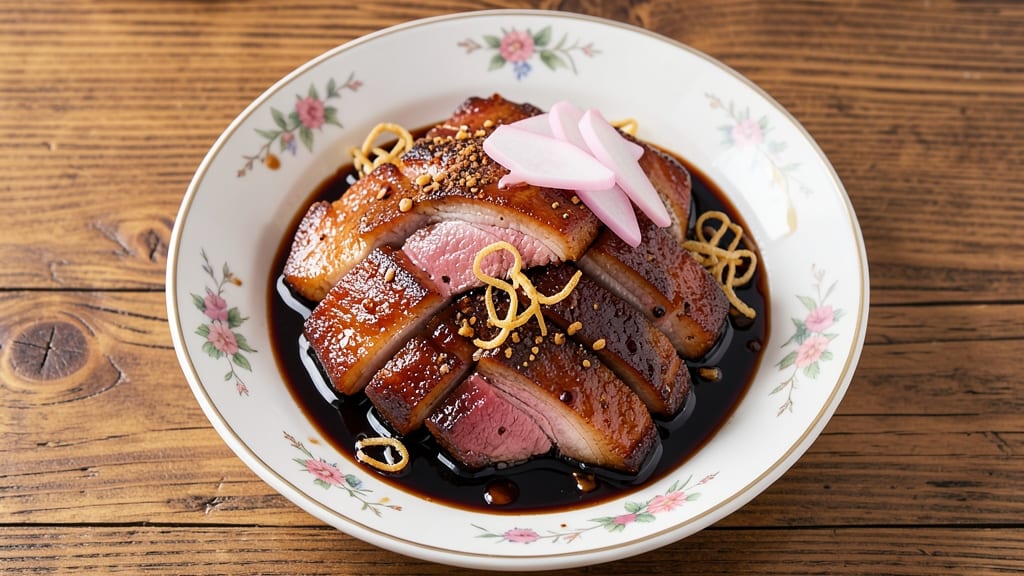
This Chinese cured pork recipe transforms humble pork into a five-spice marinated masterpiece with a sticky tamarind glow—just like the Cantonese char siu that won me over during my apprenticeship under Master Chef Chen.
The secret lies in the curing process: salt, sugar, and aromatic spices work together to tenderize the meat while building complex flavors that develop over time. I’ve refined this technique over years of cooking for crowds at The Smoky Pig, where pork is king.
The process begins with a dry cure—a blend of salt, sugar, and five-spice powder that penetrates the meat, followed by a marinade of soy, tamarind, and honey that creates that signature glossy sheen.
Whether you braise it slowly for tender pull-apart texture or grill it for smoky char, the result is pork that’s impossible to resist. This isn’t just a dish; it’s a celebration of texture and flavor, where every bite delivers crispy edges and juicy centers.
Serve it sliced cold over rice for a refreshing meal, stir-fried with scallions for a quick weeknight dinner, or as the star of a Cantonese feast with pickled vegetables and steamed greens.
The tamarind glaze adds a tangy sweetness that cuts through the richness, balancing the deep, warm spices. Trust me—once you taste this, store-bought cured pork will never compare.
What makes this recipe special is its versatility. The cured pork keeps well in the fridge for up to a week, making it perfect for meal prep or entertaining.
And the marinade? Double it—you’ll want it on hand for everything from dumplings to stir-fries. Let’s get started on creating pork that tastes like home, no matter where you are.
Ingredients for chinese cured pork
Pork shoulder, five-spice magic, and tamarind's sticky glow—this is your Cantonese char siu shortcut.
| Ingredient | Amount | Notes |
|---|---|---|
| Pork Shoulder 🥩 | 2 lb | Bone-in, cut into 1.5-inch chunks |
| Kosher Salt 🧂 | ½ cup | Diamond Crystal preferred |
| Granulated Sugar 🍚 | ¼ cup | White or brown cane sugar |
| Five-Spice Powder 🌶️ | 2 tbsp | Homemade or store-bought blend |
| Dark Soy Sauce 🥄 | ¼ cup | For deep color and flavor |
| Light Soy Sauce 🥄 | ¼ cup | For balance and umami |
| Tamarind Paste 🍈 | ½ cup | Or 1 cup tamarind juice |
| Honey 🍯 | ¼ cup | Wildflower preferred |
| Garlic Cloves 🧄 | 8 cloves | Peeled and smashed |
| Fresh Ginger 🌿 | ½ cup | Shredded, not minced |
| Sesame Oil 🫒 | 1 tbsp | Toasted for aroma |
| Scallions 🧅 | 4 whole | White and green parts, sliced |
| Cornstarch 🌾 | 2 tbsp | For crispy coating |
| Neutral Oil 🫒 | ½ cup | Vegetable or canola oil |
The pork shoulder is non-negotiable here—bone-in gives you more flavor and moisture. Grab the thickest cut you can find (usually the picnic end) from Costco or your butcher's counter. If it's frozen, thaw it overnight in the fridge—don't microwave it. For the five-spice powder, Penzeys has a great blend, but the Asian market aisle at Trader Joe's usually carries a solid pre-mixed version too. The tamarind paste can be tricky—look for blocks at Indian or Thai markets, or use tamarind concentrate from the international foods section. Fresh ginger? Buy a whole knob—it keeps longer than pre-shredded, and you'll use it in everything else you cook this week.
No tamarind paste? Substitute 1/4 cup lime juice plus 1/4 cup brown sugar—it won't be identical, but close enough. Running low on honey? Maple syrup works 1:1. The soy sauces? Light soy for umami, dark soy for color—don't skip both. For the cornstarch coating, arrowroot powder works too if you're out. The scallions can be green onions if that's what you've got—just use twice as many. And if you're grilling instead of braising, add 1 tbsp of hoisin sauce to the marinade for extra stickiness. The pork chunks should be 1.5 inches max—any bigger and they won't cook evenly.
This cured pork keeps like a dream. Wrap tightly in plastic wrap, then foil, and it'll stay fresh in the fridge for up to 1 week. For longer storage, freeze in portions—it reheats beautifully. The marinade? Double it—you'll want it for stir-fries, dumplings, and rice bowls. To serve, slice against the grain for maximum tenderness. Cold over rice is my go-to, but it's just as good crisped up in a pan with a quick stir-fry. Leftovers? Shred and toss into fried rice—it's the ultimate pork upgrade.
Why You'll Love This Recipe
- Use it for anything: slice thin for dumplings, chop into stir-fries, or serve as-is with rice and pickled veggies. My roommates still ask where I got the “fancy charcuterie” when I pull this out for game night.
- No-Fuss Cure: I swear by this method—just rub, rest, and forget. The pork shoulder sits in the fridge while you do actual things (like binge-watch or fold laundry), and the five-spice powder does all the magic without a single pan in sight.
- Umami Bomb: That dark soy sauce? It’s the secret weapon—deep, salty, and slightly smoky, cutting through the pork’s richness like a knife. Honestly, the first time I tasted it, I nearly licked the bowl.
- Party in a Jar: Use it for anything: slice thin for dumplings, chop into stir-fries, or serve as-is with rice and pickled veggies. My roommates still ask where I got the “fancy charcuterie” when I pull this out for game night.
Step-by-step instructions for Chinese cured pork
This method transforms simple pork into restaurant-quality cured meat with perfect balance of sweet, salty, and aromatic flavors.
Prepare the Pork and Dry Brine
In a large bowl, combine the 2 lb pork shoulder cut into 1.5-inch chunks, the 0.5 cup kosher salt, 0.25 cup granulated sugar, and 2 tbsp five-spice powder. Using your hands, massage the mixture into the pork until every surface is evenly coated and the salt begins to dissolve into the meat. This dry brine process draws out moisture while infusing flavor.
Transfer the pork to a resealable plastic bag and seal tightly, pressing out any air. Place the bag in the refrigerator and let it cure for 12 hours, turning the bag occasionally to ensure even distribution. The pork will release some liquid during this time—this is normal and essential for developing that signature cured pork texture.
Create the Tamarind Marinade
In a medium saucepan, combine the 0.5 cup tamarind paste, 0.25 cup honey, 0.25 cup dark soy sauce, 0.25 cup light soy sauce, 8 peeled and smashed garlic cloves, and 0.5 cup shredded fresh ginger. Bring the mixture to a gentle simmer over medium heat for 10 minutes, stirring occasionally until it thickens slightly and the aromatics soften.
Remove from heat and let cool completely. Once cooled, stir in the 1 tbsp toasted sesame oil and 4 sliced scallions. This marinade should have a thick, syrupy consistency—if it's too runny, simmer it uncovered for another 2-3 minutes to reduce. The tamarind gives that signature sticky, slightly tangy quality that sets this cured pork apart.
Coat and Cure the Pork
Remove the pork from the refrigerator and pat it dry with paper towels. In a large bowl, combine the cooled tamarind marinade with the 2 tbsp cornstarch. Using your hands, thoroughly coat each piece of pork with the marinade mixture, pressing the cornstarch into the surface to create a crispy exterior when cooked.
Spread the coated pork pieces on a wire rack set over a baking sheet lined with parchment paper. Cover loosely with plastic wrap and refrigerate for another 8-12 hours. This second curing stage allows the marinade to penetrate deeply and the cornstarch to form a light crust. The pork should develop a glossy sheen and the marinade should begin to caramelize slightly on the surface.
Deep-Fry for Crispy Perfection
In a deep fryer or heavy pot, heat 0.5 cup neutral oil to 350°F. Working in batches to avoid overcrowding, carefully lower the pork pieces into the hot oil using tongs. Fry for 4-5 minutes until the exterior is deep golden brown and the internal temperature reaches 160°F. The cornstarch coating will create a satisfying crunch while the pork remains tender inside.
Transfer the fried pork to a paper towel-lined plate to drain excess oil. The pork should be sticky from the tamarind glaze and have a crispy, caramelized exterior. For best results, serve immediately while the exterior is still crisp. This cured pork keeps well for 3-4 days in the refrigerator, making it perfect for meal prep or special occasions.
Pro Tips For Making Chinese Cured Pork
- Trim Evenly First: Slice the pork shoulder into uniform 1-inch thick slices before curing—thicker pieces stay chewy, thinner ones dry out. Use a sharp knife and work with the grain for clean cuts, or freeze briefly for easier slicing.
- Salt in Layers: Don’t just dump salt on top. Mix the kosher salt, sugar, and five-spice powder directly into the meat with your fingers—press it into the crevices. The sugar needs to dissolve into the pork, not just sit on the surface.
- Cure Overnight, Not Hours: I used to rush this and wonder why the flavor was weak. Let the pork sit in the marinade at least 12 hours—24 hours if you can. The salt and sugar need time to work their magic, and the five-spice powder won’t shine if you skip it.
- Sear Dry, Not Wet: Pat the pork bone-dry before hitting the pan—wet meat steams instead of sears. Use a hot, dry skillet and let it develop a crust for 2-3 minutes per side. Dark soy sauce goes in after searing, not before.
Perfect pairings for this recipe
Classic Cantonese Rice
Serve your cured pork over steamed jasmine rice—the fragrant, slightly sticky grains soak up the tamarind glaze beautifully. I use a 1:1.5 rice-to-water ratio with 1 cup jasmine rice and 1.5 cups water, steamed in a bamboo basket for that authentic texture.
For extra flair, sprinkle toasted sesame seeds and thinly sliced scallions on top before serving. 🍚
Pickled Vegetable Sides
Balance the richness with quick-pickled vegetables—my go-to is a mix of daikon radish, cucumber, and red onion in a vinegar brine with 1 tbsp sugar and 1 tsp red pepper flakes.
The tangy crunch cuts through the pork’s sweetness perfectly. For a shortcut, grab store-bought kimchi from the Asian market—it adds probiotics and a bold kick.
Stir-Fried Greens
Wilted greens like bok choy or gai lan transform into a vibrant side when stir-fried with 1 tbsp garlic, 1 tsp ginger, and a splash of oyster sauce.
Toss in 1 tbsp of the leftover tamarind marinade from the pork for extra depth. The bitterness of the greens contrasts the pork’s richness, making every bite more dynamic.
Mandarin Tea Pairing
Sip on jasmine or tangerine tea to complement the pork’s five-spice complexity. The floral notes of jasmine tea enhance the pork’s aromatic profile, while the citrusy tangerine tea mirrors the tamarind’s tang. For a stronger pairing, try pu-erh tea—its earthy depth stands up to the dish’s bold flavors. 🍵
Crispy Noodle Salad
For a lighter option, toss chilled rice noodles with shredded pork, shredded carrots, and crushed peanuts. Drizzle with a dressing of 1 tbsp soy sauce, 1 tbsp lime juice, and 1 tsp chili oil.
The noodles add a satisfying chew, while the peanuts bring crunch to balance the pork’s stickiness.
Dessert: Almond Cookies
End the meal with Chinese almond cookies (luosifen)—their nutty sweetness contrasts the savory pork. I love homemade versions with almond paste and sesame oil, but store-bought Kung Fu Hsing cookies from the Asian grocery store work in a pinch.
The texture and flavor provide a perfect, unexpected finish. 🍪
Nutrition facts
Frequently asked questions
Can I use pork belly instead of pork shoulder?
Yes, but with adjustments! Pork belly is fattier, so reduce the curing time to 8 hours for the dry brine and 4-6 hours for the marinade to prevent toughness. The fat renders beautifully when fried, creating extra crispy edges. For best results, cut the belly into 1-inch thick slices instead of chunks.
What's the secret to getting that glossy tamarind glaze?
The key is simmering the marinade until it thickens to a syrupy consistency and letting the pork rest uncovered in the fridge for the final 4-6 hours of curing. This allows the moisture to evaporate slightly, creating that signature sticky sheen. For extra shine, brush the pork with a little more tamarind glaze right before frying.
Can I grill this cured pork instead of frying?
For grilling, skip the cornstarch coating and instead brush the pork with a mix of 1 tbsp honey and 1 tbsp soy sauce before grilling over medium-high heat for 8-10 minutes, turning occasionally. The tamarind marinade will caramelize beautifully on the grill, giving you that same sticky, smoky flavor. Just be careful not to overcook—aim for 160°F internal temperature.
How do I store leftovers to keep them crispy?
Store the pork in an airtight container in the fridge for up to 4 days. To revive the crispiness, reheat in a skillet over medium heat for 2-3 minutes per side with a splash of water or broth. For extra crunch, broil for 1-2 minutes at the end. The tamarind glaze will soften slightly but still add great flavor.
What's the difference between this and Chinese BBQ pork (char siu)?
While both use similar spices, this recipe focuses on the curing process first, creating a more tender, deeply flavored base. Traditional char siu often starts with raw pork and marinates for just 4-6 hours, then roasts or grills. Our method develops richer, more complex flavors through the extended curing. The tamarind glaze also gives this version a distinct tangy sweetness that sets it apart.