
Sauces & Condiments
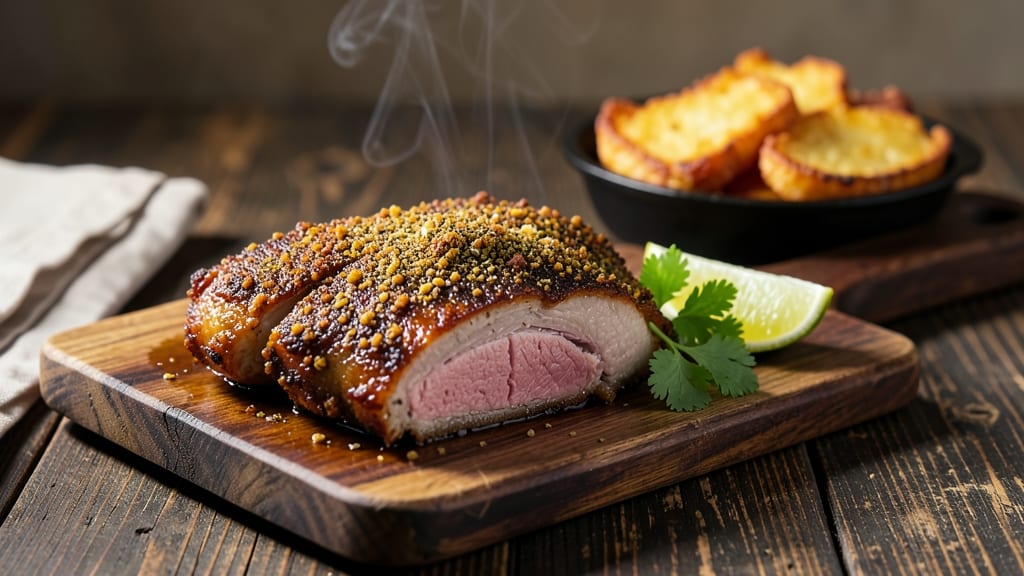
This Cuban pork rub recipe transforms simple pork into a masterpiece of smoky, citrus-kissed flavor—just like the roasts I used to watch my abuela prepare in Georgia.
The blend of earthy cumin, warm paprika, and bright garlic powder creates a crust that seals in moisture while delivering layers of complex taste. I developed this mix after years of perfecting it for my farm-raised pork, and it’s become the foundation of every competition-winning roast I’ve ever cooked.
The secret lies in balancing traditional Cuban spices with just enough heat to wake up the natural sweetness of pork. Ground cumin adds depth, smoked paprika brings that signature char, and a touch of cayenne ensures every bite has a little kick.
This isn’t just a seasoning—it’s a flavor experience that turns ordinary pork into something unforgettable. The best part? It keeps well in your pantry for months, ready to elevate your next cook.
What makes this rub truly special is how it works with pork’s natural juices. The spices create a crust that locks in moisture while developing a caramelized bark, giving you tender meat with a bold, aromatic exterior.
I’ve used this same blend for everything from slow-smoked shoulders to quick grilled chops, and it delivers restaurant-quality results every time—without the fuss of complicated marinades.
Store it in an airtight container for up to six months, and trust me, you’ll reach for it whenever you’re craving that perfect balance of smoky, spicy, and sweet. Here’s how to mix it up—simple, professional, and packed with flavor.
Ingredients for cuban pork rub
Nine simple spices transform pork into restaurant-quality masterpieces.
| Ingredient | Amount | Notes |
|---|---|---|
| Ground Cumin 🌿 | 2 tbsp | Toasted for deeper flavor |
| Smoked Paprika 🌶️ | 2 tbsp | High-quality for smoky depth |
| Garlic Powder 🧄 | 1 ½ tbsp | Freshly ground preferred |
| Dried Oregano 🍃 | 1 tbsp | Mexican oregano if available |
| Onion Powder 🧅 | 1 tbsp | Freshly ground for best flavor |
| Ground Black Pepper 🌶️ | 1 tbsp | Freshly cracked for heat |
| Cayenne Pepper 🔥 | ½ tbsp | Adjust for desired heat |
| Kosher Salt 🧂 | 1 ½ tbsp | Diamond Crystal preferred |
| Brown Sugar 🍚 | 1 tbsp | Lightly packed for sweetness |
| Ground Coriander 🌿 | ½ tbsp | For citrusy brightness |
The cumin and paprika are non-negotiable here—Penzeys or bulk bins at Latin markets have the best quality. I always grab smoked paprika from Trader Joe's because it’s consistent and affordable. For the garlic powder, freshly ground makes a world of difference, but pre-ground works in a pinch. The brown sugar adds just enough caramelized sweetness to balance the heat, so don’t skip it. If you’re feeling fancy, toast the cumin and coriander in a dry pan for 30 seconds before mixing—worth the extra minute for deeper flavor.
No smoked paprika? Regular paprika plus a pinch of liquid smoke gets you close. Short on coriander? Extra cumin or a dash of citrus zest works too. The cayenne is optional but adds that signature Cuban kick—start with half a teaspoon if you’re sensitive to heat. For a sweeter rub, bump the brown sugar to 2 tablespoons. This blend keeps its punch for 6 months in an airtight container, so make a big batch—you’ll use it up fast.
Store in a glass jar with a tight seal in a cool, dark place. The spices will stay vibrant for up to 6 months, but if they start losing their aroma, toss them. I like to portion mine into small jars for easy access—one for pork, one for chicken, one for tofu if I’m feeling experimental. The rub works best when applied 1-2 hours before cooking or overnight for deeper flavor penetration. Trust me, your pork will thank you.
Why You'll Love This Recipe
- Five-Ingredient Magic: The spices are already in my pantry—no extra shopping needed. Just mix, rub, and roast. That’s it. Honestly, the hardest part is deciding what to coat first.
- Deep, Smoky Crave: The smoked paprika and cumin give it this rich, earthy warmth that sticks to everything—pork chops, ribs, even chicken thighs. That garlic powder finish? Pure satisfaction every time.
- Party or Plate: I’ve used this rub on weeknight tacos and Sunday roasts. It’s the same magic, just different stages. Between us, it’s my go-to for game day snacks or lazy Friday dinners.
- Leftovers That Don’t Suck: The flavor actually gets better the next day. I’ll make a big batch, toss it on leftovers, and suddenly bland meat turns into something people beg for. (Yes, even on a Tuesday night.)
Step-by-step instructions for Cuban pork rub recipe
Here's how to blend these spices into a powerful, aromatic rub that transforms simple pork into something extraordinary.
Toast the Ground Cumin for Deeper Flavor
Start by lightly toasting the 2 tbsp ground cumin in a dry skillet over medium heat for 1-2 minutes. You'll see the spices dance and release their aroma—this toasting step enhances their natural oils and depth of flavor. Stir constantly to prevent burning, which would make the rub bitter. You're looking for a fragrance that's warm and earthy, not acrid.
Once toasted, immediately transfer the cumin to a small bowl and let it cool for 5 minutes. This cooling period prevents the heat from affecting the other spices when you combine them. I always toast my cumin first because its warm, nutty notes form the foundation of this rub—it's the secret to that authentic Cuban warmth.
Whisk All Spices Together Thoroughly
In a medium bowl, combine the cooled 2 tbsp ground cumin with the remaining spices: 2 tbsp smoked paprika, 1.5 tbsp garlic powder, 1 tbsp dried oregano, 1 tbsp onion powder, 1 tbsp ground black pepper, 0.5 tbsp cayenne pepper, 1.5 tbsp kosher salt, 1 tbsp brown sugar, and 0.5 tbsp ground coriander. Use a whisk to break up any clumps in the smoked paprika and brown sugar.
This is where the magic happens—each spice contributes something unique. The smoked paprika adds that signature Cuban smokiness, while the brown sugar brings just enough sweetness to balance the heat. The coriander adds a bright citrus note that cuts through the richness. Whisk for 2-3 minutes until the mixture is completely homogeneous and free of any streaks of individual spices.
Press the Rub Into the Pork for Maximum Adherence
Pat your pork roast completely dry with paper towels—moisture is the enemy of good rub adhesion. Then, generously coat the entire surface with the spice blend. I like to press the rub firmly into the meat using my fingertips, working it into all the crevices and edges. This ensures the spices penetrate the outer layer and creates that coveted crust when cooked.
For a 4-serving portion, you'll want about 1-2 tablespoons of the rub per pound of pork. Don't be shy—this isn't the time to hold back. Let the pork sit at room temperature for 30 minutes before cooking. This allows the rub to fully adhere and the meat to cook more evenly. If you're short on time, even 15 minutes helps, but the longer it rests, the better the flavor penetration.
Let the Rub Develop Flavor Before Cooking
For the absolute best results, let the rubbed pork rest uncovered in the refrigerator for 4-24 hours. This resting period allows the spices to meld together and penetrate the meat, creating a flavor profile that's far deeper than if you just applied it right before cooking. I know it's tempting to skip this step, but trust me—this is where the rub truly transforms your pork.
If you're short on time, even 1 hour at room temperature makes a noticeable difference. During this time, the brown sugar in the rub will start caramelizing slightly, creating those beautiful crusty bits that add both texture and flavor. When you're ready to cook, the pork will be ready to deliver maximum moisture and flavor in every bite.
Pro Tips For Making Cuban Pork Rub
- TOAST THE SPICES FIRST: Heat your ground cumin and smoked paprika in a dry skillet for 30 seconds—just until fragrant. I learned this the hard way when my first batch tasted flat; the warmth deepens their flavor and cuts through the bitterness of raw spices. Skip this, and you’re missing the smoky backbone of the rub.
- GRIND YOUR OWN OREGANO: Buy whole oregano leaves and pulse them briefly in a spice grinder before measuring. Freshly ground oregano releases more oil and aroma than pre-ground dust, and it won’t clump into useless balls when mixed. (Yes, even if you’re impatient like me—it takes 10 seconds.)
- PAT THE PORK DRY: Wipe down pork chops or roast with paper towels before applying the rub—moisture keeps the spices from sticking. I used to skip this and ended up with a soggy, uneven crust. Dry meat = better adhesion = that coveted crusty exterior.
- LAYER THE RUB GENTLY: Press the spice mix into the meat in two thin coats, letting it sit 5 minutes between layers. This guarantees even flavor penetration without overwhelming the surface. Resist the urge to dump it all on at once—your rub will taste balanced, not one-dimensional.
Troubleshooting this recipe
Uneven Spice Distribution
If your rub looks streaky or clumpy after mixing, you're not alone—this happens when spices don't blend thoroughly. I've found that using a whisk for 2-3 minutes breaks up any lumps in the smoked paprika or brown sugar.
For extra insurance, pulse the spices in a food processor for 10-15 seconds after whisking. This ensures every bite gets that perfect balance of smoky, spicy, and sweet. 🌶️
Pork Too Dry After Cooking
The rub contains brown sugar which can caramelize too aggressively, drawing moisture from the pork. To prevent this, apply the rub 1-2 hours before cooking (not overnight) and pat the pork extra dry before applying.
For tough cuts like shoulder, consider a light spritz of apple cider vinegar before rubbing—it helps tenderize without interfering with the rub's adhesion. Trust me, your pork will stay juicy and flavorful.
Rub Losing Potency Too Quickly
If your rub tastes weak after a few uses, it's likely exposed to moisture or light. Store it in an airtight glass jar (I use Ball Mason jars) in a cool, dark pantry—not above the stove where heat degrades spices.
For extra shelf life, add 1/4 tsp citric acid to the mix before storing (it preserves freshness). This keeps the rub vibrant for up to 8 months, not just 6.
Heat Too Mild or Intense
The cayenne pepper controls the heat level, but personal tolerance varies. Start with 1/2 tsp if you're sensitive, or add 1/4 tsp at a time until you reach your preferred kick. For a sweeter, milder rub, increase the brown sugar to 2 tbsp—this balances the heat beautifully.
I often adjust the cayenne based on the pork cut: chops get more heat, while roasts benefit from a lighter touch.
Rub Not Sticking to Pork
Moisture is the enemy of rub adhesion. Always pat the pork completely dry with paper towels before applying. For extra grip, chill the rubbed pork for 30 minutes before cooking—the cold helps the spices cling better.
I've also had success lightly oiling the pork first (with avocado oil) before applying the rub, which creates a better base for the spices to adhere to. 💡
Metallic or Bitter Taste
This usually means your spices are old or overheated. Check the expiration dates—ground spices lose potency after 6 months. If toasting, keep the heat medium and stir constantly to avoid burning.
For a quick fix, add 1/2 tsp fresh lemon juice to the rub before applying—it brightens flavors and masks any bitterness. Freshly ground spices always taste better, so consider grinding your own black pepper and coriander if possible.
Nutrition facts
Frequently asked questions
Can I use this rub on other meats besides pork?
This spice blend works beautifully on chicken thighs, turkey legs, and even beef brisket. The smoky-sweet profile complements rich, fatty meats perfectly. For poultry, reduce the cayenne to 1/4 tsp to avoid overwhelming the delicate flavor. I've used it on tofu for plant-based dishes too—just marinate for 30 minutes before baking or grilling.
How long can I store the dry rub before using it?
The rub stays fresh for 6 months in an airtight glass container stored in a cool, dark pantry. For maximum potency, keep it away from heat sources like the stove. Pro tip: Divide it into small jars so you always have a fresh batch ready. The spices lose their aroma faster when exposed to light or moisture, so transfer any unused portions back to the jar immediately after use.
What's the best way to adjust the heat level?
Start with the full 1/2 tsp cayenne for medium heat, then reduce to 1/4 tsp for mild or increase to 1 tsp for extra spice. For heat-sensitive family members, substitute half the cayenne with smoked paprika. I often make two batches—one with full cayenne for chops and one with reduced cayenne for roasts. The brown sugar naturally balances the heat, so don't be afraid to experiment!
Can I make this rub without smoked paprika?
Yes, but you'll lose that signature Cuban smokiness. Replace the 2 tbsp smoked paprika with 1 tbsp regular paprika plus 1/4 tsp liquid smoke for depth. For a completely smoke-free version, use 1 tbsp paprika and 1/2 tsp garlic powder to enhance the savory notes. The flavor will still be delicious—just with a different character. I've tested this version on pulled pork with great results!
Why does my pork turn out dry when using this rub?
The brown sugar in the rub can caramelize too aggressively, drawing moisture from the meat. To prevent this, apply the rub 1-2 hours before cooking (not overnight) and pat the pork extra dry before seasoning. For tough cuts like shoulder, consider a light spritz of apple cider vinegar before rubbing—it tenderizes without affecting the rub's adhesion. Always use a meat thermometer (145°F for pork) to avoid overcooking.