
Main Courses
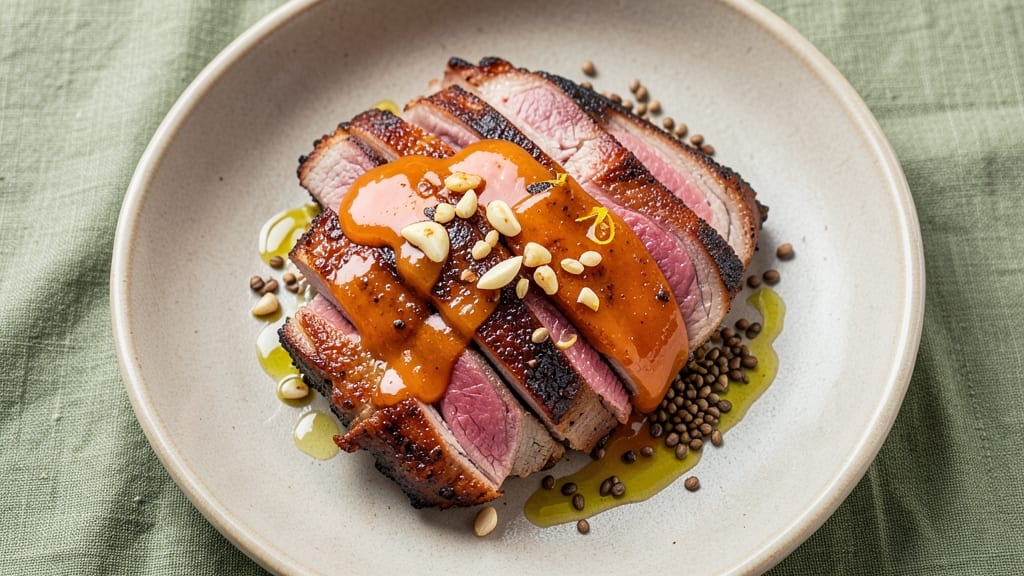
This Cuban pork steak recipe delivers the perfect balance of moist, savory meat with a tangy mustard-citrus marinade that transforms every bite. Growing up in Georgia, I learned how pork's rich flavors shine when paired with bold spices and bright citrus—this dish captures that essence with a modern twist.
The secret lies in marinating the pork for at least 4 hours, letting the flavors penetrate deeply while keeping the meat tender.
The recipe begins with a simple yet powerful marinade of Dijon mustard, orange juice, garlic, and cumin, which creates a glossy crust when grilled or pan-seared. Unlike traditional versions that rely solely on dry rubs, this method ensures the pork stays juicy and packed with flavor.
The sides—black beans, yellow rice, and crispy fried plantains—complete the dish with textures and tastes that sing together.
What makes this recipe stand out is its adaptability. Whether you're grilling outdoors or cooking on the stovetop, the technique remains foolproof. The citrus-marinated pork develops a caramelized exterior while staying tender inside, and the sides can be prepped ahead for a seamless dinner experience.
This is the kind of dish that feels like a celebration, even on a weeknight.
Serve it with a cool beer or a crisp white wine to balance the richness, and don’t forget the pickled onions for that classic Cuban touch.
The combination of smoky pork, sweet plantains, and hearty beans creates a meal that’s as satisfying as it is flavorful—just like the ones I grew up with in the South.
Ingredients for cuban pork steak
Pork shoulder, citrus, and bold spices create this juicy Cuban pork steak masterpiece.
| Ingredient | Amount | Notes |
|---|---|---|
| Pork Shoulder Roast 🥩 | 2 lb | Bone-in for better flavor |
| Dijon Mustard 🍯 | ½ cup | High-quality for tangy depth |
| Fresh Orange Juice 🍊 | ½ cup | Not from concentrate |
| Garlic Cloves 🧄 | 6 cloves | Minced for even distribution |
| Ground Cumin 🌿 | 1 tbsp | Toasted for enhanced aroma |
| Olive Oil 🫒 | ¼ cup | Extra-virgin for richness |
| Salt 🧂 | 1 ½ tsp | Kosher or sea salt |
| Black Pepper 🌶️ | 1 tsp | Freshly ground for heat |
| Bay Leaves 🍃 | 2 whole | Fresh for best flavor |
| Black Beans 🌱 | 1 ½ cups | Cooked, canned preferred |
| Yellow Rice 🍚 | 2 cups | Cooked, firm texture |
| Ripe Plantains 🍌 | 2 whole | Fried until caramelized |
| Pickled Red Onions 🧅 | ½ cup | Store-bought or homemade |
| Lime Wedges 🍋 | 2 whole | For serving, fresh squeezed |
The pork shoulder is the foundation—look for bone-in cuts at Whole Foods or your local butcher for the best flavor. Costco often has great deals on larger roasts, but any grocery store should carry it. If you can't find bone-in, bone-out works but marinade time is critical to keep it tender. The Dijon mustard should be high-quality—avoid the watery brands. For the orange juice, fresh is ideal, but not from concentrate is the minimum. The garlic? Freshly minced makes all the difference—don't use pre-minced from jars.
No Dijon mustard? Whole-grain mustard thinned with orange juice works in a pinch. Running short on fresh orange juice? Grapefruit juice at half the amount adds a citrusy twist. The cumin can be swapped for smoked paprika if you prefer a different smokiness, but toasted cumin is traditional. For the sides, canned black beans are fine, but homemade are richer. If you can't find ripe plantains, green ones fried until crispy add a different texture. The pickled onions? Store-bought is perfect—no need to make them from scratch unless you're feeling ambitious.
Marinate the pork overnight for maximum flavor penetration. The marinade keeps well in the fridge for 3 days, so double it if you're feeding a crowd. Cooked pork reheats beautifully—350°F for 20-30 minutes until warmed through. The sides reheat well too, but plantains are best fresh. Store leftovers in the fridge for 4 days or freeze for 3 months. I always make extra rice and beans—they freeze perfectly for quick meals later in the week.
Why You'll Love This Recipe
- I’ll be real: I make this on Sunday and eat it all week. The pork stays moist when reheated, and the citrusy sauce clings perfectly—great for sandwiches, tacos, or just cold slices with crackers.
- One-Pan Magic: Honestly, this is the kind of recipe where you mix, sear, and walk away. The pork shoulder roast gets a quick rub with cumin and garlic, then the orange juice and Dijon work their magic in the same pan—no extra dishes, no fuss.
- Tangy Kick: Between us, that fresh orange juice and Dijon mustard combo is ridiculously good. It cuts through the richness of the pork while keeping it juicy, and the cumin adds this warm, earthy depth that makes it taste like a restaurant dish.
- Leftovers Heaven: I’ll be real: I make this on Sunday and eat it all week. The pork stays moist when reheated, and the citrusy sauce clings perfectly—great for sandwiches, tacos, or just cold slices with crackers.
Step-by-step instructions for Cuban pork steak
This method delivers perfectly moist, flavorful pork shoulder with a tangy citrus-mustard glaze every time.
Marinate the Pork Shoulder
In a large bowl, combine the 2 lb pork shoulder roast with the 0.5 cup Dijon mustard, 0.5 cup fresh orange juice, 6 minced garlic cloves, 1 tbsp ground cumin, 0.25 cup olive oil, 1.5 tsp salt, and 1 tsp black pepper. Mix thoroughly with your hands, ensuring the marinade coats every surface of the meat. The mustard and citrus will tenderize the pork while building deep flavor.
Transfer the marinated pork to a resealable plastic bag and refrigerate for at least 4 hours or overnight. This long marinating time is crucial for maximum moisture and flavor penetration. The pork should sit in the refrigerator uncovered for the first 30 minutes to allow the marinade to fully adhere before sealing the bag.
Sear the Pork for Crispy Texture
Preheat your oven to 325°F. Remove the pork from the refrigerator and let it sit at room temperature for 30 minutes. Heat a large Dutch oven or heavy pot over medium-high heat and add the pork. Sear on all sides until deeply browned, about 8-10 minutes total. This step develops a flavorful crust that locks in juices during cooking.
Once browned, transfer the pork to a plate and place it back in the oven. The searing creates a barrier that helps retain moisture during the long cook.
Slow Cook Until Fork-Tender
Pour the marinade from the bowl into the Dutch oven, scraping up any browned bits from the bottom. Add 2 whole bay leaves to the pot. Place the pork back in the Dutch oven, fat-side up, and cover tightly with a lid. Braise in the preheated oven for 3 hours, then reduce heat to 275°F and continue cooking for another 2-3 hours until the pork reaches an internal temperature of 195-205°F and is fork-tender.
Check the pork after 3 hours—it should be falling apart easily when tested with a fork. If it's not quite there, continue cooking at 275°F until it reaches the desired tenderness. The low temperature ensures the pork stays moist while developing rich, deep flavors.
Rest and Slice the Pork
Remove the pork from the oven and transfer it to a cutting board. Tent loosely with aluminum foil and let it rest for 30 minutes. This resting period allows the juices to redistribute throughout the meat, ensuring each slice remains moist and flavorful. Discard the bay leaves before slicing.
Slice the pork against the grain into ¼-inch thick slices. The grain direction will be visible as lines running through the meat. Serve immediately with the 1.5 cups black beans, 2 cups yellow rice, 2 fried ripe plantains, 0.5 cup pickled red onions, and 2 lime wedges for a complete Cuban-inspired meal.
Pro Tips For Making Cuban Pork Steak
- SEAR THE SHOULDER FIRST: I learned this the hard way—don’t skip the initial sear. Hit the pork shoulder with a screaming-hot pan for 3-4 minutes per side before adding liquids. That crust locks in flavor and keeps the meat from turning into a mushy brick when braised.
- USE OLD ORANGES FOR JUICE: Fresh orange juice is great, but the best flavor comes from slightly overripe oranges—peel, juice, and strain. The deeper sweetness balances the cumin and mustard better than tart supermarket juice. (Yes, even if they’re lumpy. Strain them.)
- DON’T DROWN THE MEAT: The recipe might call for a full cup of orange juice, but resist pouring it all in at once. Start with half, let the pork simmer for 20 minutes, then add the rest. Too much liquid too soon = bland, watery pork.
- TOAST THE CUMIN FIRST: That earthy cumin flavor explodes when toasted. Dry-toast it in the same pan you seared the pork for 30 seconds until fragrant—it’ll smell like a Cuban café. Skip this, and your dish tastes like it’s missing something. (Trust me.)
Essential equipment for cuban pork steak
Must-Have Cookware
Start with a heavy-duty Dutch oven—I swear by my Lodge 5.5-quart—for searing and braising the pork. The cast iron retains heat beautifully and creates that signature caramelized crust.
If you don’t have one, a stainless steel Dutch oven like All-Clad works too. For plantains, a nonstick skillet (I use Made In brand) prevents sticking while frying. 🔥
Precision Tools
A meat thermometer is non-negotiable—get a ThermoWorks Smoke or Thermoworks Thin Probe to monitor internal temps accurately. The pork needs to hit 195-205°F for that melt-in-your-mouth texture. For mincing garlic, a microplane or garlic press saves time over chopping by hand.
I also keep a sharp chef’s knife (my Wüsthof 8-inch) for slicing the pork against the grain.
Marinating Essentials
Use a resealable plastic bag (like Ziploc Gallon) for marinating—it clings to the pork perfectly. For citrus, a handheld juicer (like OXO Good Grips) extracts fresh juice efficiently.
If you’re toasting cumin, a small skillet over low heat for 1 minute enhances its aroma. A wooden spoon helps mix the marinade without scratching nonstick pans.
Optional Upgrades
For extra crispiness, a grill grate (like Weber’s for stovetop use) mimics outdoor grilling. A meat mallet tenderizes thicker cuts if needed, though our marinade handles it well. For plantains, tongs (I use OXO Good Grips) make flipping easier than a fork.
Store these tools in a wall-mounted rack to keep your kitchen organized and accessible. ✨
Budget-Friendly Swaps
No Dutch oven? A heavy stainless steel pot with a lid works. Skip the juicer and use a reamer for oranges. A paring knife suffices for garlic if you’re in a pinch.
The key is high-quality basics—don’t skimp on the knife or thermometer. Even on a budget, these tools elevate every dish. 💪
Nutrition facts
Frequently asked questions
Can I use bone-in or boneless pork shoulder for this recipe?
Bone-in pork shoulder is ideal as it adds extra flavor, but boneless works too. Just ensure you marinate it for at least 6 hours (preferably overnight) to compensate for the lack of connective tissue. The bone helps keep the meat moist during cooking, so if using boneless, monitor the internal temperature closely with a meat thermometer.
What if I don't have Dijon mustard? Can I substitute?
Use whole-grain mustard mixed with 1 tablespoon of orange juice to thin it out. For a sharper kick, add a pinch of cayenne pepper. The key is maintaining the tangy, slightly sweet profile—avoid yellow mustard as it lacks depth. If you're completely out of mustard, a mix of 1 tablespoon honey and 1 tablespoon apple cider vinegar can mimic some of its complexity.
How do I keep the pork from drying out during cooking?
Never skip the 30-minute rest after searing or the 30-minute rest before slicing—this redistributes juices. Use a meat thermometer and remove the pork from the oven when it hits 195°F (it'll rise to 205°F while resting). The Dutch oven's tight lid traps steam, and the citrus-marinade creates a protective barrier. For extra moisture, add ¼ cup of water or orange juice to the Dutch oven during braising.
Can I make this recipe in a slow cooker instead of the oven?
Yes! Sear the pork first in a skillet, then transfer it to a slow cooker with the marinade and bay leaves. Cook on low for 7-8 hours or high for 4-5 hours until fork-tender. The slow cooker's gentle heat ensures tender meat without drying it out. Just check the temperature occasionally—it should reach 205°F internally. This method is perfect for busy weeknights!
What's the best way to reheat leftovers?
Slice the pork first, then reheat in a skillet over medium-low heat with 1 tablespoon of water or broth for 3-4 minutes until warmed through. For rice and beans, cover with a damp paper towel and microwave for 1-2 minutes. Plantains reheat best in a dry skillet over medium heat for 2-3 minutes per side. Avoid the microwave for pork—it makes the meat rubbery.