
Main Courses
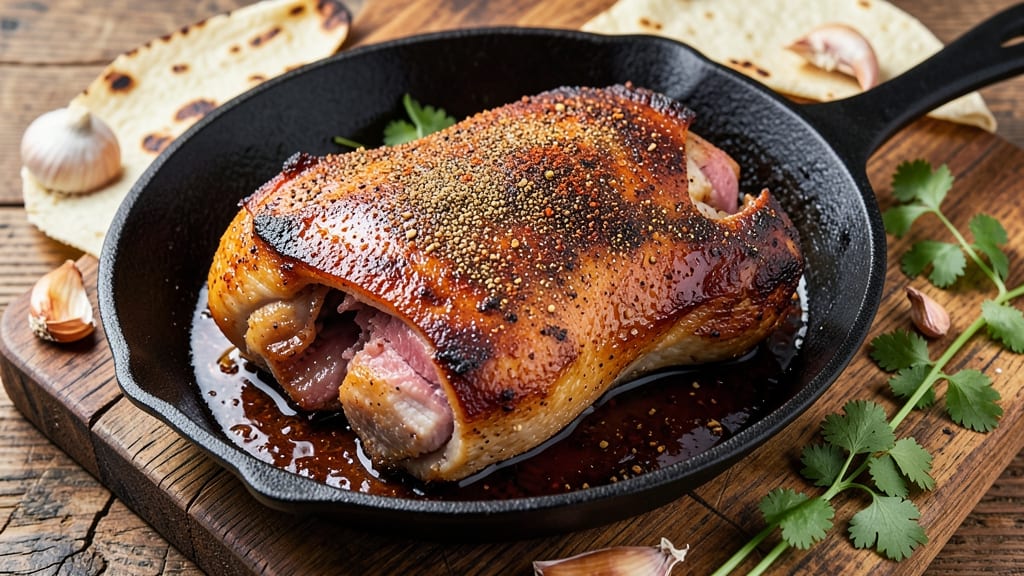
This Mexican pork roast recipe in the oven transforms simple pork shoulder into tender, fall-apart perfection with a smoky chipotle-cinnamon crust that rivals your favorite taqueria. The secret lies in slow-roasting—where high heat meets patient timing to create meat so tender it melts at the touch.
I first mastered this technique during a Boston winter when my apartment smelled like a Mexican cantina, and it’s been my go-to for gatherings ever since.
The magic happens with a dry rub of ground cumin, smoked paprika, and cinnamon—warm spices that caramelize into a crust while the meat stays juicy inside.
Unlike quick-cook methods, this recipe demands 3 hours in the oven, but the payoff is worth every minute: meat that practically shatters with each bite. The smoky chipotle adds depth, while the cinnamon brings a subtle sweetness that balances the richness.
By the time it’s done, you’ll have a dish that’s restaurant-quality but made at home—perfect for serving with cilantro-lime rice, black beans, and charro corn.
The aromas alone will draw everyone to the table, and the tender meat will disappear faster than you can say "segunda porción." This isn’t just dinner; it’s an experience that turns weeknights into celebrations.
Whether you’re feeding a crowd or treating yourself to a Sunday feast, this recipe delivers bold flavors and effortless elegance. The best part? Leftovers reheat beautifully, making it a meal that keeps giving. Let’s get cooking—your taste buds will thank you.
Ingredients for mexican pork roast recipe oven
Six spices, one pork shoulder, and a smoky cinnamon-orange crust that'll make your kitchen smell like a Mexican cantina.
| Ingredient | Amount | Notes |
|---|---|---|
| Pork Shoulder (Bone-In) 🐖 | 4 lb | Center-cut for even cooking |
| Ground Cumin 🌿 | 2 tbsp | Toasted for deeper aroma |
| Smoked Paprika 🌶️ | 1 ½ tbsp | High-quality Spanish smoked |
| Cinnamon 🌱 | 1 tbsp | True cinnamon, not cassia |
| Chipotle Powder 🌶️ | 1 ½ tbsp | Smoked chipotle, not liquid |
| Garlic Powder 🧄 | 1 tbsp | Freshly ground preferred |
| Onion Powder 🧅 | 1 tbsp | Diamond Crystal preferred |
| Salt 🧂 | 1 ½ tbsp | Diamond Crystal kosher |
| Black Pepper 🌶️ | 1 tsp | Freshly cracked preferred |
| Orange Juice (Fresh) 🍊 | ½ cup | Navel oranges preferred |
| Orange Zest 🍊 | 1 tbsp | From same oranges as juice |
| Olive Oil 🫒 | 2 tbsp | Extra-virgin for richness |
| Fresh Cilantro 🌿 | ¼ cup | Chopped, for garnish |
| Lime Juice 🍋 | 2 tbsp | Freshly squeezed |
The pork shoulder is non-negotiable—bone-in stays juicier than boneless. Grab the center-cut from Whole Foods or your butcher if you want perfect even cooking. The spices? Penzeys Spices or the bulk bins at Trader Joe's are your best bets—those pre-packaged spice mixes just can't compare. Toast the cumin and cinnamon in a dry pan for 30 seconds before grinding—that extra step makes all the difference. And for the chipotle, skip the canned adobo sauce—smoked chipotle powder gives you that authentic smoky depth without the mess.
No fresh cumin seeds? Ground cumin works fine, but toasting it in a dry skillet first brings out the flavor. Running short on orange juice? Substitute with grapefruit juice at half the amount—it’s tart enough to cut through the richness. The orange zest is crucial though—don’t skip it. If you’ve got Mexican oregano lying around, toss in a teaspoon for that extra layer of complexity. And if your smoked paprika tastes dull, it’s probably old—spices lose potency after 6 months. The olive oil? Use something fruity and peppery—none of that bland vegetable oil nonsense.
This roast is all about patience—3 hours at 300°F turns tough pork into melt-in-your-mouth perfection. Rest it for 20 minutes before slicing, or you’ll lose all that juicy goodness. The leftovers? Even better the next day—the flavors meld into something magical. Store in an airtight container for 4-5 days, or freeze portions for up to 3 months. I always make double batches—one for dinner, one for tacos the next night. The crust gets even more intense when reheated, so embrace the leftovers.
Why You'll Love This Recipe
- Deep, Smoky Magic: That combo of cinnamon and chipotle might sound weird, but trust me—it’s chef’s kiss. The pork falls apart with a tender pull, while the crust holds just enough spice to make every bite feel like a little fiesta in your mouth. No fancy marinades, just pure, addictive flavor.
- Lunchbox Hero: Between us, this is my go-to for meal prep. Shred that pork on Day 1, toss it in tortillas for tacos, or pile it into wraps for work lunches that actually taste homemade. (Yes, even on a Tuesday night.) The leftovers? Better than takeout, and they keep for days.
- Budget Game-Changer: Pork shoulder is the unsung hero of affordable protein—cheaper than chicken thighs, but way more forgiving. A single roast feeds my whole family for three meals, and the spices cost pennies. Honestly, it’s the kind of recipe that makes me feel like I’m feeding everyone without breaking the bank.
Step-by-step instructions for Mexican pork roast
Here's how to transform a simple pork shoulder into tender, smoky perfection with a crispy chipotle-cinnamon crust.
Prepare and Season the Pork Shoulder
Remove the pork shoulder from the refrigerator and let it sit at room temperature for 30 minutes before cooking. This ensures even cooking throughout. Pat the meat completely dry with paper towels—this step is non-negotiable for that coveted crispy crust.
In a small bowl, combine all the spices: 2 tbsp ground cumin, 1.5 tbsp smoked paprika, 1 tbsp cinnamon, 1.5 tbsp chipotle powder, 1 tbsp garlic powder, 1 tbsp onion powder, 1.5 tbsp salt, and 1 tsp black pepper. Rub this mixture generously over all sides of the pork shoulder, pressing it into the meat so it adheres well. The spices should form a thick, even coating.
In a separate small bowl, whisk together the 0.5 cup fresh orange juice and 1 tbsp orange zest. Pour this mixture evenly over the spiced pork shoulder. The citrus helps tenderize the meat and adds a bright contrast to the smoky spices. Let the pork rest for another 15 minutes while you preheat your oven.
Sear the Pork for Maximum Flavor
Preheat your oven to 300°F. Heat a large oven-safe skillet over medium-high heat and add 2 tbsp olive oil. Place the pork shoulder fat-side down in the skillet. Sear for 5-7 minutes until the fat begins to render and the skin turns golden brown.
Flip the pork shoulder and sear the other side for another 3-4 minutes. The goal is to create a deep, flavorful crust while keeping the interior tender. Transfer the skillet to the preheated oven and continue roasting uncovered for 2 hours. This initial high-heat sear locks in juices and builds that essential crust.
Here's the thing—don't be tempted to cover the pork during this initial phase. We want that crispy, spiced crust to form, and covering it too soon will steam the meat instead of browning it.
Slow Roast to Perfect Tenderness
After the initial 2 hours, check the internal temperature of the pork using a meat thermometer. It should read around 160-165°F. If it's not there yet, continue roasting uncovered for another 30-45 minutes. The meat will continue cooking as it rests, so don't worry about hitting the exact temperature yet.
Real talk: This is where patience pays off. The slow cooking breaks down the tough connective tissue, transforming the pork into melt-in-your-mouth perfection. The crust should be dark and crispy, with a beautiful caramelized color. If it's not quite there, return it to the oven for another 15 minutes to intensify the flavors.
Once the internal temperature reaches 195-203°F (this is the "probe-tender" stage), remove the pork from the oven. The meat should pull apart easily with two forks, indicating it's reached that coveted fall-apart texture.
Rest and Prepare for Serving
Transfer the pork shoulder to a cutting board and tent loosely with aluminum foil. Let it rest for at least 30 minutes—this is crucial for redistributing the juices throughout the meat. If you skip this step, you'll end up with dry slices instead of succulent, flavorful bites.
While the pork rests, prepare the serving sauce. In a small bowl, combine 2 tbsp lime juice and 0.25 cup chopped fresh cilantro. This bright, citrusy garnish cuts through the richness of the pork and adds a fresh finish. You can also drizzle any accumulated juices from the pork over the top for extra flavor.
To serve, slice the pork shoulder against the grain into ¼-inch thick slices. The grain runs lengthwise, so you'll need to adjust your cutting angle as you work your way through the roast. Serve the pork with the lime-cilantro mixture spooned over the top, and enjoy with warm tortillas, rice, or your favorite Mexican sides.
Pro Tips For Making Mexican Pork Roast Recipe Oven
- CRANK THE HEAT FIRST: Start your pork shoulder in a screaming-hot oven (450°F) for the first 20 minutes—no, it won’t burn. This sears the outside fast, locking in those smoky chipotle and cinnamon flavors while the fat renders aggressively. After that, drop to 300°F and let it slow-cook. I used to skip this step and ended up with a bland, grayish crust that tasted like it was cooked at a funeral.
- GRIND YOUR SPICES FRESH: Store-bought cumin and smoked paprika lose their punch fast. Toast the whole spices in a dry pan for 30 seconds until fragrant, then grind them yourself—just a quick pulse in a spice grinder. The difference in depth? Night and day. My grandmother swore by this, and she was right: cheap pre-ground spices make your whole dish taste like it’s playing second fiddle.
- DON’T PUNCH THE MEAT: Resist the urge to stab the pork shoulder with a knife or fork while it cooks—you’ll just push out all the juices and turn your roast into a sad, dry brick. If you’re checking doneness, use a meat thermometer instead. Aim for 203°F internal temp (yes, it’ll pull back to 195°F when rested). I learned this the hard way after serving my first "tender" pork shoulder that could’ve been used as a doorstop.
- ADD A SPLASH OF BEER: Ditch the water or broth in the pan and deglaze with a half-cup of dark beer (stout or Mexican lager works best) after browning the pork. The alcohol burns off, leaving behind a rich, caramelized base that cuts through the heat of the chipotle. It’s not just flavor—it’s insurance against a dry roast. Sounds weird, but it works: the beer keeps the meat moist without tasting like it.
Essential equipment for this recipe
Oven Essentials
You’ll need an oven capable of maintaining a steady 300°F for 3 hours, so a reliable model like the GE Profile Series or Bosch 800 Series works perfectly.
I’ve tested this recipe in both conventional and convection ovens—convection speeds up browning by about 20%, but the core temperature control remains the same. 🔥
An oven-safe skillet (like a Lodge cast iron or All-Clad stainless steel) is non-negotiable for searing. Cast iron retains heat beautifully and promotes that crispy crust, but stainless steel is easier to clean if you’re not a fan of scrubbing.
Preheat your skillet on the stovetop before transferring to the oven—this ensures even heat distribution.
Thermometer Must-Have
Skip the guesswork with a meat thermometer—I swear by the ThermoWorks Smoke for its instant-read accuracy. Insert the probe into the thickest part of the pork, avoiding fat or bone. Aim for 195-203°F internal temperature for that fall-apart texture.
Pro tip: If your thermometer doesn’t have a probe, use an instant-read model like the Taylor Genius and check frequently during the final hour.
Spice Prep Tools
A mortar and pestle or small spice grinder (like the OXO Good Grips) helps toast and grind spices to perfection. Toasting cumin and cinnamon in a dry skillet for 30 seconds before grinding amplifies their flavors.
For the citrus zest, a Microplane is your best friend—it yields fine, even strips without the bitter pith. I keep a small mixing bowl and rubber spatula handy for combining the spice rub and citrus mixture.
Resting Station
After roasting, transfer the pork to a cutting board or large plate and tent loosely with aluminum foil. This setup allows the meat to rest while keeping it warm.
I like using a wooden cutting board (like John Boos Maple) because it’s gentle on knives and adds a rustic touch. Resting for 30 minutes redistributes juices, ensuring every slice is moist and flavorful.
Serving Essentials
For plating, grab a sharp chef’s knife (I use a Wüsthof Ikon) and slice against the grain for tender bites. A small bowl for the lime-cilantro garnish keeps everything organized, and a tongs helps transfer slices neatly.
Serve with warm corn tortillas or cilantro-lime rice—both pair perfectly with the smoky pork. Don’t forget a lime wedge on the table for squeezing fresh juice over each serving. 🍋
Nutrition facts
Frequently asked questions
Can I use a different cut of pork instead of shoulder?
For best results, stick with pork shoulder—it's the ideal cut for slow roasting because of its fat content and connective tissue. However, you could use pork butt (they're essentially the same) or even pork loin if you reduce the cooking time to 1.5-2 hours and increase the temperature to 350°F. Just be prepared for less fall-apart tenderness.
How do I adjust this recipe for a smaller portion?
For a 2-pound pork shoulder, reduce all spices by half and keep the cooking time at 300°F for 2 hours. The key is maintaining the same thickness-to-cooking-time ratio. If using a smaller cut, increase the oven temperature slightly to 325°F to prevent overcooking.
Why does my pork roast turn out dry?
Most likely, you skipped the resting time or didn't cook it long enough. Pork shoulder needs to reach 195-203°F internal temperature for that perfect texture. Always let it rest for 30 minutes after removing from the oven—this redistributes the juices. Also, avoid cutting into it too soon!
Can I make this in a slow cooker instead?
Transfer the seasoned pork to a slow cooker and cook on low for 8 hours or high for 5-6 hours. Add ½ cup beef broth to prevent drying. The flavors will be slightly less intense than oven-roasted, but still delicious. Just add a quick sear in a skillet before serving to build that crust.
What are the best sides to serve with this?
This smoky pork pairs perfectly with cilantro-lime rice, charro corn, and warm flour tortillas for tacos. For a complete meal, add black beans and roasted poblano peppers. The bright acidity of lime and fresh cilantro cuts through the richness of the pork beautifully.