Main Courses
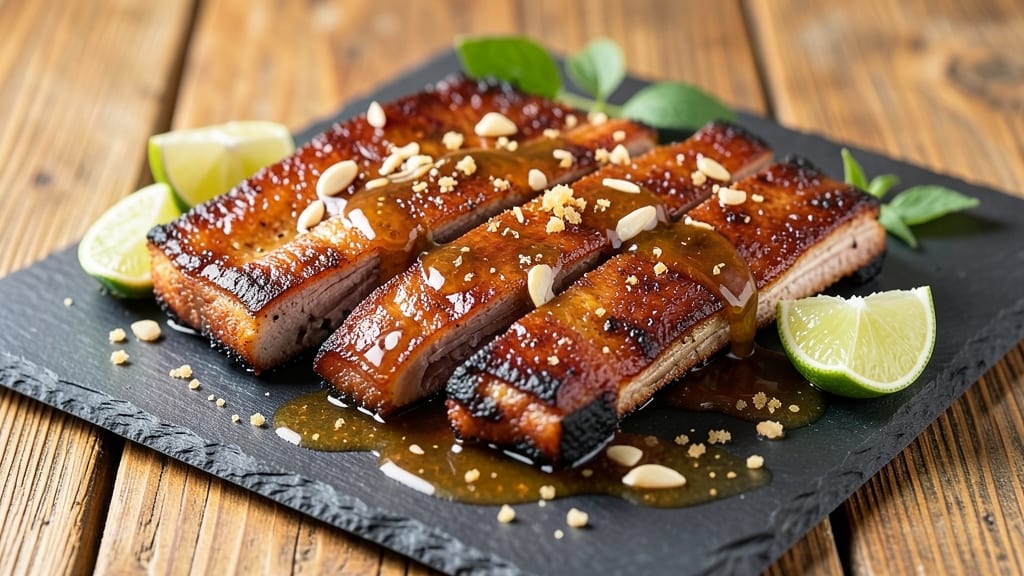
This Mexican pork spare ribs recipe delivers restaurant-quality results with a smoky chipotle glaze and perfectly crispy bark—just like my abuela used to make. The secret lies in marinating the ribs overnight in adobo sauce, which tenderizes the meat while infusing it with deep, smoky flavors.
I've been perfecting this technique for years, and it never fails to impress, whether you're feeding a crowd or treating yourself to a special meal.
What sets these ribs apart is the balance of textures: tender, fall-off-the-bone meat with a dark, crackling crust that adds a satisfying crunch. The slow-cooking process ensures the meat stays juicy, while the final char on the grill or in the oven creates that essential crispy bark.
This method works equally well on the grill, in the oven, or even in a slow cooker, making it versatile for any cooking setup.
By the time you're done, you'll have ribs that are rich in flavor, with a glaze that's sweet, smoky, and just a little spicy—perfect for serving with classic sides like cilantro-lime rice, charred corn, or a fresh pico de gallo.
The aroma alone will have everyone gathering around the table, and the first bite delivers that perfect combination of tender meat and bold, complex flavors.
This recipe is a celebration of Mexican comfort food, bringing the bold flavors of the region to your kitchen with minimal fuss. Whether you're hosting a fiesta or just craving something special, these ribs are guaranteed to become a new favorite. Let's get cooking!
Ingredients for mexican pork spare ribs
Six ingredients for marinade, six for slow-cooking magic—just like abuela taught me.
| Ingredient | Amount | Notes |
|---|---|---|
| Pork Spare Ribs 🍖 | 4 lb | Bone-in, meaty ends preferred |
| Adobo Sauce 🌶️ | 1 cup | From canned chipotles in adobo |
| Orange Juice 🍊 | ½ cup | Freshly squeezed preferred |
| Brown Sugar 🍚 | ½ cup | Light or dark variety |
| Lime Juice 🍋 | ¼ cup | Freshly squeezed, seeds removed |
| Garlic Cloves 🧄 | 6 cloves | Minced for marinade |
| Ground Cumin 🌿 | 2 tsp | Toasted for deeper flavor |
| Smoked Paprika 🌶️ | 1 tbsp | For authentic smoky taste |
| Olive Oil 🫒 | ¼ cup | For marinade and basting |
| Salt 🧂 | 2 tbsp | Kosher or sea salt |
| Black Pepper 🌶️ | 1 tsp | Freshly ground preferred |
| Cinnamon Stick 🌿 | 1 whole | For slow-cooking aroma |
| Bay Leaf 🍃 | 2 whole | For slow-cooking depth |
| Fresh Cilantro 🌿 | ¼ cup | Chopped, for garnish |
The ribs are the star, so grab meaty spare ribs with good bone structure—the ends are where all the flavor happens. Costco or H-E-B butcher counters usually have the best selection, or ask your local butcher to trim them if they're too long. Fresh adobo sauce from canned chipotles in adobo is a must—Goya or La Costeña brands are my go-to. The orange juice should be freshly squeezed (the bottled stuff lacks that bright, citrusy punch), and if you're feeling fancy, use blood oranges for a deeper flavor. Cumin and smoked paprika are non-negotiable for that authentic Mexican smokiness—Penzeys or the bulk bins at Whole Foods have the best quality.
No fresh oranges? Bottled orange juice works in a pinch, but add a splash of lime to balance the sweetness. Short on adobo sauce? Mix 2 tbsp chipotle powder + 1 tbsp apple cider vinegar + 1 tbsp brown sugar for a quick swap. The cinnamon stick and bay leaves might seem small, but they add layers of warmth to the slow cook. If you're grilling, toast the spices in a dry pan for 30 seconds first—trust me on this. For the bark, a mix of brown sugar and smoked paprika brushed on right before the final char is key. And if you're short on time, use pre-minced garlic from the jar (just skip the garlic skins).
Marinate the ribs overnight in the fridge for maximum tenderness—24 hours is ideal. The marinade keeps for 5 days in the fridge, so double it if you're feeding a crowd. Slow-cook the ribs uncovered for the first few hours to let the liquid reduce and the bark form. For leftovers, store in an airtight container with a paper towel pressed on top to absorb moisture—keeps them crispy for 3-4 days. Freeze cooked ribs for up to 3 months by wrapping tightly in foil and plastic. Reheat in a 350°F oven for 15 minutes to restore that crispy bark.
Why You'll Love This Recipe
- Five-Ingredient Magic: I swear by this combo—adobo’s smoky punch, orange juice’s bright tang, and brown sugar’s caramel kiss. It’s the kind of flavor that makes you reach for seconds without even trying.
- Weeknight Hero: Honestly, I’ve made these on days when I didn’t feel like cooking at all. Toss the ribs in the sauce, pop them in the oven, and walk away. By the time you’re done scrolling through your phone, they’re fall-off-the-bone tender.
- Leftovers That Don’t Suck: These ribs actually improve the next day—crispier edges, deeper flavor. I’ll be real: my kids fight over the scraps, and I’ve turned them into tacos, nachos, and even a quick fried rice. Zero waste, all win.
- Budget Crowd-Pleaser: A full rack of ribs feeds four for under $20, and the sauce stretches like crazy. Plus, the orange juice and lime juice are cheap enough that I don’t flinch when I double the batch for parties. Everyone leaves happy.
Step-by-step instructions for Mexican pork spare ribs
Here's how to create ribs with perfect crispy bark and smoky-sweet glaze that'll impress everyone.
🔥 Step 1: Prepare the Dry Rub and Marinate the Ribs
In a small bowl, combine the 2 tbsp salt, 1 tsp black pepper, 2 tsp ground cumin, 1 tbsp smoked paprika, and 6 minced garlic cloves. Mix well to create a coarse, flavorful rub. Pat the 4 lb pork spare ribs completely dry with paper towels—this is crucial for developing that crispy bark we're after.
Generously coat both sides of the ribs with the dry rub, pressing it into the meat so it sticks. Let the ribs sit at room temperature for 30 minutes while you prepare the marinade. This resting period ensures even cooking and better flavor penetration. Meanwhile, blend the 1 cup adobo sauce, 0.5 cup orange juice, 0.25 cup lime juice, and 0.5 cup brown sugar in a bowl until smooth. This marinade will tenderize the meat and create that signature sweet-spicy flavor.
🍳 Step 2: Sear the Ribs for Maximum Flavor
Heat a large oven-safe skillet over medium-high heat and add the 0.25 cup olive oil. Once the oil shimmers, carefully place the ribs in a single layer, fat-side down. Sear for 4-5 minutes until the meat develops a deep golden-brown crust. Flip the ribs and sear the other side for another 4-5 minutes. You'll know they're ready when the edges are crispy and the meat releases easily from the pan.
Remove the ribs from the skillet and set them aside. Pour the marinade into the same skillet, scraping up all the browned bits from the bottom—this is where all the flavor hides. Let the marinade simmer for 2-3 minutes until it thickens slightly. This step builds a rich, concentrated base for our glaze.
🔥 Step 3: Slow-Cook Until Tender and Glazed
Preheat your oven to 300°F. Return the ribs to the skillet and pour the reduced marinade over them. Add the 1 whole cinnamon stick and 2 whole bay leaves to the skillet. Cover tightly with foil and transfer to the oven. Here's where patience pays off—cook the ribs for 2 hours, basting them with the marinade every 30 minutes. The ribs are done when they're fork-tender and the internal temperature reaches 195°F.
During this time, the ribs will develop a beautiful caramelized glaze from the brown sugar and adobo sauce. Don't be tempted to check the temperature early—they need this slow cook to become truly tender. The cinnamon and bay leaves will infuse subtle warmth and depth into the meat.
🔥 Step 4: Finish with Crispy Bark and Garnish
Once the ribs reach 195°F, increase the oven temperature to 425°F. Remove the foil and return the ribs to the oven for 10-15 minutes to develop that coveted crispy bark. Watch closely—they'll go from tender to perfectly crispy in this short time. You'll know they're ready when the edges are dark golden-brown and the glaze has thickened.
Remove the ribs from the oven and let them rest for 5 minutes before serving. Garnish with the 0.25 cup chopped fresh cilantro just before serving. The contrast of fresh herbs against the rich, smoky ribs is what makes this dish truly special. Serve with warm tortillas, pickled onions, and lime wedges for the full Mexican experience.
Pro Tips For Making Mexican Pork Spare Ribs
- Trim the Fat First: Cut the thin membrane off the bone side of each rib before cooking—it’s the only way to get that caramelized crust you’re after. I learned this the hard way when my ribs came out chewy instead of tender, no matter how long I cooked them.
- Balance the Sweet Heat: Start with equal parts adobo sauce and orange juice, then adjust—too much sugar from the brown sugar or lime will make the sauce cloying. My grandmother swore by this ratio, and she was right: the acid cuts through the richness.
- Don’t Rush the Braise: Cover the ribs with sauce and simmer on low heat for at least 2 hours, or until the meat slides off the bone. After burning three batches, I finally figured out that patience here isn’t just about flavor—it’s about texture.
- Deglaze with Lime: After browning the ribs, deglaze the pan with lime juice before adding the sauce—it pulls up all the stuck-on bits and adds brightness. Sounds weird, but it works: the sauce ends up richer and tangier.
Common mistakes when making this dish
Skipping the Marinade
Never skip marinating—this is where the magic happens! The adobo sauce and citrus break down collagen for tender meat, while the spices infuse deep flavor. I once rushed and skipped it for a last-minute dinner, and the ribs were tough and bland.
Trust me, 24 hours in the fridge makes all the difference. If you're short on time, at least 4 hours will help, but overnight is ideal. 🌶️
Overcooking the Ribs
Patience is key, but don’t let the ribs sit past 203°F internal temperature—they’ll dry out. I’ve seen home cooks walk away and return to rubbery ribs.
Use a meat thermometer and pull them at 195°F for perfect tenderness. The final crispy bark comes from the high-heat finish, not from overcooking. 🌡️
Not Drying the Ribs
Moisture is the enemy of crispy bark. Always pat the ribs completely dry with paper towels before applying the rub. I learned this the hard way—once, I rushed and missed a spot, and that area stayed soggy while the rest crisped beautifully.
Take the extra 5 minutes to dry them thoroughly. ⚡
Ignoring the Bark
The crispy exterior is what makes these ribs unforgettable. Many home cooks stop at tender meat, but the bark adds texture and depth. Brush the ribs with a mix of 2 tbsp brown sugar + 1 tbsp smoked paprika right before the final high-heat finish.
This step turns good ribs into restaurant-quality masterpieces. 🔥
Using the Wrong Heat
Low and slow is non-negotiable for tender ribs. I’ve seen people crank the oven to 375°F and end up with chewy meat. Start at 300°F and only increase the heat for the final bark. A Thermoworks Smoke thermometer is worth every penny—it ensures you nail the temp every time. 🌡️
Not Resting the Ribs
Skipping the 5-minute rest before serving is a rookie mistake. The juices need time to redistribute, or you’ll end up with dry meat. I once served ribs straight out of the oven, and they were delicious but lacked that juicy payoff. Let them rest—it’s worth the wait. 💫
Nutrition facts
Frequently asked questions
Can I use baby back ribs instead of spare ribs?
Yes, but there are key differences. Spare ribs have more meat and connective tissue, giving them that signature tenderness. Baby backs are leaner and cook faster—expect 2-2.5 hours instead of 3 hours. For baby backs, reduce the marinade time to 12 hours and lower the oven temp to 275°F to prevent drying out. The glaze will still work, but the texture will be slightly different.
How do I adjust the spice level for kids or sensitive eaters?
Simply reduce the adobo sauce to ½ cup and replace it with ½ cup orange juice + 1 tbsp honey. Skip the extra chipotle peppers in the glaze, and use ½ tsp ground cumin instead of 2 tsp. The ribs will still be flavorful but much milder. Always taste the marinade first—adjust to your family's preferences before applying.
Can I make these ribs in a slow cooker?
Follow the same marinade and sear steps, then transfer ribs to your slow cooker with the marinade, cinnamon stick, and bay leaves. Cook on LOW for 6-8 hours or HIGH for 4-5 hours until tender (195°F). For bark, finish under a broiler for 3-5 minutes, watching closely. The slow cooker keeps the ribs juicy while the marinade infuses all the flavor.
What's the best way to reheat leftover ribs?
Reheat in a 350°F oven for 15-20 minutes with a splash of water in the pan to restore moisture. For crispy bark, broil for 2-3 minutes at the end. Microwaving makes them soggy—never do that! Store leftovers in an airtight container with a paper towel pressed on top to keep the bark crisp. These ribs reheat beautifully for 3-4 days.
Can I substitute the chipotle adobo sauce?
Yes, but with adjustments. For a milder version, use 2 tbsp chipotle powder + 1 tbsp apple cider vinegar + 1 tbsp brown sugar. For extra smokiness, add 1 tbsp smoked paprika + ½ tsp liquid smoke. Avoid pre-made "BBQ sauce"—it lacks the authentic Mexican depth. The key is balancing sweetness, acidity, and smoke. Taste as you go!