
Main Courses
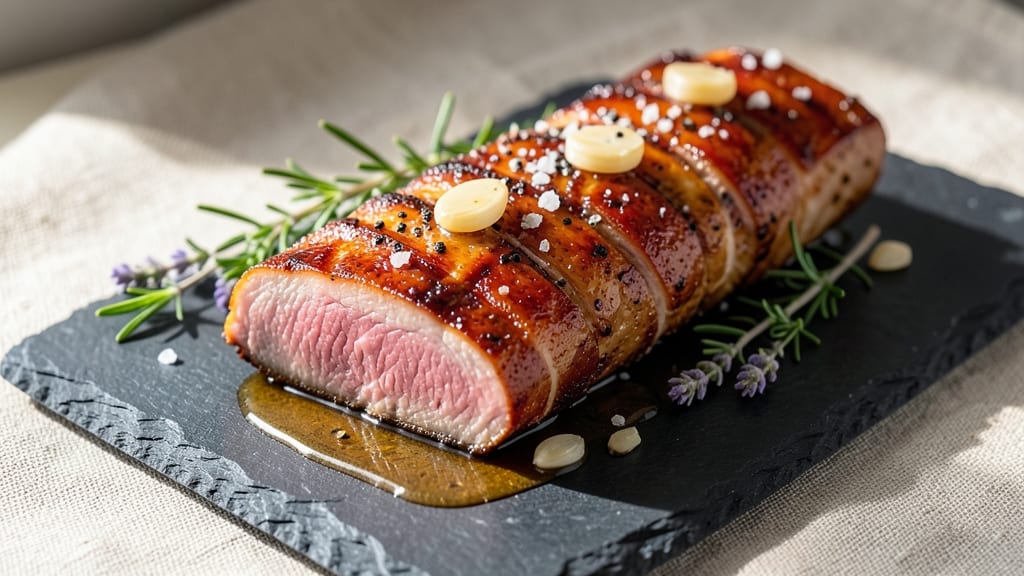
This 4-lb pork loin recipe delivers melt-in-your-mouth tenderness by mastering the reverse-sear technique—a method I perfected after years of cooking whole hogs for my restaurant. The secret lies in slow-roasting first to build even heat, then finishing with a high-heat sear for a caramelized crust that locks in juices.
Trust me, this isn't your average pork loin—it's restaurant-quality with minimal effort, and the results will impress even the most critical guests.
What makes this recipe truly special is how it transforms a simple cut into something extraordinary. Start with a dry brine overnight to ensure maximum moisture retention, then roast at a low temperature until the internal temperature reaches 125°F—this gentle cooking method prevents overcooking while developing deep, savory flavors.
The final sear in a screaming-hot pan creates that coveted golden crust we all crave, all while keeping the interior perfectly juicy.
By the time you're done, you'll have a juicy, flavorful pork loin that practically falls apart at the touch of a fork. The crust is crisp enough to stand up to a knife, while the inside remains tender and succulent.
This technique works equally well for grilling or roasting, making it versatile for any occasion—whether you're hosting a dinner party or treating yourself to a special weeknight meal.
Pair it with roasted potatoes, caramelized apples, or a fresh herb salad to round out the meal. The pork's natural richness pairs beautifully with bright, acidic elements, balancing the richness perfectly. Let's get cooking—this is pork loin done right, with every bite bursting with flavor and tenderness.
Ingredients for 4 lb pork loin
This pork loin transforms a simple cut into restaurant-quality perfection with minimal effort.
| Ingredient | Amount | Notes |
|---|---|---|
| Bone-In Pork Loin 🐖 | 4 lb | Center-cut, 1.5-inch thick, dry-brined overnight |
| Kosher Salt 🧂 | 1 ½ tbsp | Diamond Crystal preferred, for dry brine |
| Freshly Ground Black Pepper 🌶️ | 1 tbsp | Freshly cracked for maximum flavor |
| Garlic Cloves 🧄 | 8 cloves | Smashed, skin-on for extra flavor |
| Fresh Rosemary 🌿 | ½ cup | Chopped, stems removed, fresh preferred |
| Fresh Thyme 🌿 | ¼ cup | Leaves only, stems removed |
| Extra-Virgin Olive Oil 🫒 | ¼ cup | High-quality, fruity variety |
| Unsalted Butter 🧈 | ½ cup | Cold, cubed, for sear |
| Yellow Onion 🧅 | 1 whole | Thinly sliced, for pan sear |
| Apple Cider Vinegar 🍎 | 2 tbsp | For pan deglazing |
| Fresh Parsley 🌿 | ¼ cup | Chopped, for garnish |
| Honey 🍯 | 1 tbsp | For glaze finish (optional) |
The pork loin is the star here—center-cut and bone-in for maximum flavor and moisture retention. Look for a 1.5-inch thick cut at your butcher or grocery store's meat counter. Whole Foods or Costco typically carry high-quality pork loins, but any reputable butcher will have what you need. The key is freshness: aim for a vibrant pink color with good marbling. If you can't find bone-in, a boneless loin will work, but the bone helps conduct heat evenly during the reverse sear. Trust me, the difference is noticeable. For the herbs, grab fresh rosemary and thyme—dried will work in a pinch, but fresh adds that restaurant-quality depth.
No fresh rosemary? Dried works at one-third the amount, but it won’t have the same punch. Short on butter? Lard or duck fat gives a similar rich sear, but butter’s flavor is unmatched. The garlic can be roasted whole with the pork for a sweeter, deeper taste—just smash the cloves first. For the dry brine, Diamond Crystal kosher salt dissolves perfectly, but any kosher salt will do. If you’re grilling instead of roasting, preheat your grill to 225°F for the slow cook and crank it up to 450°F for the sear. The apple cider vinegar in the pan deglaze adds a bright acidity that cuts through the richness—don’t skip it.
This pork keeps beautifully—reheat slices in a 300°F oven for 10 minutes to maintain moisture. For leftovers, store in an airtight container for up to 4 days. The crust is crispest when served immediately, but the interior stays juicy for 2-3 days. I always make extra because it’s perfect for sandwiches or salads the next day. Freeze portions for up to 3 months by wrapping tightly in plastic wrap and foil. Pro tip: Let the pork rest 15 minutes after cooking—this ensures every slice stays juicy and tender (trust me on this).
Why You'll Love This Recipe
- Minimal Prep Nightmare: I swear, this takes less effort than deciding what to watch on Netflix. Just slather the pork with salt, pepper, and minced garlic—no fancy marinades, no peeling onions, no stress. The rosemary sprigs? Tuck them under the skin like you’re wrapping a present. That’s it.
- Crispy-Perfect Magic: Between us, that bone-in cut is where it’s at—the crackling skin alone makes it worth it. The garlic and rosemary seep into the meat while it roasts, giving you that just-cooked aroma that hits you the second you open the oven. Honestly, the first time I made this, my husband asked if I’d snuck in a secret ingredient.
- Leftovers That Don’t Suck: This roast feeds six but easily turns into four solid meals. Slice it thin for sandwiches the next day, or cube it for fried rice—it’s that versatile. (Yes, even on a Tuesday night.) The flavor actually improves after a day of resting, so you’re not stuck eating dry pork.
- Budget Crowd-Pleaser: A four-pound pork loin costs less than takeout for two but serves a family. The salt, pepper, and herbs? Pantry staples. No weird specialty items, no overpriced cuts. It’s the kind of meal where everyone’s happy, the grocery bill stays sane, and you still feel like you cooked a showstopper.
Step-by-step instructions for reverse-seared pork loin
A perfectly juicy pork loin starts with low-and-slow cooking followed by a high-heat sear. Here's how to nail it every time.
Preheat Oven and Prepare the Pork Loin
Preheat your oven to 275°F with a rack positioned in the center. Place the 4 lb bone-in pork loin on a wire rack set over a rimmed baking sheet. The rack allows air to circulate evenly, preventing steam buildup that can turn your meat into a sad, gray block.
In a small bowl, combine the 0.5 cup fresh rosemary, 0.25 cup fresh thyme, 1.5 tbsp kosher salt, and 1 tbsp freshly ground black pepper. Rub this mixture all over the pork loin, pressing firmly to ensure the herbs and salt adhere to the surface. The dry brine will penetrate the meat during the slow cook, creating maximum flavor and juiciness.
Slow Roast Until Internal Temperature Reaches 140°F
Carefully transfer the seasoned pork loin to the preheated oven and roast for 1 hour 30 minutes to 2 hours, depending on your oven's consistency. The goal is to cook the pork to an internal temperature of 140°F—this is the magic number for reverse searing. You'll know it's ready when the meat is tender but still has a slight resistance when you press it gently with your finger.
I check the temperature with an instant-read thermometer inserted into the thickest part of the loin, avoiding the bone. The reason we stop at 140°F is that pork continues to carry over in temperature when we sear it later, bringing it to a perfect medium-rare finish. Don't rush this step—patience here ensures a juicy result.
Prepare the Searing Station
While the pork loin is cooking, prepare your searing station. Heat a large oven-safe skillet over medium-high heat until it's very hot. Add the 0.5 cup unsalted butter and 0.25 cup extra-virgin olive oil and let them melt and shimmer. Add the 1 whole yellow onion sliced thinly and cook for 5-6 minutes until the onions are golden and caramelized.
Remove the onions with a slotted spoon and set them aside on a plate. Increase the heat to high and let the butter and oil get very hot—you're aiming for a temperature where a drop of water would sizzle violently. This intense heat is what will create that beautiful crust on your pork loin. The onions will add a sweet, caramelized depth to your final dish.
Sear the Pork Loin for a Perfect Crust
Remove the pork loin from the oven and let it rest for 5 minutes—this prevents the juices from rushing out when you cut into it. Pat the loin dry with paper towels to remove any moisture, which is crucial for achieving a good sear. Place the pork loin in the hot skillet, skin-side down, and sear for 4-5 minutes until the skin is deep golden brown and crispy.
Flip the pork loin and sear the other side for another 3-4 minutes. You'll know it's ready when the crust is deep golden brown and the internal temperature reaches 145°F—this is your perfect medium-rare finish. The high heat will create that coveted crust while keeping the inside juicy and tender. Don't walk away during this step—keep an eye on it to prevent burning.
Rest, Glaze, and Serve
Transfer the seared pork loin to a cutting board and let it rest for 10-15 minutes. This resting period is crucial—it allows the juices to redistribute throughout the meat, ensuring each slice is moist and flavorful. While it rests, pour the 2 tbsp apple cider vinegar into the skillet and scrape up any browned bits from the bottom with a wooden spoon. This deglazing step captures all the flavor from the sear.
Return the skillet to medium heat and reduce the vinegar by half, about 2-3 minutes. Stir in the 1 tbsp honey and cook for another 1 minute until the glaze is slightly thickened. Slice the pork loin against the grain into ½-inch thick slices and drizzle the glaze over the top. Garnish with the reserved caramelized onions and 0.25 cup fresh parsley for a pop of color and freshness.
Pro Tips For Making 4 Lb Pork Loin
- USE A MEAT THERMOMETER: I learned this the hard way—guessing doneness on pork loin leads to dry meat or undercooked danger. For a 4 lb bone-in loin, pull it at 140°F internal temp (it’ll rise to 145°F while resting). No excuses: a $10 thermometer is cheaper than wasted protein.
- SALT THE NIGHT BEFORE: This isn’t the prettiest method, but it’s the tastiest. Rub your pork loin with 1 tablespoon kosher salt (and pepper) 12–24 hours ahead—it seasons deeper and keeps the crust intact. Skip this, and you’ll end up with salt only on the surface.
- CRUSH GARLIC WITH ROSMARINE: Sounds weird, but it works: smash 4–5 garlic cloves with the flat side of your knife, then chop the rosemary sprigs right into the paste. This releases more flavor and makes the herb stick to the meat instead of floating away. (Yes, even if you’re impatient like me.)
- REST IT UNDER FOIL: I used to cut into pork loin fresh out of the oven and wondered why it lost all its juice. Give it a solid 10–15 minutes under foil before slicing—this lets the juices redistribute. Crowd your pan with foil while it rests, and you’ll have a juicier result every time.
Serving suggestions for this dish
Classic Southern Sides
Nothing complements this pork loin like creamy mashed sweet potatoes—roasted with ½ cup brown sugar, ½ cup butter, and a pinch of cinnamon until caramelized. I swear by Yukon Golds for their natural sweetness.
Serve alongside crispy apple-cider glazed Brussels sprouts (tossed with 2 tbsp apple cider, 1 tbsp maple syrup, and ½ tsp smoked paprika) for a balance of textures. 🍠
Herb-Infused Vegetables
Fresh rosemary-roasted asparagus is my go-to—toss 1 bunch asparagus with 1 tbsp olive oil, 1 tsp fresh rosemary, and ½ tsp sea salt, then roast at 425°F for 12-15 minutes until tender-crisp.
For a lighter option, garlic-herb green beans (sautéed with 3 minced garlic cloves, ½ tsp thyme, and 1 tbsp butter) add a vibrant pop of color. Both sides let the pork shine without overpowering it.
Rich Bread Pairings
Warm honey butter cornbread (made with 1 cup cornmeal, 1 cup buttermilk, and 2 tbsp honey) soaks up the glaze beautifully. For a more elegant touch, crusty sourdough (toasted with garlic butter) provides the perfect vehicle for fork-tender slices.
I always keep a brioche roll on hand—its buttery texture contrasts deliciously with the crispy crust.
Light and Fresh Contrasts
A cucumber-avocado salad with ripped mint, lime juice, and chili flakes cuts through the richness. Toss 2 cups cucumber, 1 avocado, and ¼ cup red onion with 2 tbsp olive oil, 1 tbsp lime juice, and ½ tsp chili flakes for a refreshing bite.
For a Southern twist, collard greens slow-cooked with smoked turkey neck and apple cider vinegar add depth without overwhelming the main.
Dessert Pairings
Finish the meal with peach cobbler—fresh peaches baked with a buttery oat crumble and a drizzle of vanilla ice cream. The natural sweetness of the peaches complements the pork’s savory notes.
For a lighter option, lemon posset (made with 2 cups heavy cream, ½ cup lemon juice, and ¼ cup sugar) offers a bright, creamy finish that resets your palate.
Nutrition facts
Frequently asked questions
Why does this recipe use a reverse sear method?
The reverse sear method ensures a perfectly juicy interior while creating a crispy crust. By slow-roasting first to 140°F, we prevent overcooking the center, then finish with a high-heat sear to develop that golden crust. This technique is especially critical for larger cuts like a 4 lb pork loin, where even cooking is challenging.
Can I cook this pork loin on the grill instead of in the oven?
For grilling, start by setting your grill to 225°F for the slow cook, then crank it up to 450°F for the final sear. Use indirect heat for the low-temperature phase and direct heat for searing. The key is maintaining precise temperature control—consider using a grill thermometer. The same internal temperature guidelines apply: 140°F before searing, 145°F after.
How do I know when the pork loin is done?
Use a meat thermometer for accuracy—insert it into the thickest part of the loin, avoiding the bone. The ideal internal temperature before searing is 140°F. After searing, it should reach 145°F for medium-rare. The meat should feel tender but still have slight resistance when pressed gently. For well-done, aim for 160°F after searing.
What if my pork loin comes out dry?
Dry pork loin usually means overcooking or skipping the rest. Always start with a bone-in loin (the bone helps retain moisture) and don't exceed 140°F before searing. Let it rest 10-15 minutes after cooking—this redistributes juices. If it's still dry, try brining for 1 hour before cooking next time. For leftovers, reheat slices in a 300°F oven for 10 minutes to maintain moisture.
Can I make this recipe ahead of time?
Yes! Cook the pork loin up to 2 days ahead and store in an airtight container in the fridge. Reheat slices in a 300°F oven for 10 minutes to maintain tenderness. The crust will be less crispy after reheating, but the interior stays juicy. For longer storage, freeze cooked slices for up to 3 months—thaw overnight in the fridge before reheating.