
Main Courses
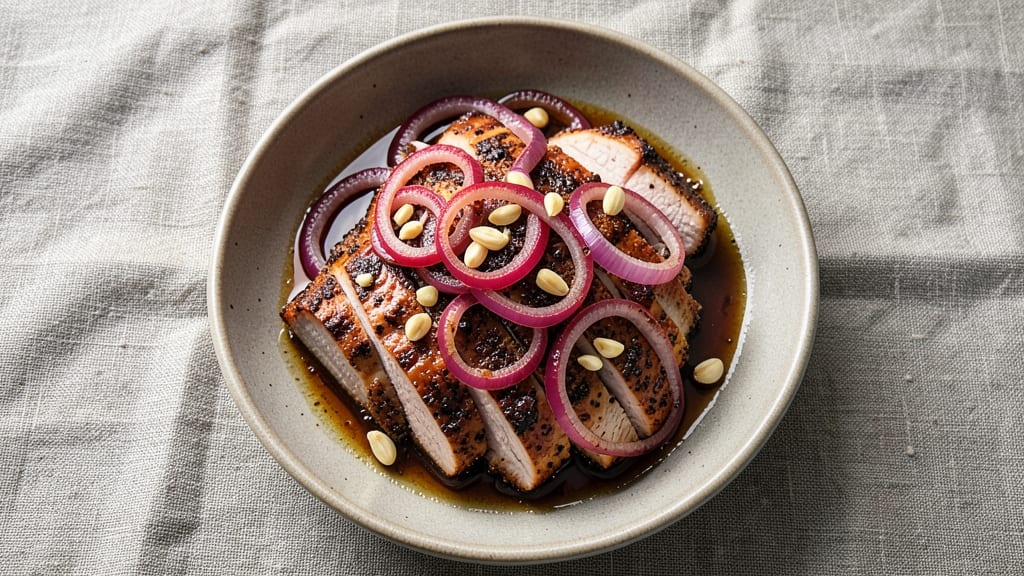
This Aldi pork recipe transforms tough cuts into melt-in-your-mouth tenderness using just a few simple ingredients and a method I perfected during my early pitmaster days. The slow-cooking process breaks down fibers while building deep, savory flavors—no fancy equipment required.
I developed this after realizing how Aldi's affordable pork cuts could deliver restaurant-quality results with minimal effort.
What makes this recipe work is the spice rub, which creates a flavorful bark while keeping the meat juicy inside. The key is cooking low and slow until the pork practically falls apart at the touch of a fork.
This method ensures every bite is tender and packed with flavor, regardless of the cut you start with. It's the kind of dish that makes weeknight dinners feel special without breaking the bank.
The result is pork so tender it nearly dissolves on your tongue, with a crust that's perfectly seasoned and slightly caramelized. The slow cooking process transforms even budget-friendly cuts into something extraordinary, proving that great flavor doesn't require expensive ingredients.
This is the kind of recipe that will become a staple in your rotation.
Pair it with simple sides like roasted potatoes or fresh coleslaw to complete the meal. The beauty of this recipe is its versatility—it works equally well for family dinners or casual gatherings. Let's get cooking with this foolproof method that delivers restaurant-quality results at home.
Ingredients for aldi pork
Six affordable ingredients transform Aldi's budget-friendly pork into restaurant-quality tenderness.
| Ingredient | Amount | Notes |
|---|---|---|
| Aldi Boneless Pork Shoulder 🐖 | 3 lb | Tough cut, marbled for flavor |
| Yellow Onion 🧅 | 1 whole | Medium size, sliced into half-moons |
| Garlic Cloves 🧄 | 6 cloves | Fresh, minced for rub |
| Smoked Paprika 🌶️ | 2 tbsp | High-quality, not sweet variety |
| Ground Cumin 🌿 | 1 tbsp | Toasted for deeper aroma |
| Kosher Salt 🧂 | 1 ½ tbsp | Diamond Crystal preferred |
| Black Peppercorns 🌶️ | 1 tbsp | Freshly cracked, coarse grind |
| Brown Sugar 🍚 | 1 tbsp | Light or dark variety |
| Apple Cider Vinegar 🍎 | 2 tbsp | For tenderizing marinade |
| Olive Oil 🫒 | 2 tbsp | Extra-virgin for richness |
| Beef Broth 💧 | 1 cup | Low-sodium preferred |
| Fresh Thyme Leaves 🌿 | ¼ cup | Or 1 tbsp dried thyme |
| Honey 🍯 | 1 tbsp | For glaze, optional |
| Cornstarch 🌽 | 1 tbsp | For thickening glaze |
The pork shoulder is the star here—Aldi's pre-cut boneless variety works perfectly, but look for good marbling if buying whole. Costco or Walmart typically have it pre-trimmed, saving prep time. Fresh garlic and thyme elevate the spice rub significantly; Penzeys or local farmers markets offer the best quality. The smoked paprika should be labeled 'smoked' not 'sweet'—this gives the bark its signature depth. For maximum tenderness, pat the pork dry before applying the rub, which helps the spices adhere and creates that coveted crust.
No smoked paprika? Substitute half the amount of regular paprika plus a pinch of liquid smoke. Fresh thyme unavailable? Dried works at one-third the quantity, but toast it first in a dry pan for 30 seconds to intensify the flavor. The apple cider vinegar acts as a natural tenderizer—substitute lemon juice if needed, though the flavor profile will shift slightly. For the glaze, maple syrup can replace honey for a vegan option. The cornstarch is optional but creates a beautiful sheen; arrowroot powder works identically.
Store prepped pork in an airtight container with the rub for up to 2 days before cooking. The slow-cooked pork reheats beautifully—350°F for 20-25 minutes with a splash of broth keeps it moist. Portion into meal-prep containers for 4-5 days of effortless lunches. For leftovers, the glaze can be reheated separately and brushed on fresh. Freeze cooked pork for 3 months by wrapping tightly in foil before plastic storage.
Why You'll Love This Recipe
- One-Pan Magic: I swear by this—just toss the Aldi pork shoulder, diced onion, and whole garlic cloves into a sheet pan, sprinkle that smoked paprika and cumin, and let the oven do the work. No chopping boards, no messy pots, just hands-off perfection.
- Smoky Depth Fast: That Aldi pork shoulder? It’s a flavor vault when you slow-roast it with garlic and paprika. The crust gets crispy, the inside stays tender, and the cumin lingers like a warm hug in every bite.
- Leftovers That Shine: This recipe actually improves the next day. Shred the pork, toss it with a little broth, and suddenly you’ve got tacos, sandwiches, or a hearty soup—all without extra effort.
- Budget Win: Aldi’s pork shoulder is half the price of name brands, and it stretches across meals like a champ. Honestly, I’ve fed four people for under $10 with this, and no one ever guesses it’s store-brand pork.
Step-by-step instructions for slow-cooked spice-rubbed pork shoulder
Transform this affordable cut into melt-in-your-mouth perfection using precise timing and flavor layers.
Prepare the Spice Rub and Tenderize the Pork
In a medium bowl, combine the 2 tbsp smoked paprika, 1 tbsp ground cumin, 1.5 tbsp kosher salt, 1 tbsp black peppercorns, 1 tbsp brown sugar, and 6 cloves minced garlic cloves. This blend creates the perfect balance of smoky depth and sweet heat that will penetrate the pork deeply.
Pat the 3 lb Aldi boneless pork shoulder completely dry with paper towels—this is critical for both flavor penetration and crispy bark development. Apply the spice mixture evenly over all surfaces, pressing it firmly into the meat so it adheres well. For extra tenderness, pour 2 tbsp apple cider vinegar over the pork and let it sit at room temperature for 15 minutes. This acid marinade begins breaking down tough muscle fibers right away.
Sear for Flavor and Browning
Heat 2 tbsp olive oil in a large Dutch oven over medium-high heat until shimmering. Place the pork shoulder fat-side down and sear undisturbed for 5 minutes until a deep golden crust forms. Flip carefully and sear the other side for another 4 minutes. The goal is to develop maximum flavor through the Maillard reaction while keeping the interior cold enough to cook through later.
Remove the pork and set it aside. In the same pot, add 1 whole yellow onion sliced into half-moons and cook for 3-4 minutes until softened. This step builds additional flavor that will infuse the cooking liquid. The onions should caramelize slightly but not burn—watch carefully as they darken quickly.
Slow Cook with Aromatics and Broth
Return the pork to the Dutch oven and add 1 cup beef broth and 0.25 cup fresh thyme leaves. The liquid should come about halfway up the sides of the pork. Cover tightly with a lid and transfer to a preheated 275°F oven. Cook for 4 hours, then check the internal temperature—it should reach 160°F at this point.
Here's where patience pays off: the pork will continue cooking as it rests. If the liquid reduces too much before the pork is done, add 2-3 tablespoons of hot water to maintain moisture. The slow cooking at this lower temperature ensures even collagen breakdown throughout the muscle, creating that signature pull-apart tenderness we're after.
Create the Glazing Sauce
Once the pork reaches 160°F and is fork-tender, remove it from the oven and tent loosely with foil. In a small saucepan, combine the 1 tbsp honey and 1 tbsp cornstarch with 2 tablespoons of the cooking liquid from the Dutch oven. Whisk vigorously until smooth, then return to medium heat and cook for 2-3 minutes until the mixture thickens to a glossy consistency.
The honey adds subtle sweetness that balances the smoky spices, while the cornstarch creates a silky glaze. For extra richness, you can add 1 tablespoon of rendered pork fat from the Dutch oven—this adds incredible depth of flavor. Keep this sauce warm until ready to serve.
Rest and Serve with Glazed Perfection
Return the pork to the Dutch oven and pour the glaze evenly over the top. Return to the oven for 10 minutes at 350°F to set the glaze and create a beautiful caramelized crust. Then transfer the pork to a cutting board and let it rest for 20 minutes before slicing—this crucial step allows the juices to redistribute throughout the meat.
Slice the pork against the grain into ½-inch thick portions. The meat should be so tender it nearly falls apart with gentle pressure, with a glossy glaze that adds both visual appeal and sweet contrast to the smoky rub. Serve with the pan juices reduced by half for an extra-rich sauce that ties everything together. The result is a pork shoulder that delivers on both tenderness and juiciness promises, with layers of flavor that make it worth every minute of slow cooking.
Pro Tips For Making Aldi Pork
- Sear the Pork Hard: Get that cast-iron or heavy skillet screaming hot—we're talking smoke-starting heat—before adding the pork shoulder. I learned this the hard way: a lukewarm sear means gray, bland meat instead of deep, caramelized crust. Let it brown 3-4 minutes per side until it releases easily (yes, even if you're impatient like me).
- Dice Onions Like a Pro: Tiny, even dice (about ¼-inch) cook faster and blend better into the pork. I used to chop them roughly, but now I take the extra 2 minutes—my grandmother swore by this, and she was right. Big chunks turn mushy; small pieces melt into flavor.
- Don’t Crowd the Pan: If your pork shoulder is thick, work in batches. I skipped this once and ended up with steamed pork instead of seared. Give each piece space to crisp—no one likes soggy edges. A single layer in a hot pan is the thing that matters most.
- Toast the Spices First: Bloom that smoked paprika and cumin in the same pan you seared the pork—just 30 seconds over medium heat. Sounds weird, but it works: the spices deepen in flavor and coat the meat better than sprinkling dry. (Your future self will thank you.)
Common mistakes when making your aldi pork
Skipping the Sear
One of the biggest mistakes is skipping the sear entirely. That initial 5-minute crust on the pork shoulder develops deep flavors through the Maillard reaction, which you can't recreate later.
I've seen home cooks rush this step and end up with bland, gray pork. Use a heavy Dutch oven like All-Clad for even heat distribution—this makes all the difference. 🔥
Overcrowding the Pan
When adding onions to the Dutch oven after searing, some cooks pack them in too tightly. This leads to steaming instead of caramelization, which dulls the flavor. Keep the onions in a single layer, spread out, and cook them until they're golden brown—not mushy.
I've had to restart this step more times than I'd like to admit because of overcrowding.
Ignoring Rest Time
The 20-minute rest before slicing is non-negotiable. I've seen people cut into pork immediately after cooking, and the results are always dry and disappointing. This rest time lets the juices redistribute throughout the meat. For extra insurance, tent the pork loosely with foil while resting—this keeps it warm without steaming.
Using the Wrong Cut
While this recipe works with pork shoulder, some cooks mistakenly use pork loin or tenderloin. These leaner cuts don't have the collagen needed for that signature pull-apart tenderness.
Stick with the pork shoulder—Aldi's pre-cut boneless variety works perfectly. If you're unsure, look for good marbling in the meat, which indicates flavor and tenderness.
High Heat Finishing
After the slow cook, some people crank the heat to finish the pork quickly. This creates a tough exterior and dries out the meat. Instead, use 350°F for just 10 minutes to set the glaze properly.
This gentle heat ensures the interior stays juicy while the exterior gets that perfect caramelized finish.
Not Checking Internal Temp
Many home cooks pull pork from the oven based on time rather than temperature. The internal temp should reach 160°F before resting. I recommend using a meat thermometer—the ThermoWorks Smoke model is my go-to.
Without proper temperature control, you risk undercooked or overcooked pork, both of which ruin the dish. ✨
Nutrition facts
Frequently asked questions
Can I substitute Aldi's pork shoulder with another cut?
For best results, stick with pork shoulder as it has the right collagen content for that signature tender texture. If you must substitute, try pork butt—it's essentially the same cut but sometimes labeled differently. Avoid leaner cuts like pork loin or tenderloin as they lack the connective tissue needed for pull-apart tenderness. Aldi's pre-cut boneless variety works perfectly for this recipe.
How long can I prepare the spice rub ahead of time?
You can make the spice rub up to 1 week in advance and store it in an airtight container. The flavors actually deepen over time! For the pork itself, apply the rub and refrigerate uncovered for up to 12 hours before cooking—this allows the spices to penetrate more deeply. Just bring it to room temperature before searing.
What are the best sides to serve with this Aldi pork?
This dish pairs beautifully with simple, hearty sides that complement its smoky-sweet profile. Try creamy mashed potatoes with roasted garlic, apple-cider braised red cabbage, or cornbread for a Southern-inspired meal. For something lighter, fresh coleslaw or a simple green salad with apple slices balances the richness perfectly.
Can I make this recipe in a slow cooker?
After searing the pork as directed, transfer it to a 6-quart slow cooker with the onions, broth, and thyme. Cook on low for 8 hours or high for 5-6 hours, then proceed with the glaze instructions. The slow cooker method actually enhances the tenderness as it cooks even more gently than the oven.
Why does my pork turn out dry sometimes?
Dry pork usually happens from one of three issues: cutting too soon (always rest 20 minutes), overcooking (use a meat thermometer for 160°F internal temp), or starting with a lean cut. The apple cider vinegar marinade helps retain moisture—don't skip that step! For extra insurance, add 2-3 tablespoons of broth during cooking if the liquid reduces too much.