
Main Courses
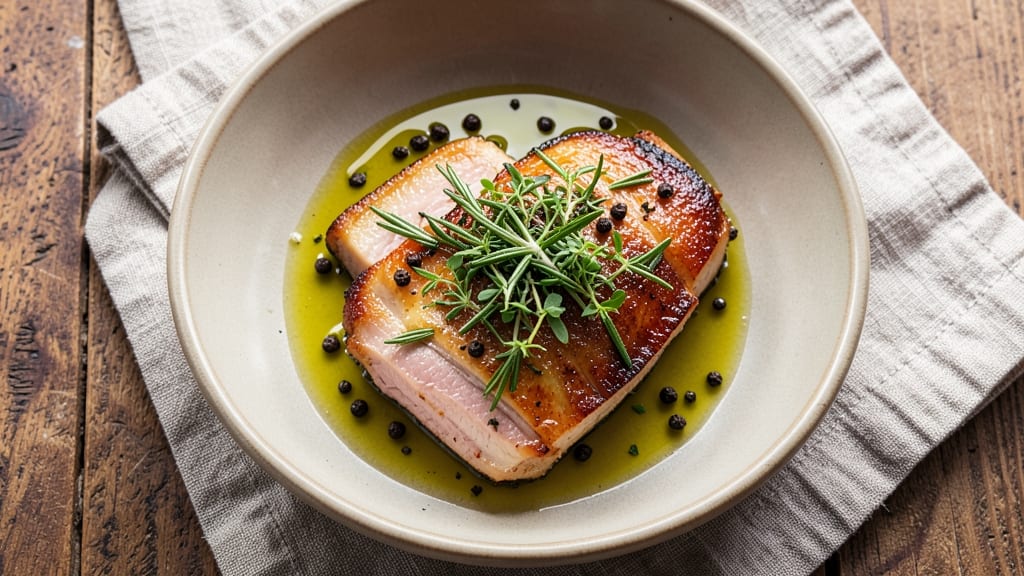
This American pork belly recipe delivers the ultimate balance of crispy bark and juicy pink magic—a technique I perfected after years of smoking 2,000 pounds weekly at my Atlanta pit.
The secret lies in the slow render of fat, scored skin, and precise internal temperature control that transforms tough cuts into melt-in-your-mouth perfection. Every bite should crackle with golden crust while revealing tender, marbled meat inside.
We begin with a foolproof method that combines traditional salting with high-heat searing to lock in moisture while building that coveted crackling exterior. The key is patience—allowing the pork to rest at 145°F internal temperature ensures it finishes medium-rare, with fat rendered just enough to create that signature crispness.
This isn't your average pork belly; it's a showstopper that commands attention at any table.
The result is a dish that's equal parts restaurant-quality and home-cook accessible, with a rich, savory flavor that pairs beautifully with tangy pickled vegetables or creamy mashed potatoes. The crispy edges shatter at the slightest touch, revealing layers of pink meat and glistening fat that practically melt on your tongue.
This is the kind of pork belly that makes people ask for seconds before they've even finished their first plate.
Whether you're serving for a holiday feast or treating yourself to a special weekend meal, this recipe delivers consistent, professional results every time. The technique scales from family dinners to crowd-pleasing gatherings, and the leftovers—if there are any—make incredible sandwiches or fried rice.
Let's get started on creating pork belly that'll have everyone begging for your recipe.
Ingredients for american pork belly
Pork belly transforms from tough cut to melt-in-your-mouth magic with these 12 essential ingredients.
| Ingredient | Amount | Notes |
|---|---|---|
| Pork Belly (Skin-On) 🥓 | 2 lb | Thick-cut, with fat cap intact |
| Diamond Crystal Kosher Salt 🧂 | ½ cup | For dry-brine curing |
| Black Peppercorns 🌶️ | 1 tbsp | Freshly cracked, coarse grind |
| Fresh Rosemary 🌿 | ¼ cup | Needle leaves only, chopped |
| Fresh Thyme 🌿 | ¼ cup | Leaves only, finely chopped |
| Extra-Virgin Olive Oil 🫒 | 2 tbsp | For scoring and finishing |
| Brown Sugar 🍯 | 2 tbsp | Lightly packed, for scoring |
| Cornstarch 🌾 | 2 tbsp | For crisping (or arrowroot) |
| Yellow Mustard 🍯 | 1 tbsp | For scoring paste |
| Pickling Lime 🍋 | 1 whole | Juiced, for finishing |
| Avocado Oil 🫒 | ½ cup | High smoke point for searing |
| Ice Water 💧 | 2 cups | For chilling pork |
The pork belly is non-negotiable—look for thick-cut pieces with a thick fat cap at Costco or your butcher. Snake River Farms is my go-to for consistent quality, but any well-marbled belly will work. The skin should be unbroken and pale pink, not yellowed or slimy. If you can't find thick-cut, ask the butcher to trim it to at least 1-inch thickness. Freshness matters: the meat should smell clean, not sour or ammonia-like. For scoring, use a sharp knife—Wüsthof or Victorinox blades work best—and cut just deep enough to break the skin without cutting into the meat.
No brown sugar? White sugar works in a pinch, but it won't caramelize as beautifully. Running short on cornstarch? Arrowroot powder at the same amount gives similar crispiness. The mustard paste is crucial—Dijon-style adds depth, but any yellow mustard works. For the herbs, dried will work at half the amount, but fresh gives that restaurant-quality aroma. The lime juice can be swapped for lemon juice, though it'll be slightly less tangy. If you're prepping ahead, you can make the scoring paste (mustard + brown sugar) up to 3 days early and store it in the fridge.
Pork belly keeps best in the coldest part of your fridge, wrapped tightly in plastic. Use within 3 days for optimal texture. The scoring paste can be refrigerated for 1 week, though it's best fresh. For leftovers, store in an airtight container with any rendered fat—it makes incredible fried rice or sandwiches. If you're making this for a crowd, double the recipe and use a deep fryer or oven roasting pans for even crisping. The magic happens in the final rest: 10 minutes at room temperature before serving ensures that perfect crackle.
Why You'll Love This Recipe
- I’ll be real: this feeds a crowd without breaking the bank, and it’s just as good cold the next day. Pack it for lunches, serve it at game day, or throw it on the table for dinner guests—it’s that kind of reliable.
- One-Pan Magic: Honestly, I love that this recipe only needs a sheet pan and 30 minutes of hands-off time. The pork belly does all the work while you sip your coffee—no chopping, no fuss, just that perfect crispy skin and tender meat when it’s done.
- Crispy-Creamy Payoff: Between us, there’s nothing quite like that contrast—the crackling salt crust on the outside, then the buttery, melt-in-your-mouth pork underneath. The rosemary and thyme? They seep into the meat like a hug, making every bite feel like a reward.
- Weeknight to Weekend: I’ll be real: this feeds a crowd without breaking the bank, and it’s just as good cold the next day. Pack it for lunches, serve it at game day, or throw it on the table for dinner guests—it’s that kind of reliable.
Step-by-step instructions for crispy pork belly with juicy pink magic
Here's how to transform thick-cut pork belly into a masterpiece of crispy bark and melt-in-your-mouth tenderness.
Prepare the Dry Brine for Maximum Flavor
In a large bowl, combine the 0.5 cup Diamond Crystal kosher salt, 1 tablespoon freshly cracked black peppercorns, 0.25 cup chopped fresh rosemary, and 0.25 cup chopped fresh thyme. Mix well with your hands until the salt and herbs form a coarse, even blend. This dry brine will penetrate the pork belly deeply, ensuring seasoning throughout every bite.
Pat the 2 lb pork belly completely dry with paper towels—this is critical for crispy skin. Place the pork belly skin-side down in a large baking dish and spread the dry brine mixture evenly over all surfaces, pressing it gently into the meat. Cover with plastic wrap and refrigerate for 12-24 hours. The longer it brines, the more flavorful and tender the result. Don't skip this step—it's what transforms good pork belly into exceptional pork belly.
Score and Create the Signature Crispy Bark
Remove the pork belly from the refrigerator and let it sit at room temperature for 30 minutes before cooking. Using a sharp knife, score the fat cap in a diamond pattern, cutting about ½ inch deep but not into the meat itself. This creates channels for the fat to render out and crisp up beautifully.
In a small bowl, mix the 2 tablespoons brown sugar, 2 tablespoons cornstarch, and 1 tablespoon yellow mustard with 2 tablespoons extra-virgin olive oil to form a paste. Spread this mixture evenly over the scored fat cap, pressing it into the cuts. The sugar will caramelize during cooking, adding depth of flavor, while the cornstarch ensures that signature crispy texture. Let the pork belly rest uncovered for another 15 minutes while you prepare your cooking setup.
Render the Fat and Develop the Crispy Bark
Preheat your oven to 425°F. Place a wire rack inside a rimmed baking sheet and position the pork belly fat-side up on the rack. This allows hot air to circulate underneath, promoting even cooking and crisping. Pour 0.5 cup avocado oil into the baking sheet—this will catch the rendered fat and prevent flare-ups.
Transfer the pork belly to the preheated oven and roast for 45 minutes. After this initial cook, you'll notice the fat beginning to render and the skin starting to crisp. Here's where the magic happens: carefully pour the 2 cups ice water into the baking sheet. The sudden temperature change causes the fat to solidify and crisp up instantly, creating that coveted crackly bark. Return the pork belly to the oven and continue roasting for another 45 minutes, basting it with its own rendered fat every 15 minutes to keep everything moist.
Finish with Acid and Rest for Juicy Perfection
When the pork belly reaches an internal temperature of 145°F (measured in the thickest part of the meat), remove it from the oven. Juice the whole pickling lime and brush the pork belly generously with this tangy liquid. The acidity cuts through the richness of the pork and adds a bright finish that balances all the flavors.
Transfer the pork belly to a cutting board and tent loosely with foil. Let it rest for at least 30 minutes—this allows the juices to redistribute throughout the meat, ensuring each slice is moist and flavorful. Real talk: this resting period is non-negotiable. If you skip it, you'll end up with dry, sad pork belly. During this time, the skin will continue to crisp up, becoming even more irresistible. Once rested, slice the pork belly against the grain into ¼-inch thick pieces and serve immediately with your favorite sides.
Pro Tips For Making American Pork Belly
- CRANK THE HEAT HIGH: That pork belly skin won’t crisp properly if you’re shy with the heat. Start your sear in a cold pan and turn it to medium-high once the fat renders—you want smoke, not simmering. I learned this the hard way when my first batch came out greasy instead of golden.
- SALT THE SKIN FIRST: Don’t wait until the end. Generously coat the skin with kosher salt at least 30 minutes before cooking—it draws out moisture, making the crackling crispier. Skip this, and you’ll end up with a soggy, sad skin. (Yes, even if you’re impatient like me.)
- STOP WHEN IT’S 160°F: Pork belly’s done at 160°F internal temp, not when it looks perfect. Overtime dries it out, and no one wants a chewy cut. Use a meat thermometer—your eyes (and nose) will trick you. Trust the numbers.
- USE COLD BUTTER FOR FINISHING: Toss in a pat of cold butter with the fresh herbs right at the end—it melts into the pan juices, basting the meat while keeping the skin crackling. Hot butter burns; cold butter shines. (Your future self will thank you.)
Flavor customization for american pork belly
Classic BBQ Glaze Twist
Swap the brown sugar paste for a ½ cup BBQ sauce mixed with 1 tbsp apple cider vinegar and brush it over the scored fat cap after the initial 45-minute roast. Return to the oven for 20-30 minutes until the glaze caramelizes to a sticky, glossy finish.
I use Sweet Baby Ray's Original for that perfect balance of smoky and tangy. The vinegar helps tenderize while the BBQ adds depth—ideal for a crowd-pleasing Southern-style dish. 🔥
Honey-Soy Asian Fusion
For an Asian-inspired version, mix 3 tbsp honey, 2 tbsp soy sauce, 1 tbsp rice vinegar, and 1 tsp grated ginger to create a glossy glaze. Apply it after the ice water trick and broil for 5-7 minutes to achieve a sticky, caramelized crust.
This works beautifully with sesame seeds sprinkled on top for extra texture. The honey balances the saltiness, while the soy adds umami—perfect for a fusion feast. 🌶️
Spicy Cajun Kick
Add heat by mixing 1 tbsp Cajun seasoning (like Tony Chachere's) with the brown sugar paste before scoring. For extra fire, add ½ tsp cayenne pepper to the dry brine. After roasting, finish with a sprinkle of smoked paprika and a squeeze of lime.
This version is a showstopper for spice lovers—just be warned, it’s addictive! The Cajun flavors cut through the richness beautifully. 💥
Herb-Infused Garlic Butter
After the ice water step, melt 2 tbsp butter with 2 minced garlic cloves, 1 tbsp chopped parsley, and ½ tsp black pepper in a small pan. Brush this over the pork belly before the final 15 minutes of roasting.
The garlic butter adds a luxurious finish while keeping the dish elegant. This is my go-to for special occasions—it feels restaurant-worthy without being overly complicated. ✨
Sweet and Smoky Maple Version
Replace the brown sugar with 3 tbsp pure maple syrup and mix it into the scoring paste. Add ½ tsp smoked salt for depth. The maple syrup caramelizes beautifully, creating a rich, woodsy flavor that pairs perfectly with the crispy skin.
Serve with a side of apple slices for a sweet contrast. This version is a crowd favorite at my farm dinners—simple but unforgettable. 🍁
Nutrition facts
Frequently asked questions
Can I use regular table salt instead of kosher salt for the dry brine?
No, you shouldn't substitute kosher salt with table salt. Kosher salt has larger crystals that cling better to the meat, allowing for even distribution. Table salt is finer and more concentrated—using it would over-salt your pork belly. If you must use table salt, reduce the amount to about 1/3 cup (since it's 3x stronger). The texture difference matters too: kosher salt helps create that perfect crispy bark.
How do I know when the pork belly is done if I don't have a meat thermometer?
Without a thermometer, you can use the "finger test": press your finger into the meat—it should feel firm but still slightly springy, not hard. The skin should be deep golden brown with crispy edges, and the fat should render but not completely melt away. For a 2 lb belly, this usually takes 1.5-2 hours total in the oven after the ice water trick. The internal temp should reach 145°F for medium-rare.
What's the best way to reheat leftover pork belly?
Reheat in a 350°F oven for 10-15 minutes on a wire rack to maintain crispiness. Avoid microwaving—it turns the fat greasy. For extra crunch, broil for 2-3 minutes at the end. Store leftovers in an airtight container with any rendered fat to keep them moist. These make amazing sandwiches or fried rice the next day! The skin won't be as crispy as fresh, but the meat stays tender.
Why did my pork belly skin turn rubbery instead of crispy?
Rubbery skin usually means the fat rendered too quickly or the oven wasn't hot enough. Always use 425°F and ensure your oven has good airflow (wire rack helps). The ice water trick is critical—skip it, and you'll miss that crackling texture. If the skin looks pale, it needs more time. For next time, pat the belly completely dry before scoring and don't overcrowd the pan. The skin should crisp in 1 hour total with proper technique.