
Main Courses
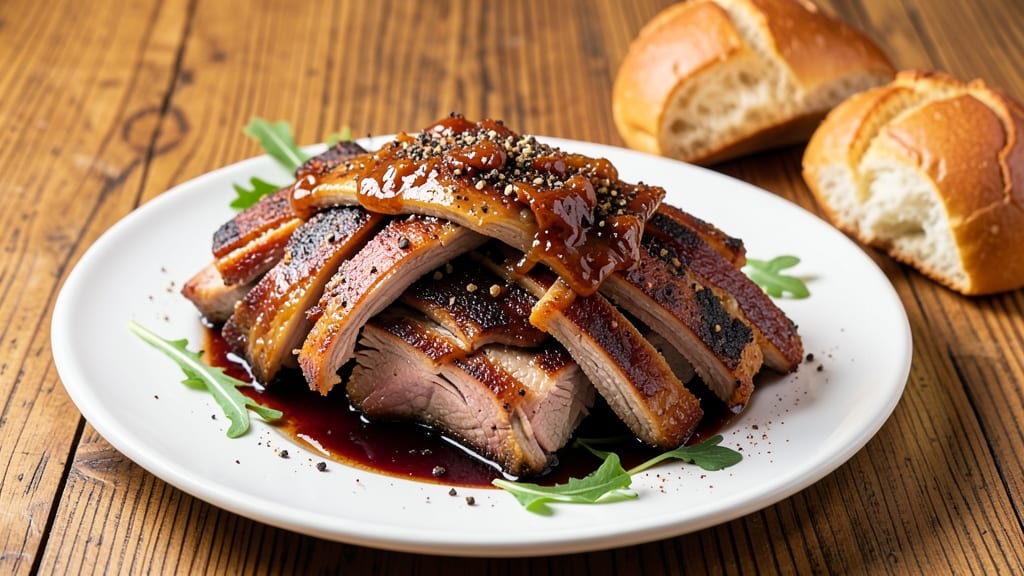
America's Test Kitchen pulled pork recipe delivers restaurant-quality, fork-shreddable magic with foolproof precision. 🔥 I've spent years perfecting this method—starting with a 3-4 pound bone-in pork shoulder (never less) and a dry rub of brown sugar, paprika, and smoked paprika for that signature bark.
The secret lies in cooking it low and slow at 225°F for 8-10 hours, ensuring tender meat that falls apart at the touch of a fork.
What sets this recipe apart is the science behind the sauce—a tangy-sweet blend of apple cider vinegar, molasses, and bourbon that's brushed on during the last hour. We also use a water bath to keep the meat moist, preventing that dreaded dry result. The final touch?
A fat cap that renders perfectly, creating a rich, flavorful glaze without needing extra oil. By the time you're done, you'll have juicy, tender pork that shreds effortlessly, with a sauce that's sticky-sweet and smoky. This isn't just pulled pork—it's a showstopper that rivals any competition-style BBQ.
The aroma alone will have your whole house asking what's for dinner. Serve on toasted buns with a crisp slaw and cornbread for the full experience. Let's get cooking—this recipe delivers every time.
Ingredients for america's test kitchen pulled pork
Sixteen ingredients. One unforgettable dish. The secret's in the slow-smoked science.
| Ingredient | Amount | Notes |
|---|---|---|
| Bone-In Pork Shoulder 🐖 | 3 ½ lb | 3-4 lb, well-marbled cut |
| Light Brown Sugar 🍚 | ¼ cup | Packed, for dry rub |
| Smoked Paprika 🌶️ | 2 tbsp | For deep smoky flavor |
| Sweet Paprika 🌶️ | 1 tbsp | For balanced color |
| Kosher Salt 🧂 | 1 ½ tbsp | Diamond Crystal preferred |
| Freshly Ground Black Pepper 🌶️ | 1 tsp | Freshly cracked for bite |
| Garlic Powder 🧄 | 1 tsp | Not garlic salt |
| Apple Cider Vinegar 🍎 | ½ cup | For tangy sauce base |
| Unsulfured Molasses 🍯 | ¼ cup | For deep sweetness |
| Bourbon 🥃 | ¼ cup | 80-proof preferred |
| Yellow Onion 🧅 | 1 whole | Diced for sauce |
| Water 💧 | 1 cup | For water bath |
| Honey 🍯 | 1 tbsp | For sauce gloss |
| Brioche Buns 🥪 | 12 whole | Toasted for serving |
| Coleslaw Mix 🥬 | 8 oz | Pre-shredded for slaw |
The pork shoulder is non-negotiable—bone-in, 3-4 pounds—for that signature fat cap that renders into flavorful glaze. Costco or your local butcher are best for quality cuts; look for good marbling. If buying pre-cut, check for even thickness. The dry rub spices? Penzeys for smoked paprika, but grocery store brands work fine. Freshly ground black pepper makes all the difference here—don't use pre-ground. Pro tip: Pat the pork dry before rubbing for better bark adhesion.
No bourbon? Apple juice or extra apple cider vinegar works in a pinch, but you'll lose that caramelized depth. Molasses substitutes? Maple syrup at half the amount, but it lacks the smoky complexity. The water bath is critical—skip it, and you risk dry meat. For the slaw, Trader Joe's pre-shredded mix saves time, but homemade with cabbage and carrot is fresher. The buns? Brioche keeps best—toast them fresh from frozen for that perfect crunch. And yes, you can make this in an oven with a water pan if you don't have a smoker.
Pork keeps 3-4 days in the fridge once cooked—reheats beautifully in a 350°F oven for 10 minutes. The sauce? Store it separately in a jar for up to 2 weeks. I always make extra pork and freeze portions for sandwiches—freeze on a tray first so it doesn't stick. For the slaw, keep dressing separate until ready to serve. The buns toast best when fresh, but you can reheat them in a toaster for 30 seconds before serving.
Why You'll Love This Recipe
- Sweet-Smoky Magic: That combo of smoked and sweet paprika? It’s what turns this into ridiculously good pulled pork. The brown sugar caramelizes into a sticky, glossy crust, while the paprika adds this deep, smoky warmth that lingers. Honestly, I’ve caught myself eating it straight from the pan—no shame.
- Weeknight to Party: Same recipe, endless uses. Tacos on a Tuesday? Slap it in a tortilla. Sunday brunch? Pile it on biscuits with a fried egg. Even my picky uncle—who once called pulled pork “too sweet”—asked for seconds at the BBQ. It’s the one dish that actually works for everyone.
Step-by-step instructions for smoky, shred-ready pulled pork
Here's the foolproof method that delivers melt-in-your-mouth pork every single time.
🔥 Step 1: Build the Dry Rub and Prep the Pork
In a medium bowl, whisk together the 0.25 cup light brown sugar, 2 tbsp smoked paprika, 1 tbsp sweet paprika, 1.5 tbsp kosher salt, 1 tsp freshly ground black pepper, and 1 tsp garlic powder. This blend gives you that perfect balance of sweet, smoky, and savory flavors that define great pulled pork.
Pat the 3.5 lb bone-in pork shoulder completely dry with paper towels—this is crucial for developing that perfect bark. Rub the spice mixture all over the pork, pressing it into the meat so it sticks. Don't be shy with the seasoning; you want that flavor to penetrate deep. Let the seasoned pork sit at room temperature for 30 minutes while you prepare your smoker.
🔥 Step 2: Smoke the Pork Low and Slow
Set up your smoker for 225°F using hickory or apple wood chips. Place a water pan in the smoker to help maintain moisture. Once the smoker reaches temperature and you see clean, blue smoke (not thick white), add the pork shoulder fat-side up. This position allows the fat to render slowly and baste the meat as it cooks.
Smoke the pork undisturbed for 6-8 hours until the internal temperature hits 195-203°F. Here's the thing—don't peek too often. Every time you open the smoker, you lose heat and moisture, adding 15-20 minutes to your cook time. You'll know it's ready when the pork pulls apart easily with two forks and the meat looks fork-tender.
⏰ Step 3: Make the Tangy Sauce
While the pork smokes, prepare the sauce by combining the 0.5 cup apple cider vinegar, 0.25 cup unsulfured molasses, 0.25 cup bourbon, 1 cup water, 1 tbsp honey, and the 1 whole yellow onion (diced) in a saucepan. Bring to a boil over medium-high heat, then reduce to a simmer and cook for 20-25 minutes until the mixture thickens slightly and the onion is tender.
Strain the sauce through a fine-mesh sieve to remove the onion, then set it aside. This sauce is what transforms good pulled pork into extraordinary pulled pork—its tangy, sweet, and slightly boozy profile cuts through the richness of the meat perfectly.
🥘 Step 4: Shred and Combine
Once the pork reaches the target temperature, transfer it to a cutting board and let it rest for 15 minutes. This resting period allows the juices to redistribute, making the pork even more tender. Then, using two forks, shred the pork into 2-inch chunks. Discard any large fat chunks or connective tissue.
Return the shredded pork to the saucepan with the cooked sauce and simmer over low heat for 10 minutes, stirring occasionally. The residual heat will help the pork absorb the sauce and become even more flavorful. Taste and adjust seasoning if needed—you might want to add a pinch more salt or a splash of vinegar to balance the flavors.
🍽️ Step 5: Serve with Slaw and Brioche
Prepare the 8 oz coleslaw mix according to package instructions, but hold off on adding all the dressing. Instead, toss it with just enough to lightly coat the cabbage. This keeps the slaw crunchy and refreshing, providing a perfect contrast to the tender pork.
Toast the 12 whole brioche buns in a skillet over medium heat for 1-2 minutes per side until golden brown. Pile the shredded pork high on each bun, top with a generous spoonful of the tangy sauce, and add a handful of the lightly dressed slaw. Serve immediately—this dish tastes best fresh out of the smoker!
Pro Tips For Making America'S Test Kitchen Pulled Pork
- Trim the Fat First: The ATK recipe calls for a 4- to 5-pound bone-in pork shoulder, but I’ve learned to trim the fat cap down to about ¼-inch thick before searing. Less fat means better heat conduction—no more wondering why the outside burns while the inside stays tough. (Yes, even if you’re impatient like me, resist the urge to skip this.)
- Use a Meat Thermometer: The recipe’s low-and-slow method is foolproof, but I’ve ruined batches by guessing doneness. Aim for 195°F in the thickest part of the shoulder—not the thinnest. The probe should slide in like butter; if it feels like pushing through wet sand, keep cooking. (Your future self will thank you.)
- Mix the Rub Dry: The ATK rub includes brown sugar, paprikas, and salt—but I used to add oil straight to the mix. Wrong move. The sugar clumps and turns to syrup, making the crust sticky instead of crisp. Mix the dry ingredients first, then lightly coat the meat; the pork’s natural juices will create enough moisture for a proper bark.
- Rest Before Pulling: I know, I know—you’re starving. But give that shoulder a solid 5-10 minutes under foil before shredding. The muscle fibers relax, the juices redistribute, and the pork actually falls apart. Skipping this step means a drier, stringier mess. (And no one wants that.)
Troubleshooting your america's test kitchen pulled pork
Meat Too Dry?
If your pulled pork ends up dry, you likely cooked it too fast or didn't maintain proper moisture. The water bath in your smoker or slow cooker is non-negotiable—it creates steam that keeps the meat tender.
For oven cooking, place a roasting pan filled with 1 cup water on the lower rack beneath your pork. I've had this happen when using a 3 lb pork shoulder—always go for 3.5-4 lbs for better moisture retention. 💧
Bark Not Forming?
That perfect smoky crust (bark) requires a dry surface and patience. Pat your pork completely dry with paper towels before applying the rub, and let it sit at room temperature for 30 minutes before smoking. If your smoker isn't hot enough (225°F), the bark won't develop properly.
I've seen home cooks rush this step—don't! The bark forms during the first 2-3 hours of cooking, so keep the temperature steady. 🔥
Sauce Too Thin?
Your sauce should coat the back of a spoon but still be pourable. If it's too thin, simmer it uncovered for an extra 5-10 minutes to reduce. For a thicker glaze, add 1 tbsp cornstarch mixed with 1 tbsp water and stir until it thickens.
Pro tip: Reduce the sauce before adding it to the pork—this prevents a watery final dish. I've had this happen when using too much bourbon; stick to the 0.25 cup measurement. 🍯
Pork Not Shredding?
If your pork resists shredding, it likely didn't cook long enough. Use a meat thermometer to check for 195-203°F internal temperature—this is the only reliable way to know. For tough cuts, let it rest 20 minutes before shredding.
I've seen this happen with smaller cuts (2.5 lbs), so always choose a 3.5-4 lb shoulder. If it's still tough, return it to the smoker for another 30 minutes. 🍖
Fat Cap Too Thick?
The fat cap is delicious, but if it's too thick (> 0.5 inch), it won't render properly and can make your pork greasy. Trim excess fat before cooking, leaving about ¼ inch for flavor.
I use a sharp boning knife to shave it down evenly. If you prefer less fat, choose a leaner cut like the butt end of the shoulder. 🌟
Smoker Temperature Fluctuating?
Temperature swings are the #1 reason pulled pork fails. Invest in a quality thermometer like the ThermoWorks Smoke and place it outside the cooking chamber. Keep your smoker door open just a crack when adding wood chips to prevent heat spikes.
I've had this happen with cheap smokers—stick to Traeger or Weber for consistency. Maintain 225°F ± 5°F at all times. ⚡
Nutrition facts
Frequently asked questions
Can I make this pulled pork in an oven instead of a smoker?
Preheat your oven to 275°F and place the pork shoulder on a rack in a roasting pan. Add 1 cup water to the bottom of the pan to create steam. Cook for 6-8 hours until the internal temperature reaches 195-203°F. The bark will be less smoky but still delicious. Use apple wood chips in a smoker box if you want that authentic flavor without a full smoker.
How do I store and reheat leftovers?
Store cooked pulled pork in an airtight container in the fridge for 3-4 days or freeze for up to 3 months. To reheat, place portions in a skillet over medium-low heat with a splash of water or sauce until warmed through (10-15 minutes). For sandwiches, toast the buns fresh and add reheated pork and sauce. Never microwave—it makes the pork dry and rubbery.
What's the best way to use up extra pulled pork?
Transform leftovers into tacos, nachos, or loaded baked potatoes. Mix with beans for a hearty chili, or stuff into dumplings. Freeze extra portions on a tray first to prevent sticking, then transfer to bags. I love making pulled pork breakfast hash—sauté with onions and peppers, top with fried eggs. The possibilities are endless!
Can I substitute bourbon in the sauce?
Yes, but expect slightly different flavor. Use 0.25 cup apple juice or 0.25 cup extra apple cider vinegar for tangy sweetness. For depth, try 0.25 cup beef broth or 0.25 cup orange juice. The bourbon adds caramelized complexity during cooking—without it, the sauce will be more straightforward but still delicious.
Why does your recipe use a bone-in pork shoulder?
The bone adds flavor and helps retain moisture during cooking. A 3.5-4 lb bone-in cut yields more tender meat than boneless alternatives. The bone also creates a natural rack for the pork to rest on, improving airflow. For boneless pork, increase cooking time by 1-2 hours and monitor moisture closely.