
Salads
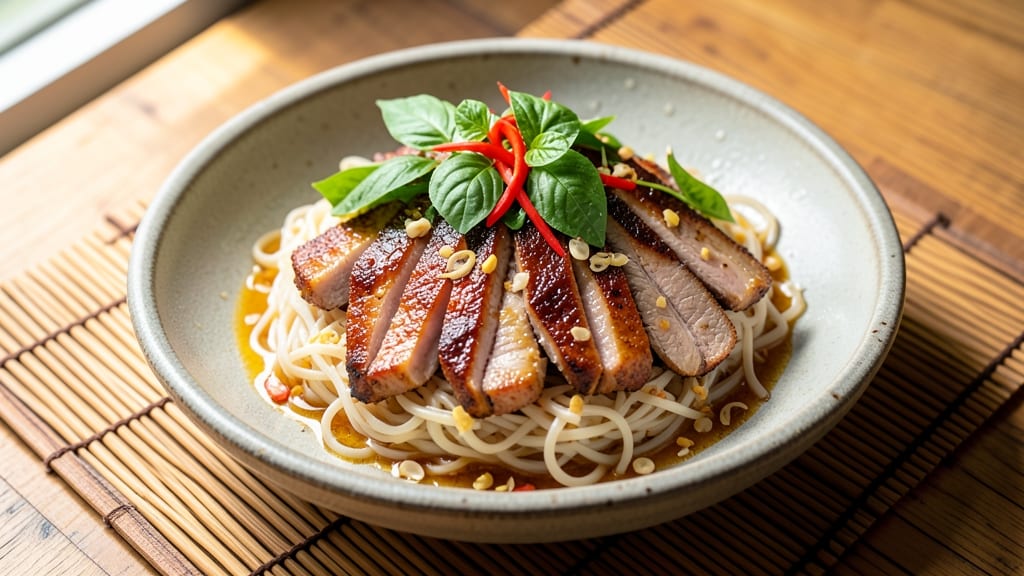
This Asian pork salad recipe delivers the perfect balance of textures and flavors—crispy rice noodles, tender marinated pork, and a zesty lime dressing that ties everything together. I developed this dish after years of perfecting pork preparations, ensuring each bite is packed with savory, tangy, and slightly sweet notes.
The key? A quick marinade that transforms simple pork into something restaurant-worthy, paired with fresh vegetables and a dressing that brightens every component.
The secret to this salad lies in the crispy rice noodles, which soak up the dressing beautifully while maintaining their satisfying bite. Thinly sliced pork, marinated in a blend of soy sauce, garlic, and ginger, adds depth and tenderness.
Fresh herbs like cilantro and Thai basil elevate the dish, while shredded carrots and cucumbers bring a refreshing crunch. This isn’t just a salad—it’s a full, satisfying meal that’s easy to customize for any taste.
What you’ll end up with is a vibrant, flavorful dish that’s as visually appealing as it is delicious. The crispy noodles contrast perfectly with the tender pork and fresh vegetables, while the lime dressing adds a bright, tangy finish.
It’s the kind of salad that feels special enough for company but simple enough for a weeknight dinner. Serve it chilled or at room temperature—either way, it’s a crowd-pleaser.
For extra flair, garnish with toasted sesame seeds or sliced green onions. This recipe scales beautifully, so double it for leftovers or a larger gathering. Let’s get cooking!
Ingredients for asian pork salad
Crispy noodles, marinated pork, and zesty lime dressing—this salad packs restaurant-worthy flavor in every bite.
| Ingredient | Amount | Notes |
|---|---|---|
| Pork Shoulder 🥓 | 1 ½ lb | Thinly sliced, boneless preferred |
| Rice Noodles 🍜 | 8 oz | Flat, medium-width, uncooked |
| Lime Juice 🍋 | ½ cup | Freshly squeezed, seeds removed |
| Soy Sauce 🥫 | ¼ cup | Low-sodium preferred |
| Garlic Cloves 🧄 | 6 cloves | Minced, fresh preferred |
| Fresh Ginger 🌿 | 2 tbsp | Grated, peeled, fresh preferred |
| Vegetable Oil 🫒 | ¼ cup | For frying noodles |
| Sesame Oil 🫒 | 1 tbsp | Toasted, for aroma |
| Carrots 🥕 | 1 medium | Shredded, julienned |
| English Cucumber 🥒 | 1 whole | Thinly sliced, seeds removed |
| Fresh Cilantro 🌿 | ½ cup | Chopped, stems removed |
| Thai Basil 🌿 | ¼ cup | Chopped, fresh preferred |
| Green Onions 🧅 | 3 whole | Thinly sliced, white parts trimmed |
| Toasted Sesame Seeds 🌰 | 1 tbsp | For garnish |
| Salt 🧂 | 1 tsp | Diamond Crystal preferred |
| Black Pepper 🌶️ | ½ tsp | Freshly ground |
| Brown Sugar 🍯 | 1 tbsp | Light or dark |
The pork shoulder is non-negotiable for texture—thinly sliced and marinated in soy, garlic, and ginger, it becomes tender and packed with flavor. Look for pork shoulder at your local butcher or the meat section of Whole Foods—it’s leaner than belly but still juicy. If you’re short on time, pre-sliced pork from the Asian market works too, just marinate it longer. For the rice noodles, Vietnamese or Thai brands are ideal—they’re flat and medium-width, perfect for crisping. Avoid the thin vermicelli noodles; they’ll turn mushy. Soak them in warm water for 10 minutes before frying for that signature crunch.
No fresh ginger? Substitute with 1 tbsp ground ginger, but it won’t have the same depth. Swap Thai basil for regular basil if you can’t find it—it’s milder but still adds brightness. The lime dressing can be made ahead, but add the lime juice last to keep it vibrant. For extra crunch, toss in shredded cabbage or bean sprouts if you’re feeling adventurous. The carrots and cucumber should be fresh—wilted veggies kill the salad’s freshness. If you’re serving a crowd, double the dressing and keep it chilled in a jar; shake before using.
This salad keeps well for 2 days in the fridge, but the noodles lose crispiness after 24 hours. Store the dressing separately and toss it in just before serving. For leftovers, re-crisp the noodles in a dry pan for 2 minutes to revive them. The pork and veggies hold up better, so focus on reheating those components separately if needed. Garnish with sesame seeds right before serving—they add a nutty crunch that’s worth the effort. Double the recipe and freeze the dressing in ice cube trays for quick future meals.
Why You'll Love This Recipe
- Here’s what sold me: the dressing is ridiculously simple but packs a punch. Just lime juice, soy sauce, and a splash of water—no fancy emulsifiers, no overpowering sweetness. The garlic soaks in just enough to make every bite sing without tasting like a raw clove.
- One-Pan Magic: I swear by this recipe when I’m too tired to juggle a million dishes. The pork shoulder gets seared right in the same pan with garlic, then tossed with noodles—no extra pots, no fuss. That caramelized crust on the pork? Pure reward for five minutes of attention.
- Lime-Soy Zing: Here’s what sold me: the dressing is ridiculously simple but packs a punch. Just lime juice, soy sauce, and a splash of water—no fancy emulsifiers, no overpowering sweetness. The garlic soaks in just enough to make every bite sing without tasting like a raw clove.
- Lunchbox Hero: Between us, this is my go-to for packed lunches or last-minute dinner guests. Cold or at room temp, the noodles hold up, and the pork stays juicy. (Yes, even on a Tuesday night.) Add cucumber or mint if you’re feeling fancy, but honestly? The base alone is already spot-on.
Step-by-step instructions for crispy rice noodles with zesty lime dressing
Here's how to create perfectly crispy rice noodles and tender pork with a bright, tangy dressing.
Marinate and Cook the Pork Shoulder
In a bowl, combine the 1.5 lb pork shoulder with 0.25 cup soy sauce, 1 tbsp brown sugar, 6 cloves minced garlic, 2 tbsp grated ginger, and 0.5 tsp black pepper. Mix well to coat evenly, then cover and refrigerate for at least 2 hours (overnight works best). This marinade transforms tough pork into tender, flavorful slices.
After marinating, heat 1 tablespoon vegetable oil in a large skillet over medium-high heat. Add the pork shoulder in a single layer and cook undisturbed for 3-4 minutes per side until the edges are golden brown and the internal temperature reaches 145°F. The pork should still be slightly pink inside—it'll finish cooking later. Transfer to a cutting board, tent with foil, and let rest for 10 minutes before thinly slicing against the grain for maximum tenderness.
Prepare the Lime Dressing
In a small bowl, whisk together 0.5 cup lime juice, 1 tablespoon sesame oil, 1 tablespoon brown sugar, and 1 teaspoon salt until the sugar dissolves completely. The dressing should be smooth and glossy, with a bright yellow hue. Taste and adjust seasoning—add more lime juice for tang or sugar for balance. This zesty dressing is the heart of the salad, cutting through the richness of the pork and noodles.
Set the dressing aside while you finish the remaining components. The acidity will mellow slightly as it sits, allowing the flavors to meld perfectly with the other ingredients. If you're short on time, you can prepare this step just before assembling the salad.
Fry the Rice Noodles to Crispy Perfection
Heat 0.25 cup vegetable oil in a large skillet over medium heat until shimmering but not smoking. Add the 8 oz rice noodles in a single layer and fry for 2-3 minutes, stirring gently with tongs, until they turn a beautiful golden brown. The noodles should be crispy but not burnt—this is where the magic happens for that satisfying crunch.
Remove the noodles with a slotted spoon and drain on paper towels. Work quickly to keep them crispy—don't let them sit too long or they'll soften. If the oil isn't hot enough and the noodles stick, increase the heat slightly and let them cook longer. The goal is that satisfying crunch with just a hint of chewiness.
Assemble the Salad with Fresh Vegetables
In a large bowl, combine the crispy rice noodles, thinly sliced pork shoulder, 1 medium shredded carrot, 1 whole sliced English cucumber, 0.5 cup chopped cilantro, 0.25 cup chopped Thai basil, and 3 whole sliced green onions. Toss gently to distribute all the ingredients evenly while preserving the noodles' crispness.
Drizzle the lime dressing over the salad and toss again, being careful not to overmix. The dressing should coat everything lightly—add more if needed. Sprinkle with 1 tablespoon toasted sesame seeds just before serving to add texture and aroma. The contrast of crispy noodles, tender pork, and fresh vegetables with that bright lime dressing makes this salad truly special.
Pro Tips For Making Asian Pork Salad
- Sear Pork Shoulder First: Hit that pork shoulder with a screaming-hot pan before any marinating—just 2-3 minutes per side until deep brown. I learned this the hard way: skipping the sear means flavorless shreds, no matter how much soy sauce you drown them in later.
- Soak Noodles Separately: Don’t toss rice noodles straight into boiling water with other ingredients. Soak them in warm (not hot) water for 5-7 minutes first—this keeps them from turning mushy when mixed with the dressing. Yes, it’s an extra bowl, but your salad won’t fall apart.
- Balance the Lime: Fresh lime juice is non-negotiable, but don’t dump it all in at once. Start with half, taste, then add more—especially if your pork’s already salty from the soy. I’ve ruined salads by making them taste like a lemon wedge exploded in my mouth.
- Minimize Garlic Heat: Smash those garlic cloves with the flat side of your knife before mincing—it releases more flavor without burning. And for the love of all things spicy, don’t let them sit in the pan too long. One minute max, or you’ll end up with bitter noodles.
Common mistakes when making this dish
Overcooking Pork
I’ve seen so many home cooks ruin perfectly marinated pork by overcooking it—especially when trying to sear it quickly. The goal is to reach 145°F internal temperature with a slight pink center.
If you cook it past 160°F, the pork becomes dry and chewy, no matter how tender the marinade. Use a meat thermometer to avoid guessing—this is non-negotiable for perfect texture. 🌡️
Skipping the Rest
After cooking the pork, never skip the 10-minute rest. This step is critical for redistributing juices and keeping the slices tender. I’ve seen people slice pork immediately after cooking, and it turns out dry and stringy.
Tent it loosely with foil and let it rest—trust me, your taste buds will thank you.
Undercooking Noodles
Crispy rice noodles are all about the frying technique. Too little oil or too low heat means soggy, limp noodles instead of the satisfying crunch you want. Heat the oil to 350°F (use a thermometer!) and fry in batches if needed.
Stir gently with tongs to avoid breaking them. If they stick, your oil isn’t hot enough—adjust and try again.
Using Old Lime Juice
The lime dressing is the soul of this salad, and fresh lime juice is a must. If you use bottled lime juice or juice that’s been sitting in the fridge for days, the dressing will taste flat and dull.
Always use freshly squeezed lime juice for that bright, tangy kick. If you’re prepping ahead, make the dressing just before serving—it’s worth the extra minute. 🍋
Overmixing the Salad
Once you’ve tossed everything together, resist the urge to overmix. The crispy noodles will lose their texture if you stir too aggressively. Instead, gently fold the ingredients together just until combined.
The goal is to distribute the dressing evenly without turning the noodles into mush. A few uneven spots are fine—they’ll still taste amazing.
Ignoring the Oil Temperature
For the noodles, oil temperature is everything. If it’s too cool, they’ll absorb oil and turn greasy. If it’s too hot, they’ll burn before crisping. Aim for 350°F—this gives you that perfect golden-brown crunch.
Invest in a deep-fry thermometer if you don’t have one; it’s a game-changer for crispy textures. No thermometer? Use the candy thermometer trick—drop a tiny bit of noodle in; it should sizzle and turn golden in 30 seconds.
Nutrition facts
Frequently asked questions
Can I use chicken or shrimp instead of pork in this recipe?
This recipe works beautifully with chicken breast or shrimp—just adjust the cooking time. For chicken, marinate and cook for 5-6 minutes per side until internal temp hits 165°F. Shrimp only needs 2-3 minutes per side until opaque. The marinade and dressing will complement any protein perfectly.
How do I prevent the rice noodles from getting soggy?
Crispy noodles are all about timing and heat. Fry them in 350°F oil for just 2-3 minutes until golden, then drain immediately on paper towels. Keep them separate from other salad components until the last minute. If storing, refrigerate the noodles separately and reheat in a dry pan for 1-2 minutes before assembling.
What if I can't find Thai basil? What are good substitutes?
Thai basil adds a unique licorice-like flavor, but you can substitute with regular basil, cilantro, or even mint. For extra depth, mix ½ cup basil + ¼ cup cilantro. If you're feeling adventurous, try Vietnamese coriander for an authentic touch. The lime dressing will still shine through!
Can I make this salad ahead of time?
Yes, but with strategy! Prep all components separately and store in airtight containers. Keep the dressing separate until serving to maintain freshness. Re-crisp noodles in a dry pan for 1-2 minutes before assembling. The pork stays tender for 2 days refrigerated, and veggies hold up well. The key is keeping everything separate until the final toss.
How spicy should the dressing be? Can I adjust it?
The recipe calls for a bright, tangy dressing without heat, but you can easily customize it! Add ½ teaspoon chili flakes or 1 teaspoon sriracha for mild spice, or 1 chopped Thai chili for serious heat. For smoky flavor, swap ½ teaspoon smoked paprika for regular paprika. Taste as you go—this dressing is very forgiving!