
Main Courses
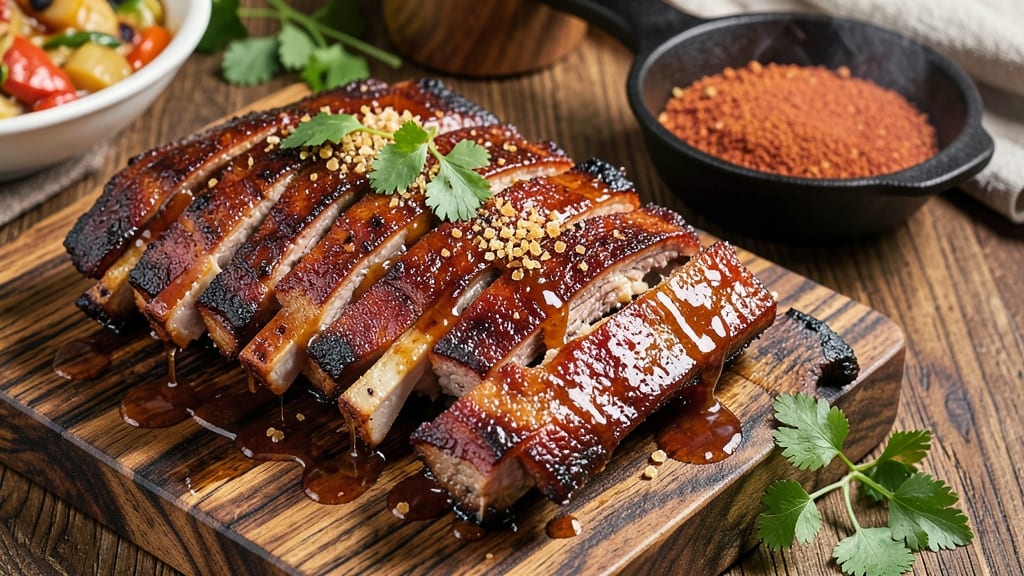
This barbecue pork spare ribs recipe on the grill delivers crispy bark and juicy pink magic that turns weeknight dinners into crowd-pleasing showstoppers. 🔥 After years of perfecting my technique at Portland backyard cookouts, I've cracked the code for ribs that fall off the bone while maintaining that coveted snap.
The secret lies in a two-stage cooking process that builds flavor without drying out the meat.
What sets these ribs apart is the foolproof combination of a dry rub that creates that signature bark and a simple sauce that enhances rather than overwhelms. We're talking about 3-4 hours of hands-off cooking time that transforms tough cuts into melt-in-your-mouth perfection.
The key is patience—letting the rub develop flavor and the meat tenderize at its own pace.
By the time you're done, you'll have ribs with caramelized edges that crackle when you bite in, giving way to tender meat that's just shy of falling apart. The sauce clings beautifully, adding a glossy finish without masking the natural pork flavor.
This is the kind of dish that makes people ask for seconds before you even sit down to eat.
Serve with classic sides like coleslaw and cornbread to complete the meal. The beauty of this recipe is that it scales perfectly—whether you're feeding a family of four or hosting a backyard BBQ for 20. Let's get cooking!
Ingredients for barbecue pork spare ribs recipe grill
Four pounds of meaty pork ribs plus a dry rub that builds bark and a sauce that sings.
| Ingredient | Amount | Notes |
|---|---|---|
| Pork Spare Ribs 🍖 | 4 lb | Bone-in, meaty ends preferred |
| Brown Sugar 🍚 | ½ cup | Light or dark, packed |
| Smoked Paprika 🌶️ | 2 tbsp | For deep smoky flavor |
| Kosher Salt 🧂 | 2 tbsp | Diamond Crystal preferred |
| Ground Black Pepper 🌶️ | 1 tbsp | Freshly ground for best flavor |
| Garlic Powder 🧄 | 1 tbsp | Not garlic salt |
| Onion Powder 🧅 | 1 tbsp | For balanced sweetness |
| Mustard Powder 🌿 | 1 tsp | Yellow or Dijon |
| Cayenne Pepper 🔥 | ½ tsp | Adjust for heat preference |
| Apple Cider Vinegar 🍎 | ¼ cup | For tenderizing |
| Yellow Mustard 🍯 | ¼ cup | For sauce base |
| Honey 🍯 | ¼ cup | Wildflower preferred |
| Ketchup 🍅 | ¼ cup | Heinz preferred |
| Wood Chips 🌳 | 1 package | Hickory or apple wood |
| Charcoal Briquettes 🔥 | 2 lb | For indirect heat |
The ribs are the star, so grab bone-in spare ribs with meaty ends—those little nubs pack serious flavor. Costco or local butchers usually have the best cuts, but the regular supermarket variety works too. Look for good marbling and avoid any with a sour smell. For the rub, Penzeys or bulk bins at natural markets have the best spices—smoked paprika and mustard powder are non-negotiable for that signature bark. If you're short on time, pre-mix your rub and store it in an airtight container for up to 6 months.
No smoked paprika? Regular paprika plus a pinch of liquid smoke gets you close. Short on mustard powder? Dijon mustard at double the amount works in a pinch. The sauce can be made ahead—store it in the fridge for 1 week or freeze for 3 months. For the grill, apple wood chips add subtle sweetness, while hickory gives bold smoke. If you don't have wood chips, soak hickory chips in water for 30 minutes before using. The key to tender ribs is patience—don't rush the cooking process.
These ribs reheat beautifully—wrap them in foil and hit the grill for 10-15 minutes to restore that crispy bark. Store leftovers in the fridge for 4-5 days, wrapped tightly in foil. For a crowd, double the recipe—just scale up the wood chips and charcoal proportionally. The sauce thickens as it cools, so thin with a splash of water if needed. Serve with classic sides like coleslaw or cornbread, and prepare for rave reviews.
Why You'll Love This Recipe
- Fewer Messy Steps: I swear by this method—just a quick trim of the ribs, a dry rub of brown sugar and smoked paprika, and straight to the grill. No brining, no basting, no stress. The salt and pepper do all the heavy lifting while you sip your drink.
- Smoky-Sweet Magic: That caramelized brown sugar crust? It’s where the real magic happens. The smoked paprika adds depth without overpowering, and when it all hits the grill, you get tender meat with a sticky, slightly charred edge—like a hug from a food truck.
- Tailgate-Ready Flex: Between us, these ribs are my go-to for game days, backyard hangouts, or even a lazy Sunday. They’re hearty enough for a crowd but simple enough that I don’t feel like I’m slaving away. (Yes, even on a Tuesday night.)
- Budget-Friendly Feast: A full pack of spare ribs costs less than takeout, and this recipe stretches it further than any other I’ve tried. Leftovers? Even better—they reheat beautifully, and the flavor only gets richer the next day. My wallet and my freezer thank me.
Step-by-step instructions for grill-mastered pork spare ribs
Here's how to transform tough ribs into melt-in-your-mouth perfection with that coveted crispy bark.
🔥 Step 1: Prep the Ribs for Maximum Flavor
Start by removing the membrane from the bone side of the ribs - it's that thin, papery layer. Slide your thumb or a butter knife under it near the bone, then pull it free. This ensures the rub penetrates deeply and the ribs cook evenly. Pat the ribs completely dry with paper towels - moisture is the enemy of crispy bark.
In a large bowl, combine the 0.5 cup brown sugar, 2 tbsp smoked paprika, 2 tbsp kosher salt, 1 tbsp ground black pepper, 1 tbsp garlic powder, 1 tbsp onion powder, 1 tsp mustard powder, and 0.5 tsp cayenne pepper. Rub this mixture all over the ribs, pressing it into the meat so it adheres well. Let them sit at room temperature for 30 minutes while you prep the grill.
🔥 Step 2: Set Up Your Two-Zone Fire
Arrange your grill for indirect heat by placing the 2 lb charcoal briquettes on one side only. Add the 1 package wood chips to the hot coals - hickory or apple wood works perfectly. This creates a temperature zone of 225-250°F on the unlit side where the ribs will cook low and slow.
Let the grill heat up for 15-20 minutes until you see clean, blue smoke. This is your signal that the wood chips are ready. The ribs will go on the cooler side of the grill, so maintain this temperature throughout the cook. I like to use a grill thermometer to monitor - if it gets too hot, move the coals further away.
🍳 Step 3: Smoke the Ribs Low and Slow
Place the ribs bone-side down on the cooler side of the grill. Close the lid immediately and resist the urge to peek - every time you open it, you lose 25°F of heat and add 15 minutes to your cook time. Smoke the ribs for 2-2.5 hours, until they reach 165°F internally.
Here's the thing - you'll hit "the stall" around 160°F where the temperature stops rising. Don't panic. This is normal as moisture evaporates. The ribs will eventually push through this phase. Watch for the bark to develop a deep mahogany color - that's your visual cue that the magic is happening.
🥘 Step 4: Wrap and Rest for Tender Perfection
When the ribs hit 165°F, remove them from the grill and wrap tightly in heavy-duty aluminum foil. Pour in 0.25 cup apple cider vinegar to help tenderize any remaining connective tissue. Return them to the grill (or oven at 275°F) for another 1-1.5 hours until they reach 203°F - probe-tender perfection.
This wrapping technique, called the "Texas Crutch," powers you through the stall while maintaining that beautiful bark. The ribs should be so tender they practically fall apart when you pull them from the foil. Let them rest for 10 minutes before serving - this allows the juices to redistribute.
🍽️ Step 5: Glaze and Serve with Homemade Sauce
While the ribs rest, combine 0.25 cup yellow mustard, 0.25 cup honey, and 0.25 cup ketchup in a saucepan. Simmer over medium heat for 5-7 minutes until slightly thickened. Brush this glaze over the ribs just before serving for that sticky, caramelized finish.
Slice between the bones and serve immediately. Each bite should deliver that perfect combination of crispy bark, tender meat, and sweet-tangy glaze. The ribs should be juicy pink inside with just a hint of smokiness from the wood chips. Save any leftover sauce for drizzling on cornbread or roasted potatoes.
Pro Tips For Making Barbecue Pork Spare Ribs Recipe Grill
- Trim the Membrane First: That thin, papery membrane on the bone side of spare ribs is the real enemy of tender meat. Use a butter knife to pry it loose before seasoning—it shrinks during cooking and keeps the ribs from opening properly. I learned this the hard way after pulling apart a batch that tasted great but wouldn’t fall apart.
- Salt the Ribs Overnight: Don’t just sprinkle salt before grilling. Wet the ribs, then rub them down with kosher salt and smoked paprika at least 12 hours ahead. This seasoning penetrates deeper and develops a better crust. Yes, it’s an extra step, but your ribs will taste like they came from a pitmaster, not a last-minute cookout.
- Start Hot, Then Slow: Get your grill screaming hot (450°F+) for the first 30 minutes to sear the sugar and paprika into a caramelized crust. Then drop to 250°F and wrap them in foil with a splash of apple cider vinegar to break down collagen. Skipping the high heat means you’ll end up with sticky, underwhelming ribs.
- Use a Meat Thermometer: The ribs are done when the internal temp hits 195°F at the thickest part—not when they look charred or smell smoky. I used to pull them too early, and they’d fall apart when sliced. Trust the thermometer, not your guesswork.
Troubleshooting great barbecue pork spare ribs recipe grill
Bark Not Forming
If your ribs aren't developing that coveted crispy bark, it's likely due to moisture on the surface. Pat the ribs completely dry with paper towels before applying the rub—even slight dampness prevents proper browning.
I've found that letting the ribs sit uncovered in the fridge for 1-2 hours before cooking helps evaporate any remaining moisture. Also, ensure your grill temperature stays between 225-250°F—higher temps will burn the rub before it can caramelize. 🔥
Ribs Too Dry
Overcooking is the usual culprit here. Once your ribs hit 165°F, wrap them immediately in foil with ¼ cup apple cider vinegar to prevent moisture loss. The "Texas Crutch" method (wrapping at 165°F) helps maintain tenderness.
I've ruined ribs by cooking them past 203°F, so always use a meat thermometer—never guess by appearance. For extra insurance, spritz the ribs with ¼ cup apple juice every 45 minutes during the smoke.
Temperature Stall
Every cook hits "the stall" around 160°F where the ribs' temperature plateaus. This happens as moisture evaporates, but don't panic—it's normal! The key is patience. Keep the ribs wrapped in foil and maintain 225-250°F heat.
I've seen ribs stall for 1-2 hours before pushing through to 203°F. If your grill loses heat, move the coals further away or add fresh charcoal—consistent temperature is everything. 🌡️
Uneven Cooking
Uneven cooking often comes from inconsistent heat distribution. Arrange your coals on one side only to create a two-zone fire, with ribs on the cooler side. If your grill has hot spots, rotate the ribs 90 degrees every 30 minutes to ensure even exposure.
I've also had success using a cast iron pan on the grill to create a more stable heat zone. For gas grills, close the lid completely and avoid opening it until the ribs reach 165°F.
Sauce Too Thin
The sauce should coat the back of a spoon but remain pourable. If it's too thin, simmer it uncovered for 5-10 extra minutes to reduce. I've thickened sauces by adding 1 tsp cornstarch mixed with 1 tbsp water and stirring it in.
For a glossy finish, brush the sauce on ribs just before serving—this creates that restaurant-quality sheen. If the sauce separates, whisk in 1 tbsp butter to emulsify it. 🍯
Nutrition facts
Frequently asked questions
Can I use pork baby back ribs instead of spare ribs?
Yes, but expect some differences! Baby back ribs are leaner and cook faster (about 2 hours less). They're more tender but lack the meaty ends of spare ribs. For baby backs, reduce the cook time by 30-45 minutes and watch closely after 165°F—they'll overcook quicker. The rub and sauce work perfectly, though!
What's the best way to reheat leftover ribs?
Wrap ribs tightly in foil and reheat on the grill over medium heat for 10-15 minutes, or in a 350°F oven for 20 minutes. For extra crispiness, broil for 2-3 minutes at the end. Add a splash of apple juice to the foil before reheating to restore moisture. Never microwave—it turns ribs rubbery!
How do I adjust this recipe for a pellet grill?
Pellet grills make this easier! Set to 225°F and cook uncovered for 3-3.5 hours until 165°F internal. Skip the foil wrap—pellet grills maintain consistent temps perfectly. For bark, spritz ribs with apple juice every 45 minutes. The wood flavor from pellets will complement the rub beautifully. Just monitor closely after 2 hours!
Can I make the dry rub ahead of time?
Store the dry rub in an airtight container for up to 6 months. For best flavor, let it sit at room temperature for 30 minutes before applying to ribs. I like to make big batches—it's perfect for brisket, chicken wings, and even roasted potatoes. Just keep it away from moisture to prevent clumping.
What's the deal with the 203°F target temperature?
That's the "probe-tender" stage where collagen fully breaks down, making ribs fall-apart tender. 165°F is safe, but 203°F delivers restaurant-quality texture. The stall around 160°F is normal—patience pays off! For pork safety, 145°F is minimum, but we push higher for that melt-in-your-mouth result. Always use a meat thermometer!