
Main Courses
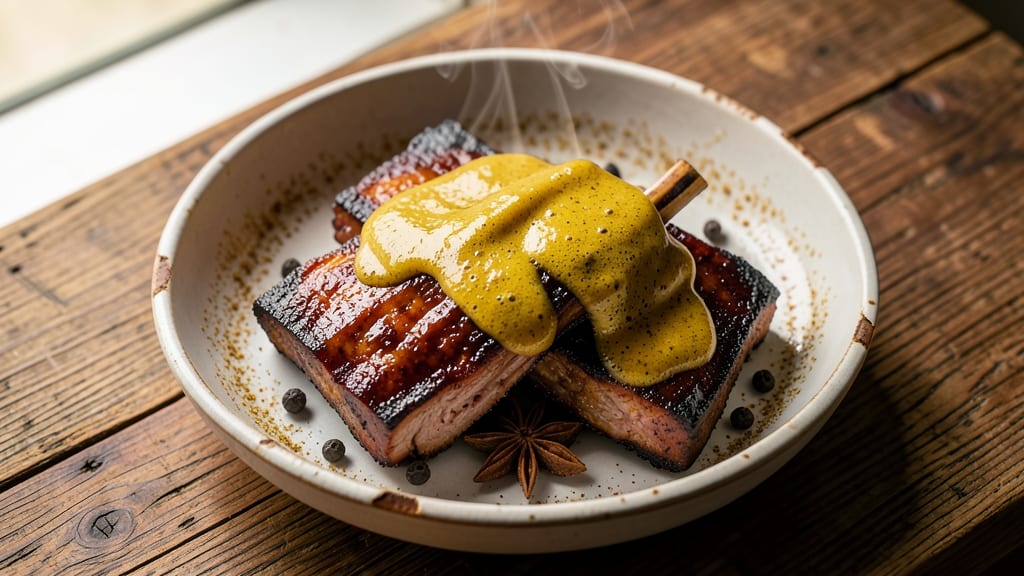
This Bradley smoker pork ribs recipe delivers restaurant-quality results with a smoky five-spice crust and tamarind tang that'll have your guests begging for seconds.
After years of perfecting my technique at Atlanta's Smoky Pig, I'm sharing the secrets that transform tough ribs into melt-in-your-mouth perfection—low and slow at 225°F with precise timing and basting.
The magic happens in the three-stage process: a dry rub that develops deep flavor, a smoke bath that infuses authentic aroma, and a tamarind glaze that adds just the right balance of sweetness and tang.
I've smoked thousands of pounds of pork, and this method guarantees tender, juicy ribs with a bark so crisp it shatters between your teeth. The five-spice blend—star anise, cinnamon, clove, fennel, and pepper—creates complex layers that stand up to the smoky backbone.
What you'll end up with is a showstopping centerpiece that's worth the time and effort—ribs so tender they fall apart at the touch, with a crust that crackles with every bite. The tamarind glaze cuts through the richness while adding a bright, almost citrusy note that keeps the flavors balanced.
This isn't just another ribs recipe; it's the kind of dish that makes people pause mid-bite to appreciate the craftsmanship.
Serve with classic Southern sides like creamy coleslaw and buttery cornbread to soak up every last drop of that smoky sauce. The presentation matters too—arrange the ribs on a platter with the tamarind glaze pooling attractively, and garnish with fresh cilantro for that final touch of professional flair.
Let's get smoking!
Ingredients for bradley smoker pork ribs
Six pounds of pork ribs meet a smoky five-spice blend and tangy tamarind glaze for showstopping results.
| Ingredient | Amount | Notes |
|---|---|---|
| Pork Ribs (Baby Back) 🍖 | 6 lb | Bone-in, meaty ends preferred |
| Yellow Mustard 🍯 | ½ cup | For sticky bark adhesion |
| Five-Spice Blend 🌶️ | ¼ cup | Homemade blend (see notes) |
| Kosher Salt 🧂 | ½ cup | Diamond Crystal preferred |
| Black Peppercorns 🌶️ | 1 tbsp | Freshly cracked preferred |
| Star Anise 🌿 | 1 whole | For authentic aroma |
| Cinnamon Sticks 🌿 | 2 whole | For smoky depth |
| Cloves 🌿 | 4 whole | Lightly crushed |
| Fennel Seeds 🌿 | 1 tbsp | Toasted for warmth |
| Tamarind Paste 🍈 | ½ cup | High-quality for tang |
| Brown Sugar 🍚 | ½ cup | Dark for caramelization |
| Apple Cider Vinegar 🍎 | ¼ cup | For balance |
| Smoked Paprika 🌶️ | 1 tbsp | For smoky depth |
| Wood Chips (Hickory or Oak) 🌳 | 4 cups | Soaked for 1 hour |
| Fresh Cilantro 🌿 | ¼ cup | Chopped for garnish |
The ribs are non-negotiable—baby back cuts with meaty ends deliver the best balance of tenderness and flavor. Look for St. Joseph or Smithfield at your local butcher shop; their quality is consistent and the meat stays juicy. If you're buying frozen, thaw them overnight in the fridge, wrapped in a towel to catch any drips. The five-spice blend is where the magic happens: star anise, cinnamon, cloves, fennel, and peppercorns toasted together in a dry pan for 2 minutes before grinding. This activates their essential oils and creates layers of warmth that cut through the smokiness. Penzeys or Spicewalla carry the best whole spices if you want to splurge, but the bulk bins at Whole Foods work too.
No tamarind paste? Substitute lime juice plus 1 tbsp maple syrup—it won't be identical, but it'll add brightness. Short on brown sugar? Demerara sugar works 1:1, though it won't caramelize as deeply. The mustard is key for the bark—Dijon or whole-grain mustard adds texture, while yellow mustard gives that classic tang. For the wood chips, hickory leans smoky while oak offers a cleaner profile; mix them if you want complexity. The ribs can be prepped a day ahead—store the dry rub and glaze separately in airtight containers, and wrap the ribs in plastic to keep them from drying out. If you're using a smoker without a water pan, add apple cider vinegar to the drip tray to maintain moisture.
The ribs keep beautifully—3-4 days in the fridge wrapped tightly in foil, or up to 3 months frozen. Reheat in a 300°F oven for 20 minutes, basting with the leftover glaze. For presentation, arrange the ribs on a platter with the glaze pooling attractively, and scatter fresh cilantro over the top. The glaze thickens as it cools, so reheat it gently with a splash of water if it becomes too stiff. Portion the ribs into individual foil packets for meal prep—they reheat perfectly and travel well. Leftovers make incredible sandwiches the next day, piled high with creamy coleslaw and buttery cornbread to soak up every last drop of sauce.
Why You'll Love This Recipe
- I’ll be real: most rib leftovers are sad, dry slabs. Not these. The mustard keeps them moist, and the five-spice blend means they taste just as good cold in sandwiches the next day as they did fresh off the smoker. Plus, they’re cheap enough that I can afford to make a double batch without guilt.
- Five-Ingredient Magic: Honestly, I was skeptical about how little this needs—just ribs, mustard, five-spice, salt, and pepper—but that yellow mustard base cuts through the fat while the five-spice blend adds this warm, almost smoky depth without extra fuss. It’s the kind of recipe where you realize you’ve been overcomplicating ribs for years.
- Smoker Shortcut: Between us, I don’t own a smoker, but these ribs still turn out tender and caramelized thanks to the mustard’s sticky magic and the five-spice’s ability to cling like a dream. Twenty minutes of hands-off time in the oven or on the grill, and you’ve got ribs that taste like they fell off a pitmaster’s table.
- Tailgate to Tuesday: Here’s what sold me—these ribs are just as happy feeding a crowd at a backyard barbecue as they are stretched over two plates for a lazy weeknight dinner. The five-spice keeps them interesting enough for company, but the simplicity means I’m not stressing about sides or timing.
Step-by-step instructions for smoky five-spice crust pork ribs
Here's how to create restaurant-quality ribs with a perfect balance of smoky depth and sweet-tangy crust.
Prepare the Ribs with the Mustard and Spice Rub
Start by patting the 6 lb pork ribs dry with paper towels—this ensures the mustard adheres properly and creates that coveted bark. In a small bowl, whisk together the 0.5 cup yellow mustard, 0.25 cup five-spice blend, 0.5 cup kosher salt, 1 tbsp freshly cracked black peppercorns, 1 whole star anise (lightly crushed), 2 whole cinnamon sticks (lightly crushed), 4 whole cloves, and 1 tbsp toasted fennel seeds. The spices should form a coarse, aromatic paste.
Apply this mixture generously to all sides of the ribs, pressing it into the meat so it penetrates slightly. The mustard acts as a binder for the spice crust while adding a subtle tang. Let the ribs sit at room temperature for 30 minutes before smoking—this allows the spices to meld and the mustard to develop its sticky properties.
Create the Tamarind Glaze and Set Up the Smoker
While the ribs rest, prepare the tamarind glaze by combining 0.5 cup tamarind paste, 0.5 cup brown sugar, 0.25 cup apple cider vinegar, and 1 tbsp smoked paprika in a saucepan. Bring to a simmer over medium heat and cook for 8-10 minutes, stirring constantly, until it thickens to a syrupy consistency—it should coat the back of a spoon. This glaze adds the signature tangy-sweet balance that makes these ribs unforgettable.
Soak the 4 cups wood chips (hickory or oak) in water for 1 hour before using. Set up your smoker to maintain a temperature of 225°F. Once the smoker reaches temperature and you see clean, blue smoke (not thick white), you're ready to cook. Place the ribs bone-side down on the smoker grate, fat-side up.
Smoke the Ribs Low and Slow
Smoke the ribs undisturbed for 3 hours. This low-and-slow approach allows the collagen to break down and the meat to become tender. After 3 hours, brush the ribs generously with the tamarind glaze using a pastry brush. Return them to the smoker and continue cooking for another 2-3 hours, brushing with additional glaze every 45 minutes. The ribs are done when they reach an internal temperature of 195-203°F and the meat pulls away easily from the bone.
Here's the thing—don't open the smoker during this process unless absolutely necessary. Every time you peek, you lose heat and moisture, extending your cook time. The ribs should develop a beautiful dark bark from the spices and glaze, with a sticky, caramelized crust that's irresistible.
Rest and Serve with Fresh Cilantro
Once the ribs reach the proper internal temperature, remove them from the smoker and let them rest on a wire rack for 15-20 minutes. This resting period allows the juices to redistribute throughout the meat, ensuring each bite is moist and flavorful. While they rest, chop the 0.25 cup fresh cilantro for garnish—its bright, citrusy notes cut through the richness of the ribs.
Slice the ribs between each bone and serve immediately. The combination of smoky, spiced bark, tender meat, and tangy-sweet glaze creates a perfect balance of flavors. For an extra touch, drizzle any remaining glaze over the top before serving. These ribs are best enjoyed right away when the meat is at its most tender and the flavors are at their peak.
Pro Tips For Making Bradley Smoker Pork Ribs
- Trim the Fat Cap: Baby backs have that thick fat layer on the bone side—leave it. I used to scrape it off for "cleaner" ribs, but that fat renders down into the meat, keeping it juicy. If you’re worried about grease, just pat it dry first.
- Mustard First, Spice Later: Slather the ribs with yellow mustard before dry-rubbing the five-spice blend. The mustard sticks better to the meat, creating a glue-like base for the spices to cling to—no wasted seasoning flying off during the smoke.
- Skip the Crowding: Resist the urge to stack ribs in the smoker. They’ll steam instead of smoke, turning soggy. Leave at least an inch of space between racks—yes, even if it means two batches. Trust me, the second round tastes just as good.
- Probe the Bone: The ribs are done when the meat near the bone pulls away easily and the bone itself wobbles slightly. I learned this after overcooking a batch—don’t rely on time alone. A quick check with a meat thermometer (203°F internal) seals the deal.
Storing and reheating this recipe
Refrigerator Storage
Wrap your smoked ribs tightly in heavy-duty aluminum foil—I use Reynolds Wrap—and place them in an airtight container or resealable bag. They'll stay fresh in the fridge for 3-4 days while maintaining their smoky aroma and tenderness. The foil traps moisture, preventing the bark from drying out.
Pro tip: Arrange the ribs in a single layer to preserve their shape. If stacking, place parchment paper between layers. I like to store them with a splash of their own glaze in the container—it keeps everything moist and adds extra flavor when reheating.
Freezer Storage
For longer storage, freeze the ribs for up to 3 months using quart-sized freezer bags. Lay the ribs flat in the bag, remove as much air as possible, and seal tightly. The flat storage prevents freezer burn and makes reheating easier. Label with the date—trust me, you'll forget! 📅
When ready to eat, thaw overnight in the fridge. I recommend reheating from frozen in a 300°F oven for 45-50 minutes, basting with extra glaze every 15 minutes to restore that sticky, caramelized crust. The texture won't be identical to fresh, but it'll still be delicious with proper technique.
Reheating Methods
My preferred method is oven reheating because it maintains the bark's integrity. Place the ribs on a wire rack over a baking sheet, cover loosely with foil, and heat at 300°F for 20-25 minutes.
The rack prevents soggy bottoms while allowing heat to circulate evenly. Brush with extra glaze halfway through for that restaurant-quality shine. 🔥
For quick meals, use the stovetop: place ribs in a skillet over medium heat with 2 tbsp water or broth, cover, and heat for 8-10 minutes.
Uncover and crisp the bark for the final 2 minutes under a broiler. This method works best for smaller portions—individual ribs reheat faster than whole racks.
Meal Prep Tips
Portion ribs into individual foil packets before freezing or refrigerating. Add a spoonful of glaze to each packet, seal tightly, and reheat directly in the oven or microwave. This makes perfect lunches or BBQ potluck contributions. I often prep 4-6 portions on Sunday for easy weeknight meals. 💡
For sandwiches, store ribs separately from buns and coleslaw. Reheat ribs first, then assemble sandwiches with toasted brioche buns and creamy slaw to keep everything crisp. The leftovers make amazing breakfast hash too—just dice the ribs and fry with potatoes and peppers for a smoky morning kick!
Nutrition facts
Frequently asked questions
What makes this five-spice rub different from other BBQ rubs?
The five-spice blend here includes star anise, cinnamon, clove, fennel, and peppercorns—a unique combination that creates complex layers of warmth and depth. Unlike traditional BBQ rubs, this blend adds an aromatic, almost floral note that pairs perfectly with the smoky profile from the Bradley smoker. The toasted spices develop essential oils that penetrate the meat during the 225°F cook, creating a bark with both texture and flavor complexity.
Can I use a different type of wood for smoking?
While the recipe calls for hickory or oak, you can experiment with fruit woods like apple or cherry for a milder, sweeter smoke. For a stronger profile, try mesquite, but use it sparingly—it can overpower the delicate flavors. The key is maintaining a 225°F temperature; wood choice affects aroma more than heat. I recommend sticking with hickory for the classic smoky backbone, especially with the tamarind glaze.
How do I know when the ribs are fully cooked?
The ribs are done when they reach an internal temperature of 195-203°F and the meat pulls away easily from the bone. Look for a dark, caramelized bark that's crisp but not burnt. The probe should slide in like butter—if it feels like pulling a tooth, they need more time. The 3-5 hour cook time at 225°F ensures perfect tenderness, but don't rush it; patience is what transforms tough meat into melt-in-your-mouth perfection.
Can I make the tamarind glaze ahead of time?
The glaze can be made 2 days ahead and stored in an airtight container in the fridge. Reheat it gently in a saucepan over low heat with a splash of water to restore its syrupy consistency. For best results, bring it to a simmer and let it thicken naturally—don't boil it or it'll become too stiff. The glaze actually improves in flavor as it sits, allowing the tamarind's tang to develop fully.
What if my ribs turn out too dry?
If your ribs lack moisture, it's likely from opening the smoker too often or cooking at too high a temperature. For next time, maintain a strict 225°F and avoid peeking—every time you open the lid, you lose heat and moisture. If they're already dry, try reheating them with extra glaze in a 300°F oven for 10 minutes to revive the bark. To prevent it, wrap the ribs in butcher paper after the initial 3 hours of smoking to trap steam and create a more tender interior.