
Main Courses
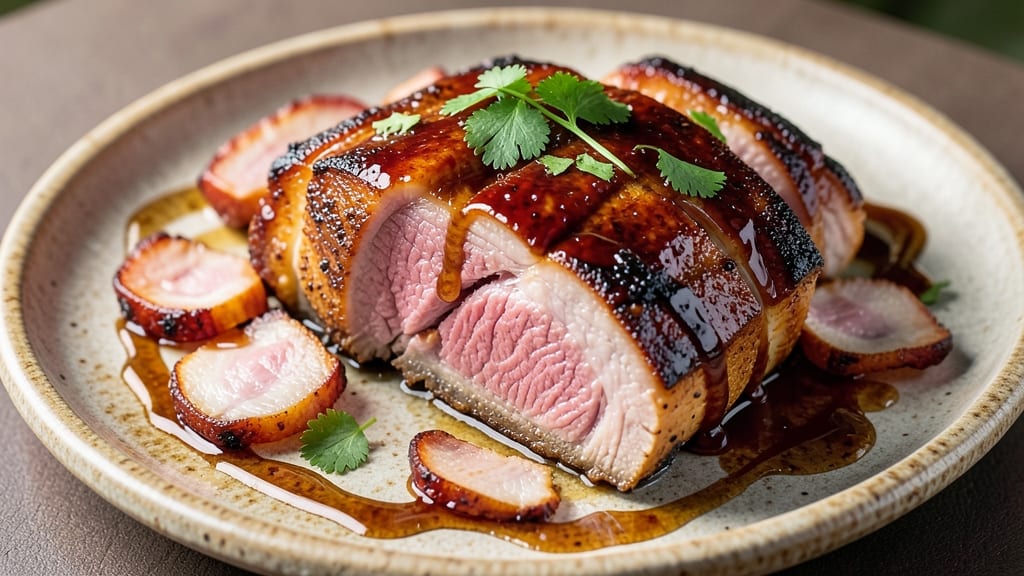
This miso pork roast recipe delivers a perfect balance of glazed umami crust and juicy pink hearts—the kind of dish that transforms a simple weeknight dinner into a restaurant-worthy meal. 🌟 I developed this technique while perfecting my approach to whole-pork roasting, where the miso marinade creates a deep, savory crust while keeping the interior tender.
The secret lies in the slow roasting process, which allows the pork to cook evenly without drying out, even in the thickest cuts.
The beauty of this recipe is its versatility—whether you're cooking for a family gathering or a cozy dinner for two, the miso glaze adds a rich, caramelized layer that pairs perfectly with the natural sweetness of the pork.
I use a blend of white and red miso for complexity, and the marinade infuses the meat with layers of flavor while keeping it moist. This isn’t just a pork roast; it’s a dish that carries the depth of Japanese umami tradition with a Southern twist.
By the time it’s done, you’ll have a golden, crackling crust that’s packed with flavor and a tender, juicy interior that melts in your mouth. The miso glaze caramelizes beautifully, creating pockets of sweetness that contrast with the savory depth of the pork.
This is the kind of dish that tastes even better the next day, making it perfect for meal prep or leftovers.
Serve it with roasted root vegetables, a simple green salad, or steamed jasmine rice to round out the meal. The miso glaze also works wonders as a dipping sauce for extra slices, so you won’t have any leftovers to regret.
Let’s get started—this roast is worth every minute of the wait.
Ingredients for miso pork roast
Six ingredients transform simple pork into restaurant-worthy umami perfection—juicy, caramelized, and packed with Southern-Japanese soul.
| Ingredient | Amount | Notes |
|---|---|---|
| Bone-In Pork Loin Roast 🐖 | 4 lb | Center-cut, 1.5-inch thick |
| White Miso Paste 🧂 | ½ cup | High-quality, unsweetened |
| Red Miso Paste 🧂 | ¼ cup | For depth and color |
| Honey 🍯 | ¼ cup | Wildflower preferred |
| Soy Sauce 🍶 | ¼ cup | Kosher or tamari |
| Rice Vinegar 🍶 | ⅛ cup | Seasoned preferred |
| Garlic Cloves 🧄 | 6 cloves | Minced for marinade |
| Fresh Ginger 🌿 | ¼ cup | Finely grated, peeled |
| Sesame Oil 🫒 | 1 tbsp | Toasted, for aroma |
| Brown Sugar 🍚 | ¼ cup | Light or dark |
| Olive Oil 🫒 | 2 tbsp | For roasting pan |
| Diamond Crystal Kosher Salt 🧂 | 1 ½ tsp | For seasoning |
| Freshly Ground Black Pepper 🌶️ | 1 tsp | Coarse grind preferred |
| Jasmine Rice 🍚 | 2 cups | Uncooked, for serving |
The pork is everything here—bone-in cuts stay juicier, and center-cut loin delivers that melt-in-your-mouth texture. Costco or your butcher’s counter will have the best options, but if you’re at a regular grocery store, look for a roast with good marbling and at least 1.5-inch thickness. For the miso, Marukome or Hessle brands are my go-tos—they’ve got that authentic depth. If you can’t find red miso, extra white miso plus 1 tsp beet powder mimics the color beautifully. Fresh ginger and garlic? Trader Joe’s sells pre-grated ginger in a jar (convenient but less flavorful), but I always grab the fresh root—peel and grate it myself.
No honey? Maple syrup works in a pinch, but it’ll throw off the caramelization slightly. Short on rice vinegar? Apple cider vinegar is fine, though it’ll taste less nuanced. The sesame oil is non-negotiable for that toasty aroma—toast it first by heating in a dry pan for 30 seconds before adding to the marinade. For the roast itself, pat it dry with paper towels before seasoning—this helps the miso glaze stick. If you’re prepping ahead, the marinade keeps for 5 days in the fridge, but the pork should marinate overnight for maximum flavor. Pro tip: Save 2 tbsp of the marinade to brush on during roasting for extra shine.
This roast tastes even better the next day—plan ahead. Store leftovers in an airtight container for 4-5 days, or freeze for 3 months. I always make extra because it reheats beautifully—just warm in a 350°F oven for 20 minutes with a splash of water to keep it moist. The rice? Cook it the day of, but keep it warm in a rice cooker or covered pot. The miso glaze also doubles as a dipping sauce for those last few slices—trust me, you’ll want them.
Why You'll Love This Recipe
- One-Pan Magic: I swear by this for nights when I’d rather scroll than chop. Just slather the roast with the miso-honey mix—white for sweet depth, red for that umami punch—and let the oven do the work. No extra bowls, no sticky mess, just done.
- Sweet-Savory Balance: That honey cuts through the saltiness of the miso like a dream. The red paste brings a deep, almost caramelized richness, while the white keeps it bright—like a perfect marriage of Sunday brunch and comfort food. My kids fight over the last slice.
- Weeknight Hero: Make it for dinner, reheat it for lunch, slice it for sandwiches. The bone-in roast stays juicy even cold, so it’s my go-to for packed lunches or when I’m too tired to cook again. Honestly, I’ve fed a crowd with half a roast—it’s that generous.
- Budget Booster: Pork loin is cheaper than you think, especially bone-in, and miso stretches far. A little goes a long way, so this recipe feeds four for less than takeout. Plus, the leftovers? Even better the next day—crispy edges, tender meat, zero waste. My wallet thanks me.
Step-by-step instructions for miso pork roast
Here's how to transform that pork roast into melt-in-your-mouth perfection with a caramelized miso crust.
👨🍳 Step 1: Create the Umami Glaze
In a medium bowl, whisk together the 0.5 cup white miso paste, 0.25 cup red miso paste, 0.25 cup honey, 0.25 cup soy sauce, 0.125 cup rice vinegar, 0.25 cup brown sugar, 1 tbsp sesame oil, 1.5 tsp kosher salt, and 1 tsp black pepper until completely smooth. This is your flavor bomb - the miso pastes give deep umami, while the honey and vinegar balance with sweet-tangy brightness.
Add the 6 minced garlic cloves and 0.25 cup grated ginger, stirring until fully incorporated. The aroma should be intoxicating - rich, garlicky, and slightly funky from the miso. Cover and let this mixture sit at room temperature for 30 minutes while you prep the pork. This resting time lets the flavors meld together perfectly before they hit the meat.
🍳 Step 2: Prep and Coat the Pork
Pat the 4 lb bone-in pork loin roast completely dry with paper towels - you want that surface as dry as possible for maximum crust development. Rub all over with 2 tbsp olive oil, then spread the miso glaze evenly over every inch, pressing it into the meat so it adheres well. The oil helps the glaze stick and creates a beautiful caramelization.
Here's a pro tip: I like to work in layers. After the first coat, let it sit for 15 minutes while I prep the rice. Then I apply a second thin layer right before roasting. This ensures the glaze doesn't just sit on top but penetrates slightly into the meat during cooking.
🔥 Step 3: Roast to Juicy Perfection
Preheat your oven to 375°F with a rack positioned in the center. Place the coated pork roast on a wire rack set inside a rimmed baking sheet - this allows air to circulate underneath for even cooking. Roast for 45 minutes, then increase the heat to 425°F for the final 25-30 minutes until the internal temperature reaches 145°F for medium-rare (use a meat thermometer!).
You'll know it's ready when the crust is deep mahogany color with crackly edges and the juices run pink when you pierce the thickest part. The pork should feel firm but still yield slightly to gentle pressure. Real talk: Don't overcook this - you want those juicy pink hearts that practically melt in your mouth.
⏰ Step 4: Rest and Carve
Transfer the roast to a cutting board and tent loosely with foil. Let it rest for 15-20 minutes - this is crucial for juices to redistribute. I know it's tempting to cut into it immediately, but trust me, this waiting period makes all the difference in tenderness. The crust will stay intact while the meat becomes even more succulent.
Slice the pork against the grain into ½-inch thick slices. The bone-in cut makes this easier - just follow the natural grain direction. Serve immediately alongside the 2 cups cooked jasmine rice you prepared earlier. The rice soaks up all the beautiful pan juices and glaze drippings for extra flavor in every bite.
Pro Tips For Making Miso Pork Roast
- SEAR THE ROAST FIRST: I learned this the hard way—skipping the sear means a bland crust and a roast that tastes more like miso broth than caramelized pork. Hit the bone-in loin with high heat for 3-4 minutes per side until deep golden. The Maillard reaction here isn’t just for looks; it locks in flavor before the slow braise.
- MIX MISO PASTES SEPARATELY: White and red miso play different roles—don’t just dump them together. Start with red miso (the bold, fermented one) in the pan to build depth, then stir in white miso (softer, sweeter) at the end to balance. After burning three batches of bitter pork, I finally realized: layer the flavors like you would in a sauce.
- DON’T SKIP THE HONEY REST: After glazing with honey and soy, let the roast sit uncovered for 5 minutes. This isn’t just for presentation—it lets the glaze thicken slightly and caramelize without steaming into mush. I know, I know, you’re impatient, but rushing this step turns your glossy finish into a sticky mess.
- USE A DAMP PAPER TOWEL: Wipe down the roast with a barely damp paper towel before searing. The moisture helps the miso glaze cling better later, but don’t soak it—you’ll steam the meat instead of sear it. Sounds weird, but it works: the glaze adheres like glue, and the crust stays intact through the braise.
Storing and reheating this dish
Refrigerator Storage
This miso pork roast tastes even better the next day, so plan ahead! Store leftovers in an airtight container with the lid slightly ajar for 2-3 days in the fridge at 40°F or below.
The miso glaze actually deepens in flavor overnight, making it perfect for sandwiches or reheated slices. I always save a portion for my pork and cabbage stir-fry the next evening—just slice thin and toss with sautéed cabbage and a drizzle of soy sauce. 💫
Freezer Prep Tips
For longer storage, wrap individual slices in parchment paper and place them in a freezer bag with all air squeezed out. This keeps the meat from drying out and prevents freezer burn. The roast will maintain quality for up to 3 months—just thaw overnight in the fridge before reheating.
I like to portion it into single-serving packages so I can grab exactly what I need without defrosting the whole batch. 🧊
Oven Reheating
My preferred method for reheating is in the oven—it preserves that beautiful caramelized crust. Place slices on a baking sheet lined with parchment paper, drizzle lightly with water or apple cider vinegar, and heat at 350°F for 15-20 minutes until warmed through.
The acidity helps restore moisture, and the heat reactivates the miso flavors. For extra crispiness, broil for 2-3 minutes at the end. 🔥
Microwave Shortcut
When I'm in a hurry, I use the microwave but with a trick to keep it moist. Arrange slices in a single layer on a microwave-safe plate, cover loosely with a damp paper towel, and heat on 50% power for 1-2 minutes.
Let it rest for 1 minute before serving—this prevents drying. Add a splash of water or broth if the slices look dry. It won't be as crispy as oven-reheated, but it's still delicious. ⏰
Leftovers Reinvention
Turn your miso pork into something new! Shred leftover slices for pork fried rice—toss with day-old jasmine rice, peas, carrots, and a fried egg. Or make miso pork tacos with corn tortillas, pickled onions, and avocado.
The glaze also doubles as a dipping sauce for fresh spring rolls or dumplings. Get creative—I once made miso pork empanadas with a flaky crust, and they were a hit at my last dinner party. 🌟
Nutrition facts
Frequently asked questions about miso pork roast
Can I use this recipe with boneless pork loin instead of bone-in?
Yes, but the cooking time and texture will differ slightly. Boneless pork loin cooks faster—expect about 30-40 minutes total at 375°F instead of 1 hour 15 minutes. For best results, trim excess fat and pat it very dry to help the miso glaze adhere. The crust will be thinner but still delicious!
What's the difference between white and red miso in this recipe?
White miso provides a milder, sweeter base with fermented funk, while red miso adds deeper umami and a richer color. The combo creates complexity—white miso tenderizes the meat, and red miso builds that signature caramelized crust. If you only have white miso, add 1 teaspoon beet powder to mimic the red's hue.
How do I know when the pork is done without overcooking it?
Use a meat thermometer! Insert it into the thickest part—when it hits 145°F for medium-rare, remove it immediately. The crust should be deep mahogany with crackly edges, and juices should run pink. If you don't have a thermometer, cut into the thickest part: juices should be pink, not red, and the meat should feel firm but still yield slightly.
Can I make this in a slow cooker or Instant Pot?
Not ideal for this recipe—the miso glaze needs high-heat caramelization for that signature crust. For a slow-cooker version, try a miso pork shoulder (8 hours low) with the glaze added at the end. For Instant Pot, sear the pork first, then cook on high pressure for 25 minutes, but the texture will be more tender than roasted.
What's the best way to serve this with sides?
Jasmine rice soaks up the glaze beautifully, but I also love it with roasted sweet potatoes or steamed bok choy. For a Southern twist, serve with collard greens and cornbread. The miso's umami pairs perfectly with bright, acidic sides—think pickled vegetables or a simple cucumber salad.